


A Comprehensive Guide to Choosing Athletic Apparel
Choosing the right athletic apparel is crucial for both comfort and performance during physical activities.
With the plethora of options available in the market, it can be overwhelming to select the perfect outfit. In this comprehensive guide, we will explore the key factors to consider when choosing athletic apparel and provide valuable insights to help readers make informed decisions.
Fabric Selection: Performance and Comfort
The choice of fabric plays a significant role in athletic apparel. Look for moisture-wicking and breathable materials such as polyester blends or merino wool for activities that induce sweat. For cold weather, opt for insulating fabrics like fleece or thermal compression wear. Always prioritize comfort and flexibility without compromising on performance.

Fit and Functionality: Finding the Perfect Balance
The fit of athletic apparel should provide freedom of movement while maintaining a snug and supportive feel. Consider the specific requirements of the activity – for example, loose-fitting clothing may be preferred for yoga, while compression wear is beneficial for high-intensity workouts. Additionally, check for features such as reflective elements for night runs, and pockets for storage during long hikes or runs.
Layering is essential for adapting to changing weather conditions and regulating body temperature during physical activities. Start with a moisture-wicking base layer, add insulating layers for warmth, and finish with a waterproof and breathable outer shell for protection against the elements. This strategy allows for easy adjustment as the body heats up or the weather shifts.
Durability and Quality: Investing in Longevity
Athletic apparel should withstand the rigors of physical activity and frequent use. Look for reinforced seams, quality zippers, and durable materials to ensure longevity. While high-quality gear may come with a higher price tag, the investment will pay off in terms of durability and performance.
Brand and Reviews: Insights from the Community
Consider reputable brands known for their expertise in athletic apparel. Research customer reviews and seek recommendations from fellow athletes to gauge the performance and durability of specific products. Online forums and social media platforms are valuable resources for gathering insights from the athletic community.

Personal Style: Expressing Individuality
While performance and functionality are paramount, personal style and preferences should not be overlooked. Many athletic apparel brands offer a wide range of colors, patterns, and designs, allowing individuals to express their personality while staying active.
Conclusion
Selecting the right athletic apparel involves a balance of performance, comfort, and personal preference. By considering factors such as fabric selection, fit, layering, durability, and personal style, readers can make informed choices to enhance their athletic experience. Remember, the perfect athletic apparel is not just about looking good, but also about feeling great and performing at your best.

What Should You Do for Your Car in Winter
With the arrival of winter, the temperature is gradually decreasing, and higher requirements are also put forward for the maintenance of vehicles.In this season,owners should carry out a series of necessary checks. Let's take a look at what you should check for your car in the winter.1.Engine oilFirst, you need to check whether the engine oil is clean and whether it needs to be replaced. In winter, the viscosity of engine oil will increase, if the oil is not clean or has deteriorated, it may affect the normal operation of the engine. Therefore, before the arrival of winter, clean oil should be replaced to ensure the normal operation of the engine.2.Cooling systemThe cooling system is an important part of keeping the engine running properly. In the winter, the cleanliness and concentration of the coolant should be checked, and if the coolant is insufficient or of poor quality, it should be replaced in time. At the same time, it is also necessary to check whether the various components of the cooling system are leaking or damaged, and if there is a problem, it should be repaired in time.3.The batteryIn winter, the temperature is low, the power of the battery will be affected, and it is easy to lose power. Therefore, before the arrival of winter, you should check whether the battery is sufficient, if the power is insufficient, you should charge it in time. At the same time, it is also necessary to check whether the connection of the battery is tight to prevent the loss of electricity due to loose connection.4.TireThe tire is the part of the vehicle in contact with the ground, and its condition is directly related to the safe driving of the vehicle. In winter, because the temperature is lower, the road may become slippery or icy, so it is necessary to check the depth of the tire pattern and air pressure to meet the standard. If the tire is seriously worn or the air pressure is insufficient, it will affect the grip and driving stability of the tire, and increase the risk of accidents.

Navigating College Life: Some Mental Health Tips for Students
As the leaves turn golden and summer draws to a close, a new chapter begins for many young adults across the country. College is a time of excitement, growth, and self-discovery, but it can also be a period of stress and uncertainty. For parents with children heading off to college, ensuring their mental well-being is paramount. Here are five essential tips to help students manage their mental health during this transformative time.Establish a RoutineThe transition from high school to college often comes with a newfound sense of freedom. While this freedom is exhilarating, it can also lead to irregular sleep patterns, poor diet, and skipped classes if not managed properly. Establishing a routine that includes regular sleep, healthy meals, and dedicated study times can provide a foundation for emotional stability and academic success.Encourage Open CommunicationMaintaining open lines of communication is crucial for students' mental health. Parents should encourage their children to share their feelings, concerns, and experiences without judgment. This can help students process their emotions and feel supported. Regular check-ins, whether through phone calls, video chats, or text messages, can provide a lifeline for students navigating new challenges.Promote Self-CareSelf-care is essential for mental health, yet it's often overlooked in the hustle of college life. Encourage your student to engage in activities they enjoy and that help them relax. This can include exercise, meditation, hobbies, or simply taking time to unwind with a favorite book or movie. Remind them that it's okay to take breaks and prioritize their well-being.Seek Professional Help When NeededCollege campuses often offer counseling services that provide mental health support to students. If your child is struggling with stress, anxiety, or depression, encourage them to seek help from these professionals. Early intervention can be key to managing mental health issues and can provide students with coping strategies for the challenges they face.Foster a Support NetworkEncourage your student to build a support network at college. This can include friends, roommates, mentors, and professors. A strong support network can provide emotional support, practical advice, and a sense of belonging. Joining clubs, participating in campus activities, or studying in groups can help students connect with others who share their interests.

Chair Yoga: Why It’s a Beneficial Routine for the Desk-bound
In today’s fast-paced world, where many of us spend hours hunched over desks, the search for effective ways to stay active and relieve stress has never been more crucial. Enter chair yoga—a practice that is not just for older adults but a beneficial routine for people of all ages, particularly those who find themselves desk-bound for extended periods. This article explores the numerous advantages of chair yoga and why it’s an accessible and effective solution for everyone.What Is Chair Yoga?Chair yoga is a modified form of yoga that allows individuals to perform poses while seated in a chair or using a chair for support. This makes it an excellent option for those with limited mobility, chronic pain, or anyone who may feel intimidated by traditional yoga classes. The beauty of chair yoga lies in its adaptability; poses can be tailored to suit individual needs and levels of experience.Benefits for the Desk-Bound1. Alleviating Physical DiscomfortMany desk-bound workers experience discomfort due to prolonged sitting, leading to issues such as back pain, neck strain, and poor posture. Chair yoga offers gentle stretches that can help alleviate tension in these areas. Simple movements can relieve tightness in the hips, shoulders, and lower back, leading to improved comfort and physical well-being.2. Encouraging Movement Throughout the DayIncorporating chair yoga into your workday encourages regular movement, countering the adverse effects of sitting for long periods. Even short sessions of chair yoga—just five to ten minutes—can invigorate the body and mind. These breaks can lead to increased energy levels, better concentration, and enhanced productivity, making it easier to tackle tasks with renewed focus.3. Reducing Stress and AnxietyThe practice of yoga, including chair yoga, emphasizes mindful breathing and relaxation techniques. For those who are desk-bound, stress can accumulate throughout the day, negatively impacting mental health. Chair yoga promotes relaxation and mindfulness, helping to reduce stress and anxiety levels. Simple breathing exercises and meditative practices can help clear the mind, allowing for greater emotional balance and resilience.

Five Surprisingly Affordable Yet Unique Vacation Ideas
Dreaming of an unforgettable escape, but concerned about getting away without breaking the bank? You don't have to go with a luxury budget to go someplace extraordinary. Leave it to us to round up some out-of-the ordinary vacation destinations that won't break the bank. Below, five out there and surprising vacation ideas that will give you marvelous memories but won't completely shock your bank account.1.Stay in a Tiny House or Off-Grid CabinSo if you've ever dreamed of tuning out the noise of daily life, one of the best escapes might be renting a tiny house, a small cabin or an off-grid dwelling. Both Airbnb and Hipcamp have charming, budget-friendly options in secluded forests, near lakes and even the desert. A number of these rentals are outfitted with solar power, composting toilets and outdoor showers, for a rustic but refreshing experience. Picture waking up to a chorus of birdsong, hiking secluded trails and stargazing by the fire, for just a fraction of the price of a typical resort stay.2.Discover an Off-the-Grid European CitySkip the overrated expense of Paris or Rome and go somewhere like Český Krumlov in the Czech Republic, Kotor in Montenegro, or Ronda in Spain. They all boast beautiful medieval buildings, rich history and stunning scenery at a fraction of the cost of better-known tourist destinations. You can eat the local cuisine in an authentic café, roam cobblestone streets without the tourists, and you might even be able to afford a boutique hotel. They are all inexpensive to get to and from on budget public transport, so if you are into slow travel, you might want to check them out.3.Volunteer Abroad for Room and BoardBudget travelers interested in immersing themselves in the local culture might sign up for a volunteer program, such as Workaway, WWOOF (World Wide Opportunities on Organic Farms) and HelpX, which provide free room and board in return for a few hours of work a day. You might end up teaching English in Thailand, working on a vineyard in Italy or volunteering at an eco-lodge in Costa Rica. This not only slashes travel costs, but also allows for authentic connections and an experience that's different to typical tourists.4.Go On a Road Trip to National Parks or Secret BeachesDriving adventures are the cheapest way to see the great outdoors. In the United States, it's all about big, bold outdoor landscapes, and the entrance fees at national parks like Great Smoky Mountains, Big Bend and North Cascades are shockingly low. Or skip the busy sands and find serene coastal treasures such as the Samuel H. Boardman Scenic Corridor in Oregon or Florida's Cedar Key. You can pack a tent or rent an inexpensive camper van to save on lodging, spending your days hiking, swimming and immersing yourself in nature.5.Try an Affordable Digital Nomad HubIf you can work remotely, spend a few weeks in a cheap digital nomad hot sport like Da Nang (Vietnam), Medellín (Colombia), or Tbilisi (Georgia). They have co-working spaces and Wi-Fi for those who need to work and minimal cost of living, so you can experience a new culture without hemorrhaging your money. Many have lively expat communities, where it's easy to meet other travelers. You'll also have the joys of local markets, street food, and day trips that cost a fraction of the typical vacation.Whether you're sleeping under the stars in a tiny cabin, spending a night in an obscure European village or volunteering in exchange for a place to stay, these concepts prove that indelible memories for a good cause can be made without the high price tag of traditional travel. Adventure is around every corner, however, which means it's time to pack a bag, think outside the box and plan a trip that's as budget-friendly as it is unforgettable.
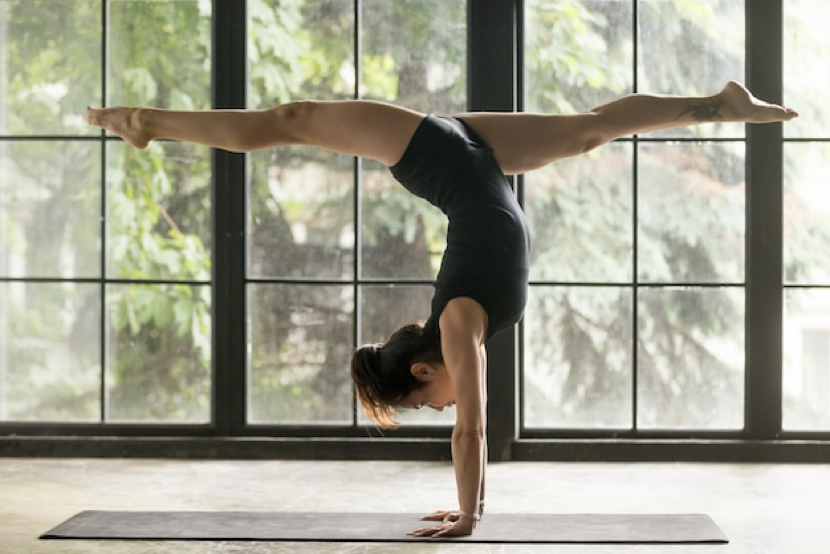
Easy Yoga Routine Helps Reduce Your Fatigue
Fatigue is a common issue that many of us face on a daily basis, whether it's due to work, stress, or simply the demands of everyday life. While getting enough sleep and maintaining a healthy diet are essential for combating fatigue, there are also other effective methods that can help, such as incorporating yoga into your daily routine. Yoga is a form of exercise that combines physical postures, breathing techniques, and meditation to promote relaxation, increase flexibility, and reduce stress. Here's an easy yoga routine that you can do at home to help reduce fatigue and rejuvenate your body and mind.Start with a Warm-UpBefore beginning your yoga routine, it's important to warm up your muscles to prevent injury. Start by standing tall with your feet hip-width apart and take a few deep breaths, focusing on filling your lungs completely with air. Then, move into a gentle sun salutation sequence, which consists of a series of poses that flow smoothly from one to the next. This sequence helps to warm up your entire body and prepare you for the more challenging poses that follow.Mountain Pose (Tadasana)Begin your yoga routine with Mountain Pose, a foundational pose that promotes good posture and helps to ground and center you. Stand tall with your feet hip-width apart, toes pointing forward, and knees slightly bent. Engage your core muscles and lift your chest, feeling tall and strong. Take a few deep breaths, focusing on your breath and allowing yourself to relax into the pose.Warrior II (Virabhadrasana II)From Mountain Pose, step your right foot forward about 3-4 feet, turning your right foot out 90 degrees and your left foot in slightly. Bend your right knee, keeping your knee aligned with your ankle, and raise your arms out to the sides, parallel to the floor and shoulder-height. Look over your right hand, keeping your gaze steady. Hold for several breaths, then repeat on the other side. Warrior II helps to strengthen your legs and open your hips and chest, promoting a sense of strength and stability.Tree Pose (Vrksasana)Stand tall with your feet hip-width apart and shift your weight onto your left foot. Slowly lift your right foot and place the sole of your right foot against the inside of your left leg, either on your calf or thigh. Raise your arms above your head, palms facing each other, and focus on keeping your balance. Hold for several breaths, then repeat on the other side. Tree Pose helps to improve balance, focus, and concentration, as well as promoting calmness and relaxation.Child's Pose (Balasana)Kneel on the floor with your knees hip-width apart and your toes touching. Sit back onto your heels, then lower your torso forward, resting your forehead on the floor or a block. Extend your arms forward, palms facing down, and relax your shoulders and neck. Hold for several breaths, allowing yourself to fully relax and release any tension in your body. Child's Pose is a deeply restorative pose that helps to calm the mind and soothe tired muscles.Corpse Pose (Savasana)Lie down on your back with your legs straight and your arms at your sides, palms facing up. Close your eyes and take several deep breaths, focusing on your breath and allowing yourself to fully relax. Stay in Corpse Pose for several minutes, allowing your body and mind to unwind and rejuvenate. Corpse Pose is the perfect way to end your yoga routine, as it promotes relaxation and helps to reduce stress and fatigue.