


Easy Yoga Routine Helps Reduce Your Fatigue
Fatigue is a common issue that many of us face on a daily basis, whether it's due to work, stress, or simply the demands of everyday life. While getting enough sleep and maintaining a healthy diet are essential for combating fatigue, there are also other effective methods that can help, such as incorporating yoga into your daily routine. Yoga is a form of exercise that combines physical postures, breathing techniques, and meditation to promote relaxation, increase flexibility, and reduce stress. Here's an easy yoga routine that you can do at home to help reduce fatigue and rejuvenate your body and mind.

Start with a Warm-Up
Before beginning your yoga routine, it's important to warm up your muscles to prevent injury. Start by standing tall with your feet hip-width apart and take a few deep breaths, focusing on filling your lungs completely with air. Then, move into a gentle sun salutation sequence, which consists of a series of poses that flow smoothly from one to the next. This sequence helps to warm up your entire body and prepare you for the more challenging poses that follow.

Mountain Pose (Tadasana)
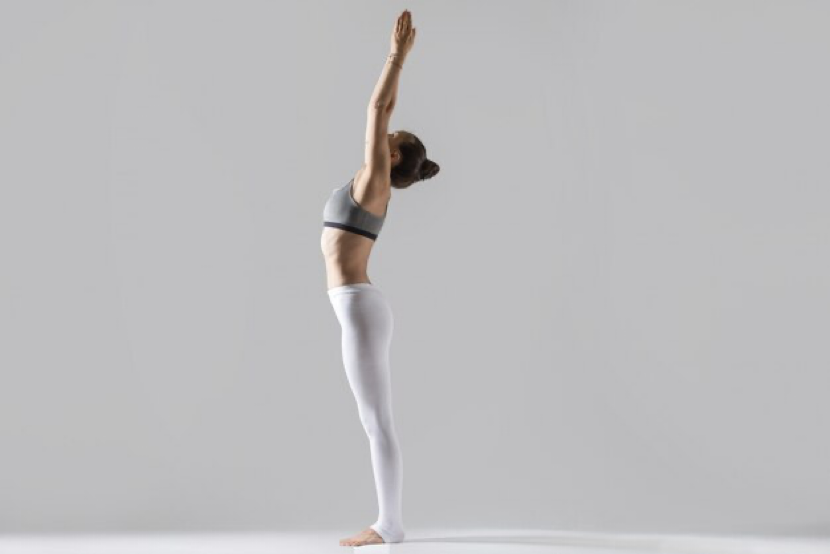
Begin your yoga routine with Mountain Pose, a foundational pose that promotes good posture and helps to ground and center you. Stand tall with your feet hip-width apart, toes pointing forward, and knees slightly bent. Engage your core muscles and lift your chest, feeling tall and strong. Take a few deep breaths, focusing on your breath and allowing yourself to relax into the pose.
Warrior II (Virabhadrasana II)
From Mountain Pose, step your right foot forward about 3-4 feet, turning your right foot out 90 degrees and your left foot in slightly. Bend your right knee, keeping your knee aligned with your ankle, and raise your arms out to the sides, parallel to the floor and shoulder-height. Look over your right hand, keeping your gaze steady. Hold for several breaths, then repeat on the other side. Warrior II helps to strengthen your legs and open your hips and chest, promoting a sense of strength and stability.

Tree Pose (Vrksasana)
Stand tall with your feet hip-width apart and shift your weight onto your left foot. Slowly lift your right foot and place the sole of your right foot against the inside of your left leg, either on your calf or thigh. Raise your arms above your head, palms facing each other, and focus on keeping your balance. Hold for several breaths, then repeat on the other side. Tree Pose helps to improve balance, focus, and concentration, as well as promoting calmness and relaxation.
Child's Pose (Balasana)
Kneel on the floor with your knees hip-width apart and your toes touching. Sit back onto your heels, then lower your torso forward, resting your forehead on the floor or a block. Extend your arms forward, palms facing down, and relax your shoulders and neck. Hold for several breaths, allowing yourself to fully relax and release any tension in your body. Child's Pose is a deeply restorative pose that helps to calm the mind and soothe tired muscles.

Corpse Pose (Savasana)
Lie down on your back with your legs straight and your arms at your sides, palms facing up. Close your eyes and take several deep breaths, focusing on your breath and allowing yourself to fully relax. Stay in Corpse Pose for several minutes, allowing your body and mind to unwind and rejuvenate. Corpse Pose is the perfect way to end your yoga routine, as it promotes relaxation and helps to reduce stress and fatigue.

Conclusion
Incorporating this easy yoga routine into your daily life can help to reduce fatigue and promote overall well-being. Remember to listen to your body and modify the poses as needed to suit your abilities and needs. With regular practice, you'll find that yoga can be a powerful tool for reducing stress, improving your mood, and increasing your overall sense of vitality and well-being.

A Fresh Guide to Essential Gear for Outdoor Hiking
To fully enjoy the journey, having the right gear is essential for safety, comfort, and convenience. In this comprehensive guide, we will explore the essential equipment needed for outdoor hiking and provide valuable insights for hikers to make informed decisions when it comes to gear selection.Footwear: The Foundation of Every HikeThe importance of proper footwear cannot be overstated when it comes to hiking. Invest in high-quality hiking boots or trail shoes that provide ankle support, a sturdy sole, and waterproofing. A proper fit is crucial to prevent blisters and ensure stability on rugged terrain.Backpack: Carrying Comfort and ConvenienceSelecting the right backpack is essential for carrying all your essential gear. Look for a backpack with padded shoulder straps, adjustable waist belt, and multiple compartments for organized storage. Consider the capacity based on the length of your hikes and the gear you plan to carry.Clothing: Layering for Comfort and ProtectionDress in layers to regulate body temperature and protect against the elements. Moisture-wicking base layers, insulating mid-layers, and waterproof outer layers are essential. Don't forget to pack a hat, gloves, and extra socks for changing weather conditions.Navigation Tools: Finding Your Way SafelyA reliable map and compass are essential for navigating through unfamiliar terrain. Consider complementing these traditional tools with a GPS device or smartphone app for added convenience. Be sure to familiarize yourself with how to use these tools before heading out.

The Silent Echoes of a Planet Without People
A time where the human population has disappeared, and we see nature begin to take back what once belonged to her. This is not simply a visionary idea, it has already begun to take shape in some places on our world, where human impact weakens and we are left with the ghostly aftermath of previous times. From the ghost town of Kolmanskop in Namibia, an abandoned cinema house in Brussels and a rotten Tuscan villa to disused railway track overgrowing with grasses somewhere on post-Soviet land, all these are microcosms of this larger story.KolmanskopKolmanskop, which was a hub for diamond mining activity in the mesmerizing Namib Desert, is an abandoned result of human mettle today. The lavish buildings where European nobility once came to seek their fortune now degrade in the harsh sun and wind. The one glittering avenues lay hidden beneath tonnes of ever moving sand and now all that you could hear were the mumbled whispers on desert gusts too calling a far away claim to it wildlife.An Old Cinema in BrusselsAn old forgotten cinema in Brussels, with its marquee faded permanently locked doors. Faded posters of bygone eras hint at the glory days when colossal audiences packed in to see the latest screen spectacles. Now, stale air meets only cobwebs and dust as the building fades to ruin with all its memories entombed in lost minds that once wandered those halls.Rustic Tuscan EstateOnce grand, now desolate and empty; a "rustic Tuscan estate" atop a hill of vineyards stands as sudden testament to prosperity gone bye. Its stained walls and destroyed murals narrate about once& glorious riches, family legacies now forgotten in time. Farmhouse becomes the wooded shell of a mansion as creepers trail through shattered windows, moist night draught yawn in and rustle leaf litters across wooden floors; it is half pitfall for skunk or opossum making its travel to bed among broken columns mantled with ivy's clasp, the full haven now for life that lives within grasses off porch side amid ancient stalks.Disused Railway TrackDead Landscapes is the name of this one, from Ukraine, stretching fields on an abandoned narrow gauge railway line with its rusty tracks trying to surpass the horizon. Originally an important route linking towns and villages, supporting trade in goods as well telecommunication. But now, a solitary way that speaks of forsaken travels and deserted stops. Tall grasses line the tracks, with wildlife continuing to walk in between them completely indifferent toward whatever was left of human invention.ConclusionThey are not just ancient sites that have taken on the mantle of ruins; they lie beneath us, and in their decay, tell a story about what it means to be human. They show us that our accomplishments, no matter how great, are but passing blinks in the cosmic eye. Even as we mold the world to our fitting, let's perhaps halt and think about what legacy do we create in passing on these echoes that sound long after us. Here, in the quiet forgotten places of man nature tells us over and over again a story about survival and how aging is an inexorable march that keeps coming for each of us as it serves up hard lessons on time.

Navigating College Life: Some Mental Health Tips for Students
As the leaves turn golden and summer draws to a close, a new chapter begins for many young adults across the country. College is a time of excitement, growth, and self-discovery, but it can also be a period of stress and uncertainty. For parents with children heading off to college, ensuring their mental well-being is paramount. Here are five essential tips to help students manage their mental health during this transformative time.Establish a RoutineThe transition from high school to college often comes with a newfound sense of freedom. While this freedom is exhilarating, it can also lead to irregular sleep patterns, poor diet, and skipped classes if not managed properly. Establishing a routine that includes regular sleep, healthy meals, and dedicated study times can provide a foundation for emotional stability and academic success.Encourage Open CommunicationMaintaining open lines of communication is crucial for students' mental health. Parents should encourage their children to share their feelings, concerns, and experiences without judgment. This can help students process their emotions and feel supported. Regular check-ins, whether through phone calls, video chats, or text messages, can provide a lifeline for students navigating new challenges.Promote Self-CareSelf-care is essential for mental health, yet it's often overlooked in the hustle of college life. Encourage your student to engage in activities they enjoy and that help them relax. This can include exercise, meditation, hobbies, or simply taking time to unwind with a favorite book or movie. Remind them that it's okay to take breaks and prioritize their well-being.Seek Professional Help When NeededCollege campuses often offer counseling services that provide mental health support to students. If your child is struggling with stress, anxiety, or depression, encourage them to seek help from these professionals. Early intervention can be key to managing mental health issues and can provide students with coping strategies for the challenges they face.Foster a Support NetworkEncourage your student to build a support network at college. This can include friends, roommates, mentors, and professors. A strong support network can provide emotional support, practical advice, and a sense of belonging. Joining clubs, participating in campus activities, or studying in groups can help students connect with others who share their interests.
Furniture Trends of 2025: Design Meets Intelligence
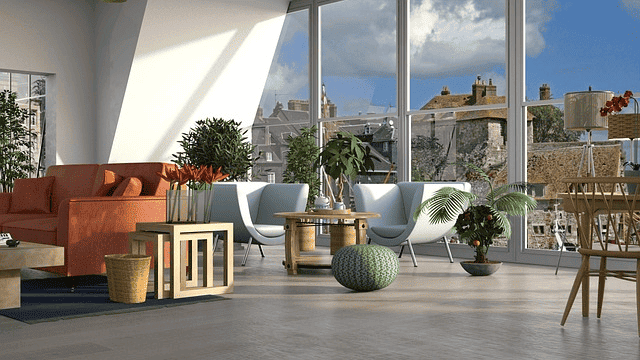
Furniture is no longer simply an object of functionality or en aesthetics, it has become an intelligent, adaptive, and sustainable extension of our living space. The directions influencing the furniture design of this year indicate a combination of pioneering technology, environmental responsibility, and a continued personalized approach. When self-adjusting ergonomic chairs and modular pieces that change as families do, 2025’s furniture is built to merge with our ever-evolving lifestyles.1.Smart, AI-poweredHere, the most striking change is towards smart, AI-powered furniture. Consider a sofa that changes its firmness to match the shape of your body, or a dining table that is also a wireless charging station and an interactive display. Several companies, including Ikea and Herman Miller, have already released AI-infused pieces that memorize human taste over time, fine-tuning both comfort and energy efficiency. Beds these days have sleep-tracking sensors, ones that regulate temperature and firmness during the night, while desks gently remind users to stand or stretch after too much time seated. The line between furniture and tech is beginning to know no bounds as furniture is not just lived in, but responsive to human life.2.SustainabilitySustainability is still at the heart of design, but in 2025 it extends beyond use of recycled materials. Now, circular design is the norm; brands emphasize furniture that can be broken down for recycling, repair or upcycling. Biodegradable options such as mycelium (mushroom-based foam) and algae-based plastics for example replacing the synthetic and giving the same durability without the guilt of damaging the environment. Even high-end designers are getting on board with “zero-waste” production, in which offcuts find new life as entirely new products. Consumers are more and more attracted to furniture with a clear lifecycle, knowing where the materials came from, how they were made and how they can be responsibly disposed of.3.Modular and MultifunctionalOther trends appeal to urban dwellers and small-space living, such as modular and multifunctional furniture. As the cost of real estate surges, these designs are compact, but flexible. There are guest beds that double as couches, coffee tables that hinge up toward a working height and storage units that mount to the wall and adjust to your needs. Companies such as Resource Furniture and Ori (a robotics and design company) are leading the way in minimizing space while maximizing style. The premise is the simple one on which we all fantasize but seldom deliver, that furniture should be as agile as life at its most inconstant, whether that is while working from home on a whim or hosting a surprise house guest for the night.4.MinimalismThe aesthetic in 2025 runs to warm minimalism and biophilic design. Neutral earthy palettes — think soft terracottas, warm beiges and deep greens — prevail, resulting in tranquil, nature-inspired interiors. Furniture silhouettes are more flowing, with rounded corners and natural textures that play on the idea of comfort and calm. Indoor-outdoor living is also on the rise, and weather-resistant materials are keeping pieces as comfortable on a sunlit patio as in a cozy living room.5.CustomizedThe customized experience up a notch. And the rise of 3D printing and on-demand manufacturing means the customer today can design his or her own furniture, picking everything from a fabric pattern to the style of legs. Brands provide digital configurators that enable people to see their creations in augmented reality before buying. This change not only limits overproduction, but allows each piece to narrate a personal story.We can’t predict the future, but in 2025, furniture will no longer be static — it’s intelligent, and a living part of our daily routine. From AI integration to sustainable innovation to adaptive design, the industry is rewriting the rule book for what it is to furnish a home. The future of furniture isn’t only about filling up space; it’s about improving the way we live, one smart, sustainable and beautifully designed object at a time.
Tips to Effectively Enhance the Aesthetics and Practicality of Your Bathroom
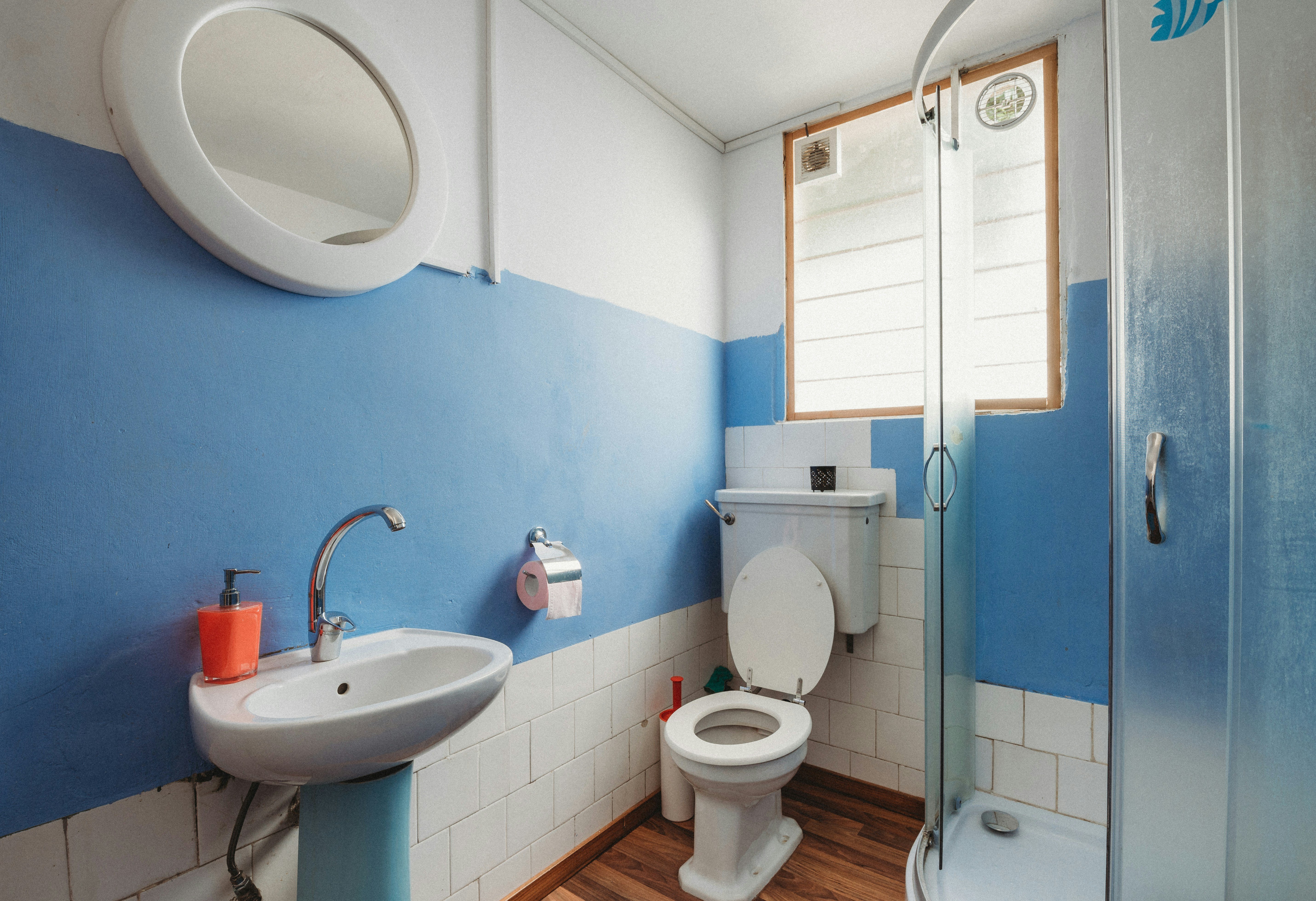
The bathroom is an essential space in any home, serving as a sanctuary for relaxation and personal care. When it comes to decorating your bathroom, attention to detail is crucial to creatinga functional and aesthetically pleasing environment. In this article, we will explore all about this.Choosing the Right Color SchemeThe color scheme sets the tone for your bathroom and greatly impacts its overall look and feel. Consider the following when selecting a color scheme:1. Wall Colors: Select mitigating and light colors, like delicate neutrals or pastel tones, to make a quiet and welcoming air. Stay away from dull colorsthat can cause the space to feel little and squeezed.2. Accent Colors: Add pops of variety through emphasize components like towels, carpets, and worksof art. These articulations can infuse character into the space and make visual interest.3. Tile Determination: Pick tiles that supplement the general variety conspire. Think about examples, surfaces, and completes that upgrade the style you need to accomplish.Lighting DesignProper lighting is essential in the bathroom to ensure functionality and create the right ambiance. Pay attention to the following aspects of lighting design:1. Natural Light: If possible, maximize natural light by using sheer window coverings or translucent glass. Natural light not only illuminates the space but also creates a sense of openness and freshness.2. Task Lighting: Install adequate task lighting around the mirror and vanity area to ensure proper visibility for grooming tasks, such as applying makeup or shaving. Wall sconces or vanity lights on either side of the mirror are ideal for this purpose.3. Ambient Lighting: Consider installing ambient lighting fixtures, such as recessed ceiling lights or pendant lights, to provide overall illumination and create a relaxing atmosphere.