


Furniture Trends of 2025: Design Meets Intelligence
Furniture is no longer simply an object of functionality or en aesthetics, it has become an intelligent, adaptive, and sustainable extension of our living space. The directions influencing the furniture design of this year indicate a combination of pioneering technology, environmental responsibility, and a continued personalized approach. When self-adjusting ergonomic chairs and modular pieces that change as families do, 2025’s furniture is built to merge with our ever-evolving lifestyles.
1.Smart, AI-powered
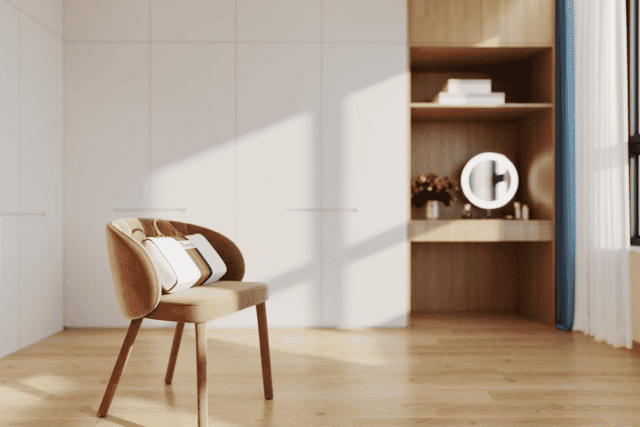
Here, the most striking change is towards smart, AI-powered furniture. Consider a sofa that changes its firmness to match the shape of your body, or a dining table that is also a wireless charging station and an interactive display. Several companies, including Ikea and Herman Miller, have already released AI-infused pieces that memorize human taste over time, fine-tuning both comfort and energy efficiency. Beds these days have sleep-tracking sensors, ones that regulate temperature and firmness during the night, while desks gently remind users to stand or stretch after too much time seated. The line between furniture and tech is beginning to know no bounds as furniture is not just lived in, but responsive to human life.
2.Sustainability
Sustainability is still at the heart of design, but in 2025 it extends beyond use of recycled materials. Now, circular design is the norm; brands emphasize furniture that can be broken down for recycling, repair or upcycling. Biodegradable options such as mycelium (mushroom-based foam) and algae-based plastics for example replacing the synthetic and giving the same durability without the guilt of damaging the environment. Even high-end designers are getting on board with “zero-waste” production, in which offcuts find new life as entirely new products. Consumers are more and more attracted to furniture with a clear lifecycle, knowing where the materials came from, how they were made and how they can be responsibly disposed of.
3.Modular and Multifunctional
Other trends appeal to urban dwellers and small-space living, such as modular and multifunctional furniture. As the cost of real estate surges, these designs are compact, but flexible. There are guest beds that double as couches, coffee tables that hinge up toward a working height and storage units that mount to the wall and adjust to your needs. Companies such as Resource Furniture and Ori (a robotics and design company) are leading the way in minimizing space while maximizing style. The premise is the simple one on which we all fantasize but seldom deliver, that furniture should be as agile as life at its most inconstant, whether that is while working from home on a whim or hosting a surprise house guest for the night.
4.Minimalism
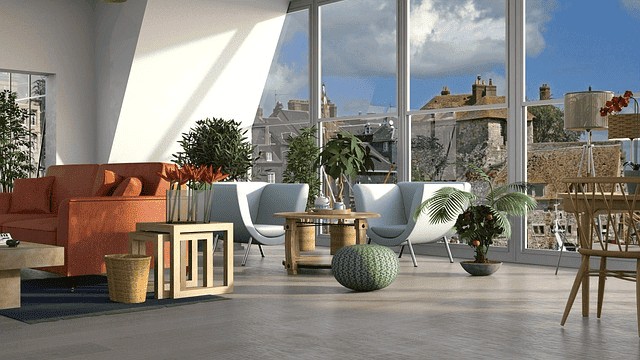
The aesthetic in 2025 runs to warm minimalism and biophilic design. Neutral earthy palettes — think soft terracottas, warm beiges and deep greens — prevail, resulting in tranquil, nature-inspired interiors. Furniture silhouettes are more flowing, with rounded corners and natural textures that play on the idea of comfort and calm. Indoor-outdoor living is also on the rise, and weather-resistant materials are keeping pieces as comfortable on a sunlit patio as in a cozy living room.
5.Customized
The customized experience up a notch. And the rise of 3D printing and on-demand manufacturing means the customer today can design his or her own furniture, picking everything from a fabric pattern to the style of legs. Brands provide digital configurators that enable people to see their creations in augmented reality before buying. This change not only limits overproduction, but allows each piece to narrate a personal story.
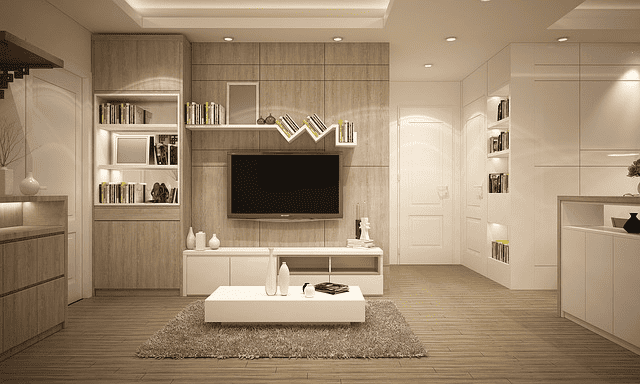
We can’t predict the future, but in 2025, furniture will no longer be static — it’s intelligent, and a living part of our daily routine. From AI integration to sustainable innovation to adaptive design, the industry is rewriting the rule book for what it is to furnish a home. The future of furniture isn’t only about filling up space; it’s about improving the way we live, one smart, sustainable and beautifully designed object at a time.

Greek Hydra Island Makes You Free
Hydra island stands out for its unique tranquility and primitive appearance among the myriads of islands in Greece. Located in the romantic Aegean Sea, the little island is not only the idyllic beauty in numerous travelers’ hearts but also a precious pure land in this modern society. The Hydra island stands out for that the cars are forbidden there, you can feel the peace and quietness you haven’t feel for ages, the time seems to stop, the soul seems to distilled.History of HydraThe history of Hydra can date back to BC 3,000 when the island was a basis of pirates, as time went by, finally it became the important battlefield of Greek Independence War. However, the present Hydra is no more a place for war but a paradise for art and culture for everyone who travel here. The constructions and buildings show the style of 18th century, such as the white house and blue windows coordinated perfectly with blue sea water. What a picturesque view!Why Hydra Is So QuietThe reasons why there is a ban in cars, vehicles and other automobiles are that the landform in the island is complex, the roads are narrow which are not suitable for modern transportation to pass through. However, this prohibition accidentally leads to the special peace for the residents and citizens here. In Hydra island, the major trip modes are walking, riding donkeys or taking traditional carriages. The most distinctive highlights of these trip modes are reducing the pollution of noises, slowing down the pace of citizens and offering you an opportunity to enjoy every inch of scenery in the island.When walking on the street of Hydra, you can feel the freeze of time. There is no noise from cars, no business from modern cities, only the blow of breeze and songs of birds accompanying with you. Slow-paced life is the feature of the residents here, and the things they do the most often are bathing the sunlight, surfing the sea and enjoying the peaceful mind. You can see old people are taking leisurely in a cafe, kids playing on the beach and artists drawing on the streets. What a peaceful living status desired by everyone, and you will genuinely find the beauty and meaning of live after coming here.More Beauties of HydraIt is not only a symbol of tranquility, but also a heaven of arts. Since the beginning of the 20th century, Hydra have attracted a lot of artists and writers come to dwell or create artworks. Famous Greek poet George Sepfiris, French painter Henry Martis used to look for inspiration here. There are all sorts of art displays and cultural activities every year, which not only enriches the strong art atmosphere, but also seduces people who love arts all over the world.ConclusionTo conclude, Hydra is a island that you feel unwilling to leave because of its tranquility, quietness, peace, easiness and beauty. You can get together with the freedom you have not seen again for a long time, and the slow time provide you a chance to think about the meaning of life. Whether you’re a artist, writer or an ordinary traveler, Hydra will leave an profound impression on your lifetime.

Senior Housing Choices: Finding CCRCs, Villages and Cohousing
The perfect home for seniors has never been more important as people the world over live longer than ever before. Older adults today want living options that provide not just comfort and safety, but also community, independence and the ability to access care when it's needed. Knowledge of these options can allow seniors and their families the opportunity to make informed decisions for the future.1.Continuing Care Retirement CommunitiesA CCRC is a facility with many levels of care that are housed within the same campus. Residents generally begin in independent living, with private apartments or cottages, social activities and amenities like fitness centers and dining halls. And, as their health care needs shift, they can move easily to assisted living or more intensive skilled nursing care without being forced to pack. This philosophy of “continuum of care” provides comfort in the knowledge that medical and personal assistance is there when needed. Entry fees and monthly fees are typically used to finance them, making CCRCs a substantial investment. But for those who value long-term security and ease of living, this choice brings stability and great care across the various phases of aging.2.VillageIn comparison, the Village movement is all about assisting the elderly in aging in place in their own homes and communities. Villages are nonprofit, member-driven organizations that provide older adults with access to services, volunteers and social activities. With an annual membership fee, members are entitled to resources such as transportation, home-related repairs and social events, promoting a close community while remaining independent. Unlike CCRCs, Villages themselves don't offer medical care, but they're known to partner with local health organizations who can offer assistance. This model is perfect for the seniors who are very attached to their homes and their neighborhoods but require more help and social engagement as they get older. The Village movement is ballooning, especially in urban and suburban areas, where it allows seniors to continue living in the same communities without upending their lives.3.CohousingAnother emerging alternative and trend is Cohousing, a customized living arrangement in which seniors can share common areas and still live independently. Cohousing is unique from typical retirement communities in that it's specifically designed to facilitate interaction, with shared kitchens, gardens, and common spaces. There's strong community involvement, and residents take part in decision-making and often meet for communal meals and activities. This model holds particular appeal for those who value sustainability, social connection and belonging. Although cohousing generally does not offer professional care services, some facilities offer a wellness program, or contract with home healthcare agencies. It can provide an ideal mix of independence and community for seniors who want an active, interdependent lifestyle but don't want the retirement home feel of an institutional setting.The best senior housing option depends on specific needs, whether it is guaranteed care focused on your parents or neighborhood support or a senior community with close integration or a shared living experience. For those who expect to one day require medical help, a CCRCs offer a comprehensive, “nothing left out” lifestyle pattern. Villages are places where you can age in place, with social and practical support; cohousing creates deep links among people who are like-minded. In an ever changing society, these models show that retirement living no longer has to equate with loneliness or loss of autonomy.In the end, it is a personal choice when one considers factors such as monetary considerations and the kind of life they would prefer to have. Through CCRCs, Villages, Cohousing and other options, older adults can also discover a living arrangement that is in line with the way they wish to livee, one that provides comfort, community, and the appropriate level of care as they begin their journey into the next chapter of their lives.

Women at Work: Gains in Leadership Roles, But Catching Up to Men Could Take Decades
In recent years, there has been a noticeable shift in the corporate landscape as more women ascend to leadership roles. However, despite these gains, a new report suggests that true gender parity in leadership positions may still be decades away. This article explores the progress women have made in the workplace, the challenges they continue to face, and the implications of these findings for future generations.The Progress MadeThe past decade has seen significant strides for women in the workplace. According to data from the World Economic Forum's "Global Gender Gap Report 2023," women now hold 31.4% of senior management positions globally, up from 24% in 2015. This increase is a testament to the growing recognition of the value women bring to leadership roles, as well as the efforts of organizations to promote gender diversity. In the United States, the percentage of women in senior management roles has risen to 42%, according to a report by Catalyst. Additionally, women now make up nearly 30% of board members at Fortune 500 companies, a significant improvement from the 16% recorded in 2010. These numbers indicate that companies are increasingly prioritizing gender diversity in their leadership teams.The Challenges RemainingDespite these encouraging trends, the road to gender parity in leadership roles remains long and fraught with challenges. One of the most significant obstacles is the persistent gender pay gap. According to the Institute for Women's Policy Research, women in the United States earn 82 cents for every dollar earned by men, a disparity that widens for women of color. This pay gap not only affects women's financial security but also their ability to advance in their careers.Another challenge is the "glass ceiling" phenomenon, where women hit an invisible barrier that prevents them from reaching the highest levels of leadership. This is often due to systemic biases and stereotypes that favor men in leadership roles. For example, women are frequently perceived as less competent or less committed to their careers than men, which can hinder their advancement.Moreover, the COVID-19 pandemic has disproportionately affected women in the workforce. Many women, particularly those in leadership roles, have had to juggle increased caregiving responsibilities while continuing to work, leading to burnout and career setbacks. This "she-cession" has exacerbated existing inequalities and set back progress in gender parity.The Timeframe for Catching UpThe new report, which combines data from various sources, estimates that it could take up to 132 years to achieve gender parity in leadership roles. This staggering figure highlights the magnitude of the challenges women face and underscores the need for sustained efforts to address these issues.The report identifies several key factors that contribute to this slow progress. First, the pipeline of women entering leadership roles is still not sufficient to match the number of men. While more women are entering the workforce, they are not always progressing to the highest levels of leadership. Second, the retention of women in leadership roles is a significant issue. Many women leave their jobs due to lack of support, work-life balance challenges, and the inability to advance.Implications for the FutureThe findings of this report have profound implications for the future of work and gender equality. If current trends continue, it could take generations for women to achieve true parity in leadership roles. This not only affects women but also has broader economic and social consequences.Gender diversity in leadership has been shown to improve organizational performance, innovation, and decision-making. Companies that fail to promote gender diversity may miss out on these benefits and risk falling behind their more inclusive competitors. Additionally, the lack of gender parity in leadership perpetuates systemic inequalities that affect all aspects of society, from education to healthcare to politics.Moving ForwardTo accelerate progress towards gender parity in leadership, several actions are necessary. First, companies must prioritize gender diversity in their hiring and promotion practices. This includes setting clear targets for the representation of women in leadership roles and holding leaders accountable for achieving these targets.Second, organizations need to create supportive environments that enable women to thrive in leadership roles. This includes providing flexible work arrangements, mentorship programs, and leadership development opportunities. Companies should also address the root causes of gender bias and discrimination through training and awareness initiatives.

The Art of Caring for Solid Wood Furniture
Proper care and maintenance are crucial to preserve its beauty and ensure its longevity. In this article, we will explore the art of caring for solid wood furniture, offering unique tips and insights to help readers keep their cherished pieces in pristine condition.Understanding the Nature of WoodBefore delving into specific care techniques, it's essential to understand the nature of wood itself. Wood is a natural material that responds to its environment. It can expand and contract with changes in temperature and humidity, and it can be susceptible to scratches, stains, and fading if not properly cared for. With this understanding, we can approach the care of solid wood furniture with the respect it deserves.Dust Regularly with CareOne of the simplest yet most important care practices for solid wood furniture is regular dusting. Use a soft, lint-free cloth or a microfiber duster to gently remove dust from the surface. Dust can accumulate and scratch the wood over time, so consistent cleaning is crucial.Protect from Sunlight and HeatDirect sunlight can cause wood to fade and lose its luster over time. To preserve the natural color and beauty of solid wood furniture, it's important to shield it from direct sunlight. Utilize curtains or blinds to minimize exposure, and consider rearranging furniture to reduce prolonged sun exposure.Use Coasters and Protective PadsTo prevent water rings, scratches, and heat damage, always use coasters or protective pads when placing glasses, hot items, or other objects on solid wood surfaces. This simple practice can go a long way in preserving the integrity of the wood.Immediate CleanupAccidents happen, and spills are inevitable. It's essential to clean up any spills or stains immediately to prevent them from seeping into the wood and causing damage. Use a dry or slightly damp cloth to blot and clean up any spills promptly.

Amazing All-Inclusive Mediterranean Cruises in 2026
The profound concept of floating city attains in 2026 its fullest expression of all time. There is no doubt that the Mediterranean, with its blessed climate and timeless culture, has always been the apogee of ocean liners. But this year marks a new sort of development in how it is seen. Nursing an environmental headache, a neurotic civilization sharpens its focus on an ideal of wellness, in which the modern cruise becomes morally as therapeutic for soul and body, as it breaks so many records. Travelers today are provided with not merely schedules, but rationally thought out trips: Farm-to-sea organic food programs which celebrate indigenous produce, extended port stays that are in harmony with local customs and not raced through like duty calls for so many souvenirs to be bought; ships designed to feel more like an island resort than any superstructure at sea with its own set of laws defining good society as practicality. With the pound holding strong against other currencies, some much-needed breathing space has finally emerged for British holidaymakers. In Britain regionally based offerings by Mediterranean cruise lines are highly attractive and it will be available to more customers than ever before through these fly-cruise tours that take people straight from downtown hubs such as Manchester and Glasgow, directly into the action. Sustainability, luxury, ease of travel should all be rolled into one ball and tossed back to the public in 2026 to rediscover the Mediterranean, not as a tourist, but taking on some understanding of its people and their various ways.Why Choose Mediterranean CruisesThe cruise industry has moved forward considerably in 2026. The advocacy of sustainability and health is seeing new launches this year that 263 accord entirely with my own values. Passengers now have organic food and first-class facilities to look forward to; and itineraries that get passengers off the boat for a longer time on shore help to dispel the rushed rhythm that has pertained generally in old-fashioned cruising.In today's travel market, the British pound remains strong, encouraging Mediterranean cruise companies to compete fiercely. Many now offer packaged deals including flights out of various UK airports – which is a game-changer for the rest of us. What is a fly-cruise package? The vacation begins the moment you arrive at Manchester, Birmingham or Glasgow airport.Typical RoutesThe Mediterranean has a rich itinerary, usually divided into Western and Eastern routes.1.Eastern Mediterranean: The focus of the Eastern Mediterranean itineraries is the Adriatic Sea and the Aegean Sea. From Venice (Marghera) or Athens, you can visit Dubrovnik with its ancient city walls; Santorini and the famous blue dome churches; the extraordinary ruins of Ephesus in Turkey. This route is a must for history-lovers and everyone keen on breathtaking coastal scenery.2.Western Mediterranean: Still the classic choice, the Western Mediterranean. From Southampton, Barcelona, or Civitavecchia (near Rome), visitors set out on this path, kissing the glamorous French Riviera, ashoring in historic treasure trove Florence and sojourning at lively beach camp Ibiza. It is suited for new voyagers after a mix of culture and sun.All-Inclusive Package Levels1.Value-Driven All-Inclusive: It's important to understand that "all-inclusive" means different things to different cruise lines as far as the UK market is concerned. There are three quite distinct tiers. In terms of value-driven all-inclusive, lines such as Marella Cruises (part of TUI) stand in a category of their own. Flights, transfers and meals–even soft drinks (not all alcoholic ones) and smart nibbles as well are provided up front. There are no quibbles at the end of the week.2.Premium All-Inclusive: With cruise lines like Celebrity Cruises or MSC Cruises, you can find everything on board: premium all-inclusive. Their enhanced packages often include things that are not part of the standard itinerary such as premium Wi-Fi and shore excursion credits. They also provide a value exchange: higher-end spirits to make your life more exciting without carrying the five-star tag for price.3.Ultra-Luxury All-Inclusive: The ultimate in luxury spent leave the all-inclusive principle far behind. Take Silversea or Regent Seven Seas among mother companies; enjoy a thousand-dollar bottle of vintage champagne in your villa; ask for private tours just about anywhere round the world and have it arranged; The initial outlay is high, but personalized service is unmatched and on your special occasion cruises nothing less will do.Price ComparisonConclusionIn 2026, you can find all-inclusive Mediterranean cruises that are much more than vacations. They bring not only rest but real value for money, and a chance to restore your soul yet again— one horizon at a time. And this is simply the perfect time for booking your cruise. I firmly believe it.