


A Fresh Guide to Essential Gear for Outdoor Hiking
To fully enjoy the journey, having the right gear is essential for safety, comfort, and convenience. In this comprehensive guide, we will explore the essential equipment needed for outdoor hiking and provide valuable insights for hikers to make informed decisions when it comes to gear selection.
Footwear: The Foundation of Every Hike
The importance of proper footwear cannot be overstated when it comes to hiking. Invest in high-quality hiking boots or trail shoes that provide ankle support, a sturdy sole, and waterproofing. A proper fit is crucial to prevent blisters and ensure stability on rugged terrain.
Backpack: Carrying Comfort and Convenience
Selecting the right backpack is essential for carrying all your essential gear. Look for a backpack with padded shoulder straps, adjustable waist belt, and multiple compartments for organized storage. Consider the capacity based on the length of your hikes and the gear you plan to carry.

Clothing: Layering for Comfort and Protection
Dress in layers to regulate body temperature and protect against the elements. Moisture-wicking base layers, insulating mid-layers, and waterproof outer layers are essential. Don't forget to pack a hat, gloves, and extra socks for changing weather conditions.
Navigation Tools: Finding Your Way Safely
A reliable map and compass are essential for navigating through unfamiliar terrain. Consider complementing these traditional tools with a GPS device or smartphone app for added convenience. Be sure to familiarize yourself with how to use these tools before heading out.
First Aid Kit: Safety First
A well-stocked first aid kit can be a lifesaver in case of emergencies. Include items such as bandages, antiseptic wipes, pain relievers, and any personal medications. Additionally, consider taking a basic first aid course to be prepared for minor injuries.
Hydration and Nutrition: Fueling Your Adventure
Stay hydrated by carrying an adequate supply of water or investing in a portable water filtration system. Pack lightweight, high-energy snacks to keep your energy levels up during the hike. Proper nutrition is essential for sustained endurance.
Protection from the Elements: Sun, Rain, and Bugs
Protect yourself from the sun with a wide-brimmed hat, sunglasses, and sunscreen. Carry a lightweight, waterproof jacket for unexpected rain showers and consider using insect repellent to ward off pesky bugs.

Emergency Essentials: For Peace of Mind
Carry a whistle, a signaling mirror, and a lightweight emergency blanket in case of unexpected situations. These items can be crucial for attracting attention and providing temporary shelter in emergencies.
Conclusion
Equipped with the right gear, outdoor hiking becomes a rewarding and enjoyable experience. From proper footwear to essential emergency tools, each piece of gear plays a role in ensuring a safe and comfortable journey. By following this comprehensive guide, hikers can make informed decisions and be well-prepared for their outdoor adventures. Remember, the key to a successful and fulfilling hike lies in the careful selection and proper use of essential gear.

All You Need to Know for Choosing the Right Pillow
First, we need to be clear about the importance of pillows. Pillows are not just simple tools used to support our heads, but also a key factor affecting the quality of our sleep. A suitable pillow can fit the curve of our neck, reduce the pressure on the cervical spine, and help us maintain the correct posture during sleep, thereby reducing the various health problems caused by improper sleeping posture.However, in real life, many families tend to focus only on surface factors such as appearance, material or price when choosing pillows, ignoring their true functionality and comfort. As a result of this blind selection, the pillow often does not match the curve of our neck, thus putting unnecessary pressure on the cervical spine during sleep. In the long run, this stress will not only affect the quality of our sleep, but also may lead to cervical pain, headaches and other health problems.So why do so many families choose the wrong pillow? There are several main reasons for this:One is the lack of relevant knowledge. Many people's understanding of the pillow is limited to its appearance and material, and the understanding of its functionality and comfort is little. This makes them often unable to make correct judgments according to their needs and actual situations when choosing pillows.The second is the pursuit of trends and fashion. In today's society, fashion and trends influence people everywhere. When choosing a pillow, some families are often attracted by its appearance and popular elements, while ignoring its actual functionality and comfort.Third, is the price factor. For some families, price is an important factor to consider when choosing a pillow. However, a low price does not necessarily mean high-costperformance. Some inexpensive pillows may have defects in material, process and functionality, and long-term use may cause adverse health effects.

Senior Housing Choices: Finding CCRCs, Villages and Cohousing
The perfect home for seniors has never been more important as people the world over live longer than ever before. Older adults today want living options that provide not just comfort and safety, but also community, independence and the ability to access care when it's needed. Knowledge of these options can allow seniors and their families the opportunity to make informed decisions for the future.1.Continuing Care Retirement CommunitiesA CCRC is a facility with many levels of care that are housed within the same campus. Residents generally begin in independent living, with private apartments or cottages, social activities and amenities like fitness centers and dining halls. And, as their health care needs shift, they can move easily to assisted living or more intensive skilled nursing care without being forced to pack. This philosophy of “continuum of care” provides comfort in the knowledge that medical and personal assistance is there when needed. Entry fees and monthly fees are typically used to finance them, making CCRCs a substantial investment. But for those who value long-term security and ease of living, this choice brings stability and great care across the various phases of aging.2.VillageIn comparison, the Village movement is all about assisting the elderly in aging in place in their own homes and communities. Villages are nonprofit, member-driven organizations that provide older adults with access to services, volunteers and social activities. With an annual membership fee, members are entitled to resources such as transportation, home-related repairs and social events, promoting a close community while remaining independent. Unlike CCRCs, Villages themselves don't offer medical care, but they're known to partner with local health organizations who can offer assistance. This model is perfect for the seniors who are very attached to their homes and their neighborhoods but require more help and social engagement as they get older. The Village movement is ballooning, especially in urban and suburban areas, where it allows seniors to continue living in the same communities without upending their lives.3.CohousingAnother emerging alternative and trend is Cohousing, a customized living arrangement in which seniors can share common areas and still live independently. Cohousing is unique from typical retirement communities in that it's specifically designed to facilitate interaction, with shared kitchens, gardens, and common spaces. There's strong community involvement, and residents take part in decision-making and often meet for communal meals and activities. This model holds particular appeal for those who value sustainability, social connection and belonging. Although cohousing generally does not offer professional care services, some facilities offer a wellness program, or contract with home healthcare agencies. It can provide an ideal mix of independence and community for seniors who want an active, interdependent lifestyle but don't want the retirement home feel of an institutional setting.The best senior housing option depends on specific needs, whether it is guaranteed care focused on your parents or neighborhood support or a senior community with close integration or a shared living experience. For those who expect to one day require medical help, a CCRCs offer a comprehensive, “nothing left out” lifestyle pattern. Villages are places where you can age in place, with social and practical support; cohousing creates deep links among people who are like-minded. In an ever changing society, these models show that retirement living no longer has to equate with loneliness or loss of autonomy.In the end, it is a personal choice when one considers factors such as monetary considerations and the kind of life they would prefer to have. Through CCRCs, Villages, Cohousing and other options, older adults can also discover a living arrangement that is in line with the way they wish to livee, one that provides comfort, community, and the appropriate level of care as they begin their journey into the next chapter of their lives.
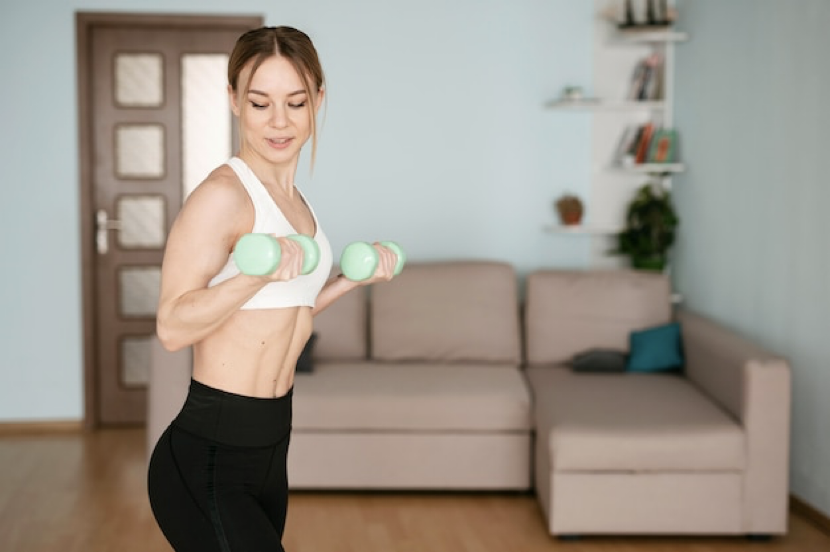
Women May Benefit From Exercise in Reducing Risk of Cardiovascular Issues
Cardiovascular disease (CVD) is a leading cause of morbidity and mortality worldwide, affecting millions of people, particularly as they age. While both men and women are at risk, recent research suggests that women may significantly benefit from exercise in reducing their risk of developing cardiovascular issues—potentially lowering their risk by twice the amount as men. Understanding the implications of this finding can empower women to prioritize physical activity as a vital component of their health regimen.The Importance of ExerciseExercise is widely recognized as a cornerstone of cardiovascular health. Regular physical activity strengthens the heart muscle, improves circulation, and helps maintain a healthy weight—factors that are crucial in preventing CVD. While the benefits of exercise are well-documented for both genders, emerging evidence indicates that women may experience a more pronounced protective effect against heart disease.Hormonal InfluencesOne potential reason for the differential impact of exercise on cardiovascular health between men and women lies in hormonal differences. Estrogen, which is more prevalent in women, has protective cardiovascular effects. It helps maintain healthy blood vessels and reduces cholesterol levels. However, as women age and estrogen levels decline, particularly during and after menopause, their risk for heart disease increases. Engaging in regular exercise can help mitigate some of these risks, potentially leading to more significant reductions in CVD risk compared to men.Research FindingsRecent studies have highlighted that women who engage in regular physical activity may cut their risk of developing heart disease by an impressive amount. For instance, a study published in the Journal of the American College of Cardiology found that women who exercised regularly were able to lower their cardiovascular risk significantly more than their male counterparts. The mechanisms behind this may include better weight management, improved blood pressure regulation, and enhanced lipid profiles among women who exercise consistently.Types of Beneficial ExerciseNot all forms of exercise are created equal when it comes to cardiovascular health. Both aerobic and strength-training activities play a crucial role, but aerobic exercises—such as walking, running, cycling, and swimming—are particularly effective in improving cardiovascular fitness.1. Aerobic Exercise: Engaging in at least 150 minutes of moderate-intensity aerobic exercise each week can lead to substantial cardiovascular benefits. This could include brisk walking, jogging, or group fitness classes.2. Strength Training: Incorporating strength-training exercises at least twice a week can also enhance cardiovascular health. Building muscle helps improve metabolism and supports better insulin sensitivity, contributing to overall heart health.3. Flexibility and Balance: Activities like yoga and Pilates, while not traditionally regarded as cardiovascular exercises, can improve overall physical function and reduce stress, which is also beneficial for heart health.Making Exercise a PriorityFor women looking to lower their cardiovascular risk, making exercise a priority is essential. Here are some practical tips to integrate physical activity into daily routines:1. Set Realistic Goals: Start with achievable goals, such as walking 10 minutes a day, and gradually increase duration and intensity.2. Find Enjoyable Activities: Whether it’s dancing, hiking, swimming, or joining a sports team, engaging in activities you love makes it easier to stick with an exercise routine.3. Incorporate Movement into Daily Life: Simple changes, like taking the stairs instead of the elevator or walking during lunch breaks, can significantly increase daily activity levels.4. Social Support: Exercising with friends or family can boost motivation and make workouts more enjoyable. Consider joining group classes or community sports leagues.5. Listen to Your Body: It’s essential to pay attention to your body’s signals. Start slow, especially if you’re new to exercise, and consult a healthcare provider if you have existing health concerns.

Elevate Your Workout Experience: How to Choose the Perfect Pair of Sports Earphones
Are you looking for a pair of earphones that can keep up with your active lifestyle? Look no further! Choosing the right sports earphones can make a significant difference in how you experience your workouts. Here are some innovative tips to help you select the perfect pair:Comfort is Key: Opt for sports earphones that offer a comfortable and secure fit. Look for earphones with customizable ear tips or ear hooks to ensure a snug fit that stays in place even during intense physical activities.Stay in the Zone: Consider sports earphones with excellent sound quality and noise isolation capabilities. This will help you stay focused and motivated during your workout by immersing you in your favorite music without any distractions.Make a Splash: If you engage in activities that involve sweat or water, choose sports earphones that are sweat-proof and water-resistant. This will ensure that your earphones remain in top condition despite the sweat and moisture.

Winter Car Care: Essential Maintenance Tips for Keeping Your Vehicle Safe and Reliable
Winter is a challenging time for both drivers and their vehicles.Cold weather, road salt, and ice can take a toll on your car if it's not properly maintained. As such, it's crucial to take extra care of your vehicle during the winter months to ensure its safety and performance. Here are some essential tips for maintaining your car during the winter:Check the battery: Cold temperatures can reduce your battery's power, so it's essential to have it tested to ensure it's in good condition. If your battery is more than three years old, it's a good idea to consider replacing it to prevent unexpected breakdowns.Inspect the tires: Proper tire maintenance is crucial for safe winter driving. Check the tire pressure regularly, as cold temperatures can cause it to decrease. Also, ensure that your tires have enough tread depth to provide sufficient traction on snowy and icy roads. Consider switching to winter tires for improved grip and handling in cold conditions.Change the oil: Cold weather can cause your engine oil to thicken, making it more difficult for the engine to start. Consider switching to a winter-grade oil that flows more easily at low temperatures. It's also essential to stick to the manufacturer's recommended oil change intervals to keep your engine running smoothly.Test the lights: Days are shorter in the winter, so it's critical to make sure all your vehicle's lights are working correctly. This includes headlights, taillights, turn signals, and brake lights. Proper lighting not only helps you see better in low-light conditions but also makes your vehicle more visible to other drivers.