


The Art of Caring for Solid Wood Furniture
Proper care and maintenance are crucial to preserve its beauty and ensure its longevity. In this article, we will explore the art of caring for solid wood furniture, offering unique tips and insights to help readers keep their cherished pieces in pristine condition.
Understanding the Nature of Wood
Before delving into specific care techniques, it's essential to understand the nature of wood itself. Wood is a natural material that responds to its environment. It can expand and contract with changes in temperature and humidity, and it can be susceptible to scratches, stains, and fading if not properly cared for. With this understanding, we can approach the care of solid wood furniture with the respect it deserves.
Dust Regularly with Care
One of the simplest yet most important care practices for solid wood furniture is regular dusting. Use a soft, lint-free cloth or a microfiber duster to gently remove dust from the surface. Dust can accumulate and scratch the wood over time, so consistent cleaning is crucial.
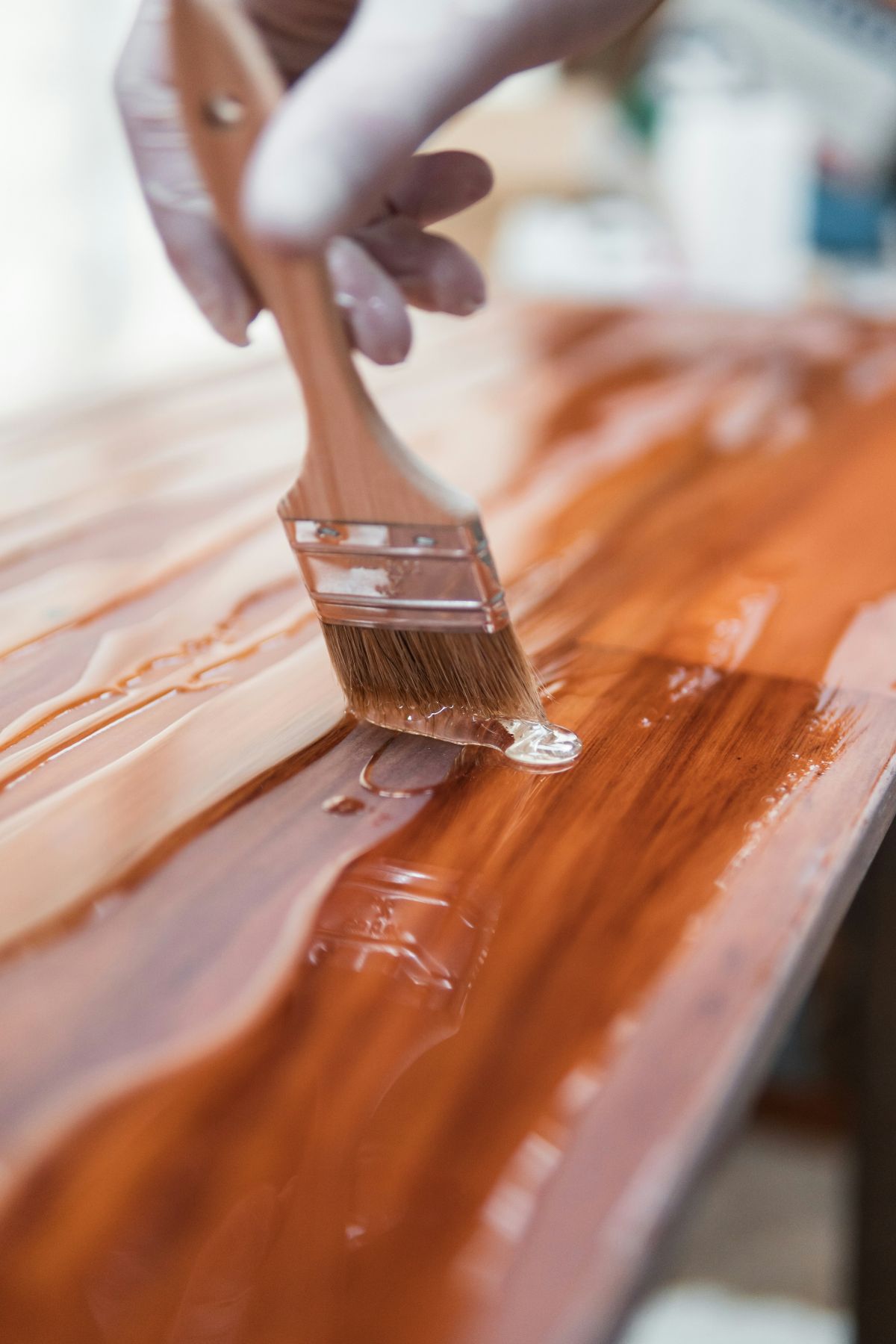
Protect from Sunlight and Heat
Direct sunlight can cause wood to fade and lose its luster over time. To preserve the natural color and beauty of solid wood furniture, it's important to shield it from direct sunlight. Utilize curtains or blinds to minimize exposure, and consider rearranging furniture to reduce prolonged sun exposure.
Use Coasters and Protective Pads
To prevent water rings, scratches, and heat damage, always use coasters or protective pads when placing glasses, hot items, or other objects on solid wood surfaces. This simple practice can go a long way in preserving the integrity of the wood.
Immediate Cleanup
Accidents happen, and spills are inevitable. It's essential to clean up any spills or stains immediately to prevent them from seeping into the wood and causing damage. Use a dry or slightly damp cloth to blot and clean up any spills promptly.
Maintain Optimal Humidity Levels
Wood is sensitive to changes in humidity, which can cause it to expand or contract. Maintaining optimal humidity levels in your home can help prevent these fluctuations. Consider using a humidifier in dry environments and avoiding placing solid wood furniture in areas with extreme temperature changes.
Periodic Waxing
Regular waxing with high-quality wood polish can help maintain the luster and protect the wood. Follow the manufacturer's instructions and avoid silicone-based polishes, as they can create a wax buildup.
Gentle Cleaning Solutions

When cleaning solid wood furniture, use mild, wood-friendly cleaning solutions and avoid harsh chemicals or abrasive cleaners. Always test new cleaning products in an inconspicuous area first.
Regular Inspection and Maintenance
Periodically inspect your solid wood furniture for any signs of damage, such as scratches, dents, or loose joints. Addressing these issues promptly can prevent further damage and preserve the furniture's beauty.
Caring for solid wood furniture is an art that requires patience, attention to detail, and an understanding of the material. By following these unique and insightful tips, readers can ensure that their cherished pieces of furniture remain in excellent condition for years to come. Proper care and maintenance not only prolong the life of the furniture but also preserve its timeless allure. With dedication and the right approach, the beauty of solid wood furniture can be enjoyed for generations.

Vegetable Oil May Lower Risk of Dementia
With the severer aging problem in the whole world, dementia has been a more and more serious problem in public health. According to the statistics from World Health Organization, there are more then 50 million people who are suffering from dementia, in which this number will skyrocket twice as it’s now in the few decades. Study finds that diet plays a significant role in preventing dementia and it is reported that a daily dose of one vegetable oil may lower risk of dying from dementia.The nutrition of vegetable oilsVegetable oil is famous for its monounsaturated and polyunsaturated fatty acids, especially olive oil, flinseed oil, canola oil and so on. These healthy fat can improve the circulation of blood, lower the risk of inflammatory response and has positive impact on brain health. It is believed by the scientists that the healthy fat can protect our brains by a variety of mechanics, for example, it can help the neurons in growing and repairing themselves.Overview of the studyResearchers have found in a long run research mainly focuses on the old people that those participants with a regular intake of vegetable oil had a significantly lower incidence of dementia than those who did not consume vegetable oils or consume more animal fat. The research studied the eating habits and health conditions of certain hundreds of old people, and they drew the conclusion that the intake of vegetable oil has positive correlation with cognitive function.AntioxidantAntioxidant components in vegetable oils, such as vitamin E and polyphenolic substances, play important roles in preventing cognitive decline. The antioxidants can defend the free radicals from doing harm to cells in order to reduce the speed of aging. The polyphenolic substances in vegetable oil, especially those are already widely use in Mediterranean diet have been proved to be effective in lowering the risk of Alzheimer.Comprehensive lifestyleAlthough the study agrees that the vegetable oil can be a protection, other aspects in your life can not be ignored as well. A balanced diet, moderate exercise, enough sleep and social activities are also vital and essential for lowering dementia. Hence, we should also pay attention to the comprehensive lifestyle while putting vegetable oil into your daily diet.Moderate intakeIt is worth noting that we ought to follow the moderate intake of vegetable oil in our daily lives. Of course the vegetable oil is comparatively healthier than animal fat, but excessive intake may lead to weight increase and other unexpected health problems. It is suggested one or two spoons are adequate every day, which not only ensures our intake, but also prevents extra risks.

Women at Work: Gains in Leadership Roles, But Catching Up to Men Could Take Decades
In recent years, there has been a noticeable shift in the corporate landscape as more women ascend to leadership roles. However, despite these gains, a new report suggests that true gender parity in leadership positions may still be decades away. This article explores the progress women have made in the workplace, the challenges they continue to face, and the implications of these findings for future generations.The Progress MadeThe past decade has seen significant strides for women in the workplace. According to data from the World Economic Forum's "Global Gender Gap Report 2023," women now hold 31.4% of senior management positions globally, up from 24% in 2015. This increase is a testament to the growing recognition of the value women bring to leadership roles, as well as the efforts of organizations to promote gender diversity. In the United States, the percentage of women in senior management roles has risen to 42%, according to a report by Catalyst. Additionally, women now make up nearly 30% of board members at Fortune 500 companies, a significant improvement from the 16% recorded in 2010. These numbers indicate that companies are increasingly prioritizing gender diversity in their leadership teams.The Challenges RemainingDespite these encouraging trends, the road to gender parity in leadership roles remains long and fraught with challenges. One of the most significant obstacles is the persistent gender pay gap. According to the Institute for Women's Policy Research, women in the United States earn 82 cents for every dollar earned by men, a disparity that widens for women of color. This pay gap not only affects women's financial security but also their ability to advance in their careers.Another challenge is the "glass ceiling" phenomenon, where women hit an invisible barrier that prevents them from reaching the highest levels of leadership. This is often due to systemic biases and stereotypes that favor men in leadership roles. For example, women are frequently perceived as less competent or less committed to their careers than men, which can hinder their advancement.Moreover, the COVID-19 pandemic has disproportionately affected women in the workforce. Many women, particularly those in leadership roles, have had to juggle increased caregiving responsibilities while continuing to work, leading to burnout and career setbacks. This "she-cession" has exacerbated existing inequalities and set back progress in gender parity.The Timeframe for Catching UpThe new report, which combines data from various sources, estimates that it could take up to 132 years to achieve gender parity in leadership roles. This staggering figure highlights the magnitude of the challenges women face and underscores the need for sustained efforts to address these issues.The report identifies several key factors that contribute to this slow progress. First, the pipeline of women entering leadership roles is still not sufficient to match the number of men. While more women are entering the workforce, they are not always progressing to the highest levels of leadership. Second, the retention of women in leadership roles is a significant issue. Many women leave their jobs due to lack of support, work-life balance challenges, and the inability to advance.Implications for the FutureThe findings of this report have profound implications for the future of work and gender equality. If current trends continue, it could take generations for women to achieve true parity in leadership roles. This not only affects women but also has broader economic and social consequences.Gender diversity in leadership has been shown to improve organizational performance, innovation, and decision-making. Companies that fail to promote gender diversity may miss out on these benefits and risk falling behind their more inclusive competitors. Additionally, the lack of gender parity in leadership perpetuates systemic inequalities that affect all aspects of society, from education to healthcare to politics.Moving ForwardTo accelerate progress towards gender parity in leadership, several actions are necessary. First, companies must prioritize gender diversity in their hiring and promotion practices. This includes setting clear targets for the representation of women in leadership roles and holding leaders accountable for achieving these targets.Second, organizations need to create supportive environments that enable women to thrive in leadership roles. This includes providing flexible work arrangements, mentorship programs, and leadership development opportunities. Companies should also address the root causes of gender bias and discrimination through training and awareness initiatives.

How Different Tea Cups Affect the Taste of Tea and Their Practical Uses in Daily Life
In this article, we will explore the influence of different tea cups on the taste of tea and discuss the practical uses of cups made from various materials in daily life.Influence of Different Tea Cups on Tea Taste:The material and shape of the tea cup can affect the aroma, temperature, and flavor of the tea. For example, porcelain or ceramic cups are preferred for delicate teas like green or white tea as they retain heat well and allow the aroma to develop. On the other hand, glass cups are suitable for enjoying the visual aspects of blooming teas, while clay cups are believed to enhance the flavor of certain types of oolong teas due to their porous nature and ability to absorb the tea's essence. Additionally, the shape and thickness of the cup's rim can also impact how the tea lands on the palate, affecting the overall taste perception.Practical Uses of Cups Made from Different Materials in Daily Life:Porcelain/Ceramic Cups: Besides being ideal for tea drinking, porcelain or ceramic cups are also versatile for serving coffee, hot chocolate, or even as stylish pen holders or small planters for succulents on desks and shelves.Glass Cups: Glass cups are not only perfect for appreciating the color and visual appeal of teas but can also be repurposed as elegant candle holders or flower vases, adding sophistication to any room.

How Do We Cope Chronic Insomnia
This article will delve into the causes of chronic insomnia, its effects, and what we can do about it.1.The causes of chronic insomniaChronic sleeping disorder generally alludes to over one month, no less than three evenings seven days experience issues nodding off, light rest, simple to awaken or get up early rest issues. Its causes are complicated and shifted, including however not restricted to:Mental elements: like uneasiness, wretchedness, over the top tension and other mental issues, frequently lead to individuals in the night bunch of considerations, hard to rest.Ecological variables, for example, clamor, light, temperature and other natural elements can influence the nature of rest.Way of life: sporadic work and rest, over the top energy prior to hitting the sack, ill-advised diet, and so on, can prompt a sleeping disorder.Infection factors: A few persistent sicknesses, like torment, breathing hardships, coronary illness, and so forth, can set off a sleeping disorder.2.The impact of chronic insomniaChronic sleeping disorder influences people in numerous ways:Medical issues: Ongoing sleep deprivation can prompt a debilitated resistant framework and an expanded gamble of sicknesses, for example, hypertension, diabetes, and coronary illness.Mental trouble: a sleeping disorder patients are frequently joined by tension, despondency and other mental issues, further influencing the personal satisfaction.Diminished efficiency: Absence of rest can prompt unfortunate focus and memory, which can influence work efficiency.Family pressure: a sleeping disorder might prompt individual emotional episodes and influence family congruity.

Step by Step Instructions to Wear a Wig
Wigs, as a fashion and practical accessory, are increasingly being used by people.However, wearing a wig is not a simple matter and requires a certain amount of skill and patience. This article will detail the steps and precautions on how to wear a wig.1.Choose the right wigIt is pivotal to pick the right hairpiece. In the acquisition of hairpieces, you need to pick as per your head type, hair quality, hairdo and different variables. By and large, material of hairpieces can be isolated into two classes: fake hair and genuine hair. The upside of counterfeit hair is that it is not difficult to deal with and the cost is generally low; The benefit of genuine hair is that it is more normal and sensible, yet the cost is higher. While picking, you can make compromises in light of your requirements and financial plan.2.Prepare tools and hairBefore wearing a wig, you need to prepare some necessary tools and hair. Tools include combs, hair clips, small black clips and gloves; When it comes to hair, you need to make sure your hair is clean, dry and oil-free. If the hair is relatively long, it is recommended to cut it short first, so that it is easier to care and wear the wig.3.The steps of wearing a wigPut the wig on your headFirst, put the wig on your head, making sure it fits your own hair. Be careful not to pull the wig too hard, so as not to damage or cause discomfort to the scalp.Adjust the wig positionAfter putting on the wig, you need to adjust its position. Use a comb or your fingers to gently comb the wig so it blends in more with your own hair. At the same time, pay attention to adjusting the Angle and position of the wig to make it look more natural.Secure with bobby pinsIn order to prevent the wig from falling off or shifting, hair clips can be used to secure it. When fixing, be careful not to pull the hair excessively, so as not to cause pain or damage.Tidy up the detailsFinally, tidy up the details of the wig. Check if there are warped or uneven areas, and use a comb or fingers to gently comb it to make it look more natural and realistic.