


Can Spare Tires Be Used as Regular Tires ?
At the point when we purchase a vehicle, it for the most part accompanies an extra tire.
Spare tires are normally utilized in unplanned times, for example, when a vehicle has a punctured tire. Notwithstanding, many individuals will contemplate whether extra tires can be utilized as customary tires to expand their life or decrease costs. This article will examine this.
First and foremost, there are a few distinctions between spare tires and normal tires. A spare tire is normally a crisis extra, intended for momentary use in a few unique and specific times, and will in general have a more modest size and various particulars. Spare tires are normally more slender than customary tires and are frequently not appropriate and legitimate for a really long time, rapid or weighty burden driving. Moreover, spare tires frequently don't have a similar track and elastic profundity, lacking great grasp on water and snow. As should be visible from a higher place, ordinary tires are superior to save tires.
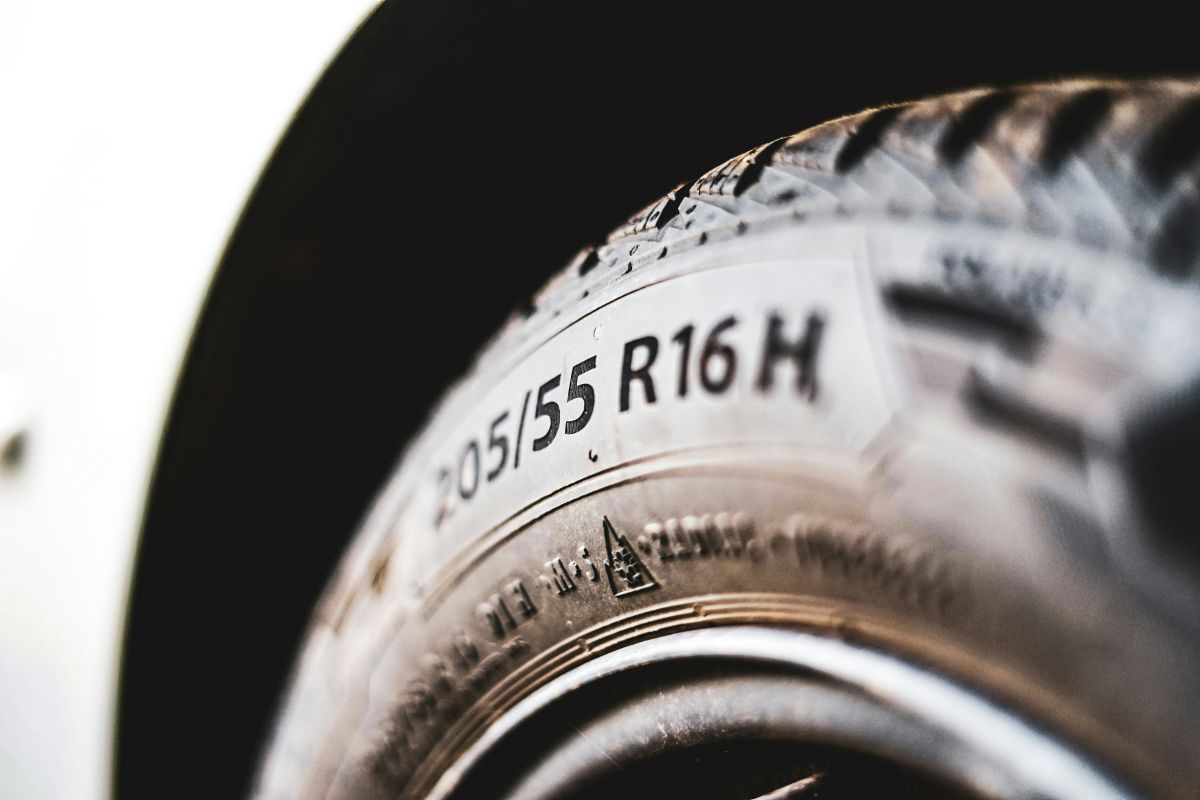
While a spare tire can assist you with getting to the closest mechanics shop in a crisis, it isn't suggested for regular driving. That is on the grounds that spare tires are intended to give an impermanent arrangement, not a drawn out ride. On the off chance that you utilize the extra tire for quite a while, it might make harm the vehicle's suspension framework and taking care of execution, and even increment the gamble of a mishap.
In addition, the utilization of spare tires is additionally restricted by regulations and guidelines. In certain areas, vehicles are legally necessary to convey tires that meet specific rules, including track profundity and detail. Utilizing an extra tire might disregard these lawful necessities and may bring about fines or other legitimate outcomes.
However, there are cases where a spare tire can be used as a provisional replacement to solve certain problems. For example, if your regular tire is destroyed beyond repair and you are in an area that is not easily accessible to a repair shop, you can use a spare tire to replace the damaged tire in order to safely drive out of the area and to a more suitable place to repair the vehicle. However, in this case, you should immediately look for a repair shop and replace normal tires to ensure the safety of driving and the normal performance of the vehicle.
There are also some important considerations to keep in mind when using a spare tire. First, spare tires often don't have the same grip and stability as regular tires. Therefore, be especially careful when driving and avoid sharp turns, high speeds or other aggressive driving behaviors to reduce the risk of accidents. Second, spare tires usually don't have the same tread depth and have less grip on waterways and slippery roads. When driving on rainy or slippery roads, exercise extreme caution and slow down to ensure safe driving. Finally, it is vital to replace the spare tire as soon as possible and repair or replace a broken regular tire. A spare tire is only a short-term replacement and cannot replace a normal tire for a long time.
To sum up, spare tires are usually not suitable for long-term use as a replacement for ordinary tires. Spare tires are designed to provide an emergency temporary solution, not for everyday driving. Using the spare tire for a long period of time may negatively affect the performance and safety of the vehicle and may violate laws and regulations. Therefore, when encountering tire damage, it is recommended to find a repair shop and replace the normal tire as soon as possible to ensure the safety of driving and the normal performance of the vehicle.

A Guide to Choosing the Right Camping Gear
Camping is an exhilarating outdoor activity that allows individuals to reconnect with nature and escape the hustle and bustle of eve.However, selecting the right camping gear is crucial to ensuring a comfortable and enjoyable experience in the great outdoors. In this guide, we will explore the essential factors to consider when choosing camping gear, providing valuable insights to help readers make informed decisions and gear up for their next adventure.Functionality and Versatility: The Backbone of Camping GearWhen selecting camping gear, it is essential to prioritize functionality and versatility. Look for multi-purpose equipment that can serve various needs, such as a multi-tool with a knife, screwdriver, and can opener, or a versatile tent that can adapt to different weather conditions. Versatile gear not only saves space and weight but also enhances the overall camping experience by catering to diverse situations.Durability and Quality: Invest in Long-lasting GearInvesting in durable and high-quality camping gear is critical for a successful outdoor experience. Look for gear made from robust materials, reinforced seams, and sturdy construction to withstand the rigors of outdoor use. Quality gear not only ensures longevity but also provides peace of mind in challenging environments, allowing campers to focus on their adventures without worrying about gear malfunctions.Comfort and Ergonomics: Prioritize Personal Well-beingComfort plays a crucial role in determining the overall camping experience. When choosing camping gear, prioritize items that prioritize personal well-being, such as a comfortable sleeping pad, ergonomic backpack, or supportive hiking boots. Additionally, consider factors like adjustable straps, breathable fabrics, and padded support to enhance comfort during extended outdoor excursions.Portability and Weight: Pack Light, Pack RightEfficiently packing and transporting camping gear is essential for maximizing mobility and convenience. Opt for lightweight and compact gear that minimizes bulk and weight without compromising functionality. Additionally, consider collapsible or foldable options, such as portable cookware and compact chairs, to optimize space and ease of transport.

Container Homes: A Modern Housing Revolution
There are smart homes and then there are shipping containers that have been converted into homes, and this installation brings both of these concepts into one sexy green package. But as with any housing option, they present their own host of issues and challenges.Advantages1.Eco-friendlinessThese out-of-the-box abodes use retired shipping containers, sparing the need for conventional building materials such as bricks and wood which would otherwise be used to build homes, and thus having a positive effect on the environment. And because containers are modular, you can create some very fun and space-saving designs, all made to your specifications.2.Cost-effectivenessContainer homes tend to cost you less financially than traditional houses, and that's very much due to the cost of materials. The steel construction of shipping containers is strong and able to hold up to harsh weather and these structures require less maintenance over the years. What’s more, construction is often speedier due to the fact that the basic framework is there already, containers just need modifying and stacking on top of each other.3.Mobility and FlexibilityThese homes will appeal to anyone looking for a minimalist or nomadic lifestyle, but will also be suitable to become remodeled to be portable so the owner can move, but not have to leave their dwelling. This is especially attractive to Digital Nomads, Adventurers, and people needing temporary housing.Things to Consider Before Building a Container Home1.Local Codes and PermitsContainer homes are not code in every place. In some jurisdictions limitations on building or lot size, zoned uses, and changes to structure or insulation are also permitted. Before breaking ground, it’s also important to check with local authorities for any necessary permits.2.Insulation and Temperature RegulationSteel is also a good conductor, so in the summer your containers could easily overheat and in the winter they can feel like freezers. For comfort and energy efficiency, it is crucial that your garage is properly insulated. There are also options to use spray foam, panel insulation, or even eco-friendly materials like sheep’s wool.3.Structural ModificationsIt is necessary to cut the doors and windows when cut into the door and window or more than three products are combined with welding and strengthening to keep the good energy saving effect and the overall firmness of the product. Better not call these professionals. the life of the home may be in danger.4.Space LimitationsNormal freight containers are quite narrow, usually only 8 feet wide. Space can be well-utilized with creative designs, although the compact layout may feel too confining for some accustomed to larger homes. Multi-container setups or vertical scaling can be used to overcome this challenge.5.Rust and CorrosionBecause containers are typically for maritime use, if exposed to moisture for extended periods of time, they can develop rust. Even the latest protective coatings must be applied to ensure protection from deterioration.6.Short Supply of Grade ContainersThere are so many used containers that are not in good conditions. Some may have been exposed to chemicals or excessive use during shipment. Container condition and potential hazardous substances inspection is paramount and should be done prior to acquisition.The FutureAs sustainable living becomes more popular, container homes continue to be popular. Advanced modular design, energy-saving retrofitting, and smart home technology will make prefabs even more attractive. Authorities and urban planners may also mimic container architecture in affordable housing such as solving the world housing shortage.ConclusionContainer homes are a great alternative to traditional living spaces and have provided homes to thousands of people looking to own their own little slice of life. But, they take some careful planning to deal with issues like insulation and structural changes and regulations. Where others find these macabre, the option to live a self-sufficient and off-the-grid mountain dream is worth considering. These homes may become a very viable option for those concerned about the environment, and those who are budget-conscious, as technology and design continue to improve.

All You Need to Know for Choosing the Right Pillow
First, we need to be clear about the importance of pillows. Pillows are not just simple tools used to support our heads, but also a key factor affecting the quality of our sleep. A suitable pillow can fit the curve of our neck, reduce the pressure on the cervical spine, and help us maintain the correct posture during sleep, thereby reducing the various health problems caused by improper sleeping posture.However, in real life, many families tend to focus only on surface factors such as appearance, material or price when choosing pillows, ignoring their true functionality and comfort. As a result of this blind selection, the pillow often does not match the curve of our neck, thus putting unnecessary pressure on the cervical spine during sleep. In the long run, this stress will not only affect the quality of our sleep, but also may lead to cervical pain, headaches and other health problems.So why do so many families choose the wrong pillow? There are several main reasons for this:One is the lack of relevant knowledge. Many people's understanding of the pillow is limited to its appearance and material, and the understanding of its functionality and comfort is little. This makes them often unable to make correct judgments according to their needs and actual situations when choosing pillows.The second is the pursuit of trends and fashion. In today's society, fashion and trends influence people everywhere. When choosing a pillow, some families are often attracted by its appearance and popular elements, while ignoring its actual functionality and comfort.Third, is the price factor. For some families, price is an important factor to consider when choosing a pillow. However, a low price does not necessarily mean high-costperformance. Some inexpensive pillows may have defects in material, process and functionality, and long-term use may cause adverse health effects.

Why Strength Training Is Essential for Maintaining a Healthy Lifestyle
In recent years, the fitness landscape has evolved, with strength training gaining recognition as a crucial component of overall health and well-being. While many individuals prioritize cardiovascular exercises like running and cycling, strength training offers unique benefits that can significantly impact long-term health. Here’s why incorporating strength training into your routine is essential for maintaining a healthy lifestyle.Improved Muscle Mass and MetabolismAs we age, we naturally lose muscle mass—a condition known as sarcopenia. This gradual decline can start as early as our 30s and continues throughout our lives. Strength training is one of the most effective ways to combat this loss. By engaging in resistance exercises, you stimulate muscle growth, which not only preserves existing muscle but also builds new muscle tissue. Increased muscle mass leads to a higher resting metabolic rate, meaning your body burns more calories at rest. This can be particularly beneficial for weight management, as it allows for greater flexibility in diet while still maintaining a healthy weight.Enhanced Bone DensityBone density naturally decreases with age, raising the risk of fractures and osteoporosis, particularly in women after menopause. Strength training plays a pivotal role in increasing bone density. When you lift weights, the stress placed on bones stimulates the production of bone-forming cells, enhancing bone strength and reducing the likelihood of osteoporosis. Incorporating strength training exercises, especially weight-bearing activities, can lead to healthier bones and a lower risk of injury as you age.Better Joint HealthStrength training not only strengthens muscles but also helps stabilize joints. Strong muscles support and protect joints, reducing the risk of injuries and chronic pain conditions such as arthritis. By improving joint strength and stability, regular strength training enables individuals to maintain mobility and perform daily activities with ease. Moreover, resistance training can help alleviate symptoms of existing joint pain, making it an excellent choice for those looking to manage conditions like osteoarthritis.Enhanced Functional FitnessFunctional fitness refers to the ability to perform daily activities with ease and efficiency. Strength training enhances functional fitness by improving balance, coordination, and endurance. This is particularly important as we age, as falls are a leading cause of injury among older adults. By focusing on exercises that mimic everyday movements—such as squats, lunges, and push-ups—you can improve your overall performance in daily tasks, from lifting groceries to climbing stairs. This functional strength contributes to a better quality of life and greater independence as you age.Mental Health BenefitsThe mental health benefits of strength training are often overlooked, but they are significant. Regular strength training has been linked to reduced symptoms of anxiety and depression. The endorphins released during exercise can elevate mood and promote a sense of well-being. Moreover, achieving strength training goals—whether it’s lifting a heavier weight or completing more repetitions—can boost self-esteem and confidence. This positive feedback loop encourages a more active lifestyle and fosters a sense of accomplishment.Chronic Disease ManagementStrength training plays a vital role in managing chronic conditions such as diabetes, heart disease, and obesity. Regular resistance training can improve insulin sensitivity, lower blood pressure, and enhance cardiovascular health. For individuals with diabetes, strength training can help regulate blood sugar levels, making it a valuable addition to their exercise regimen. By addressing these health concerns, strength training can reduce reliance on medications and improve overall quality of life.

Vegetables and Fruits Reduce Heart Disease Risk
Diet high in vegetables and fruits is advocated and loved by a lot of people because of its adequate benefits for health. One latest research emphasizes its key and important function in lowering heart diseases and kidney problems. This article introduces and talks deeply about the powerful nutrition of plant food and how they can promote the health of our hearts and kidneys.Protective Power of Vegetables and FruitsVegetables and fruits are not only the decoration and ornaments on our tables and plates, but also play a vital role in defending the omnipresent health problems in this time. These food, which is full of vitamins, minerals, antioxidants and fibers, coordinate what elements they have together to enhance our anti-disease capability.Vegetables, Fruits and Cardiovascular HealthCardiovascular health is still now the major cause to death all over the globe, but you can prominently lower this risk by eating diets high in vegetables and fruits. Because these food is low in saturated fat and cholestenone which is widely known for blocking artery and increasing blood pressure. On the contrary, they provide ample plant nutrients which is greatly helpful for reducing awful cholestenone level, relieving inflammation and improving endothelial function, which is super essential for heart health.Functions in Kidney HealthAlso, kidney disease is a scary epidemic brings much inconvenience and bad effects to millions of people silently. At this time, we can turn to a diet high in vegetables and fruits for help because it can slow the development of kidney disease and even efficiently prevent it from happening. Vegetables and fruits have great efficiency in controlling blood sugar and pressure, which are two core factors to kidney health. What’s more, they can keep the balance of electrolytic and reduce the burden of kidneys by speeding up removing wastes in a high efficiency.How to Eat More Vegetables and Fruits ScientificallyIncreasing the amount of vegetables and fruits in your diet doesn’t mean that you need to be a vegetarian or vegan-only people. Just simply change your diet food can make a big difference. Opt a bowl of fruits instead of a bag of potato chips; choose a plate of vegetable stir-fry instead of a meal full of meat. The main purpose and goal is to make your diet more colorful, because every kind of vegetables and fruits offers different nutritionNot Just Good For Heart and KidneyAlthough the focus and concentration here is talking about the benefits of vegetables and fruits have on heart and kidney, their beneficial performance is more fabulous than we think. They can improve digestion, balance your weight and lower the risk of some certain cancers as much as possible.