


Vegetables and Fruits Reduce Heart Disease Risk
Diet high in vegetables and fruits is advocated and loved by a lot of people because of its adequate benefits for health. One latest research emphasizes its key and important function in lowering heart diseases and kidney problems. This article introduces and talks deeply about the powerful nutrition of plant food and how they can promote the health of our hearts and kidneys.

Protective Power of Vegetables and Fruits
Vegetables and fruits are not only the decoration and ornaments on our tables and plates, but also play a vital role in defending the omnipresent health problems in this time. These food, which is full of vitamins, minerals, antioxidants and fibers, coordinate what elements they have together to enhance our anti-disease capability.
Vegetables, Fruits and Cardiovascular Health
Cardiovascular health is still now the major cause to death all over the globe, but you can prominently lower this risk by eating diets high in vegetables and fruits. Because these food is low in saturated fat and cholestenone which is widely known for blocking artery and increasing blood pressure. On the contrary, they provide ample plant nutrients which is greatly helpful for reducing awful cholestenone level, relieving inflammation and improving endothelial function, which is super essential for heart health.
Functions in Kidney Health
Also, kidney disease is a scary epidemic brings much inconvenience and bad effects to millions of people silently. At this time, we can turn to a diet high in vegetables and fruits for help because it can slow the development of kidney disease and even efficiently prevent it from happening. Vegetables and fruits have great efficiency in controlling blood sugar and pressure, which are two core factors to kidney health. What’s more, they can keep the balance of electrolytic and reduce the burden of kidneys by speeding up removing wastes in a high efficiency.

How to Eat More Vegetables and Fruits Scientifically
Increasing the amount of vegetables and fruits in your diet doesn’t mean that you need to be a vegetarian or vegan-only people. Just simply change your diet food can make a big difference. Opt a bowl of fruits instead of a bag of potato chips; choose a plate of vegetable stir-fry instead of a meal full of meat. The main purpose and goal is to make your diet more colorful, because every kind of vegetables and fruits offers different nutrition
Not Just Good For Heart and Kidney
Although the focus and concentration here is talking about the benefits of vegetables and fruits have on heart and kidney, their beneficial performance is more fabulous than we think. They can improve digestion, balance your weight and lower the risk of some certain cancers as much as possible.

Conclusion
The glamour of a diet high in vegetables and fruits lies in its various benefits, on the on hand, it is the prescribed drug to prevent illnesses. On the other hand, it’s a colorful, tasty and sustainable diet way that suits everybody. By choosing these food first, you are investing in your long turn health and laying foundations for a life without heart and kidney diseases. Therefore, color your plate with all kinds of vegetables and fruits and enjoy a diet that genuinely nourish your heat and kidneys.

How to Design a Warm and Inviting Modern Garden
To design a modern garden with a warm and inviting atmosphere, you need to focus on the combination of beauty, utilities, and feelings. Give solace from your daily life in a well-designed garden. So, below I talk you through five major points to help you forge a modern garden you want to spend time in.1.Incorporate Natural Materials and TexturesUse natural materials such as wood, stone, and rattan to create a warm environment. The use of wood, terrazzo or concrete for examples brings texture and a sense of organic warmth to the space. “(Wooden decking or stone pathways would help ground the design, whereas rattan furniture or woven planters would infuse softness and charm.) Balance a modern minimalistic look with the coziness of natural tones by pairing these materials with plants and greenery rich in colors. If you want a rustic vibe that feels sustainable and welcoming, consider using reclaimed wood for benches or tables. Features such as a small rock garden or a pebble mosaic of one kind or another, for example, will not only provide texture and diversity of shapes but also provide a stratum that may encourage touching and interaction.2.Concentrate on Cozy Seating AreasA warm garden is a place that encourages people to sit, to relax and to linger. Incorporate lounging areas with soft cushions, weatherproof fabrics, and handpicked ergonomic furniture; Think about creating different zones, for example a cozy bench under a tree, a dining area for al fresco meals or a lounge area with a fire pit. Throws or outdoor rugs can add an extra layer of comfort and help make the garden feel like an extension of your home. Design with a curved seating orientation ideal for small gatherings. Furnishing with hammocks or swing chairs can bring an element of playfulness and relaxation as well.3.Incorporate Soft LightingMany ordinary lights can make a garden more attractive, including ambient lights like lanterns, string lights, or even lamps. As the sun goes down, use soft warm light for a welcoming atmosphere. String lights, lanterns and the new solar-powered path lights can create a magical glow. To add depth and interest, subtly spotlight elements of your space, such as trees, water features of sculptures. A beautifully illuminated garden can feel inviting but also safe. Try LED candles or fairy lights in glass jars for something quirky. For added drama, set up uplighting to illuminate the architectural shapes of plants or trees.4.Include Personal Touches and Sensory DetailsA warm garden should be your personality and stir the senses. Incorporate things like wind chimes, aromatic flowers, or even a wee water feature for a therapeutic auditory and olfactory experience. Personal touches like handmade pottery, family heirlooms or a collection of potted plants can give the space a distinctive feel. These details spark feelings and memories, turning the garden into a space of belonging and happiness. Use herbs that release perfume when brushed against, such as lavender, rosemary and mint. In the same way, including a bird feeder or birdbath is another way to not only attract wildlife, but to add more life and movement to the garden.5.Year-around DesignAnd for your garden to feel warm and welcoming all year long, plan for seasonal interest. Select a combination of evergreen plants, flowering shrubs and seasonal blooms to ensure that color and life can be had all year round. Add features such as a pergola or awning to block the sun during summer and a fire pit or heated-seating for cooler seasons. Watching the seasons change brings a sense of comfort and joy, and by designing a garden to work all year round, you have a garden that brings delight and happiness to your life, all year round. Plant deciduous trees or shrubs with vibrant autumn coloration like maple or dogwood for warmth on those crisp fall days.Overall, these spaces will both differ, but if and when we can return to large gatherings on the other side of this, hot meals will be served here and fellowships welcomed, what really is needed, in peace. Modern garden constructed from that foundation becomes much more than outside space, it becomes an enjoyable piece of your home and life.
A Comprehensive Guide to Choosing Athletic Apparel
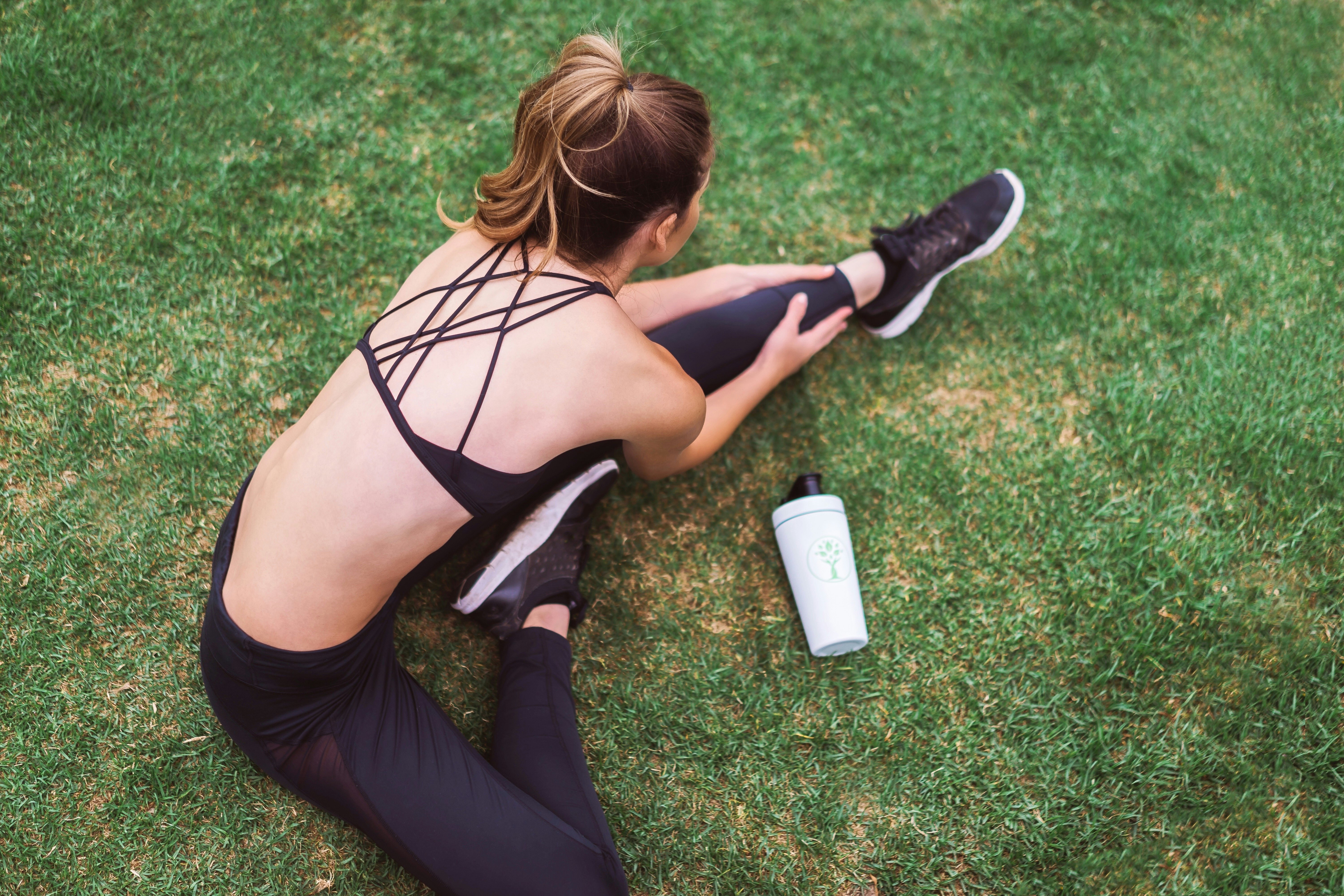
Choosing the right athletic apparel is crucial for both comfort and performance during physical activities.With the plethora of options available in the market, it can be overwhelming to select the perfect outfit. In this comprehensive guide, we will explore the key factors to consider when choosing athletic apparel and provide valuable insights to help readers make informed decisions.Fabric Selection: Performance and ComfortThe choice of fabric plays a significant role in athletic apparel. Look for moisture-wicking and breathable materials such as polyester blends or merino wool for activities that induce sweat. For cold weather, opt for insulating fabrics like fleece or thermal compression wear. Always prioritize comfort and flexibility without compromising on performance.Fit and Functionality: Finding the Perfect BalanceThe fit of athletic apparel should provide freedom of movement while maintaining a snug and supportive feel. Consider the specific requirements of the activity – for example, loose-fitting clothing may be preferred for yoga, while compression wear is beneficial for high-intensity workouts. Additionally, check for features such as reflective elements for night runs, and pockets for storage during long hikes or runs.Layering is essential for adapting to changing weather conditions and regulating body temperature during physical activities. Start with a moisture-wicking base layer, add insulating layers for warmth, and finish with a waterproof and breathable outer shell for protection against the elements. This strategy allows for easy adjustment as the body heats up or the weather shifts.

All You Need to Know for Choosing the Right Pillow
First, we need to be clear about the importance of pillows. Pillows are not just simple tools used to support our heads, but also a key factor affecting the quality of our sleep. A suitable pillow can fit the curve of our neck, reduce the pressure on the cervical spine, and help us maintain the correct posture during sleep, thereby reducing the various health problems caused by improper sleeping posture.However, in real life, many families tend to focus only on surface factors such as appearance, material or price when choosing pillows, ignoring their true functionality and comfort. As a result of this blind selection, the pillow often does not match the curve of our neck, thus putting unnecessary pressure on the cervical spine during sleep. In the long run, this stress will not only affect the quality of our sleep, but also may lead to cervical pain, headaches and other health problems.So why do so many families choose the wrong pillow? There are several main reasons for this:One is the lack of relevant knowledge. Many people's understanding of the pillow is limited to its appearance and material, and the understanding of its functionality and comfort is little. This makes them often unable to make correct judgments according to their needs and actual situations when choosing pillows.The second is the pursuit of trends and fashion. In today's society, fashion and trends influence people everywhere. When choosing a pillow, some families are often attracted by its appearance and popular elements, while ignoring its actual functionality and comfort.Third, is the price factor. For some families, price is an important factor to consider when choosing a pillow. However, a low price does not necessarily mean high-costperformance. Some inexpensive pillows may have defects in material, process and functionality, and long-term use may cause adverse health effects.
Easy Yoga Routine Helps Reduce Your Fatigue
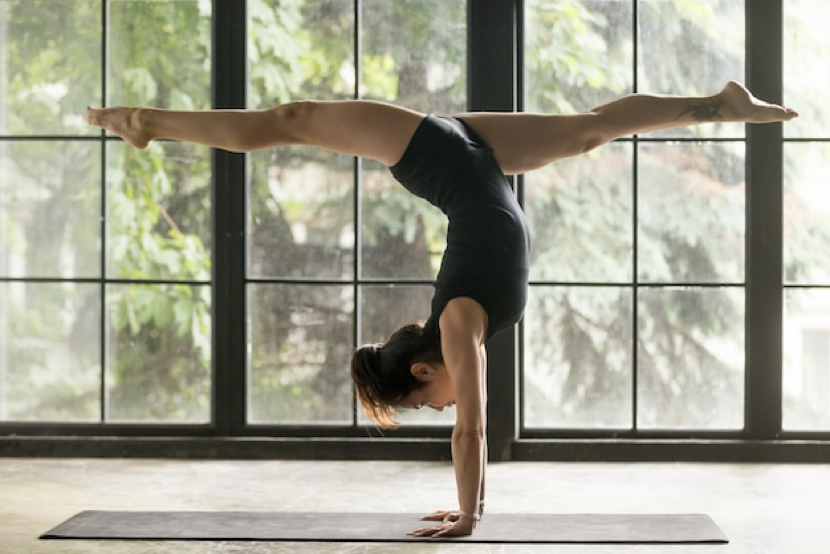
Fatigue is a common issue that many of us face on a daily basis, whether it's due to work, stress, or simply the demands of everyday life. While getting enough sleep and maintaining a healthy diet are essential for combating fatigue, there are also other effective methods that can help, such as incorporating yoga into your daily routine. Yoga is a form of exercise that combines physical postures, breathing techniques, and meditation to promote relaxation, increase flexibility, and reduce stress. Here's an easy yoga routine that you can do at home to help reduce fatigue and rejuvenate your body and mind.Start with a Warm-UpBefore beginning your yoga routine, it's important to warm up your muscles to prevent injury. Start by standing tall with your feet hip-width apart and take a few deep breaths, focusing on filling your lungs completely with air. Then, move into a gentle sun salutation sequence, which consists of a series of poses that flow smoothly from one to the next. This sequence helps to warm up your entire body and prepare you for the more challenging poses that follow.Mountain Pose (Tadasana)Begin your yoga routine with Mountain Pose, a foundational pose that promotes good posture and helps to ground and center you. Stand tall with your feet hip-width apart, toes pointing forward, and knees slightly bent. Engage your core muscles and lift your chest, feeling tall and strong. Take a few deep breaths, focusing on your breath and allowing yourself to relax into the pose.Warrior II (Virabhadrasana II)From Mountain Pose, step your right foot forward about 3-4 feet, turning your right foot out 90 degrees and your left foot in slightly. Bend your right knee, keeping your knee aligned with your ankle, and raise your arms out to the sides, parallel to the floor and shoulder-height. Look over your right hand, keeping your gaze steady. Hold for several breaths, then repeat on the other side. Warrior II helps to strengthen your legs and open your hips and chest, promoting a sense of strength and stability.Tree Pose (Vrksasana)Stand tall with your feet hip-width apart and shift your weight onto your left foot. Slowly lift your right foot and place the sole of your right foot against the inside of your left leg, either on your calf or thigh. Raise your arms above your head, palms facing each other, and focus on keeping your balance. Hold for several breaths, then repeat on the other side. Tree Pose helps to improve balance, focus, and concentration, as well as promoting calmness and relaxation.Child's Pose (Balasana)Kneel on the floor with your knees hip-width apart and your toes touching. Sit back onto your heels, then lower your torso forward, resting your forehead on the floor or a block. Extend your arms forward, palms facing down, and relax your shoulders and neck. Hold for several breaths, allowing yourself to fully relax and release any tension in your body. Child's Pose is a deeply restorative pose that helps to calm the mind and soothe tired muscles.Corpse Pose (Savasana)Lie down on your back with your legs straight and your arms at your sides, palms facing up. Close your eyes and take several deep breaths, focusing on your breath and allowing yourself to fully relax. Stay in Corpse Pose for several minutes, allowing your body and mind to unwind and rejuvenate. Corpse Pose is the perfect way to end your yoga routine, as it promotes relaxation and helps to reduce stress and fatigue.

Flying Business Class Is Not a Dream
Flying business class is something that is a dream for a lot of travelers, given the added comfort, better service, and overall pleasurable experience associated with it. But the cost can feel out of reach. But with some strategy and smart tips, you can fly business class for less than you might think.1.Book Early or Last MinuteIt’s possible — booking your flight many months in advance can often net a better deal on business class tickets. Most airlines make available only a handful of discounted seats at first. On the flip side, last-minute deals can be gold. Airlines will occasionally discount prices on the few remaining business class seats close to departure. If you have flexibility with your travel dates, your chances of finding a bargain will be that much higher.2.Travel by Using Your Frequent Flyer Miles and PointsJoin the airline loyalty programs and utilize co-branded credit cards to rack up points when you spend on daily items. Many airlines offer substantial sign-up bonuses that can add up to a business class ticket fairly quickly. Also, if you have flexible reward points like Chase Ultimate Rewards or American Express Membership Rewards, find out whether transferring points to an airline partner would yield better value than redeeming them that way.3.Discover Error Fares and Special PromotionsSometimes airlines mess up when pricing tickets, and you end up with a steeply discounted business class fare. Specialist sites such as Secret Flying and Airfarewatchdog are set up for doing this kind of work on error fares. Also, look for special promotions and sales. Airlines frequently have sales, particularly during slower travel periods where the discounts on business class tickets can be significant.4.Look for Alternate Airports and RoutesSometimes, taking off or landing at alternative airports has cheaper business class prices. If you’re heading to Europe, for instance, you might fly into a major hub like London or Frankfurt and then hop on a budget airline to your final destination. Likewise, indirect flights with layovers tend to be cheaper than non-stop routes. It can take longer, but the savings can be significant.5.Upgrade with Cash or MilesIf an outright business class ticket is just too expensive, look at buying an economy ticket and upgrading. You can offer to pay for an upgrade, or use miles to book a better seat on many airlines. Follow upgrade offers as your departure date draws closer. Airlines may reduce the cash or miles necessary to fill leftover business class seats.6.Travel in Off-Peak TimesBusiness class seat demand also varies throughout the year. The off-peak travel seasons, like late in winter or early in fall, generally come with a lower price tag. Avoiding major holidays and school vacation periods is also a good way to find cheaper fares. In addition, flights in the mid-week, compared to the weekends, are much cheaper.7.Book Through Travel Agencies and ConsolidatorsTravel agencies and ticket consolidators sometimes have access to discounted business class fares not available to the general public. These companies buy tickets in bulk and can save you a ton of money. Do your homework, though, and comparison shop — the myriad of agencies you can find online vary widely in terms of cost and quality.8.Look for Budget AirlinesCertain airlines are notorious for having lower business class fares. Airlines like Turkish Airlines, Qatar Airways, and Etihad tend to offer superb value, for example. Inspire yourself and new destination ideas through your favourite airlines. Newer airlines or airlines that expand their route offerings may also provide introductory savings to reach new customers.9.Be Flexible and PersistentHow do you get a cheap business class ticket? Monitor airline websites, create fare alerts and be prepared to book when you see a good price. If you’re flexible, to be patient and make it work, you’ll get rewarded down the line.So there we have it, with frequent flyer miles, keeping an eye out for promotions, and being flexible with your travel plans, you can score business class seats without the business class price tag.