


How to Maintain a Bike
As a convenient and environmentally friendly means of transport, bicycle is more and more attractive among people.
However, it also needs to be properly maintained. This article will detail the steps and precautions on how to maintain your bike.
1.Regular cleaning
Cleanliness is the foundation of bike maintenance. Regular cleanliness curtails dust and dirt from your bike and prevents them from causing damage to your bike. It is recommended to clean the bike at least once a week, especially after riding in rainy days and muddy roads. To clean, first rinse the surface of the bike with water, and then wipe it clean with a clean cloth. Be careful not to use cleaners containing chemicals, so as not to cause corrosion to the bike.
2.Check the tire pressure
Tire pressure is an important factor that affects bicycle running. Low or high air pressure will affect the comfort and safety of riding. Therefore, tire pressure should be checked before each ride. If tire pressure is found to be insufficient, it is necessary to replenish gas in time. At the same time, it is also necessary to regularly check the wear of the tire, if the tire wear is serious, it should be replaced in time.
3.Adjust the brake
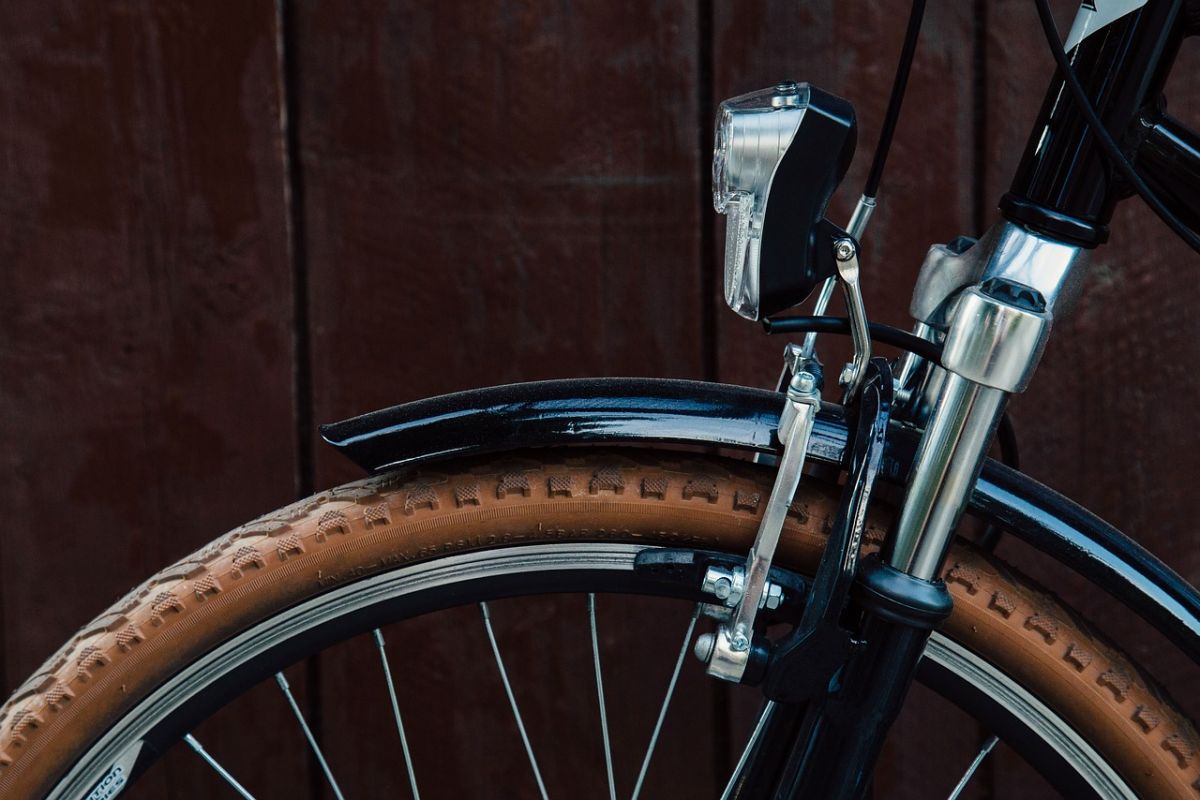
Brake is an important part to ensure riding safety. Regular check and adjustment of the brakes can ensure the sensitivity and reliability of the brakes. If it is found that the brake is not working or the adjustment is improper, it should be adjusted in time. When adjusting, it is necessary to ensure that the angle of the brake handle and the handlebar is appropriate, and the gap between the brake pad and the brake disc is moderate. At the same time, pay attention to the tightness of the brake line to prevent the brake line from being too tight or too loose.
4.Check the chain and sprocket
Chains and sprockets are a significant piece of the bike transmission framework. Customary review and cleaning of the chain and sprocket can guarantee the ordinary activity of the transmission framework. In the event that the chain or sprocket is viewed as worn or free, it ought to be supplanted or changed in time. While cleaning, wipe the chain and sprocket with a spotless fabric, don't utilize compound cleaning specialists.
5. Check the frame and wheels
The stability of frame and wheel is an important factor affecting riding comfort and safety. Regularly check the welding points and screws of the frame and wheels for loosening or damage, and repair or replace them in time if problems are found. At the same time, it is also necessary to pay attention to the stability and steering flexibility of the handlebars to ensure the comfort and safety of the ride.
6. Storage environment
The storage environment of the bicycle also has a great impact on its maintenance. It is recommended to store the bike in a dry, ventilated place, away from direct sunlight and humidity. If the bike is not used for a long time, it should be removed and wiped regularly to prevent rust and dust accumulation.
7. Regular inspection
In addition to daily maintenance, the bike should be fully inspected regularly. A full inspection can be carried out every quarter or half a year to ensure the normal operation of the various components of the bike. In the inspection, the various components should be carefully observed and tested, such as brakes, chains, tires, etc., to ensure that they are in good working condition.
In short, a bicycle’s upkeep requires daily attention and regular checks. By regular cleaning, checking the tire pressure, adjusting the brakes, checking the chain and sprocket, checking the frame and wheels, and paying attention to the storage environment, you can effectively extend the life of the bike and maintain a good riding experience. Let's take good care of our bicycles and enjoy a healthy cycling life!
Cote d’ Azur in France: The Best Coastline
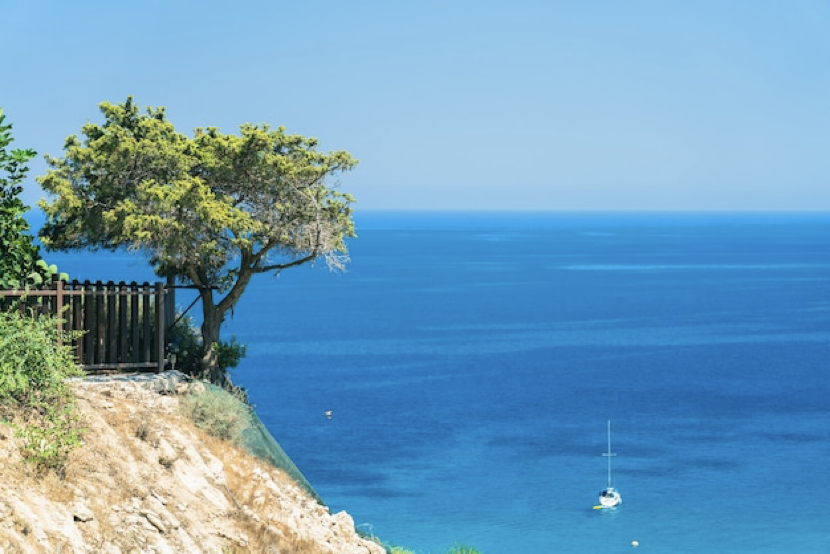
The Cote d’ Azur in France, a luminous and brilliant pearl of Mediterranean area, winds its way from Marseilles to the Italy boundary which is regarded and considered as one of the best coast lines in the world for its fascinating natural scenery, enriched cultural relic and fancy lifestyles. No matter the sun-kissed beached, old towns with long history, or the world-class arts and cultures, the Cote d’ Azur seduces and attracts visitors all over the world through its uniqueness and speciality.Natural SceneryTo begin with, the most outstanding glamour of Cote d’ Azur lies in the natural views with no doubt. One hundred and fifteen miles’ coastline, sandy but soft beach and azure but clear sea all belong to the one and only Cote d’ Azur. One famous beach is Promenade des Anglais which is the must-go resort among visitors. A seven-miles revenue near the sea and palm trees provides travelers a romantic chance to walk, enjoy the breeze and the scene. Besides, famous towns like Saint-Tropez and Cannes are also tourists attraction worth visiting. Therefore, Cote d’ Azur is an enjoyable wonderland for sunshine, beaches and sea.Cultural RelicsDespite natural scenes, Cote d’ Azur also shine in rich cultural relics. Vieux Nice offers us the chance to see constructions and buildings which were established three hundred years ago. You can learn from the old streets, colorful houses which witnessed a myriad of historic stories. As is known to all, Cannes is popular and famous with the film festival. Every May, movie stars and celebrities all over the world come here to celebrate the film’s biggest event. If you are lucky enough, you may see Oscar winners, Golden Globe winners, British Academy Film Awards winners, Screen Actors Guild Awards winners and more. Famous directors, producers, actors and actresses will greet with you face to face. Thereby, visiting Cote d’ Azur is not just for a trip, but also make you encounter the stars you like. In addition, Monaco is also a town can not be ignored because the famous Monte Carlo Casino is a place you can not miss.Arts and CultureNow let’s see how Cote d’ Azur attracts travelers in arts and culture. Picasso and Matisse are renown artists, one of the common points of them is that they both created works in Cote d’ Azur. Cote d’ Azur inspires hundreds of great men, a great quantity of art works are still reserved in the art gallery and museums in Nice. From ancient masterpieces to modern creations, you can see whatever you can imagine and can’t imagine. What’s more, numberless music and art festivals enrich the spirit of this town, for example, Nice carnival. Hope you can catch this great moment when you arrive there.ConclusionIn short, Cote d’ Azur in France is a place deserve your visit which can fulfill and reach your expectation and gratification. Don’t make heartbeat just beat all the time, move on, you can fly there just with a ticket.
Mediterranean Diet Could Safeguard Kids’ Heart Health
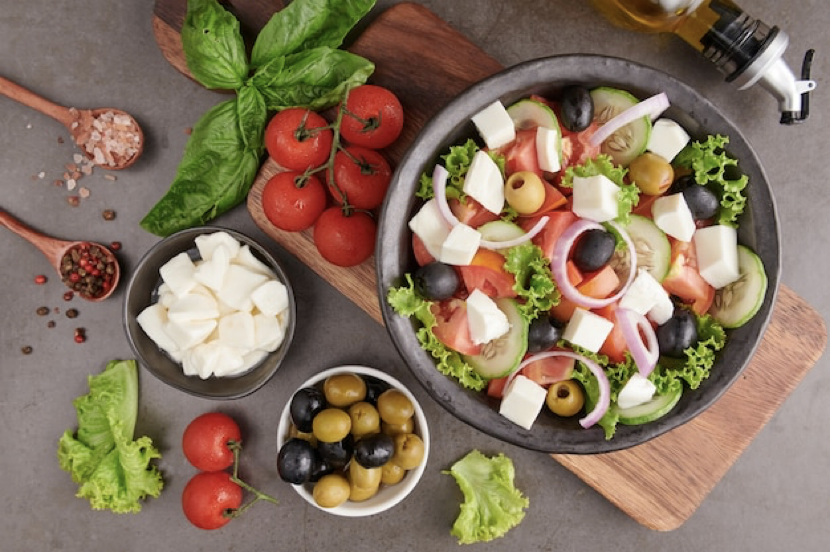
Mediterranean diet is famous for its adequacy in nutrition and health benefits, not only can it promote the heart health of adults, but also benefits the kids’ heart growth. Therefore, let’s dive into this article to figure out how parents can individualize a healthy Mediterranean diet for their kids.The glamour of Mediterranean dietThe Mediterranean diet originates from the countries locate around the Mediterranean Sea, whose basis is lots of plat food, including fresh vegetables and fruits, whole grains, legumes, nuts and seeds. In the meantime, it also contains a plenty of fish, poultry and olive oil and limits the red meat and fine processed food. This diet pattern not only offers plentiful vitamins, minerals and fibers, but also reduces the risk of blood fat, blood pressure and heart disease.Benefits of Mediterranean diet to kidsPromoting heart health: The unsaturated fatty acid can help lower the level of low density lipoprotein cholesterol, escalate the level of high density lipoprotein cholesterol in order to protect kids heart.Controlling weight: High fiber plant food can increase your sense of full, reduce extra eating, as a result, control your weight and prevent obesity.Increasing immunity: Ample vitamins and minerals can increase kids’ immunity, decrease the possibility of being infected. 4.Escalating the nurture of brains: The famous omega-3 fatty acids in fish is extremely significant to brains’ growth. Eating Mediterranean diet can promote children’s capability to study and memorize.Ways to individualize Mediterranean Diet 1.More vegetables: Make sure your children eat enough vegetables and fruits of different colors, because those food can offer all sorts of vitamins, mineral and antioxidant substances. 2.Whole grain: Whole grain food such as whole wheat bread, brown rice, oats and son on, which are filled with dietary fiber and can help intestinal peristalsis and prevent constipation. 3.Beans often: Beans are the resources of superior protein and dietary fiber, which can displace meat.Moderate nuts and seeds: There are plentiful unsaturated fatty acids and vitamin E in nuts and seeds, but one thing should not be ignored is that the moderation is key, don’t be greedy.Choose healthy oil: Olive oil is the main origin of the fat of Mediterranean diet which is full of unsaturated fatty acid and do good to health.Fish twice a week: There is no need to talk too much about the advantages of fish, omega-3 fatty acids, and more other nutrition are all beneficial for brains and hearts.Limit red meat and processed food: There are high level saturated fat and sodium in these food, which requires us to eat less.Cultivate good eating habits: Start to cultivate your children to eat a balanced diet when they are little, such as when to eat, how to eat, and what to eat. These are all bedrocks for their further health when growing up.

Step by Step Instructions to Wear a Wig
Wigs, as a fashion and practical accessory, are increasingly being used by people.However, wearing a wig is not a simple matter and requires a certain amount of skill and patience. This article will detail the steps and precautions on how to wear a wig.1.Choose the right wigIt is pivotal to pick the right hairpiece. In the acquisition of hairpieces, you need to pick as per your head type, hair quality, hairdo and different variables. By and large, material of hairpieces can be isolated into two classes: fake hair and genuine hair. The upside of counterfeit hair is that it is not difficult to deal with and the cost is generally low; The benefit of genuine hair is that it is more normal and sensible, yet the cost is higher. While picking, you can make compromises in light of your requirements and financial plan.2.Prepare tools and hairBefore wearing a wig, you need to prepare some necessary tools and hair. Tools include combs, hair clips, small black clips and gloves; When it comes to hair, you need to make sure your hair is clean, dry and oil-free. If the hair is relatively long, it is recommended to cut it short first, so that it is easier to care and wear the wig.3.The steps of wearing a wigPut the wig on your headFirst, put the wig on your head, making sure it fits your own hair. Be careful not to pull the wig too hard, so as not to damage or cause discomfort to the scalp.Adjust the wig positionAfter putting on the wig, you need to adjust its position. Use a comb or your fingers to gently comb the wig so it blends in more with your own hair. At the same time, pay attention to adjusting the Angle and position of the wig to make it look more natural.Secure with bobby pinsIn order to prevent the wig from falling off or shifting, hair clips can be used to secure it. When fixing, be careful not to pull the hair excessively, so as not to cause pain or damage.Tidy up the detailsFinally, tidy up the details of the wig. Check if there are warped or uneven areas, and use a comb or fingers to gently comb it to make it look more natural and realistic.
Ceuta: The Spanish Territory in North Africa
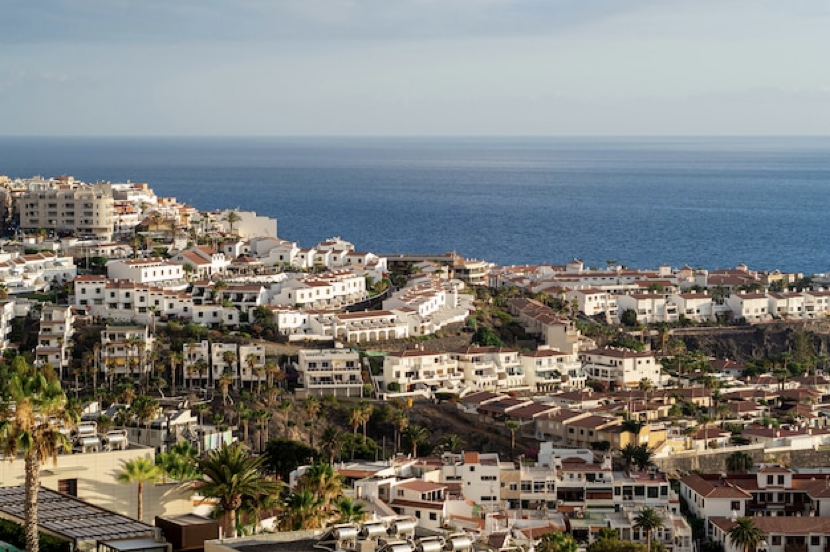
A small sliver of land on the north coast of Africa, Ceuta is one few remaining remnants (along with another Spanish enclave there and some islands off Morocco) from centuries when Europe's reach extended into Africa. A castle in the desert, Ceuta steeps itself not just in its geographical splendor but also a cacophony of cultural influences which all together had been woven through centuries into an autonomous city.Location of CeutaCeuta is on the Strait of Gibraltar, sharing a 6.4-mile border with Morocco to its south and east, while facing Spain across the sea to its north; it also lies near European transshipment routes for many sub-Saharan migrants that have climbed over or swum into Ceuta from May 2001 through August 2015. The enclave measures just 18.5 square kilometers, so it is one of the smallest territories in Spain. Ceuta, due to its location is rather small but that´s no less strategic which explains the many empires who wanted Ceuta.History of CeutaCeuta has a long and turbulent historical past. This city, which was founded by the Phoenicians and later became a Roman colony. Subsequently (and over the next 230 years), it was seized by vandals, who were then followed by the Byzantines before coming under control of Islamic Umayyad dynasts. It became an important center of trade and culture under the Moorish domination. The Portuguese gained official control over Ceuta in 1415, through the Reconquista, though it was taken by Spain from Portugal in 1580 and never again returned to its original owner.Ceuta became a Spanish territory after the signing of Treaty of Fez with Morocco in 1906. This makes Spain, the Spanish Government as an essential part of Western Europe convicted country Ceuteser colony. The outcome has been a specialization: Ceuta is not only Europe's doorstep, but also sparks controversy regarding international relations between Spain and Morocco.Culture of CeutaIn terms of culture, its aesthetic is an amalgamation of Spanish, Moroccan and Andalusie. Official languages are Spanish and Tarifit, which belongs to the Berber group of dialects indigenous in Rif. Similarly, the architecture of Ceuta shows this mix with an old town (the, in the typical Moroccan style) and new areas having European influences.Ceuta is an economic free port that no duties of any kind are performed, as well reflects business and trade from around the world. Given the unique position of Schengen, it is also an essential crossroads in Europe for imports and exports between both continents. A tourism hub, the city enjoys a popular seaside and offers historical locations while also serving as unique Spanish exclave in Africa.But Ceuta, which is a Spanish territory on the north coast of Africa, has faced its share of problems. Its border with Morocco has long been a source of tension, and frequently the focus of disputes over migration and smuggling. In modern times, Ceuta has presented a special challenge but it is also prove of an implicit policy in which Spain remains one finger on Africa with Tanger as nowadays the gateway to EuropeConclusionTo conclude, Ceuta is a unique example of the interplay between history, geography and culture in shaping an unusual territory. Eladio attests that hindsight is powerful: The fact that Ceuta remains a Spanish city in North Africa today upon reflecting shows the power of history, and, by default, it makes international politics so complex. Ceuta sits on a sprawling continent, where humanity and history are at large even within the rigid boundaries of territory — ever in flux as she made more so.

Navigating College Life: Some Mental Health Tips for Students
As the leaves turn golden and summer draws to a close, a new chapter begins for many young adults across the country. College is a time of excitement, growth, and self-discovery, but it can also be a period of stress and uncertainty. For parents with children heading off to college, ensuring their mental well-being is paramount. Here are five essential tips to help students manage their mental health during this transformative time.Establish a RoutineThe transition from high school to college often comes with a newfound sense of freedom. While this freedom is exhilarating, it can also lead to irregular sleep patterns, poor diet, and skipped classes if not managed properly. Establishing a routine that includes regular sleep, healthy meals, and dedicated study times can provide a foundation for emotional stability and academic success.Encourage Open CommunicationMaintaining open lines of communication is crucial for students' mental health. Parents should encourage their children to share their feelings, concerns, and experiences without judgment. This can help students process their emotions and feel supported. Regular check-ins, whether through phone calls, video chats, or text messages, can provide a lifeline for students navigating new challenges.Promote Self-CareSelf-care is essential for mental health, yet it's often overlooked in the hustle of college life. Encourage your student to engage in activities they enjoy and that help them relax. This can include exercise, meditation, hobbies, or simply taking time to unwind with a favorite book or movie. Remind them that it's okay to take breaks and prioritize their well-being.Seek Professional Help When NeededCollege campuses often offer counseling services that provide mental health support to students. If your child is struggling with stress, anxiety, or depression, encourage them to seek help from these professionals. Early intervention can be key to managing mental health issues and can provide students with coping strategies for the challenges they face.Foster a Support NetworkEncourage your student to build a support network at college. This can include friends, roommates, mentors, and professors. A strong support network can provide emotional support, practical advice, and a sense of belonging. Joining clubs, participating in campus activities, or studying in groups can help students connect with others who share their interests.