


Instructions to Buying Yoga Clothes
While rehearsing yoga, a bunch of agreeable and fit yoga garments is fundamental. This article will furnish you with a definite manual for purchasing yoga garments, so you can make it simpler to purchase yoga garments.
1. Material selection
The material of yoga clothing has a crucial and significant impact on its air permeability, comfort and durability. Generally speaking, the main materials of yoga clothing are pure cotton, polyester, modal and so on. Pure cotton yoga clothes have good humidity inhalation, but are easy to wrinkle; Polyester yoga clothing has good wear resistance, but poor air permeability; Modal material yoga clothing is both hygroscopic and breathable, comfortable to wear, suitable for yoga this high-intensity, high-humidity exercise.
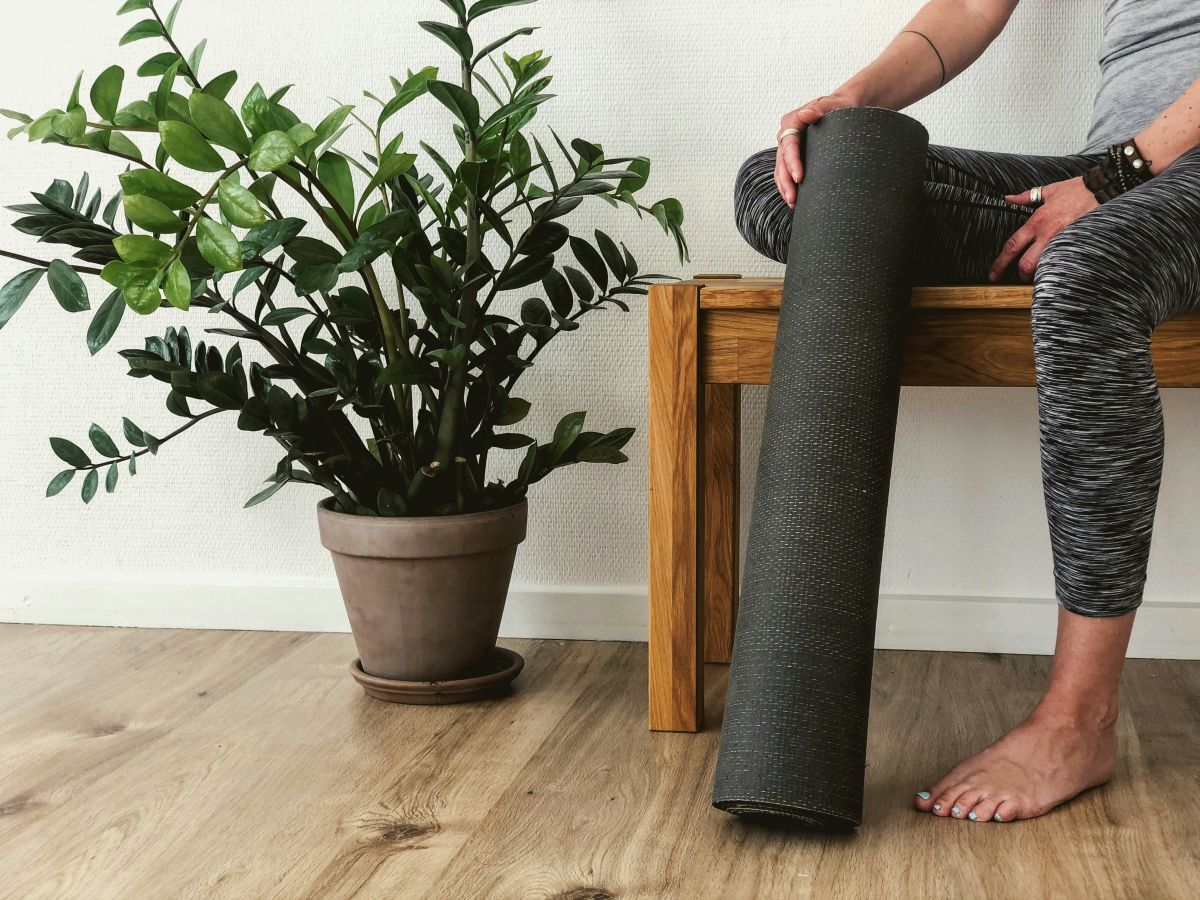
2. Fit degree and elasticity
When choosing yoga clothing, fit and elasticity are also very important and essential factors. The right fit allows you to be more cozy and easeful in the movement, and enough elasticity allows you to stretch without bondage. Therefore, it is recommended to choose yoga clothes with high fit and good elasticity, so that you can not only better show your movements, but also improve and enhance your practice effect.
3. Length and leg design
The length and leg design of yoga clothing also have a great impact on its overall effect. In general, the length of yoga clothes should be just above the navel, so that you can better show the proportion of your figure. Pant leg design should be selected according to the individual leg type, straight or loose design can make you more comfortable in the movement, and tight design can better show your muscle line.
4. Brand and price
When choosing yoga clothing, brand and price are also factors to consider. Yoga clothing from well-known brands are usually more guaranteed in design, but they are also relatively expensive. If your requirements for yoga clothing are not particularly high, you can also choose some brands or styles that are more cost-effective. However, no matter which brand of yoga clothing you choose, you should pay attention to whether its quality and comfort meet your needs.
5.Try on and adjust
When buying yoga clothes, trying them on is an essential step. When trying on, pay attention to check the fit and elasticity of yoga clothes, as well as whether the length and pant leg design meet their needs. If there is a need to adjust the place, you can consult the clerk or adjust yourself. In addition, if you often practice yoga, it is recommended to buy several sets of different colors and styles of yoga clothes to enrich their practice experience.

6.Pay attention to maintenance and cleaning
Finally, after buying yoga clothes, you also need to pay attention to maintenance and cleaning. Proper maintenance and cleaning methods can extend the service life of yoga clothes and maintain their comfort and beauty. It is recommended to follow the cleaning method provided by the brand and avoid using bleach or high temperature washing. In addition, the storage of yoga clothes should avoid folding or squeezing, it is best to use a special suspension rack for storage.
In short, purchasing a reasonable arrangement of yoga garments is vital to work on the impact and solace of yoga practice. While purchasing, focus on the material, fit and versatility, length and leg configuration, brand and cost. By fitting and changing, as well as appropriate support and cleaning, you can find the most reasonable yoga garments for yourself, and better partake in the physical and mental joy brought by yoga.

All You Need to Know for Choosing the Right Pillow
First, we need to be clear about the importance of pillows. Pillows are not just simple tools used to support our heads, but also a key factor affecting the quality of our sleep. A suitable pillow can fit the curve of our neck, reduce the pressure on the cervical spine, and help us maintain the correct posture during sleep, thereby reducing the various health problems caused by improper sleeping posture.However, in real life, many families tend to focus only on surface factors such as appearance, material or price when choosing pillows, ignoring their true functionality and comfort. As a result of this blind selection, the pillow often does not match the curve of our neck, thus putting unnecessary pressure on the cervical spine during sleep. In the long run, this stress will not only affect the quality of our sleep, but also may lead to cervical pain, headaches and other health problems.So why do so many families choose the wrong pillow? There are several main reasons for this:One is the lack of relevant knowledge. Many people's understanding of the pillow is limited to its appearance and material, and the understanding of its functionality and comfort is little. This makes them often unable to make correct judgments according to their needs and actual situations when choosing pillows.The second is the pursuit of trends and fashion. In today's society, fashion and trends influence people everywhere. When choosing a pillow, some families are often attracted by its appearance and popular elements, while ignoring its actual functionality and comfort.Third, is the price factor. For some families, price is an important factor to consider when choosing a pillow. However, a low price does not necessarily mean high-costperformance. Some inexpensive pillows may have defects in material, process and functionality, and long-term use may cause adverse health effects.

How to Maintain a Bike
As a convenient and environmentally friendly means of transport, bicycle is more and more attractive among people.However,it also needs to be properly maintained. This article will detail the steps and precautions on how to maintain your bike.1.Regular cleaningCleanliness is the foundation of bike maintenance. Regular cleanliness curtails dustand dirt from your bike and prevents them from causing damageto your bike. It is recommended to clean the bike at least once a week, especially after riding in rainy days and muddy roads. To clean, first rinse the surface of the bike with water, and then wipe it clean with a clean cloth. Be careful not to use cleaners containing chemicals, so as not to cause corrosion to the bike.2.Check the tire pressureTire pressure is an important factor that affects bicycle running. Low or high air pressure will affect the comfort and safety of riding. Therefore, tire pressure should be checked before each ride. If tire pressure is found to be insufficient, it is necessary to replenish gas in time. At the same time, it is also necessary to regularly check the wear of the tire, if the tire wear is serious, it should be replaced in time.3.Adjust the brakeBrake is an important part to ensure riding safety. Regular check and adjustment of the brakes can ensure the sensitivity and reliability of the brakes. If it is found that the brake is not working or the adjustment is improper, it should be adjusted in time. When adjusting, it is necessary to ensure that the angle of the brake handle and the handlebar is appropriate, and the gap between the brake pad and the brake disc is moderate. At the same time, pay attention to the tightness of the brake line to prevent the brake line from being too tight or too loose.

Fluoride in Water: Preventing Cavities or Posing Health Risks?
Fluoride, a mineral found naturally in water, soil, and various foods, has been a topic of debate for decades, particularly regarding its use in public water supplies. While many studies indicate that fluoride effectively reduces dental cavities, concerns about potential health risks have also emerged.The Benefits of FluorideFluoride possesses the capability to enhance the teeth enamel, which means there is no chance for decayed teeth to grow. After taking or applying fluoride, it will melt into your teeth, cross every crack of your teeth and finally become a part of your teeth. This process can prevent the corrosion from dental plaque bacteria and sugar in the mouth. Quite a few researches show that dental caries incidence is much lower in those who drink fluorinated water.US Center of Disease Control and Prevention reported that the study that fluoride in water can prevent cavities is one of the most successful public health achievement in the 20th century. And it also mentioned in its official website that fluoride can reduce the lifelong caries incidence among no matter children or adults almost 25%. Thereby, making full use of the fluoride in water is quite useful for the people who have limited chances to access medical and dental protection. In this case, this makes fluoride an important public health advance in the prevention of tooth decay.The Health Risks of FluorideAlthough fluoride is proved to be actually conducive to your teeth, its adjunction in public water arouses residents’ worries on its potential health risks. One of the most important problem is dental fluorosis which is a allochromatic symptom caused by touching excessive fluoride in childhood. Although fluoride teeth just affect your appearance and do no harm, severe fluoride teeth will make us painful and bitter.Except for dental fluorosis, more studies show the fluoride do have some potential relations with other health problems. High concentrations of fluorine brings adverse impacts to bone health and even make the opportunities of fracture rise. Besides, there are also some worries on thyroid function, for extra fluoride interferes synthesis of the thyroid hormone which plays a crucial role in the metabolism.Balancing Benefits and RisksHowever, these undisputed benefits of fluoride for cavity prevention must still be carefully weighed against legitimate risks when debating fluoride levels in drinking water. The yardstick of around 0.7 parts per million (ppm) has been speared for us by public health authorities such as the Centres for Disease Control and the American Dental Association, who said that this is a safe and effective treatment for the teeth.The emergence of fears about the dangers of fluoride has led to communities examining their positions on the chemical's presence. A few locations in the United States right now are debating whether or not to continue adding fluoride to their water supplies, echoing wider concerns in the public. More often than not, this move is because they are increasingly seeking a more natural water supply and have worries about mass medication of the population without individual consent.

Chronic Insomnia: Exploring Solutions for a Restful Sleep
Characterized as a constant trouble nodding off or staying unconscious, chronic insomnia can significantly affect one's personal satisfaction, influencing actual well being, mental prosperity, and generally speaking efficiency.In this article, we will dig into the details of chronic insomnia.Understanding Chronic InsomniaChronic insomnia is a complex condition with various underlying causes:1. Mental Elements: Stress, tension, wretchedness, and other mental issues can upset rest designs and add to persistent sleep deprivation. Dashing contemplations, stress, and a failure to unwind can make it challenging to nod off or keep up with rest over the course of the evening.2. Way of life Elements: Unfortunate rest cleanliness, sporadic rest plans, unreasonable caffeine or liquor utilization, and absence of active work can all add to persistent sleep deprivation. Unfortunate things to do and an imbalanced way of life can disturb the body's regular rest wake cycle.3. Ailments: Persistent agony, respiratory problems, hormonal irregular characteristics, and neurological circumstances like a propensity to fidget can fundamentally influence rest quality and add to ongoing sleep deprivation.The Consequences of Chronic InsomniaChronic insomnia can have wide-ranging consequences for an individual's physical and mental well-being:1. Daytime Weariness and Disabled Mental Capability: Lacking rest prompts daytime weakness, diminished readiness, and hindered mental capability. Focus, memory, critical thinking skills, and generally speaking efficiency might be unfavorably impacted.2. Mind-set Problems: Ongoing sleep deprivation is firmly connected to the improvement of temperament issues like gloom and nervousness. Lack of sleep upsets the guideline of synapses in the cerebrum, adding to close to home precariousness and worsening existing psychological wellness conditions.3. Expanded Hazard of Ongoing Ailments: Delayed lack of sleep is related with an expanded gamble of creating persistent ailments, including cardiovascular illness, corpulence, diabetes, and compromised insusceptible capability.4. Impeded Personal satisfaction: The steady battle to get satisfactory rest can prompt a diminished personal satisfaction. People with ongoing sleep deprivation might encounter decreased pleasure in everyday exercises, stressed connections, and a lessened feeling of by and large prosperity.

Ways to Help an Anxious Child with Bedtime
Bedtime can be a challenging time for many children, especially those who experience anxiety. The transition from the day's activities to a quiet, dark room can trigger fear and worry, making it difficult for them to settle down. As a parent or caregiver, understanding how to support an anxious child during bedtime is crucial for their emotional well-being and overall development. Here are some effective strategies to help ease your child's bedtime anxiety.Create a Calming Bedtime RoutineEstablishing a consistent, calming bedtime routine is one of the most effective ways to help an anxious child. Routines provide a sense of security and predictability, which can significantly reduce anxiety.1. Set a Regular Schedule: Aim for the same bedtime each night, allowing your child to wind down at a consistent hour. This helps regulate their internal clock and makes falling asleep easier.2. Incorporate Relaxation Activities: Include calming activities such as reading a story, listening to soft music, or practicing deep breathing exercises. These activities can help signal to your child that it’s time to relax.3. Limit Screen Time: Reduce exposure to screens at least an hour before bed. The blue light emitted by devices can interfere with the production of melatonin, the hormone responsible for sleep. Instead, opt for low-light activities.Address Fears and ConcernsAnxiety often stems from fears that children may not fully understand or articulate. Taking the time to talk to your child about their worries can help alleviate their anxiety.1. Open Communication: Encourage your child to express their feelings. Create a safe space where they feel comfortable sharing their fears. Approach these conversations with empathy and without judgment.2. Validate Their Feelings: Let your child know that it’s okay to feel scared or anxious. Validating their feelings helps them feel understood and less isolated in their experiences.3. Problem-Solve Together: If your child expresses specific fears, work together to find solutions. For example, if they are afraid of the dark, consider using a nightlight or leaving the door slightly open.Use Comfort ObjectsMany children find comfort in having a special object nearby during bedtime. This can provide a sense of security and help ease anxiety.1. Stuffed Animals or Blankets: Encourage your child to choose a favorite stuffed animal or blanket to sleep with. These items can serve as emotional support and help them feel more secure.2. Create a “Worry Box”: If your child has worries that keep them awake, create a worry box where they can write down their thoughts before bed. This physical act of putting their worries away can be therapeutic.Encourage IndependenceFostering a sense of independence can help reduce anxiety around bedtime. Empowering your child to take control of their bedtime routine can increase their confidence.1. Involve Them in Decisions: Let your child choose their pajamas, bedtime story, or even the order of their routine. This involvement fosters a sense of ownership and control.2. Gradual Separation: If your child struggles with separation anxiety, try gradually reducing the time you spend in the room. Start by sitting with them until they fall asleep, then slowly move further away each night.3. Positive Reinforcement: Celebrate small successes. If your child stays in bed for a certain period or falls asleep without calling for you, offer praise or a small reward to reinforce their progress.Be Patient and ConsistentFinally, patience and consistency are key when helping an anxious child with bedtime. Anxiety may not resolve overnight, and it’s important to remain supportive throughout the process.1. Stay Calm and Reassuring: Your demeanor can influence how your child feels. Stay calm, reassuring, and consistent in your approach, even if they resist initially.2. Reassess and Adjust: If certain strategies aren’t working, be open to reassessing your approach. Every child is different, and what works for one may not work for another.3. Seek Professional Help if Needed: If your child’s anxiety is severe or persists despite your efforts, consider consulting a child psychologist or counselor. Professional support can provide additional strategies tailored to your child's needs.