


How to Maintain a Bike
As a convenient and environmentally friendly means of transport, bicycle is more and more attractive among people.
However, it also needs to be properly maintained. This article will detail the steps and precautions on how to maintain your bike.
1.Regular cleaning
Cleanliness is the foundation of bike maintenance. Regular cleanliness curtails dust and dirt from your bike and prevents them from causing damage to your bike. It is recommended to clean the bike at least once a week, especially after riding in rainy days and muddy roads. To clean, first rinse the surface of the bike with water, and then wipe it clean with a clean cloth. Be careful not to use cleaners containing chemicals, so as not to cause corrosion to the bike.
2.Check the tire pressure
Tire pressure is an important factor that affects bicycle running. Low or high air pressure will affect the comfort and safety of riding. Therefore, tire pressure should be checked before each ride. If tire pressure is found to be insufficient, it is necessary to replenish gas in time. At the same time, it is also necessary to regularly check the wear of the tire, if the tire wear is serious, it should be replaced in time.
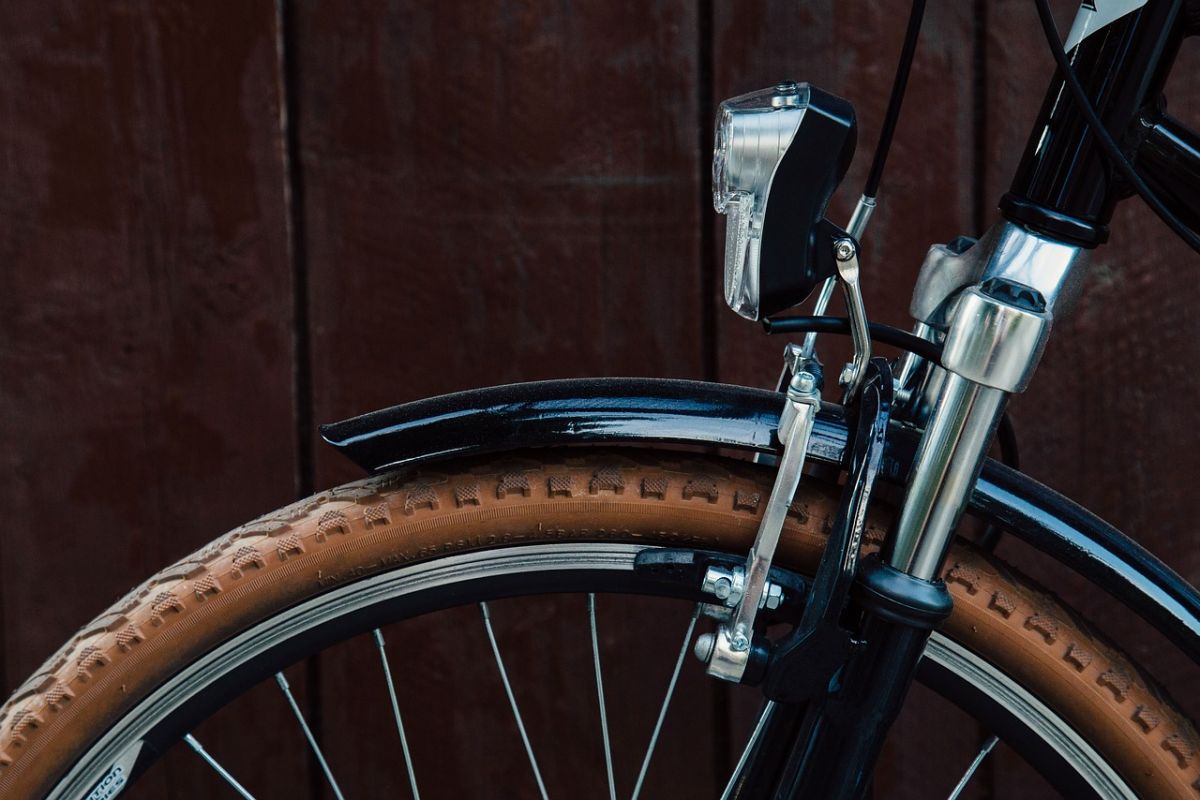
3.Adjust the brake
Brake is an important part to ensure riding safety. Regular check and adjustment of the brakes can ensure the sensitivity and reliability of the brakes. If it is found that the brake is not working or the adjustment is improper, it should be adjusted in time. When adjusting, it is necessary to ensure that the angle of the brake handle and the handlebar is appropriate, and the gap between the brake pad and the brake disc is moderate. At the same time, pay attention to the tightness of the brake line to prevent the brake line from being too tight or too loose.
4.Check the chain and sprocket
Chains and sprockets are a significant piece of the bike transmission framework. Customary review and cleaning of the chain and sprocket can guarantee the ordinary activity of the transmission framework. In the event that the chain or sprocket is viewed as worn or free, it ought to be supplanted or changed in time. While cleaning, wipe the chain and sprocket with a spotless fabric, don't utilize compound cleaning specialists.
5. Check the frame and wheels
The stability of frame and wheel is an important factor affecting riding comfort and safety. Regularly check the welding points and screws of the frame and wheels for loosening or damage, and repair or replace them in time if problems are found. At the same time, it is also necessary to pay attention to the stability and steering flexibility of the handlebars to ensure the comfort and safety of the ride.

6. Storage environment
The storage environment of the bicycle also has a great impact on its maintenance. It is recommended to store the bike in a dry, ventilated place, away from direct sunlight and humidity. If the bike is not used for a long time, it should be removed and wiped regularly to prevent rust and dust accumulation.
7. Regular inspection
In addition to daily maintenance, the bike should be fully inspected regularly. A full inspection can be carried out every quarter or half a year to ensure the normal operation of the various components of the bike. In the inspection, the various components should be carefully observed and tested, such as brakes, chains, tires, etc., to ensure that they are in good working condition.
In short, a bicycle’s upkeep requires daily attention and regular checks. By regular cleaning, checking the tire pressure, adjusting the brakes, checking the chain and sprocket, checking the frame and wheels, and paying attention to the storage environment, you can effectively extend the life of the bike and maintain a good riding experience. Let's take good care of our bicycles and enjoy a healthy cycling life!

A Comprehensive Guide to Choosing Athletic Apparel
Choosing the right athletic apparel is crucial for both comfort and performance during physical activities.With the plethora of options available in the market, it can be overwhelming to select the perfect outfit. In this comprehensive guide, we will explore the key factors to consider when choosing athletic apparel and provide valuable insights to help readers make informed decisions.Fabric Selection: Performance and ComfortThe choice of fabric plays a significant role in athletic apparel. Look for moisture-wicking and breathable materials such as polyester blends or merino wool for activities that induce sweat. For cold weather, opt for insulating fabrics like fleece or thermal compression wear. Always prioritize comfort and flexibility without compromising on performance.Fit and Functionality: Finding the Perfect BalanceThe fit of athletic apparel should provide freedom of movement while maintaining a snug and supportive feel. Consider the specific requirements of the activity – for example, loose-fitting clothing may be preferred for yoga, while compression wear is beneficial for high-intensity workouts. Additionally, check for features such as reflective elements for night runs, and pockets for storage during long hikes or runs.Layering is essential for adapting to changing weather conditions and regulating body temperature during physical activities. Start with a moisture-wicking base layer, add insulating layers for warmth, and finish with a waterproof and breathable outer shell for protection against the elements. This strategy allows for easy adjustment as the body heats up or the weather shifts.
Top Luxury Subcompact SUVs in 2025
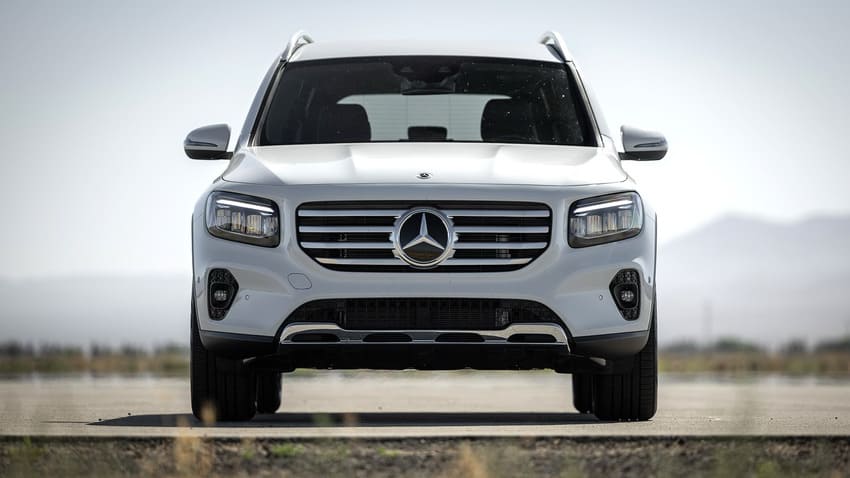
The luxury subcompact SUV segment is one of the rising stars of the automotive industry, bringing together stylish looks, ample performance, and everyday usability to make it easily one of the best automobiles for weekend warriors and urban explorers. And as we face forward to 2025, auto manufacturers are continuing to push the innovation envelope with new nameplates and upgrades to existing vehicles incorporating the latest technology, high-end materials and impressive performance. Here’s a rundown of some top luxury subcompact SUVs to look out for in the future.1. 2025 BMW X1Price: $42,125The 2025 BMW X1 continues to shine in the luxury subcompact SUV segment, offering up BMW’s signature driving dynamics in a roomy and tech-forward interior. The new version has a different look, with a more aggressive front grille and slick LED lighting. The X1 also features a turbocharged 2.0-liter four-cylinder under the hood that makes 241 horsepower and provides rousing performance. The cabin gets treated to high-end materials, a curved dual-screen display and the latest iDrive infotainment system. So there you have it, one of the best out there in 2025, due to its excellent mix of luxury and sportiness.2. 2025 Audi Q3Price: $38,695The 2025 model takes Audi’s Q3 a step further for something that’s long been popular among luxury subcompact SUV buyers. The exterior design comes more refined threads than the previous, sharper lines and a striking Singleframe grille. The Q3 uses a turbocharged 2.0-liter engine with an 8-speed automatic transmission to produce 228 horsepower with good fuel economy. Inside, the tech-lover’s dream — Audi’s Virtual Cockpit, a large touchscreen infotainment system and high-end leather upholstery. With a blend of style, technology and performance the 2025 Q3 is a serious player.3. 2025 Volvo XC40Price: $41,945If buyers are eco-conscious, the 2025 Volvo XC40 works. This all-electric luxury subcompact SUV boasts a range of up to 260 miles on a full charge and provides instant torque and smooth acceleration. The XC40 showcases Volvo’s Scandinavian minimalist design language, with a well-equipped, spacious cabin with sustainable materials. It uses Google's Android Automotive OS to power the infotainment system, which delivers tight Google apps and services integration. The XC40 has strong eco-credentials matched with a feeling of luxury that makes it our favourite 2025 choice.4. 2025 Mercedes-Benz GLB-ClassPrice: $46,950As unusual as it is impressive, the 2025 Mercedes-Benz GLB-Class remains a compact luxury SUV with high versatility. The GLB is a good pick for small families because it offers an optional third row of seats, unlike a lot of its subcompact SUV competitors. Bold, muscular exterior, and a luxury interior with high-end materials and features such as the MBUX infotainment system. A turbocharged 2.0-liter powers the GLB with 221 horsepower, while an AMG-tuned version offers more performance for those interested. Practical with a premium take on the compact SUV, the GLB is a standout for 2025.5. 2025 Cadillac XT4Price: $41,990The Cadillac XT4 in its upcoming '25 model year debut promises to be a breakthrough hit with its tonsilful appearance and haute features. For a turbocharged and responsive driving experience, there's a turbocharged 2.0-liter engine that delivers 235 horsepower. Its interior is spacious and luxurious, featuring premium materials, advanced tech features, and an easy-to-use infotainment system. Cadillac's Super Cruise system for (mostly) hands-free driving on compatible highways is also a hallmark of the XT4. The 2025 XT4 is a formidable competitor in the segment with its zesty combination of luxury, technology, and performance.The luxury compact SUV segment is more competitive than ever, and automakers have a level of choice suitable to their tastes and lifestyle. These cars serve as both the height of luxury and the forefront of innovation — making these the best buys for those best buyers here through 2024. In conclusion, as the segment continues to grow and evolve, one fact rings true, luxury subcompact SUVs are not going anywhere, and for good reason.

Tailoring Fitness and Nutrition: Why Women Need a Different Way
When it comes to health and wellness, the adage "one size fits all" simply doesn't apply. Men and women have different physiological makeups, hormonal balances, and health needs, which means that their approaches to exercise and nutrition should be distinct. Understanding these differences is crucial for optimizing health outcomes and achieving fitness goals.The differences between men and women extend beyond the obvious physical characteristics. Women tend to have higher body fat percentages, different muscle distributions, and unique nutritional needs due to their menstrual cycles, childbearing capabilities, and hormonal fluctuations. This article delves into why women need to exercise and eat differently than men and provides guidance on how to do so effectively.Energy Requirements and Macronutrient BalanceWomen generally have lower energy requirements than men due to differences in size and muscle mass. However, the quality of calories consumed is just as important, if not more so. Women should focus on a balanced diet that includes:Protein: Essential for muscle repair and maintenance, but also crucial for hormone production and bone health.Fiber: Supports digestion, heart health, and blood sugar control.Healthy Fats: Necessary for hormone production and can help regulate appetite.Hormonal ConsiderationsWomen's hormonal cycles can significantly impact their energy levels, mood, and body composition. Consuming a diet rich in complex carbohydrates, lean proteins, and healthy fats can help stabilize blood sugar levels and minimize mood swings associated with hormonal fluctuations.Bone HealthWomen are at a higher risk of developing osteoporosis due to lower bone density. Weight-bearing exercises such as walking, jogging, and resistance training can help strengthen bones. Additionally, a diet rich in calcium and vitamin D is essential for maintaining bone health.Cardiovascular HealthWhile both men and women can benefit from cardiovascular exercise, women may need to focus more on low-impact activities to protect against joint injuries. Swimming, cycling, and elliptical training are excellent options that provide heart-healthy benefits without excessive stress on the joints.Strength TrainingStrength training is essential for women to combat age-related muscle loss and improve overall metabolism. However, women may benefit from a higher focus on full-body, compound exercises that target multiple muscle groups at once, such as squats, lunges, and deadlifts.Flexibility and BalanceAs women age, maintaining flexibility and balance becomes increasingly important to prevent injuries and improve overall quality of life. Incorporating yoga, Pilates, or regular stretching into a fitness routine can significantly improve flexibility and core strength.Nutritional TimingWomen may need to pay closer attention to nutritional timing, especially if they are engaging in intense workouts or sports. Replenishing glycogen stores post-workout and consuming protein to aid muscle recovery is crucial.Prenatal and Postnatal CareFor women who are pregnant or nursing, nutritional needs change dramatically. It's vital to consume adequate calories, protein, and essential nutrients like folic acid, iron, and calcium to support both maternal and fetal health.

Women at Work: Gains in Leadership Roles, But Catching Up to Men Could Take Decades
In recent years, there has been a noticeable shift in the corporate landscape as more women ascend to leadership roles. However, despite these gains, a new report suggests that true gender parity in leadership positions may still be decades away. This article explores the progress women have made in the workplace, the challenges they continue to face, and the implications of these findings for future generations.The Progress MadeThe past decade has seen significant strides for women in the workplace. According to data from the World Economic Forum's "Global Gender Gap Report 2023," women now hold 31.4% of senior management positions globally, up from 24% in 2015. This increase is a testament to the growing recognition of the value women bring to leadership roles, as well as the efforts of organizations to promote gender diversity. In the United States, the percentage of women in senior management roles has risen to 42%, according to a report by Catalyst. Additionally, women now make up nearly 30% of board members at Fortune 500 companies, a significant improvement from the 16% recorded in 2010. These numbers indicate that companies are increasingly prioritizing gender diversity in their leadership teams.The Challenges RemainingDespite these encouraging trends, the road to gender parity in leadership roles remains long and fraught with challenges. One of the most significant obstacles is the persistent gender pay gap. According to the Institute for Women's Policy Research, women in the United States earn 82 cents for every dollar earned by men, a disparity that widens for women of color. This pay gap not only affects women's financial security but also their ability to advance in their careers.Another challenge is the "glass ceiling" phenomenon, where women hit an invisible barrier that prevents them from reaching the highest levels of leadership. This is often due to systemic biases and stereotypes that favor men in leadership roles. For example, women are frequently perceived as less competent or less committed to their careers than men, which can hinder their advancement.Moreover, the COVID-19 pandemic has disproportionately affected women in the workforce. Many women, particularly those in leadership roles, have had to juggle increased caregiving responsibilities while continuing to work, leading to burnout and career setbacks. This "she-cession" has exacerbated existing inequalities and set back progress in gender parity.The Timeframe for Catching UpThe new report, which combines data from various sources, estimates that it could take up to 132 years to achieve gender parity in leadership roles. This staggering figure highlights the magnitude of the challenges women face and underscores the need for sustained efforts to address these issues.The report identifies several key factors that contribute to this slow progress. First, the pipeline of women entering leadership roles is still not sufficient to match the number of men. While more women are entering the workforce, they are not always progressing to the highest levels of leadership. Second, the retention of women in leadership roles is a significant issue. Many women leave their jobs due to lack of support, work-life balance challenges, and the inability to advance.Implications for the FutureThe findings of this report have profound implications for the future of work and gender equality. If current trends continue, it could take generations for women to achieve true parity in leadership roles. This not only affects women but also has broader economic and social consequences.Gender diversity in leadership has been shown to improve organizational performance, innovation, and decision-making. Companies that fail to promote gender diversity may miss out on these benefits and risk falling behind their more inclusive competitors. Additionally, the lack of gender parity in leadership perpetuates systemic inequalities that affect all aspects of society, from education to healthcare to politics.Moving ForwardTo accelerate progress towards gender parity in leadership, several actions are necessary. First, companies must prioritize gender diversity in their hiring and promotion practices. This includes setting clear targets for the representation of women in leadership roles and holding leaders accountable for achieving these targets.Second, organizations need to create supportive environments that enable women to thrive in leadership roles. This includes providing flexible work arrangements, mentorship programs, and leadership development opportunities. Companies should also address the root causes of gender bias and discrimination through training and awareness initiatives.
Container Homes: A Modern Housing Revolution
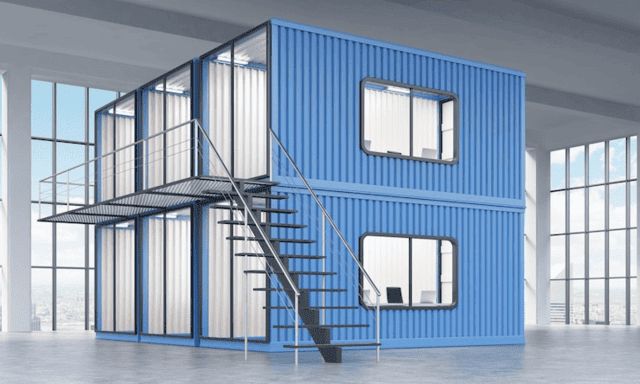
There are smart homes and then there are shipping containers that have been converted into homes, and this installation brings both of these concepts into one sexy green package. But as with any housing option, they present their own host of issues and challenges.Advantages1.Eco-friendlinessThese out-of-the-box abodes use retired shipping containers, sparing the need for conventional building materials such as bricks and wood which would otherwise be used to build homes, and thus having a positive effect on the environment. And because containers are modular, you can create some very fun and space-saving designs, all made to your specifications.2.Cost-effectivenessContainer homes tend to cost you less financially than traditional houses, and that's very much due to the cost of materials. The steel construction of shipping containers is strong and able to hold up to harsh weather and these structures require less maintenance over the years. What’s more, construction is often speedier due to the fact that the basic framework is there already, containers just need modifying and stacking on top of each other.3.Mobility and FlexibilityThese homes will appeal to anyone looking for a minimalist or nomadic lifestyle, but will also be suitable to become remodeled to be portable so the owner can move, but not have to leave their dwelling. This is especially attractive to Digital Nomads, Adventurers, and people needing temporary housing.Things to Consider Before Building a Container Home1.Local Codes and PermitsContainer homes are not code in every place. In some jurisdictions limitations on building or lot size, zoned uses, and changes to structure or insulation are also permitted. Before breaking ground, it’s also important to check with local authorities for any necessary permits.2.Insulation and Temperature RegulationSteel is also a good conductor, so in the summer your containers could easily overheat and in the winter they can feel like freezers. For comfort and energy efficiency, it is crucial that your garage is properly insulated. There are also options to use spray foam, panel insulation, or even eco-friendly materials like sheep’s wool.3.Structural ModificationsIt is necessary to cut the doors and windows when cut into the door and window or more than three products are combined with welding and strengthening to keep the good energy saving effect and the overall firmness of the product. Better not call these professionals. the life of the home may be in danger.4.Space LimitationsNormal freight containers are quite narrow, usually only 8 feet wide. Space can be well-utilized with creative designs, although the compact layout may feel too confining for some accustomed to larger homes. Multi-container setups or vertical scaling can be used to overcome this challenge.5.Rust and CorrosionBecause containers are typically for maritime use, if exposed to moisture for extended periods of time, they can develop rust. Even the latest protective coatings must be applied to ensure protection from deterioration.6.Short Supply of Grade ContainersThere are so many used containers that are not in good conditions. Some may have been exposed to chemicals or excessive use during shipment. Container condition and potential hazardous substances inspection is paramount and should be done prior to acquisition.The FutureAs sustainable living becomes more popular, container homes continue to be popular. Advanced modular design, energy-saving retrofitting, and smart home technology will make prefabs even more attractive. Authorities and urban planners may also mimic container architecture in affordable housing such as solving the world housing shortage.ConclusionContainer homes are a great alternative to traditional living spaces and have provided homes to thousands of people looking to own their own little slice of life. But, they take some careful planning to deal with issues like insulation and structural changes and regulations. Where others find these macabre, the option to live a self-sufficient and off-the-grid mountain dream is worth considering. These homes may become a very viable option for those concerned about the environment, and those who are budget-conscious, as technology and design continue to improve.