


Top Luxury Subcompact SUVs in 2025
The luxury subcompact SUV segment is one of the rising stars of the automotive industry, bringing together stylish looks, ample performance, and everyday usability to make it easily one of the best automobiles for weekend warriors and urban explorers. And as we face forward to 2025, auto manufacturers are continuing to push the innovation envelope with new nameplates and upgrades to existing vehicles incorporating the latest technology, high-end materials and impressive performance. Here’s a rundown of some top luxury subcompact SUVs to look out for in the future.
1. 2025 BMW X1
Price: $42,125
The 2025 BMW X1 continues to shine in the luxury subcompact SUV segment, offering up BMW’s signature driving dynamics in a roomy and tech-forward interior. The new version has a different look, with a more aggressive front grille and slick LED lighting. The X1 also features a turbocharged 2.0-liter four-cylinder under the hood that makes 241 horsepower and provides rousing performance. The cabin gets treated to high-end materials, a curved dual-screen display and the latest iDrive infotainment system. So there you have it, one of the best out there in 2025, due to its excellent mix of luxury and sportiness.

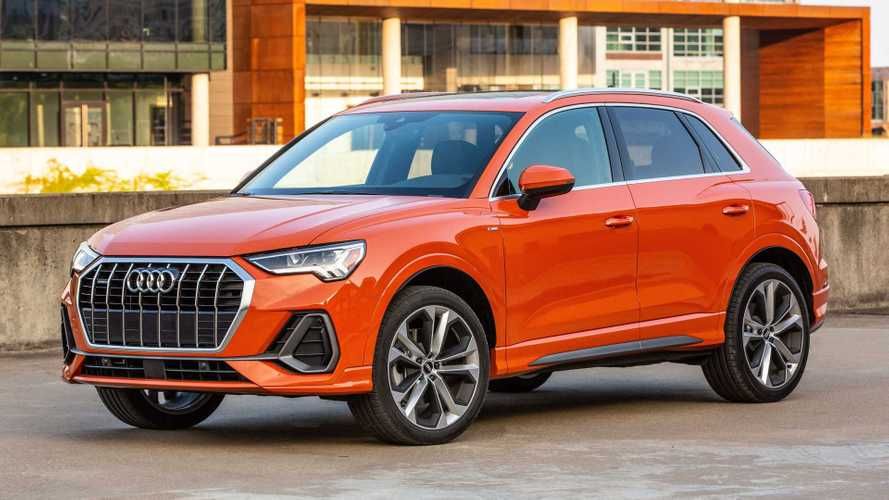
2. 2025 Audi Q3
Price: $38,695
The 2025 model takes Audi’s Q3 a step further for something that’s long been popular among luxury subcompact SUV buyers. The exterior design comes more refined threads than the previous, sharper lines and a striking Singleframe grille. The Q3 uses a turbocharged 2.0-liter engine with an 8-speed automatic transmission to produce 228 horsepower with good fuel economy. Inside, the tech-lover’s dream — Audi’s Virtual Cockpit, a large touchscreen infotainment system and high-end leather upholstery. With a blend of style, technology and performance the 2025 Q3 is a serious player.
3. 2025 Volvo XC40
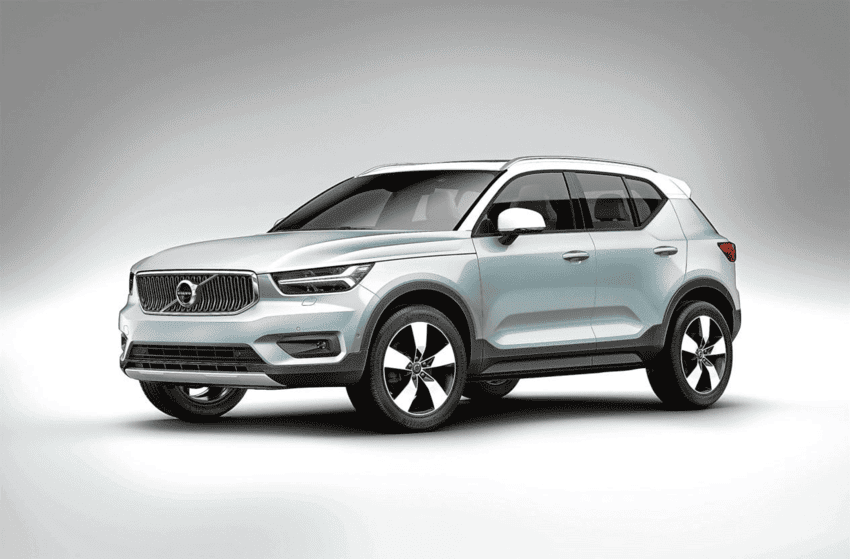
Price: $41,945
If buyers are eco-conscious, the 2025 Volvo XC40 works. This all-electric luxury subcompact SUV boasts a range of up to 260 miles on a full charge and provides instant torque and smooth acceleration. The XC40 showcases Volvo’s Scandinavian minimalist design language, with a well-equipped, spacious cabin with sustainable materials. It uses Google's Android Automotive OS to power the infotainment system, which delivers tight Google apps and services integration. The XC40 has strong eco-credentials matched with a feeling of luxury that makes it our favourite 2025 choice.
4. 2025 Mercedes-Benz GLB-Class
Price: $46,950
As unusual as it is impressive, the 2025 Mercedes-Benz GLB-Class remains a compact luxury SUV with high versatility. The GLB is a good pick for small families because it offers an optional third row of seats, unlike a lot of its subcompact SUV competitors. Bold, muscular exterior, and a luxury interior with high-end materials and features such as the MBUX infotainment system. A turbocharged 2.0-liter powers the GLB with 221 horsepower, while an AMG-tuned version offers more performance for those interested. Practical with a premium take on the compact SUV, the GLB is a standout for 2025.

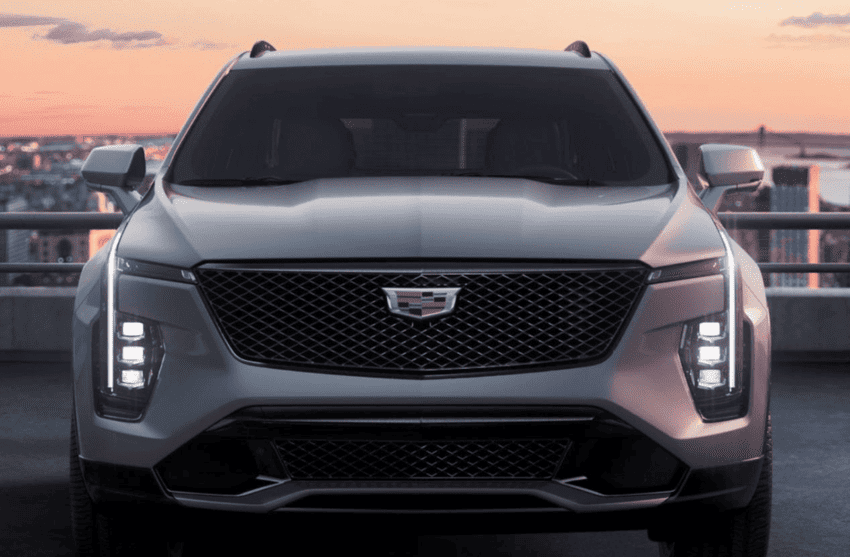
5. 2025 Cadillac XT4
Price: $41,990
The Cadillac XT4 in its upcoming '25 model year debut promises to be a breakthrough hit with its tonsilful appearance and haute features. For a turbocharged and responsive driving experience, there's a turbocharged 2.0-liter engine that delivers 235 horsepower. Its interior is spacious and luxurious, featuring premium materials, advanced tech features, and an easy-to-use infotainment system. Cadillac's Super Cruise system for (mostly) hands-free driving on compatible highways is also a hallmark of the XT4. The 2025 XT4 is a formidable competitor in the segment with its zesty combination of luxury, technology, and performance.
The luxury compact SUV segment is more competitive than ever, and automakers have a level of choice suitable to their tastes and lifestyle. These cars serve as both the height of luxury and the forefront of innovation — making these the best buys for those best buyers here through 2024. In conclusion, as the segment continues to grow and evolve, one fact rings true, luxury subcompact SUVs are not going anywhere, and for good reason.

Getting a Personal Loan: Tips and Steps
A personal loan can serve as an effective financial tool for a wide range of purposes. But getting a personal loan means being well-prepared and knowing how to go about it. Here's a walkthrough of how to get a personal loan.1.Assess Your Current Financial StandingWhether you should decide to take out a personal loan or not, first consider your financial standing. Determine how much you'll need and, if you can afford the monthly payments, examine your credit score, one of the most influential pieces of information the lender will weigh when reviewing your loan application and setting the interest rate you'll pay. Generally speaking, the better credit scores allow you to receive better terms for the loan.2.Research LendersPersonal loans are offered by several lenders, from banks and credit unions to online lenders. They each have varying terms, interest rates and eligibility requirements. Compare lenders to find the best mortgage for you. Visit ratings and reviews to see how well they are reputed and how they treat their customers.3.Things to Check for EligibilityEligibility factors, such as a minimum credit score, income level, employment history and so on, vary by lender. You must meet these requirements to qualify to apply. Part of approving a lender and depending on them is maintaining a debt-to-income ratio (DTI), which calculates your monthly debt payments as a percentage of your monthly income.4.Documentation RequiredYou have to provide and offer various documents while applying for a personal loan like proof of identity (license or passport), proof of income (pay stubs or tax returns), and proof of residence (bills or lease agreement). Getting all these documentations ready can shorten the process when you are applying.5.Submit Your ApplicationAfter you select a lender and compile all your supporting documentation, you can apply for a loan. Frequently, this can even be done online, making the process simple and fast. You should be ready to answer detailed questions about your financial situation, employment and the reason for the loan.6.Review Loan OffersAfter you submit your application, you may get several loan offers. Take time to compare each offer, including the interest rate, loan term, monthly payment amount, and any fees (such as origination fees or prepayment penalties). Try a loan calculator to determine the overall cost of the loan over the length of the loan term.7.Accept the Loan and Get the MoneyAfter you determine which loan offer is best for you, you will have to formally accept it. Once the lender is satisfied with the outcome and result of underwriting, it will issue a loan agreement for the consumer to sign. Once a consumer has accepted the terms, they ought to read through the agreement thoroughly before signing. Once the agreement has been signed, the funds are usually paid out to your bank account within a few days.8.Repay the LoanBe sure to pay your monthly payments on time to ensure you do not incur late fees and negatively impact your credit score. Automating payments may help you never forget a due date. Paying it ahead if it's possible, so you can save on paying interests, and decline the year of the loan and then save very much.In summary, a personal loan can generally be gotten and obtained in the above mentioned steps, from evaluating your financial status to paying the loan back. Make sure to borrow responsibly and only with an amount you can make repayments for comfortably to stay on track with your finances.

Navigating College Life: Some Mental Health Tips for Students
As the leaves turn golden and summer draws to a close, a new chapter begins for many young adults across the country. College is a time of excitement, growth, and self-discovery, but it can also be a period of stress and uncertainty. For parents with children heading off to college, ensuring their mental well-being is paramount. Here are five essential tips to help students manage their mental health during this transformative time.Establish a RoutineThe transition from high school to college often comes with a newfound sense of freedom. While this freedom is exhilarating, it can also lead to irregular sleep patterns, poor diet, and skipped classes if not managed properly. Establishing a routine that includes regular sleep, healthy meals, and dedicated study times can provide a foundation for emotional stability and academic success.Encourage Open CommunicationMaintaining open lines of communication is crucial for students' mental health. Parents should encourage their children to share their feelings, concerns, and experiences without judgment. This can help students process their emotions and feel supported. Regular check-ins, whether through phone calls, video chats, or text messages, can provide a lifeline for students navigating new challenges.Promote Self-CareSelf-care is essential for mental health, yet it's often overlooked in the hustle of college life. Encourage your student to engage in activities they enjoy and that help them relax. This can include exercise, meditation, hobbies, or simply taking time to unwind with a favorite book or movie. Remind them that it's okay to take breaks and prioritize their well-being.Seek Professional Help When NeededCollege campuses often offer counseling services that provide mental health support to students. If your child is struggling with stress, anxiety, or depression, encourage them to seek help from these professionals. Early intervention can be key to managing mental health issues and can provide students with coping strategies for the challenges they face.Foster a Support NetworkEncourage your student to build a support network at college. This can include friends, roommates, mentors, and professors. A strong support network can provide emotional support, practical advice, and a sense of belonging. Joining clubs, participating in campus activities, or studying in groups can help students connect with others who share their interests.

Flying Business Class Is Not a Dream
Flying business class is something that is a dream for a lot of travelers, given the added comfort, better service, and overall pleasurable experience associated with it. But the cost can feel out of reach. But with some strategy and smart tips, you can fly business class for less than you might think.1.Book Early or Last MinuteIt’s possible — booking your flight many months in advance can often net a better deal on business class tickets. Most airlines make available only a handful of discounted seats at first. On the flip side, last-minute deals can be gold. Airlines will occasionally discount prices on the few remaining business class seats close to departure. If you have flexibility with your travel dates, your chances of finding a bargain will be that much higher.2.Travel by Using Your Frequent Flyer Miles and PointsJoin the airline loyalty programs and utilize co-branded credit cards to rack up points when you spend on daily items. Many airlines offer substantial sign-up bonuses that can add up to a business class ticket fairly quickly. Also, if you have flexible reward points like Chase Ultimate Rewards or American Express Membership Rewards, find out whether transferring points to an airline partner would yield better value than redeeming them that way.3.Discover Error Fares and Special PromotionsSometimes airlines mess up when pricing tickets, and you end up with a steeply discounted business class fare. Specialist sites such as Secret Flying and Airfarewatchdog are set up for doing this kind of work on error fares. Also, look for special promotions and sales. Airlines frequently have sales, particularly during slower travel periods where the discounts on business class tickets can be significant.4.Look for Alternate Airports and RoutesSometimes, taking off or landing at alternative airports has cheaper business class prices. If you’re heading to Europe, for instance, you might fly into a major hub like London or Frankfurt and then hop on a budget airline to your final destination. Likewise, indirect flights with layovers tend to be cheaper than non-stop routes. It can take longer, but the savings can be significant.5.Upgrade with Cash or MilesIf an outright business class ticket is just too expensive, look at buying an economy ticket and upgrading. You can offer to pay for an upgrade, or use miles to book a better seat on many airlines. Follow upgrade offers as your departure date draws closer. Airlines may reduce the cash or miles necessary to fill leftover business class seats.6.Travel in Off-Peak TimesBusiness class seat demand also varies throughout the year. The off-peak travel seasons, like late in winter or early in fall, generally come with a lower price tag. Avoiding major holidays and school vacation periods is also a good way to find cheaper fares. In addition, flights in the mid-week, compared to the weekends, are much cheaper.7.Book Through Travel Agencies and ConsolidatorsTravel agencies and ticket consolidators sometimes have access to discounted business class fares not available to the general public. These companies buy tickets in bulk and can save you a ton of money. Do your homework, though, and comparison shop — the myriad of agencies you can find online vary widely in terms of cost and quality.8.Look for Budget AirlinesCertain airlines are notorious for having lower business class fares. Airlines like Turkish Airlines, Qatar Airways, and Etihad tend to offer superb value, for example. Inspire yourself and new destination ideas through your favourite airlines. Newer airlines or airlines that expand their route offerings may also provide introductory savings to reach new customers.9.Be Flexible and PersistentHow do you get a cheap business class ticket? Monitor airline websites, create fare alerts and be prepared to book when you see a good price. If you’re flexible, to be patient and make it work, you’ll get rewarded down the line.So there we have it, with frequent flyer miles, keeping an eye out for promotions, and being flexible with your travel plans, you can score business class seats without the business class price tag.
Top 10 SUVs as Affordable and Practical Choices in 2025
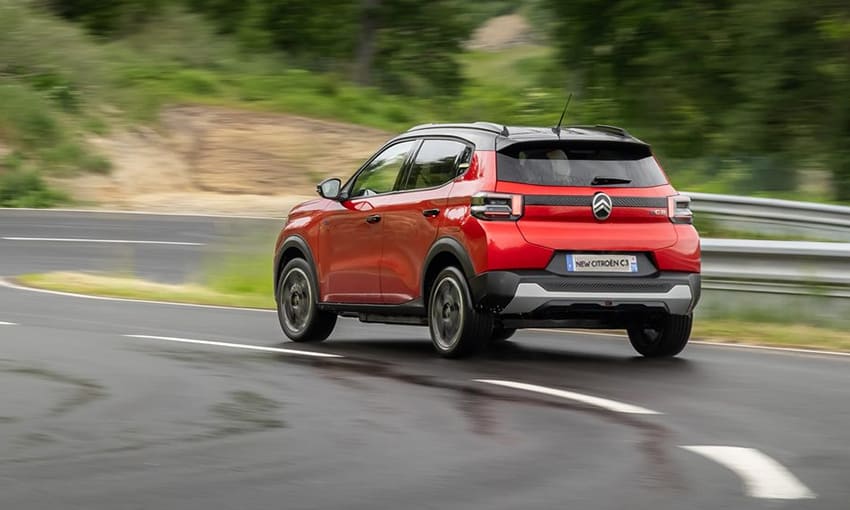
As the automotive landscape evolves, SUVs continue to be a favorite for people looking for a mix of practicality, comfort and attitude. By 2025, affordable SUV options will be flooding the market without any sacrifice to quality or features for budget-minded shoppers. Here's the top 10 cheapest SUVs you can get in 2025, from compact crossovers to family haulers.1.Volvo EX30The EX30 is set to rattle a few cages as one of 2025's most affordable electric SUVs. Marrying Scandinavian design with high-tech, the EX30 boasts a minimalist interior, impressive range, and Volvo’s famed safety tech. The small size of the car as well comes very handy when it comes to driving through narrow streets of a busy city.2.Citroen C5 AircrossIt remains a solid player in the budget SUV space. With an emphasis on comfort and space, the C5 Aircross is perfect for families. For 2025, it gets new tech and a hybrid option to make it even more enticing to those budget-minded drivers who appreciate a bit of flair.3.Dacia JoggerDacia is known for simple, inexpensive vehicles, and the Jogger is no different. As one of the cheapest seven-seater SUVs available, this practical option offers great value for larger families. When you want economical value instead of flamboyant extravagance, its simple plan and agile engines make it one of the go too for a good value choice.4.Citroen e-C3Citroen has rolled out an all-electric SUV on a budget that comes in the form of the e-C3. C3 has been developed in line with the modern approach towards urban mobility, here it comes with a compact form factor, quite a good range but a lot of comfort in the interior. Its low running costs and organic nature make it a favourite for urbanites switching to electric on a budget.5.Skoda KaroqThe Skoda Karoq has been a perennial favorite in the compact SUV class and the 2025 model is no exception. With a roomy interior, useful features and a variety of frugal engines, the Karoq is a solid value buy. It is ruggedly designed and performs reliably, making it an admirable option for city or countryside driving.6.SEAT TarracoYou should know the SEAT Tarraco, a large SUV that offers tons of space and practicality for a modest price. And because it seats up to seven people, it’s an ideal family car. To help keep up in the crowded SUV market, the model 2025 comes with new infotainment systems and hybrid options.7.MG HSMG has secured its spot on the map with affordable vehicles that are packed full of features, and HS is testament to that claim. The compact boom SUV feature a stylish design, a well-equipped interior and a range of efficient engines. That said, with its excellent value in 2025, the HS remains a strong challenger for budget-conscious buyers.8.Volkswagen T-CrossVolkswagen T-Cross is a compact SUV with a list of features that belies its size Retail handling the urban driving well, its compact form making it a small drive 9 and its more premium feel furthered by a quality interior and safety features. Expect to see updated tech and hybrid options on the new release of the 2025 model.9.Toyota Yaris CrossPushed forward by surging demand for hybrid models, Toyota's Yaris Cross is a compact SUV that retains the dependability of the Yaris hatchback while meeting the utility needs of an SUV. With a hybrid powertrain, it gets good fuel economy and is sensible for green-minded consumers. Updated styling and tech for 2025 will keep it among the best in class.10.Renault CapturNow a little more than a year into its lifecycle, it has still proven an incredibly successful compact SUV that has solidified itself as a stylish yet practical choice for many buyers. Refreshed design, tech upgrades and hybrids make the 2025 model even more attractive. Its interior is customizable and its engines are efficient, making it a good choice for young drivers and small families.From compact city cars to family vehicles you need, the top 10 cheapest SUVs are as above. These models demonstrate you don’t need to shell out the big bucks to get the versatility, comfort and style that SUVs provide.

Container Homes: A Modern Housing Revolution
There are smart homes and then there are shipping containers that have been converted into homes, and this installation brings both of these concepts into one sexy green package. But as with any housing option, they present their own host of issues and challenges.Advantages1.Eco-friendlinessThese out-of-the-box abodes use retired shipping containers, sparing the need for conventional building materials such as bricks and wood which would otherwise be used to build homes, and thus having a positive effect on the environment. And because containers are modular, you can create some very fun and space-saving designs, all made to your specifications.2.Cost-effectivenessContainer homes tend to cost you less financially than traditional houses, and that's very much due to the cost of materials. The steel construction of shipping containers is strong and able to hold up to harsh weather and these structures require less maintenance over the years. What’s more, construction is often speedier due to the fact that the basic framework is there already, containers just need modifying and stacking on top of each other.3.Mobility and FlexibilityThese homes will appeal to anyone looking for a minimalist or nomadic lifestyle, but will also be suitable to become remodeled to be portable so the owner can move, but not have to leave their dwelling. This is especially attractive to Digital Nomads, Adventurers, and people needing temporary housing.Things to Consider Before Building a Container Home1.Local Codes and PermitsContainer homes are not code in every place. In some jurisdictions limitations on building or lot size, zoned uses, and changes to structure or insulation are also permitted. Before breaking ground, it’s also important to check with local authorities for any necessary permits.2.Insulation and Temperature RegulationSteel is also a good conductor, so in the summer your containers could easily overheat and in the winter they can feel like freezers. For comfort and energy efficiency, it is crucial that your garage is properly insulated. There are also options to use spray foam, panel insulation, or even eco-friendly materials like sheep’s wool.3.Structural ModificationsIt is necessary to cut the doors and windows when cut into the door and window or more than three products are combined with welding and strengthening to keep the good energy saving effect and the overall firmness of the product. Better not call these professionals. the life of the home may be in danger.4.Space LimitationsNormal freight containers are quite narrow, usually only 8 feet wide. Space can be well-utilized with creative designs, although the compact layout may feel too confining for some accustomed to larger homes. Multi-container setups or vertical scaling can be used to overcome this challenge.5.Rust and CorrosionBecause containers are typically for maritime use, if exposed to moisture for extended periods of time, they can develop rust. Even the latest protective coatings must be applied to ensure protection from deterioration.6.Short Supply of Grade ContainersThere are so many used containers that are not in good conditions. Some may have been exposed to chemicals or excessive use during shipment. Container condition and potential hazardous substances inspection is paramount and should be done prior to acquisition.The FutureAs sustainable living becomes more popular, container homes continue to be popular. Advanced modular design, energy-saving retrofitting, and smart home technology will make prefabs even more attractive. Authorities and urban planners may also mimic container architecture in affordable housing such as solving the world housing shortage.ConclusionContainer homes are a great alternative to traditional living spaces and have provided homes to thousands of people looking to own their own little slice of life. But, they take some careful planning to deal with issues like insulation and structural changes and regulations. Where others find these macabre, the option to live a self-sufficient and off-the-grid mountain dream is worth considering. These homes may become a very viable option for those concerned about the environment, and those who are budget-conscious, as technology and design continue to improve.