


Fluoride in Water: Preventing Cavities or Posing Health Risks?
Fluoride, a mineral found naturally in water, soil, and various foods, has been a topic of debate for decades, particularly regarding its use in public water supplies. While many studies indicate that fluoride effectively reduces dental cavities, concerns about potential health risks have also emerged.

The Benefits of Fluoride
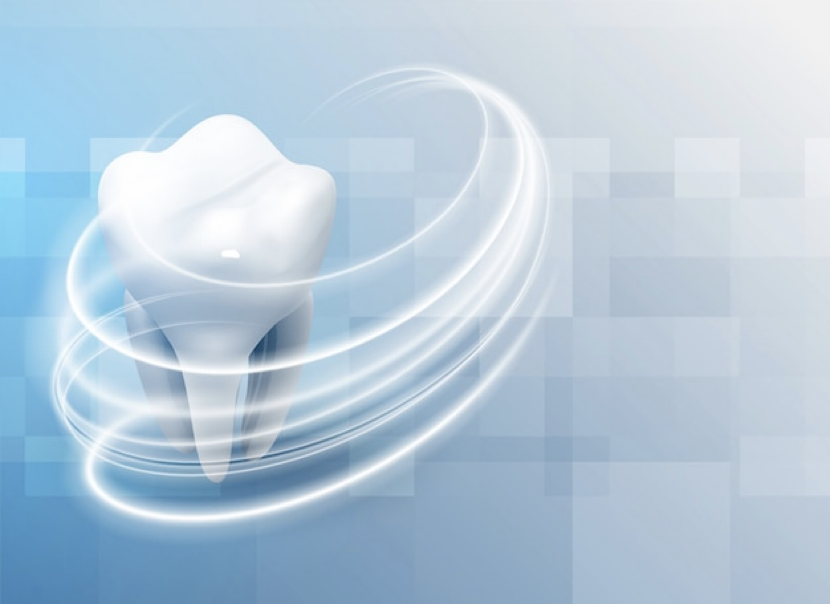
Fluoride possesses the capability to enhance the teeth enamel, which means there is no chance for decayed teeth to grow. After taking or applying fluoride, it will melt into your teeth, cross every crack of your teeth and finally become a part of your teeth. This process can prevent the corrosion from dental plaque bacteria and sugar in the mouth. Quite a few researches show that dental caries incidence is much lower in those who drink fluorinated water.
US Center of Disease Control and Prevention reported that the study that fluoride in water can prevent cavities is one of the most successful public health achievement in the 20th century. And it also mentioned in its official website that fluoride can reduce the lifelong caries incidence among no matter children or adults almost 25%. Thereby, making full use of the fluoride in water is quite useful for the people who have limited chances to access medical and dental protection. In this case, this makes fluoride an important public health advance in the prevention of tooth decay.
The Health Risks of Fluoride
Although fluoride is proved to be actually conducive to your teeth, its adjunction in public water arouses residents’ worries on its potential health risks. One of the most important problem is dental fluorosis which is a allochromatic symptom caused by touching excessive fluoride in childhood. Although fluoride teeth just affect your appearance and do no harm, severe fluoride teeth will make us painful and bitter.
Except for dental fluorosis, more studies show the fluoride do have some potential relations with other health problems. High concentrations of fluorine brings adverse impacts to bone health and even make the opportunities of fracture rise. Besides, there are also some worries on thyroid function, for extra fluoride interferes synthesis of the thyroid hormone which plays a crucial role in the metabolism.

Balancing Benefits and Risks
However, these undisputed benefits of fluoride for cavity prevention must still be carefully weighed against legitimate risks when debating fluoride levels in drinking water. The yardstick of around 0.7 parts per million (ppm) has been speared for us by public health authorities such as the Centres for Disease Control and the American Dental Association, who said that this is a safe and effective treatment for the teeth.
The emergence of fears about the dangers of fluoride has led to communities examining their positions on the chemical's presence. A few locations in the United States right now are debating whether or not to continue adding fluoride to their water supplies, echoing wider concerns in the public. More often than not, this move is because they are increasingly seeking a more natural water supply and have worries about mass medication of the population without individual consent.
Conclusion
Fluoride in water is still a divisive issue - alleviating considerable cavity prevention benefits while creating credible worries about risks to our health. As communities continue to grapple with the balance, it remains important to engage in transparent discussion, pore over hard scientific evidence and put public health foremost.
Tailoring Fitness and Nutrition: Why Women Need a Different Way
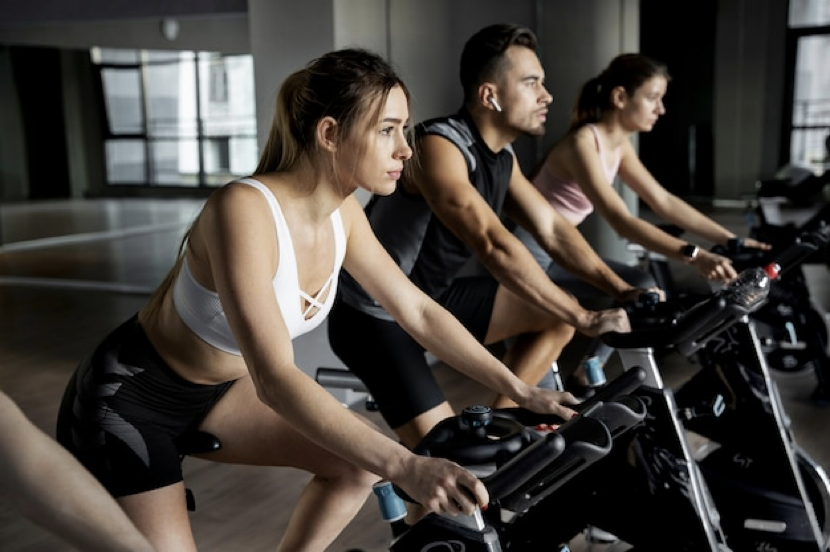
When it comes to health and wellness, the adage "one size fits all" simply doesn't apply. Men and women have different physiological makeups, hormonal balances, and health needs, which means that their approaches to exercise and nutrition should be distinct. Understanding these differences is crucial for optimizing health outcomes and achieving fitness goals.The differences between men and women extend beyond the obvious physical characteristics. Women tend to have higher body fat percentages, different muscle distributions, and unique nutritional needs due to their menstrual cycles, childbearing capabilities, and hormonal fluctuations. This article delves into why women need to exercise and eat differently than men and provides guidance on how to do so effectively.Energy Requirements and Macronutrient BalanceWomen generally have lower energy requirements than men due to differences in size and muscle mass. However, the quality of calories consumed is just as important, if not more so. Women should focus on a balanced diet that includes:Protein: Essential for muscle repair and maintenance, but also crucial for hormone production and bone health.Fiber: Supports digestion, heart health, and blood sugar control.Healthy Fats: Necessary for hormone production and can help regulate appetite.Hormonal ConsiderationsWomen's hormonal cycles can significantly impact their energy levels, mood, and body composition. Consuming a diet rich in complex carbohydrates, lean proteins, and healthy fats can help stabilize blood sugar levels and minimize mood swings associated with hormonal fluctuations.Bone HealthWomen are at a higher risk of developing osteoporosis due to lower bone density. Weight-bearing exercises such as walking, jogging, and resistance training can help strengthen bones. Additionally, a diet rich in calcium and vitamin D is essential for maintaining bone health.Cardiovascular HealthWhile both men and women can benefit from cardiovascular exercise, women may need to focus more on low-impact activities to protect against joint injuries. Swimming, cycling, and elliptical training are excellent options that provide heart-healthy benefits without excessive stress on the joints.Strength TrainingStrength training is essential for women to combat age-related muscle loss and improve overall metabolism. However, women may benefit from a higher focus on full-body, compound exercises that target multiple muscle groups at once, such as squats, lunges, and deadlifts.Flexibility and BalanceAs women age, maintaining flexibility and balance becomes increasingly important to prevent injuries and improve overall quality of life. Incorporating yoga, Pilates, or regular stretching into a fitness routine can significantly improve flexibility and core strength.Nutritional TimingWomen may need to pay closer attention to nutritional timing, especially if they are engaging in intense workouts or sports. Replenishing glycogen stores post-workout and consuming protein to aid muscle recovery is crucial.Prenatal and Postnatal CareFor women who are pregnant or nursing, nutritional needs change dramatically. It's vital to consume adequate calories, protein, and essential nutrients like folic acid, iron, and calcium to support both maternal and fetal health.

Why Strength Training Is Essential for Maintaining a Healthy Lifestyle
In recent years, the fitness landscape has evolved, with strength training gaining recognition as a crucial component of overall health and well-being. While many individuals prioritize cardiovascular exercises like running and cycling, strength training offers unique benefits that can significantly impact long-term health. Here’s why incorporating strength training into your routine is essential for maintaining a healthy lifestyle.Improved Muscle Mass and MetabolismAs we age, we naturally lose muscle mass—a condition known as sarcopenia. This gradual decline can start as early as our 30s and continues throughout our lives. Strength training is one of the most effective ways to combat this loss. By engaging in resistance exercises, you stimulate muscle growth, which not only preserves existing muscle but also builds new muscle tissue. Increased muscle mass leads to a higher resting metabolic rate, meaning your body burns more calories at rest. This can be particularly beneficial for weight management, as it allows for greater flexibility in diet while still maintaining a healthy weight.Enhanced Bone DensityBone density naturally decreases with age, raising the risk of fractures and osteoporosis, particularly in women after menopause. Strength training plays a pivotal role in increasing bone density. When you lift weights, the stress placed on bones stimulates the production of bone-forming cells, enhancing bone strength and reducing the likelihood of osteoporosis. Incorporating strength training exercises, especially weight-bearing activities, can lead to healthier bones and a lower risk of injury as you age.Better Joint HealthStrength training not only strengthens muscles but also helps stabilize joints. Strong muscles support and protect joints, reducing the risk of injuries and chronic pain conditions such as arthritis. By improving joint strength and stability, regular strength training enables individuals to maintain mobility and perform daily activities with ease. Moreover, resistance training can help alleviate symptoms of existing joint pain, making it an excellent choice for those looking to manage conditions like osteoarthritis.Enhanced Functional FitnessFunctional fitness refers to the ability to perform daily activities with ease and efficiency. Strength training enhances functional fitness by improving balance, coordination, and endurance. This is particularly important as we age, as falls are a leading cause of injury among older adults. By focusing on exercises that mimic everyday movements—such as squats, lunges, and push-ups—you can improve your overall performance in daily tasks, from lifting groceries to climbing stairs. This functional strength contributes to a better quality of life and greater independence as you age.Mental Health BenefitsThe mental health benefits of strength training are often overlooked, but they are significant. Regular strength training has been linked to reduced symptoms of anxiety and depression. The endorphins released during exercise can elevate mood and promote a sense of well-being. Moreover, achieving strength training goals—whether it’s lifting a heavier weight or completing more repetitions—can boost self-esteem and confidence. This positive feedback loop encourages a more active lifestyle and fosters a sense of accomplishment.Chronic Disease ManagementStrength training plays a vital role in managing chronic conditions such as diabetes, heart disease, and obesity. Regular resistance training can improve insulin sensitivity, lower blood pressure, and enhance cardiovascular health. For individuals with diabetes, strength training can help regulate blood sugar levels, making it a valuable addition to their exercise regimen. By addressing these health concerns, strength training can reduce reliance on medications and improve overall quality of life.

Amazing All-Inclusive Mediterranean Cruises in 2026
The profound concept of floating city attains in 2026 its fullest expression of all time. There is no doubt that the Mediterranean, with its blessed climate and timeless culture, has always been the apogee of ocean liners. But this year marks a new sort of development in how it is seen. Nursing an environmental headache, a neurotic civilization sharpens its focus on an ideal of wellness, in which the modern cruise becomes morally as therapeutic for soul and body, as it breaks so many records. Travelers today are provided with not merely schedules, but rationally thought out trips: Farm-to-sea organic food programs which celebrate indigenous produce, extended port stays that are in harmony with local customs and not raced through like duty calls for so many souvenirs to be bought; ships designed to feel more like an island resort than any superstructure at sea with its own set of laws defining good society as practicality. With the pound holding strong against other currencies, some much-needed breathing space has finally emerged for British holidaymakers. In Britain regionally based offerings by Mediterranean cruise lines are highly attractive and it will be available to more customers than ever before through these fly-cruise tours that take people straight from downtown hubs such as Manchester and Glasgow, directly into the action. Sustainability, luxury, ease of travel should all be rolled into one ball and tossed back to the public in 2026 to rediscover the Mediterranean, not as a tourist, but taking on some understanding of its people and their various ways.Why Choose Mediterranean CruisesThe cruise industry has moved forward considerably in 2026. The advocacy of sustainability and health is seeing new launches this year that 263 accord entirely with my own values. Passengers now have organic food and first-class facilities to look forward to; and itineraries that get passengers off the boat for a longer time on shore help to dispel the rushed rhythm that has pertained generally in old-fashioned cruising.In today's travel market, the British pound remains strong, encouraging Mediterranean cruise companies to compete fiercely. Many now offer packaged deals including flights out of various UK airports – which is a game-changer for the rest of us. What is a fly-cruise package? The vacation begins the moment you arrive at Manchester, Birmingham or Glasgow airport.Typical RoutesThe Mediterranean has a rich itinerary, usually divided into Western and Eastern routes.1.Eastern Mediterranean: The focus of the Eastern Mediterranean itineraries is the Adriatic Sea and the Aegean Sea. From Venice (Marghera) or Athens, you can visit Dubrovnik with its ancient city walls; Santorini and the famous blue dome churches; the extraordinary ruins of Ephesus in Turkey. This route is a must for history-lovers and everyone keen on breathtaking coastal scenery.2.Western Mediterranean: Still the classic choice, the Western Mediterranean. From Southampton, Barcelona, or Civitavecchia (near Rome), visitors set out on this path, kissing the glamorous French Riviera, ashoring in historic treasure trove Florence and sojourning at lively beach camp Ibiza. It is suited for new voyagers after a mix of culture and sun.All-Inclusive Package Levels1.Value-Driven All-Inclusive: It's important to understand that "all-inclusive" means different things to different cruise lines as far as the UK market is concerned. There are three quite distinct tiers. In terms of value-driven all-inclusive, lines such as Marella Cruises (part of TUI) stand in a category of their own. Flights, transfers and meals–even soft drinks (not all alcoholic ones) and smart nibbles as well are provided up front. There are no quibbles at the end of the week.2.Premium All-Inclusive: With cruise lines like Celebrity Cruises or MSC Cruises, you can find everything on board: premium all-inclusive. Their enhanced packages often include things that are not part of the standard itinerary such as premium Wi-Fi and shore excursion credits. They also provide a value exchange: higher-end spirits to make your life more exciting without carrying the five-star tag for price.3.Ultra-Luxury All-Inclusive: The ultimate in luxury spent leave the all-inclusive principle far behind. Take Silversea or Regent Seven Seas among mother companies; enjoy a thousand-dollar bottle of vintage champagne in your villa; ask for private tours just about anywhere round the world and have it arranged; The initial outlay is high, but personalized service is unmatched and on your special occasion cruises nothing less will do.Price ComparisonConclusionIn 2026, you can find all-inclusive Mediterranean cruises that are much more than vacations. They bring not only rest but real value for money, and a chance to restore your soul yet again— one horizon at a time. And this is simply the perfect time for booking your cruise. I firmly believe it.

Protecting Your Digital Assets in the Modern Age
As the world continues to go online, the importance of ensuring your digital assets are protected reaches the same level as securing physical assets. Digital assets can be quite eclectic, including; cryptocurrency, online accounts, intellectual property, sensitive documents and social profiles. The growing threat to cyber security, whether its hacking or phishing, now necessitates that strong security protocols be in place to restrict access and potential loss.1.Strong and Unique PasswordsA password isn’t always enough to protect your digital property, one of the most basic things you can do to protect your digital self is have a password that’s strong and unique for every account. Too many of us don’t listen to that message — and wind up using the same password across multiple sites, which can have a domino effect of abuse if security at a just single one of those sites is compromised. A complex password would consist of mixed upper and lower case, numbers, and special characters.2.Two-factor AuthenticationTwo-factor authentication (2FA) is an extra security layer beyond just a password. 2FA serves as a second form of identification and, as such, serves as an extra bar to entry for any unauthorized person looking to access your account or device, and thus, the sensitive information contained within. By requiring a second form of proof, something like a fingerprint or a one-time mobile code or a physical security key, for instance, 2FA raises the bar on entry. Many major services, ranging from banks, email providers, and cryptocurrency exchanges all support 2FA. A simple yet useful step to increase security is to have it turned on wherever possible.3.Secured Private KeysIf you are a cryptocurrency or a blockchain-base-asset holder, you should make sure that private keys are secured. There is no way to recover lost or stolen keys (unlike bank accounts). So backup is critical. In any case, don’t put your private key on the internet, or anywhere nice and easily available online such as an email or cloud storage. All devices and software should be updated to have the necessary security patches. Also our approved antiviruses and malware scanners can find threats in real time before they do any damage.4.BackupsBackups are really the unsung heroes in protecting your digital assets. Ransomware attacks, hardware crashes or an accidental deletion can erase years of data in a heartbeat. By periodically saving important file into an external hard drive or a reliable cloud service you make recovering something overhead easier. For the greatest safety, the “3-2-1” rule is often recommended: Have three copies of data, on two different storage types, with one stored offsite.5.Never Click on Suspicious LinksSocial engineering assaults, like phishing on email or a phony call to customer support, they exploit human weakness rather than technical ones. And always double-check the legitimacy of requests for sensitive information, never click on suspicious links. Knowing common scams and educating yourself and others about them can save time and money.6.Long-term PlanningLastly, examine estate planning for long-term planning of digital assets. A great deal of digital accounts and holdings are not available to heirs without certain documents. If you have a list of accounts, passwords and instructions to it and share it with a lawyer or family member you trust to access it after your death, this will ensure your valuable assets are distributed the way you want. For digital security, it’s also imperative to maintain up to date software, updating it as it becomes available. And a lot of cybercriminals take advantage of weaknesses in outdated operating systems, applications or firmware.Ultimately, in a world that is increasingly connected, proactive security is critically not a luxury but a requirement. You can take action to mitigate the risk to themselves and their digital assets with this sequence of steps to protect themselves in the longer term.

How to Choose Sunglasses for Travel
Sunglasses are not only a fashion accessory, but also an essential item for protecting your eyes from harmful UV rays when travelingChoosing the right sunglasses for your travels involves considering various factors to ensure they provide adequate protection and suit your style. Here are some tips for choosing sunglasses for travel:UV Protection: Look for sunglasses that provide 100% UV protection. This is crucial for shielding your eyes from the sun's harmful radiation. When purchasing sunglasses, check for labels or stickers indicating UV 400 or 100% UV protection.Lens Quality: Consider the quality of the lenses. Opt for sunglasses with polarized lenses to reduce glare and improve visibility, especially during outdoor activities. Also, ensure the lenses are impact-resistant and provide a clear, distortion-free view.Frame Fit: Choose sunglasses that fit your face shape and size. The frames should snugly sit on your nose and ears without causing discomfort or slipping. Different face shapes suit different frame styles, so consider what best complements your features.Lens Color: The color of the lenses affects your contrast and color perception. Gray lenses provide minimal color distortion, while brown/amber lenses enhance contrast. Consider the activities you'll engage in while wearing the sunglasses to determine the most suitable lens color.