


The Art of Caring for Solid Wood Furniture
Proper care and maintenance are crucial to preserve its beauty and ensure its longevity. In this article, we will explore the art of caring for solid wood furniture, offering unique tips and insights to help readers keep their cherished pieces in pristine condition.
Understanding the Nature of Wood
Before delving into specific care techniques, it's essential to understand the nature of wood itself. Wood is a natural material that responds to its environment. It can expand and contract with changes in temperature and humidity, and it can be susceptible to scratches, stains, and fading if not properly cared for. With this understanding, we can approach the care of solid wood furniture with the respect it deserves.
Dust Regularly with Care
One of the simplest yet most important care practices for solid wood furniture is regular dusting. Use a soft, lint-free cloth or a microfiber duster to gently remove dust from the surface. Dust can accumulate and scratch the wood over time, so consistent cleaning is crucial.
Protect from Sunlight and Heat
Direct sunlight can cause wood to fade and lose its luster over time. To preserve the natural color and beauty of solid wood furniture, it's important to shield it from direct sunlight. Utilize curtains or blinds to minimize exposure, and consider rearranging furniture to reduce prolonged sun exposure.
Use Coasters and Protective Pads
To prevent water rings, scratches, and heat damage, always use coasters or protective pads when placing glasses, hot items, or other objects on solid wood surfaces. This simple practice can go a long way in preserving the integrity of the wood.
Immediate Cleanup
Accidents happen, and spills are inevitable. It's essential to clean up any spills or stains immediately to prevent them from seeping into the wood and causing damage. Use a dry or slightly damp cloth to blot and clean up any spills promptly.
Maintain Optimal Humidity Levels
Wood is sensitive to changes in humidity, which can cause it to expand or contract. Maintaining optimal humidity levels in your home can help prevent these fluctuations. Consider using a humidifier in dry environments and avoiding placing solid wood furniture in areas with extreme temperature changes.
Periodic Waxing
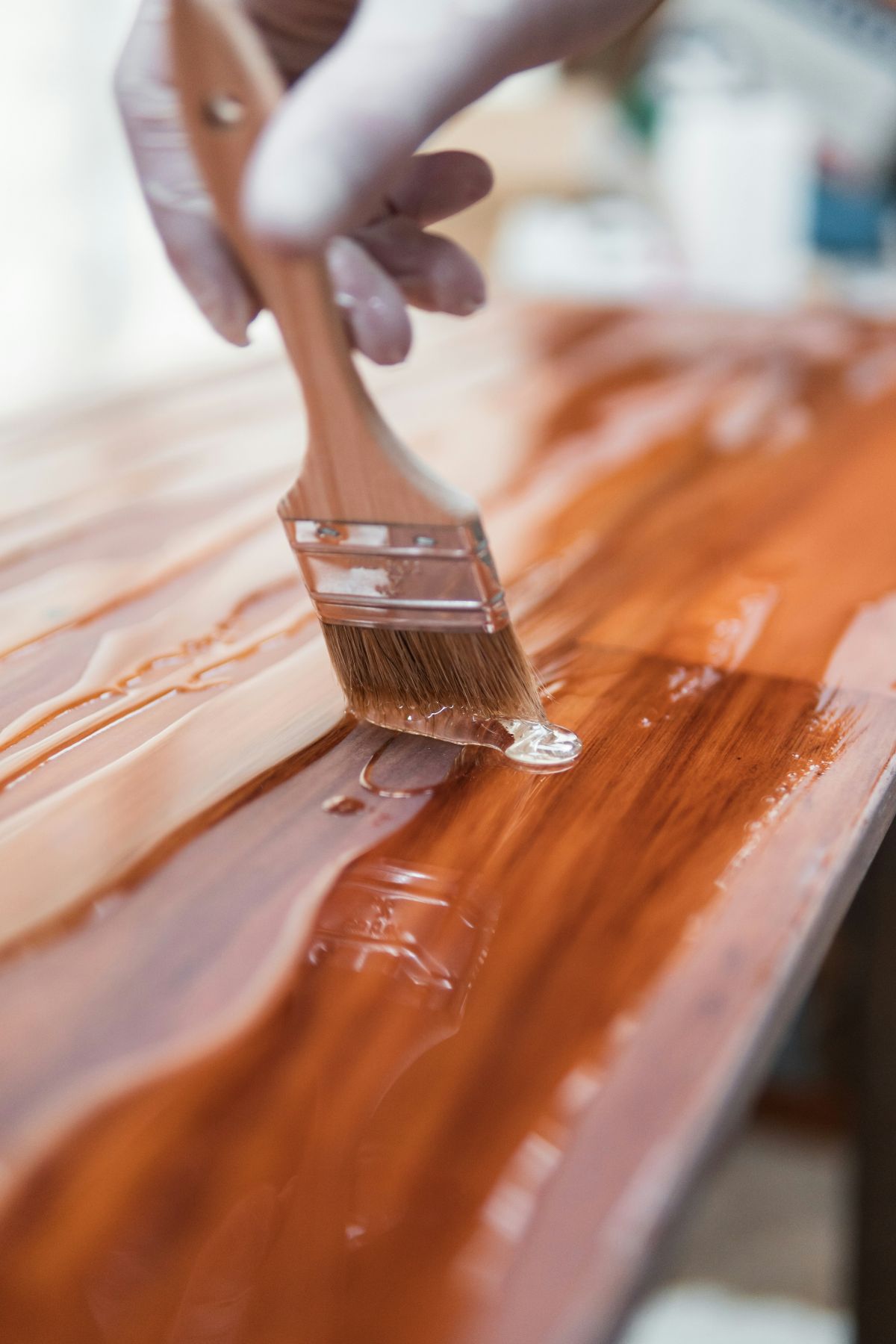
Regular waxing with high-quality wood polish can help maintain the luster and protect the wood. Follow the manufacturer's instructions and avoid silicone-based polishes, as they can create a wax buildup.
Gentle Cleaning Solutions

When cleaning solid wood furniture, use mild, wood-friendly cleaning solutions and avoid harsh chemicals or abrasive cleaners. Always test new cleaning products in an inconspicuous area first.
Regular Inspection and Maintenance
Periodically inspect your solid wood furniture for any signs of damage, such as scratches, dents, or loose joints. Addressing these issues promptly can prevent further damage and preserve the furniture's beauty.
Caring for solid wood furniture is an art that requires patience, attention to detail, and an understanding of the material. By following these unique and insightful tips, readers can ensure that their cherished pieces of furniture remain in excellent condition for years to come. Proper care and maintenance not only prolong the life of the furniture but also preserve its timeless allure. With dedication and the right approach, the beauty of solid wood furniture can be enjoyed for generations.


Impact of Snow Shortage on Gulmarg's Ski Resort Village
Bounded by the scenic vistas of the Himalayan Ranges, Gulmarg in Kashmir is a name that instantly brings to mind images of beautiful landscaped gardens and imposing snow-clad mountains. But what has been almost unfathomable in recent years is that the popular ski village, at 2,600 meters, one of the highest cities and the scene for many a slalom World Cup -— started running out of snow. Imported as a tourist who has seen Gulmarg at both its picture-perfect and struggling, I cannot escape to write about the varied consequences of this snow shortage on the village and people there.Situation in Gulmarg’s Ski Resort VillageWhen we reached Gulmarg, the first thing I realized was that everyone around me had been let down. Instead of the gleaming white canvases that drew skiers and boarders from across this country, parts appeared painted in brown earth under thin layers of manmade snow. There was talk everywhere, among locals and travelers alike of the matter; a tale being spun out across every conversation.One of the more immediate consequences was how quickly tourists stopped coming. The allure of newly opened, snowy slopes lures many visitors and that is a big portion missing without skiing. As a result, potential travelers were left let down and decided to head elsewhere on vacation in search of that perfect snowy ski slope. The place felt less like the busy winter village it is supposed to be with fewer skiers in lodges, restaurants and shops reporting a decline in sales.Impacts on BusinessThis decrease would fall particularly hard on local businesses which are most dependent for their livelihoods from the winter tourist season. Hotels and resorts were left with stagnant rooms that usually are full to capacity in peak winter months. With a slack in footfall, restaurant owners who churn out traditional Kashmiri food for tourists were negatively impacted. Its economic ripple effect was stark, affecting everyone from ski rental shops to souvenir stands. Hundreds of small businesses, fighting to stay alive, had no choice but to lay off employees or reduce services-adding more economic woes for the community.More ImpactsAnd not to be ruled out is the psychological trauma among villagers, Skiing has been Gulmarg's hallmark for generations. The lack of snow has not only put their livelihoods at risk, but it has also taken away a sense of pride and continues to pull them apart. The elders described a feeling of nostalgia and mourning as they remembered skiing the slopes in their youth. Fewer chances arose for younger generations, looking to follow in their footsteps as ski instructors or tour guides when the industry was shrinking.A crisis that has seen a remarkable response in terms of local administration and community adapting to find an answer. They have tried to step up snow making and cover the hills with man-made white stuff it has forged from machines instead of God. This comes at a considerable financial and energy cost, but is the only way to keep some kind of skiing season going. On top of that, the village has added to its off-season tourism potential by organizing summer tours including hiking and paragliding along with other cultural visits.ConclusionIn sum, the snow drought has ravaged Gulmarg's ski resort village and hit hard on their economy, culture & eventually the lives of its people. But it has also unleashed a time of reflection and reinvention, propelling fresh ideas for survival and expansion.

The Silent Echoes of a Planet Without People
A time where the human population has disappeared, and we see nature begin to take back what once belonged to her. This is not simply a visionary idea, it has already begun to take shape in some places on our world, where human impact weakens and we are left with the ghostly aftermath of previous times. From the ghost town of Kolmanskop in Namibia, an abandoned cinema house in Brussels and a rotten Tuscan villa to disused railway track overgrowing with grasses somewhere on post-Soviet land, all these are microcosms of this larger story.KolmanskopKolmanskop, which was a hub for diamond mining activity in the mesmerizing Namib Desert, is an abandoned result of human mettle today. The lavish buildings where European nobility once came to seek their fortune now degrade in the harsh sun and wind. The one glittering avenues lay hidden beneath tonnes of ever moving sand and now all that you could hear were the mumbled whispers on desert gusts too calling a far away claim to it wildlife.An Old Cinema in BrusselsAn old forgotten cinema in Brussels, with its marquee faded permanently locked doors. Faded posters of bygone eras hint at the glory days when colossal audiences packed in to see the latest screen spectacles. Now, stale air meets only cobwebs and dust as the building fades to ruin with all its memories entombed in lost minds that once wandered those halls.Rustic Tuscan EstateOnce grand, now desolate and empty; a "rustic Tuscan estate" atop a hill of vineyards stands as sudden testament to prosperity gone bye. Its stained walls and destroyed murals narrate about once& glorious riches, family legacies now forgotten in time. Farmhouse becomes the wooded shell of a mansion as creepers trail through shattered windows, moist night draught yawn in and rustle leaf litters across wooden floors; it is half pitfall for skunk or opossum making its travel to bed among broken columns mantled with ivy's clasp, the full haven now for life that lives within grasses off porch side amid ancient stalks.Disused Railway TrackDead Landscapes is the name of this one, from Ukraine, stretching fields on an abandoned narrow gauge railway line with its rusty tracks trying to surpass the horizon. Originally an important route linking towns and villages, supporting trade in goods as well telecommunication. But now, a solitary way that speaks of forsaken travels and deserted stops. Tall grasses line the tracks, with wildlife continuing to walk in between them completely indifferent toward whatever was left of human invention.ConclusionThey are not just ancient sites that have taken on the mantle of ruins; they lie beneath us, and in their decay, tell a story about what it means to be human. They show us that our accomplishments, no matter how great, are but passing blinks in the cosmic eye. Even as we mold the world to our fitting, let's perhaps halt and think about what legacy do we create in passing on these echoes that sound long after us. Here, in the quiet forgotten places of man nature tells us over and over again a story about survival and how aging is an inexorable march that keeps coming for each of us as it serves up hard lessons on time.

Chronic Insomnia: Exploring Solutions for a Restful Sleep
Characterized as a constant trouble nodding off or staying unconscious, chronic insomnia can significantly affect one's personal satisfaction, influencing actual well being, mental prosperity, and generally speaking efficiency.In this article, we will dig into the details of chronic insomnia.Understanding Chronic InsomniaChronic insomnia is a complex condition with various underlying causes:1. Mental Elements: Stress, tension, wretchedness, and other mental issues can upset rest designs and add to persistent sleep deprivation. Dashing contemplations, stress, and a failure to unwind can make it challenging to nod off or keep up with rest over the course of the evening.2. Way of life Elements: Unfortunate rest cleanliness, sporadic rest plans, unreasonable caffeine or liquor utilization, and absence of active work can all add to persistent sleep deprivation. Unfortunate things to do and an imbalanced way of life can disturb the body's regular rest wake cycle.3. Ailments: Persistent agony, respiratory problems, hormonal irregular characteristics, and neurological circumstances like a propensity to fidget can fundamentally influence rest quality and add to ongoing sleep deprivation.The Consequences of Chronic InsomniaChronic insomnia can have wide-ranging consequences for an individual's physical and mental well-being:1. Daytime Weariness and Disabled Mental Capability: Lacking rest prompts daytime weakness, diminished readiness, and hindered mental capability. Focus, memory, critical thinking skills, and generally speaking efficiency might be unfavorably impacted.2. Mind-set Problems: Ongoing sleep deprivation is firmly connected to the improvement of temperament issues like gloom and nervousness. Lack of sleep upsets the guideline of synapses in the cerebrum, adding to close to home precariousness and worsening existing psychological wellness conditions.3. Expanded Hazard of Ongoing Ailments: Delayed lack of sleep is related with an expanded gamble of creating persistent ailments, including cardiovascular illness, corpulence, diabetes, and compromised insusceptible capability.4. Impeded Personal satisfaction: The steady battle to get satisfactory rest can prompt a diminished personal satisfaction. People with ongoing sleep deprivation might encounter decreased pleasure in everyday exercises, stressed connections, and a lessened feeling of by and large prosperity.

Women May Benefit From Exercise in Reducing Risk of Cardiovascular Issues
Cardiovascular disease (CVD) is a leading cause of morbidity and mortality worldwide, affecting millions of people, particularly as they age. While both men and women are at risk, recent research suggests that women may significantly benefit from exercise in reducing their risk of developing cardiovascular issues—potentially lowering their risk by twice the amount as men. Understanding the implications of this finding can empower women to prioritize physical activity as a vital component of their health regimen.The Importance of ExerciseExercise is widely recognized as a cornerstone of cardiovascular health. Regular physical activity strengthens the heart muscle, improves circulation, and helps maintain a healthy weight—factors that are crucial in preventing CVD. While the benefits of exercise are well-documented for both genders, emerging evidence indicates that women may experience a more pronounced protective effect against heart disease.Hormonal InfluencesOne potential reason for the differential impact of exercise on cardiovascular health between men and women lies in hormonal differences. Estrogen, which is more prevalent in women, has protective cardiovascular effects. It helps maintain healthy blood vessels and reduces cholesterol levels. However, as women age and estrogen levels decline, particularly during and after menopause, their risk for heart disease increases. Engaging in regular exercise can help mitigate some of these risks, potentially leading to more significant reductions in CVD risk compared to men.Research FindingsRecent studies have highlighted that women who engage in regular physical activity may cut their risk of developing heart disease by an impressive amount. For instance, a study published in the Journal of the American College of Cardiology found that women who exercised regularly were able to lower their cardiovascular risk significantly more than their male counterparts. The mechanisms behind this may include better weight management, improved blood pressure regulation, and enhanced lipid profiles among women who exercise consistently.Types of Beneficial ExerciseNot all forms of exercise are created equal when it comes to cardiovascular health. Both aerobic and strength-training activities play a crucial role, but aerobic exercises—such as walking, running, cycling, and swimming—are particularly effective in improving cardiovascular fitness.1. Aerobic Exercise: Engaging in at least 150 minutes of moderate-intensity aerobic exercise each week can lead to substantial cardiovascular benefits. This could include brisk walking, jogging, or group fitness classes.2. Strength Training: Incorporating strength-training exercises at least twice a week can also enhance cardiovascular health. Building muscle helps improve metabolism and supports better insulin sensitivity, contributing to overall heart health.3. Flexibility and Balance: Activities like yoga and Pilates, while not traditionally regarded as cardiovascular exercises, can improve overall physical function and reduce stress, which is also beneficial for heart health.Making Exercise a PriorityFor women looking to lower their cardiovascular risk, making exercise a priority is essential. Here are some practical tips to integrate physical activity into daily routines:1. Set Realistic Goals: Start with achievable goals, such as walking 10 minutes a day, and gradually increase duration and intensity.2. Find Enjoyable Activities: Whether it’s dancing, hiking, swimming, or joining a sports team, engaging in activities you love makes it easier to stick with an exercise routine.3. Incorporate Movement into Daily Life: Simple changes, like taking the stairs instead of the elevator or walking during lunch breaks, can significantly increase daily activity levels.4. Social Support: Exercising with friends or family can boost motivation and make workouts more enjoyable. Consider joining group classes or community sports leagues.5. Listen to Your Body: It’s essential to pay attention to your body’s signals. Start slow, especially if you’re new to exercise, and consult a healthcare provider if you have existing health concerns.