


Impact of Snow Shortage on Gulmarg's Ski Resort Village
Bounded by the scenic vistas of the Himalayan Ranges, Gulmarg in Kashmir is a name that instantly brings to mind images of beautiful landscaped gardens and imposing snow-clad mountains. But what has been almost unfathomable in recent years is that the popular ski village, at 2,600 meters, one of the highest cities and the scene for many a slalom World Cup -— started running out of snow. Imported as a tourist who has seen Gulmarg at both its picture-perfect and struggling, I cannot escape to write about the varied consequences of this snow shortage on the village and people there.

Situation in Gulmarg’s Ski Resort Village
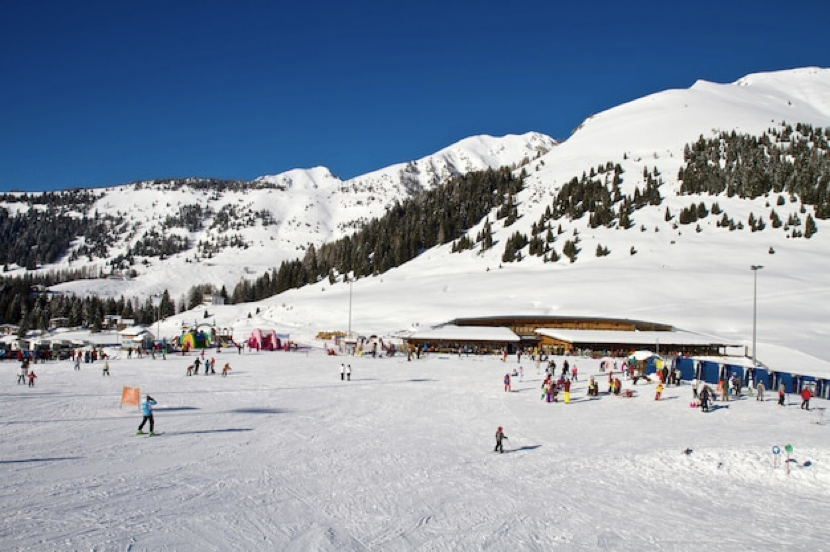
When we reached Gulmarg, the first thing I realized was that everyone around me had been let down. Instead of the gleaming white canvases that drew skiers and boarders from across this country, parts appeared painted in brown earth under thin layers of manmade snow. There was talk everywhere, among locals and travelers alike of the matter; a tale being spun out across every conversation.
One of the more immediate consequences was how quickly tourists stopped coming. The allure of newly opened, snowy slopes lures many visitors and that is a big portion missing without skiing. As a result, potential travelers were left let down and decided to head elsewhere on vacation in search of that perfect snowy ski slope. The place felt less like the busy winter village it is supposed to be with fewer skiers in lodges, restaurants and shops reporting a decline in sales.
Impacts on Business
This decrease would fall particularly hard on local businesses which are most dependent for their livelihoods from the winter tourist season. Hotels and resorts were left with stagnant rooms that usually are full to capacity in peak winter months. With a slack in footfall, restaurant owners who churn out traditional Kashmiri food for tourists were negatively impacted. Its economic ripple effect was stark, affecting everyone from ski rental shops to souvenir stands. Hundreds of small businesses, fighting to stay alive, had no choice but to lay off employees or reduce services-adding more economic woes for the community.
More Impacts
And not to be ruled out is the psychological trauma among villagers, Skiing has been Gulmarg's hallmark for generations. The lack of snow has not only put their livelihoods at risk, but it has also taken away a sense of pride and continues to pull them apart. The elders described a feeling of nostalgia and mourning as they remembered skiing the slopes in their youth. Fewer chances arose for younger generations, looking to follow in their footsteps as ski instructors or tour guides when the industry was shrinking.
A crisis that has seen a remarkable response in terms of local administration and community adapting to find an answer. They have tried to step up snow making and cover the hills with man-made white stuff it has forged from machines instead of God. This comes at a considerable financial and energy cost, but is the only way to keep some kind of skiing season going. On top of that, the village has added to its off-season tourism potential by organizing summer tours including hiking and paragliding along with other cultural visits.
Conclusion
In sum, the snow drought has ravaged Gulmarg's ski resort village and hit hard on their economy, culture & eventually the lives of its people. But it has also unleashed a time of reflection and reinvention, propelling fresh ideas for survival and expansion.

An Overall Summary of Machine Learning's Roles
Whether it's tailored content on streaming sites or self-driving cars that can melt into, say, Tehran traffic, machine learning's implications are vast and, in some cases, still not fully understood. To understand the impact fully, one must look more closely at the role machine learning is playing in our world, at its benefits, challenges, and what it may hold in future.Machine learning is, essentially, a sub-type of artificial intelligence that teaches computer systems to learn from data, recognize patterns and make decisions, all with little human intervention. However, unlike typical programs that you hand to the PC to follow, ML models learn by being given lots and lots of data. This adaptability and versatility is what makes machine learning so useful in applications where there's a large amount of data, but manual analysis would be neither feasible nor comprehensively reproducible.Consumer tech is one of the most obvious use-cases for machine learning. Companies such as Netflix, Amazon, and Spotify use ML algorithms to understand user behaviour and to provide recommended content. These solutions not only improve the user experience, but they also increase engagement and money. Likewise, virtual assistants like Siri, Alexa, and Google Assistant use a form of machine learning called natural language processing (NLP) to understand and answer human questions. The ease of use of such technologies is a testament to ML's impact on making tasks easier and more accessible.Outside of the consumer space, machine learning is transforming the world of healthcare, finance and manufacturing. ML algorithms are also employed in healthcare to diagnose diseases, forecast patient sickness, and even help discover new drugs. For example, image recognition models are able to closely and effectively analyze medical scans, helping radiologists diagnose conditions such as cancer more rapidly. In finance, machine learning ensures the industry can keep its fraud detection systems, algorithmic trading and credit scoring running optimally while diminish risks and streamline business operations. On the manufacturing front, predictive maintenance with ML prevents downtime by predicting ahead of time when equipment failure might strike.Despite its benefits, machine learning is not free of challenges. One of the main concerns is ethical consideration of discrimination in algorithms. Because ML models are trained on historical data, they can pick up biases and unfairly biased outcomes can then occur in hiring, lending, law enforcement and other areas. This problem can only be tackled by ensuring fairness in the training data, and by creating fair-aware algorithms. Moreover, the “black box” problem for some ML models, especially deep learning algorithms, has the potential to compromise transparency. When decisions are rendered by complex algorithms that the designers themselves cannot fully understand, the issue of accountability looms large.Another issue is the carbon and computational cost of training huge ML models. State-of-the-art algorithms like those that power generative AI take an unfathomable amount of data and machine power to run, meaning a huge amount of energy consumption. As interest continues to grow in more complex models, sustainable options will be essential to reduce the environmental impact of machine learning.In the future, breakthroughs in domains such as reinforcement learning and quantum computing could produce entirely new capabilities that allow machines to solve problems they currently can't. Additionally, when ML becomes combined with other disruptive technologies, including the Internet of Things (IoT), blockchain will result in new and disruptive solutions across domains. As an example, smart cities might leverage ML for optimizing traffic flow, reducing energy consumption, and enhancing public safety.In summary, machine learning is the bedrock of contemporary technological advancement with its impact being felt in all fields of life. Its potential is undeniable, but there are ethical, transparency and sustainability issues to be worked out in order to develop it in a responsible way. As we grapple with the power and prospects of ML, it is becoming increasingly apparent that the future of ML is the future of society and that society's relationship to ML will only become more inextricable. The story of machine learning is by no means finished, and the next chapters are likely to be as fantastic as any of the others.

Does Your Coffee Cup Affect the Taste of Your Coffee
Coffee is a necessity for many people every morning, and for coffee lovers, a good cup of coffee is not only about choosing the right beans and cooking methods, but also about using the right coffee utensils, such as coffee cups.This article will explore the potential impact of coffee cups.First of all, the material of the coffee cup is an important consideration. Common coffee mug materials include ceramic, glass and stainless steel. Ceramic cups are the most common choice because they are able to maintain the temperature of the coffee and do not have a noticeable effect on the taste of the coffee. Ceramic is very helpful for maintaining the heat and stability of the coffee, which allows the coffee to maintain the ideal temperature in the cup, making the taste more comfortable. On the other hand, the glass has good transparency, which allows people to appreciate the color and layering of the coffee. However, the glass is less able to retain heat and the coffee may cool more quickly. Stainless steel cups have excellent thermal insulation properties and can keep the temperature of coffee for a long time, but the material of stainless steel may have a certain impact on the taste of coffee.Secondly, the shape of the coffee cup may also have an effect on the taste of the coffee. The shape of the coffee cup can affect the smell, taste and caffeine content of the coffee. For example, a round cup can help the aroma of coffee concentrate better, making it easier to taste the aroma of coffee. For lighter coffee, such as Americano, you can choose a larger caliber cup to better experience the taste of coffee. In addition, the bottom shape of the cup may also have an impact on the taste of the coffee. A cup with a narrower bottom may make the coffee taste more intense, while a cup with a wider bottom may make the coffee taste more balanced.
Cote d’ Azur in France: The Best Coastline
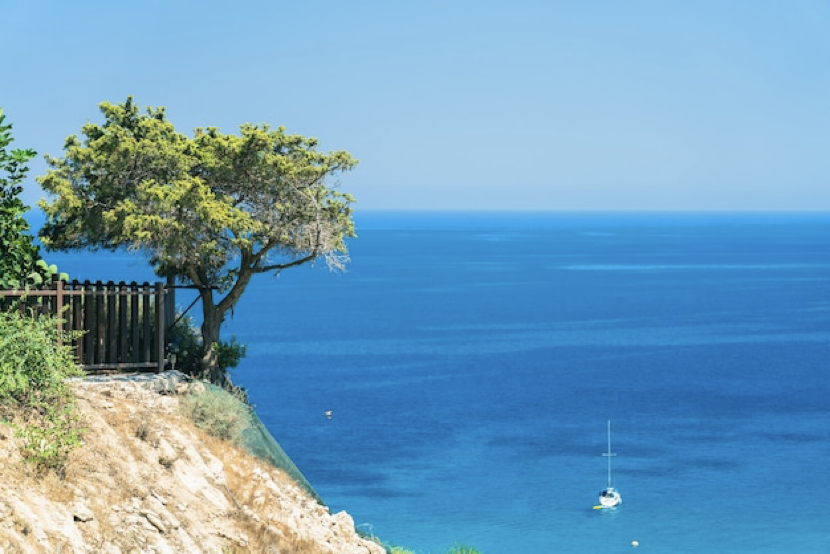
The Cote d’ Azur in France, a luminous and brilliant pearl of Mediterranean area, winds its way from Marseilles to the Italy boundary which is regarded and considered as one of the best coast lines in the world for its fascinating natural scenery, enriched cultural relic and fancy lifestyles. No matter the sun-kissed beached, old towns with long history, or the world-class arts and cultures, the Cote d’ Azur seduces and attracts visitors all over the world through its uniqueness and speciality.Natural SceneryTo begin with, the most outstanding glamour of Cote d’ Azur lies in the natural views with no doubt. One hundred and fifteen miles’ coastline, sandy but soft beach and azure but clear sea all belong to the one and only Cote d’ Azur. One famous beach is Promenade des Anglais which is the must-go resort among visitors. A seven-miles revenue near the sea and palm trees provides travelers a romantic chance to walk, enjoy the breeze and the scene. Besides, famous towns like Saint-Tropez and Cannes are also tourists attraction worth visiting. Therefore, Cote d’ Azur is an enjoyable wonderland for sunshine, beaches and sea.Cultural RelicsDespite natural scenes, Cote d’ Azur also shine in rich cultural relics. Vieux Nice offers us the chance to see constructions and buildings which were established three hundred years ago. You can learn from the old streets, colorful houses which witnessed a myriad of historic stories. As is known to all, Cannes is popular and famous with the film festival. Every May, movie stars and celebrities all over the world come here to celebrate the film’s biggest event. If you are lucky enough, you may see Oscar winners, Golden Globe winners, British Academy Film Awards winners, Screen Actors Guild Awards winners and more. Famous directors, producers, actors and actresses will greet with you face to face. Thereby, visiting Cote d’ Azur is not just for a trip, but also make you encounter the stars you like. In addition, Monaco is also a town can not be ignored because the famous Monte Carlo Casino is a place you can not miss.Arts and CultureNow let’s see how Cote d’ Azur attracts travelers in arts and culture. Picasso and Matisse are renown artists, one of the common points of them is that they both created works in Cote d’ Azur. Cote d’ Azur inspires hundreds of great men, a great quantity of art works are still reserved in the art gallery and museums in Nice. From ancient masterpieces to modern creations, you can see whatever you can imagine and can’t imagine. What’s more, numberless music and art festivals enrich the spirit of this town, for example, Nice carnival. Hope you can catch this great moment when you arrive there.ConclusionIn short, Cote d’ Azur in France is a place deserve your visit which can fulfill and reach your expectation and gratification. Don’t make heartbeat just beat all the time, move on, you can fly there just with a ticket.

Zanzibar: The Scented Paradise Islands of Africa
Located in the warm, blue seas of the Indian Ocean off Africa´s east coast are beautiful Zanzibar islands. They are the Spice Islands, unique and otherworldly: a sensory-laden dream of natural beauty, culture, history.Overview of ZanzibarAlthough Zanzibar is an archipelago with many small islands, the two main ones are Unguja (which everyone calls "Zanzibar") and Pemba. On top of this, the islands are a wonderful fusion Africa Arab India and Europe— Each tile has been added to trade in addition to cultural change over many centuries. You smelled the island before you even landed, sweet salty sea mixed with verdant earth. The islands as a whole are famous for their verdure, counting every shade of green to be displayed in its flora. The wind stirs the palm trees slowly, and their fronds rustle in a calming island beat.Why Is Zanzibar ScentedThese islands were so-named "Spice Islands" as they have been the sites of spice gardens for a long time. You can almost smell the scents of various spices wafting through the spice plantations. It smells of cloves — warm and spicy, nutmeg sweet-tart, cinnamon sassy-zingy. The spice trade was big business on Zanzibar from the 19th century, and today these spices remain a key ingredient in island life.That of Zanzibar, a rich history almost as spices themselves. A.UNESCO World Heritage Site, Old Stone Town on Unguja Island is a maze-like web of narrow streets and alleyways flanked by intricately carved wooden doors. The scent of old wood and centuries-old scents of incense hang heavy in the air. The architecture of Stone Town is a reflection of the widening and narrowing influence on island's unusual history.What Can You EnjoyZanzibar beaches is famed for its beaches of endless white coral sand that stretches, Meeting azure Water. This is where the sea smells strongest, of brine and salted ocean — complemented by fresh clean sun-heated sand. It is somewhere that the woes and troubles of the world can convalesce under a blanket of lapping waves, salt in air.The islands turn golden as the sun begins to set on this part of the Indian Ocean and smoke from cooking fires drifts through villages. It's when islands come alive with laughter and chit chat; locals join visitors to the table where they tell stories.It does not stop there, the food of Zanzibar is a unique medieval sensory journey with every flavor and scent representing an era in history. From the fiery kick of a perfectly executed curry to the sweet, juicy flavour that can only come from fresh tropical fruits each mouthful is a taste sensation representing years of mixing Arab influences with local styles and its all too easy to allow oneself be swept along on an exotic culinary journey.ConclusionZanzibar in its entirety is a fragrant paradise that entices the senses and calms an anxious heart. A distinctive blend of natural wonder, cultural allure and historical mystery makes the islands an ideal destination to experience warm hospitality. Even if you are only relaxing on beach, wandering stone town or going spice plantation tours—The Scented Paradise of Zanzibar leaves an imprint long after your holiday is over.

How to Maintain a Bike
As a convenient and environmentally friendly means of transport, bicycle is more and more attractive among people.However,it also needs to be properly maintained. This article will detail the steps and precautions on how to maintain your bike.1.Regular cleaningCleanliness is the foundation of bike maintenance. Regular cleanliness curtails dustand dirt from your bike and prevents them from causing damageto your bike. It is recommended to clean the bike at least once a week, especially after riding in rainy days and muddy roads. To clean, first rinse the surface of the bike with water, and then wipe it clean with a clean cloth. Be careful not to use cleaners containing chemicals, so as not to cause corrosion to the bike.2.Check the tire pressureTire pressure is an important factor that affects bicycle running. Low or high air pressure will affect the comfort and safety of riding. Therefore, tire pressure should be checked before each ride. If tire pressure is found to be insufficient, it is necessary to replenish gas in time. At the same time, it is also necessary to regularly check the wear of the tire, if the tire wear is serious, it should be replaced in time.3.Adjust the brakeBrake is an important part to ensure riding safety. Regular check and adjustment of the brakes can ensure the sensitivity and reliability of the brakes. If it is found that the brake is not working or the adjustment is improper, it should be adjusted in time. When adjusting, it is necessary to ensure that the angle of the brake handle and the handlebar is appropriate, and the gap between the brake pad and the brake disc is moderate. At the same time, pay attention to the tightness of the brake line to prevent the brake line from being too tight or too loose.