


How to Maintain a Bike
As a convenient and environmentally friendly means of transport, bicycle is more and more attractive among people.
However, it also needs to be properly maintained. This article will detail the steps and precautions on how to maintain your bike.
1.Regular cleaning
Cleanliness is the foundation of bike maintenance. Regular cleanliness curtails dust and dirt from your bike and prevents them from causing damage to your bike. It is recommended to clean the bike at least once a week, especially after riding in rainy days and muddy roads. To clean, first rinse the surface of the bike with water, and then wipe it clean with a clean cloth. Be careful not to use cleaners containing chemicals, so as not to cause corrosion to the bike.
2.Check the tire pressure
Tire pressure is an important factor that affects bicycle running. Low or high air pressure will affect the comfort and safety of riding. Therefore, tire pressure should be checked before each ride. If tire pressure is found to be insufficient, it is necessary to replenish gas in time. At the same time, it is also necessary to regularly check the wear of the tire, if the tire wear is serious, it should be replaced in time.

3.Adjust the brake
Brake is an important part to ensure riding safety. Regular check and adjustment of the brakes can ensure the sensitivity and reliability of the brakes. If it is found that the brake is not working or the adjustment is improper, it should be adjusted in time. When adjusting, it is necessary to ensure that the angle of the brake handle and the handlebar is appropriate, and the gap between the brake pad and the brake disc is moderate. At the same time, pay attention to the tightness of the brake line to prevent the brake line from being too tight or too loose.
4.Check the chain and sprocket
Chains and sprockets are a significant piece of the bike transmission framework. Customary review and cleaning of the chain and sprocket can guarantee the ordinary activity of the transmission framework. In the event that the chain or sprocket is viewed as worn or free, it ought to be supplanted or changed in time. While cleaning, wipe the chain and sprocket with a spotless fabric, don't utilize compound cleaning specialists.
5. Check the frame and wheels
The stability of frame and wheel is an important factor affecting riding comfort and safety. Regularly check the welding points and screws of the frame and wheels for loosening or damage, and repair or replace them in time if problems are found. At the same time, it is also necessary to pay attention to the stability and steering flexibility of the handlebars to ensure the comfort and safety of the ride.

6. Storage environment
The storage environment of the bicycle also has a great impact on its maintenance. It is recommended to store the bike in a dry, ventilated place, away from direct sunlight and humidity. If the bike is not used for a long time, it should be removed and wiped regularly to prevent rust and dust accumulation.
7. Regular inspection
In addition to daily maintenance, the bike should be fully inspected regularly. A full inspection can be carried out every quarter or half a year to ensure the normal operation of the various components of the bike. In the inspection, the various components should be carefully observed and tested, such as brakes, chains, tires, etc., to ensure that they are in good working condition.
In short, a bicycle’s upkeep requires daily attention and regular checks. By regular cleaning, checking the tire pressure, adjusting the brakes, checking the chain and sprocket, checking the frame and wheels, and paying attention to the storage environment, you can effectively extend the life of the bike and maintain a good riding experience. Let's take good care of our bicycles and enjoy a healthy cycling life!
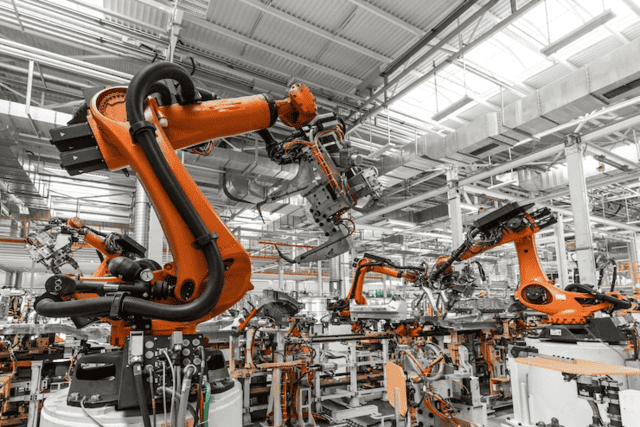
The Rise of Assembly Robots
Precision, speed, and flexibility for manufacturing leave assembly robots to the machines to perform the high-precision, repetitive movements required for simple tasks with pinpoint accuracy and blistering speed. Today, these kind of robotic systems are the staple workhorses of industry providing huge benefits over man power and are part of.Advantages of Assembly Robots1.Extraordinary PrecisionRobotic assemblers don't tire like human workers, nor do they make mistakes. The result is each piece is built to precise dimensions. This decreases defects and enhances product dependability which is crucial for applications like aerospace and medical device production. Also, robots can work 24/7, which is able to considerably increase productivity with lower cycle times.2.Cost-efficiencyWhile robots are expensive to buy and implement, the cost can be justified in terms of labor savings, waste savings and increased throughput. Furthermore, robots improve workplace safety by performing safety sensitive operations, thus reducing the number of accidents.Current ApplicationsThe assembly robot is a common feature in many different industries. Welding, bolting and attaching parts in the car industry, this job has to be done with perfect precision as millions on millions car are built within no time. Robotic machines are used by electronics manufacturers to position minuscule components on circuit boards with a precision of a micron, an assignment that is nearly impossible for human hands. In a food and beverage 3 industry, robotic arms are used to package and sort food and beverages safely while maintaining cleanliness and meeting stringent standards.There is big potential for assembly robots beyond factory production, like custom-furniture assembly and even 3D-printed construction. Collaborative robots, which are engineered to work alongside humans, are becoming more popular in shops where flexibility and usability are important.Selecting the Most Suitable Assembly RobotFirst, manufacturers need to consider the necessary payload and range of motion, smaller robots work well for delicate tasks such as electronics assembly, whereas larger robots are typically used for heavy-duty tasks. Both are also important and the faster robot is good for high-product production while a slower, more accurate robot is better for detailed work.Programming flexibility is another factor. Other robots follow pre-written commands, and some also rely on AI and machine learning to adjust to real-time variability. They should also check out possible integration with available machines and software. Finally, the budget and anticipated return-of-investment are also deciding factors.The Future of Assembly RobotsThe future for automation in assembly robotics is well on track for revolutionary trends. With the emergence of AI and IoT, the robotics will become smarter as they will be able to perform preventive maintenance and self-optimization. Improved gripper tech and tactile sensors will mean robots are dealing with delicate or asymmetrical objects better.One of the other exciting trends is the emergence of mobile assembly robotics that can move around the factory floor without human intervention, dynamically reconfiguring their jobs based on changing production requirements. Moreover, as robotics continue to decrease in cost, small and medium sized businesses will begin to implement automation, putting advanced manufacturing technologies in the hands of more and more people.Eventually, fully autonomous smart factories might be the standard and robots talk to each other, self-optimize production processes and are employed to the least degree possible. As sustainability becomes a key priority, energy-efficient robots running on renewable sources of energy will continue lowering the ecological impact of production.ConclusionAssembly robots are changing the face of modern manufacturing through the relentless pursuit of precision, throughput, and safety. They are used in various fields, from the automotive industry to computer electronics, and can do more and more since technical progress is made. Companies have to consider several important factors in order to find the robot that suits their application best. In the long term, AI-enabled adaptive robotics will open even more doors to a new industrial era both smarter and more automated. Those machines are not only going to grow production, they're going to completely recast the very definition of what work even means in the manufacturing sector.

The Physical Benefits of Several Types of Exercise
In the fast-paced modern life, people are becoming more and more aware of the importance of physical health.This article will explore in detail the specific benefits of several different types of exercise to help readers better understand and choose the right type of exercise for them.1.Aerobic exercise: improve heart and lung functionAerobic exercise, such as running, swimming, cycling, etc., is an important means to improve heart and lung function. This type of exercise can increase the heart rate, improve the speed of blood circulation, and deliver sufficient oxygen and nutrients to all parts of the body. Long-term adherence to aerobic exercise can effectively reduce the risk of cardiovascular disease, enhance myocardial strength, and improve lung capacity. In addition, aerobic exercise can also promote fat burning, helping to lose weight and shape.2.Strength training: build muscle lines, improve the basal metabolic rateStrength Training can practice the muscle gatherings of the body and make a solid muscle line. Through strength training, we can further develop muscle strength and perseverance and increment bone thickness and strength, along these lines forestalling bone sicknesses like osteoporosis. Furthermore, muscle is the principal place where the body consumes energy, expanding bulk can build the basal metabolic rate, so we can likewise consume more energy when we are very still, which assists with shedding pounds and keep up with the figure.3.Flexibility training: Relieve muscle tension and prevent sports injuriesFlexibility training, like yoga, Pilates, extending, and so forth, can upgrade the adaptability of the body and the adaptability of the joints. This sort of activity can assist us with easing muscle pressure and forestall muscle solidness and torment brought about by standing firm on a similar foothold for quite a while. Simultaneously, adaptability preparing additionally works on joint scope of movement and diminishes the gamble of sports wounds. Long haul adherence to adaptability preparing can make us more agreeable in sports and further develop sports execution.

Muğla: A Neglected Pearl in the Mediterranean
Muğla, a place which nestles in southwest Turkey, is not popular as those famous resorts around the Mediterranean sea, such as Izmir, Antalya, and Fetesier. However, a myriad of glamours and unique style in this land are waiting for the travelers who are willing to come and explore.Incomparable LocationThe geographical location is a stunning point, which situates the intersection of Aegean sea and Mediterranean sea and a million miles coast line belongs to it. The natural landscape here is colorful but majestic: from blue sea to lofty mountains, from golden beach to green olive park, everything the light touches is the kingdom of Muğla, a masterpiece from the grand natural. There are various beautiful scenes in Muğla, but one that amazes me the most is the coast line. The sea is so clear that I can almost see the bottom of it; The sand is so soft that just feel like touching silk, and the hidden bay is so romantic that I want to rendezvous a lover there, all these magnificent views make Muğla a perfect paradise for travel.Brilliant HistoryHowever, the above introduction is just an iceberg of it, the historic and cultural power will also astonish your eyes. Although the city is not that large, it’s still full of energies and enthusiasms. The archaic wall, narrow street and the traditional Turkey constructions remind me of the period hundreds years ago. The nearby villages are worth traveling, too, like Kayaköy near Fetesier, a forlorn Greek county which has been an open-air museum telling the vicissitudes of history.Spectacular CultureAnother highlight is its ample cultural relics. This is a place used to be the intersection ofAncient Greece, Rome, and the Byzantine Empire, which is full of historic relics. For example, the renown Miletus which used to be the heart of union of Ionian but remains ruins today, however, you can still feel its past glory when you see in person. Besides, a plenty of well-protected ancient theaters, temples and bathing beaches are witnessing the long history of this place.Amazing Natural SceneryThe natural views are also glorious. Lots of national parks and natural reserves like Dalyan Delta National Park make here lively and active. An abundance of rare birds and animals regard here as their habitats, if you are a bird-lover, you must come here. What’s more, here is also a heaven for those who loves hiking and adventure, for example, Büyük Menderes Delta has a grand view, it is a pity if you can not see in your lifetime.

7 Key Nutrients Everyone Needs to Ensure Daily Intake
In a world where food is abundant, surprisingly, many people still struggle to consume adequate amounts of essential nutrients. According to recent studies, billions of individuals worldwide are deficient in at least seven critical nutrients, which can lead to serious health issues. Understanding these nutrients and how to incorporate them into your diet can significantly enhance your well-being. Here’s a look at these essential nutrients and practical tips for ensuring you get enough of them.IronIron is crucial for producing hemoglobin, which carries oxygen in the blood. Deficiencies can lead to anemia, fatigue, and weakened immune function.Sources:1.Animal Sources: Red meat, poultry, and fish contain heme iron, which is easily absorbed.2.Plant Sources: Lentils, beans, tofu, spinach, and fortified cereals provide non-heme iron. Pair these with vitamin C-rich foods (like citrus fruits) to enhance absorption.Vitamin DVitamin D is essential for bone health, immune function, and mood regulation. A deficiency can result in weakened bones and increased risk of chronic diseases.Sources:1.Sunlight: Spending 10-30 minutes in the sun several times a week can help your body produce enough vitamin D.2.Dietary Sources: Fatty fish (like salmon and mackerel), fortified dairy products, and egg yolks are excellent sources. If you live in a region with limited sunlight, consider a vitamin D supplement.CalciumCalcium is vital for strong bones and teeth, muscle function, and nerve signaling. Insufficient calcium intake can lead to osteoporosis and other health issues.Sources:1.Dairy Products: Milk, yogurt, and cheese are rich in calcium.2.Plant Sources: Leafy greens (such as kale and bok choy), almonds, and fortified plant-based milks are good alternatives for those who are lactose intolerant.PotassiumPotassium helps regulate fluid balance, muscle contractions, and nerve signals. Low potassium levels can lead to high blood pressure and increased risk of stroke.Sources:1.Fruits and Vegetables: Bananas, oranges, potatoes, spinach, and avocados are excellent sources of potassium.2.Legumes: Beans and lentils also contribute to your potassium intake.MagnesiumMagnesium is involved in over 300 biochemical reactions in the body, including energy production, protein synthesis, and muscle function. A deficiency can lead to muscle cramps, fatigue, and anxiety.Sources:1.Nuts and Seeds: Almonds, cashews, and pumpkin seeds are rich in magnesium.2.Whole Grains: Brown rice, quinoa, and whole wheat products provide significant amounts of this mineral.

Studies Indicate Nearly Two-thirds of Baby Food Tested Fail to Meet Basic Health Standards
In recent years, there has been growing concern over the nutritional quality of baby foods available in supermarkets. A significant number of studies have revealed that nearly two-thirds of these products are unhealthy, raising serious questions about the health and well-being of infants and toddlers. This article delves into the reasons behind this alarming statistic and examines the ingredients that make these baby foods unhealthy.The Problem with Supermarket Baby FoodsThe primary issue with supermarket baby foods is their nutritional composition. Many of these products are high in sugar, salt, and unhealthy fats, while being low in essential nutrients such as vitamins, minerals, and fiber. This imbalance can have detrimental effects on a child's developing body and brain, potentially leading to long-term health issues.High Sugar ContentOne of the most concerning aspects of supermarket baby foods is their high sugar content. Many products contain added sugars, which are not only unnecessary for infants but can also contribute to obesity, dental decay, and other health problems. According to a study by the World Health Organization (WHO), infants should consume no more than 5% of their daily calories from free sugars, yet many baby foods exceed this limit. The sugar content in these products often comes from sources such as fruit concentrates, syrups, and even hidden sugars in flavored yogurts and cereals. While natural sugars from fruits are generally acceptable, the added sugars in these products can lead to a preference for sweet foods later in life, making it harder for children to develop healthy eating habits.Excessive SaltAnother major issue with supermarket baby foods is their high salt content. Infants have a much lower tolerance for salt than adults, and excessive salt intake can lead to high blood pressure, kidney damage, and other health problems. The American Academy of Pediatrics (AAP) recommends that infants consume no more than 1 gram of salt per day, but many baby foods contain significantly more. Salt is often added to baby foods to enhance flavor, but this practice can have serious consequences. In addition to the health risks associated with high salt intake, it can also mask the natural flavors of the ingredients, making it harder for children to develop a taste for healthy, whole foods.Unhealthy FatsMany supermarket baby foods also contain unhealthy fats, such as trans fats and saturated fats. These fats can increase the risk of heart disease, obesity, and other health problems. While some fat is essential for a child's growth and development, the type of fat is crucial. Healthy fats, such as those found in avocados, nuts, and olive oil, are important for brain development and overall health. Unfortunately, many baby foods contain unhealthy fats from sources such as palm oil, hydrogenated oils, and animal fats. These fats can contribute to inflammation, insulin resistance, and other metabolic issues, making it essential to choose baby foods that are low in unhealthy fats and high in healthy fats.Lack of Essential NutrientsIn addition to the high sugar, salt, and unhealthy fat content, many supermarket baby foods are also lacking in essential nutrients. These products often contain low levels of vitamins, minerals, and fiber, which are crucial for a child's growth and development. For example, many baby cereals are fortified with iron, but they may be low in other essential nutrients such as calcium, vitamin D, and omega-3 fatty acids. The lack of essential nutrients in these products can lead to deficiencies that may affect a child's physical and cognitive development. It is important for parents to choose baby foods that are rich in a variety of nutrients to ensure that their child is getting the necessary building blocks for a healthy life.