


Studies Indicate Nearly Two-thirds of Baby Food Tested Fail to Meet Basic Health Standards
In recent years, there has been growing concern over the nutritional quality of baby foods available in supermarkets. A significant number of studies have revealed that nearly two-thirds of these products are unhealthy, raising serious questions about the health and well-being of infants and toddlers. This article delves into the reasons behind this alarming statistic and examines the ingredients that make these baby foods unhealthy.
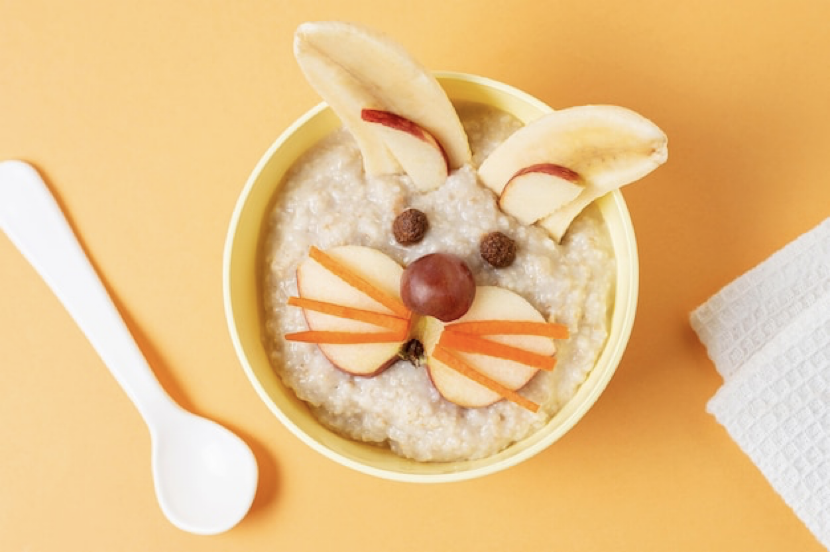
The Problem with Supermarket Baby Foods
The primary issue with supermarket baby foods is their nutritional composition. Many of these products are high in sugar, salt, and unhealthy fats, while being low in essential nutrients such as vitamins, minerals, and fiber. This imbalance can have detrimental effects on a child's developing body and brain, potentially leading to long-term health issues.
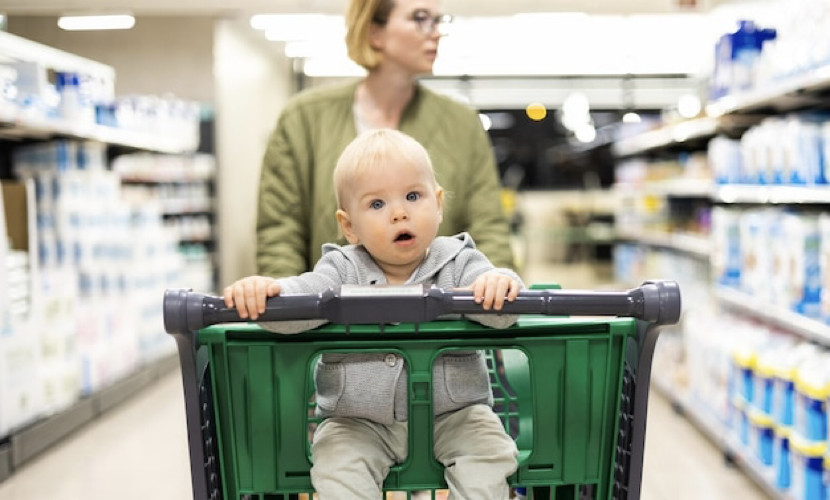
High Sugar Content
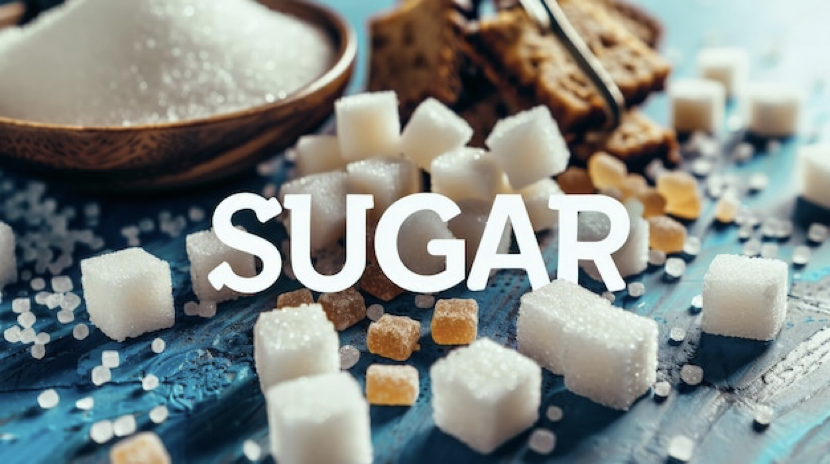
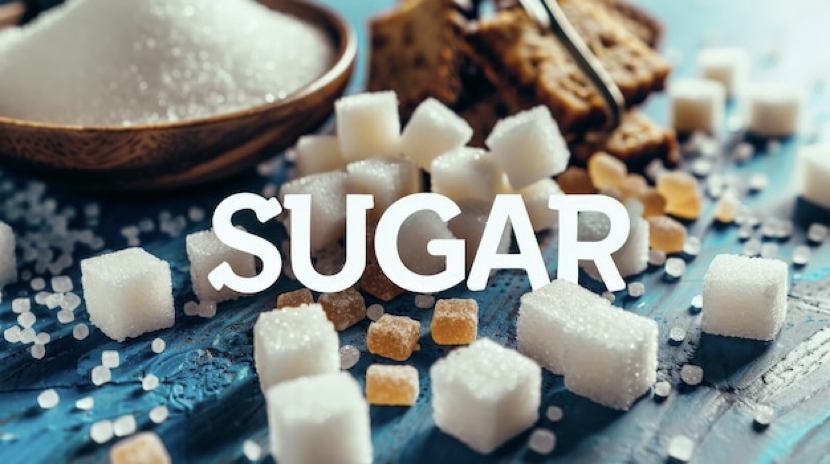
One of the most concerning aspects of supermarket baby foods is their high sugar content. Many products contain added sugars, which are not only unnecessary for infants but can also contribute to obesity, dental decay, and other health problems. According to a study by the World Health Organization (WHO), infants should consume no more than 5% of their daily calories from free sugars, yet many baby foods exceed this limit. The sugar content in these products often comes from sources such as fruit concentrates, syrups, and even hidden sugars in flavored yogurts and cereals. While natural sugars from fruits are generally acceptable, the added sugars in these products can lead to a preference for sweet foods later in life, making it harder for children to develop healthy eating habits.
Excessive Salt
Another major issue with supermarket baby foods is their high salt content. Infants have a much lower tolerance for salt than adults, and excessive salt intake can lead to high blood pressure, kidney damage, and other health problems. The American Academy of Pediatrics (AAP) recommends that infants consume no more than 1 gram of salt per day, but many baby foods contain significantly more. Salt is often added to baby foods to enhance flavor, but this practice can have serious consequences. In addition to the health risks associated with high salt intake, it can also mask the natural flavors of the ingredients, making it harder for children to develop a taste for healthy, whole foods.

Unhealthy Fats
Many supermarket baby foods also contain unhealthy fats, such as trans fats and saturated fats. These fats can increase the risk of heart disease, obesity, and other health problems. While some fat is essential for a child's growth and development, the type of fat is crucial. Healthy fats, such as those found in avocados, nuts, and olive oil, are important for brain development and overall health. Unfortunately, many baby foods contain unhealthy fats from sources such as palm oil, hydrogenated oils, and animal fats. These fats can contribute to inflammation, insulin resistance, and other metabolic issues, making it essential to choose baby foods that are low in unhealthy fats and high in healthy fats.

Lack of Essential Nutrients
In addition to the high sugar, salt, and unhealthy fat content, many supermarket baby foods are also lacking in essential nutrients. These products often contain low levels of vitamins, minerals, and fiber, which are crucial for a child's growth and development. For example, many baby cereals are fortified with iron, but they may be low in other essential nutrients such as calcium, vitamin D, and omega-3 fatty acids. The lack of essential nutrients in these products can lead to deficiencies that may affect a child's physical and cognitive development. It is important for parents to choose baby foods that are rich in a variety of nutrients to ensure that their child is getting the necessary building blocks for a healthy life.
Conclusion
The fact that nearly two-thirds of supermarket baby foods are unhealthy is a cause for concern. The high sugar, salt, and unhealthy fat content, combined with the lack of essential nutrients, can have serious consequences for a child's health. Parents should be vigilant when selecting baby foods, opting for products that are low in sugar, salt, and unhealthy fats, and high in essential nutrients.

Wig Basics
This article will introduce the basic knowledge of wigs, including the types of wigs, materials, selection and care.The type of wig1. Full Wig: A full wig is a wig product that covers the entire head, similar to a hat, and can completely change the hairstyle and hair color. Full wigs are usually made of synthetic or human hair and come with an adjustable cap to accommodate different head sizes.2. Hair Piece: A hair piece is a small piece of wig, usually used to increase the volume of hair or cover certain areas of baldness. Hair pieces can be fixed to natural hair to make the hairstyle more full and natural.3. Hair Extensions: A wig is a long, thin piece of hair that is usually used to extend the length of natural hair. They can be attached to natural hair by means of clips, adhesives, or braiding.4. Hair Toppers: Hair toppers are a type of wig product similar to hair pieces, but larger and thicker, usually used to cover bald or sparse areas on the top of the head.Choose the right wig1. Color and style: Choosing the right wig color and style is very important to ensure that it matches natural hair and meets personal preferences. You can choose a color that is similar to your natural hair, or try new hair colors to add variety.2. Head circumference and size: The wig needs to match the head circumference size to ensure comfort and stability. You can choose the right wig size based on your head circumference, or choose a wig with an adjustable cap.3. Material and quality: Choose the right wig material according to your personal needs and budget. Synthetic wigs are suitable for short-term use and low cost needs, while human hair wigs are suitable for long-term use and higher quality requirements.

Constant Use of Phones by Parents Can Have Awful Effects on Their Children
In today's digital age, smartphones have become an integral part of our lives. They keep us connected, informed, and entertained. However, the constant use of these devices by parents can have profound effects on their children, both positive and negative. Understanding these impacts is crucial for parents who want to foster healthy relationships and ensure their children's well-being.The Immediate Impact: Emotional DisconnectionOne of the most immediate and noticeable effects of parents being on their phones a lot is emotional disconnection. Children, especially young ones, thrive on attention and interaction. When parents are engrossed in their phones, they may miss out on opportunities to engage with their children. This can lead to feelings of neglect or insecurity in the child. They may start to believe that their parent's phone is more important than they are, which can affect their self-esteem and emotional development.Research has shown that children who feel emotionally disconnected from their parents are more likely to experience anxiety, depression, and behavioral issues. They may act out in an attempt to regain their parent's attention, leading to a cycle of negative interactions. On the other hand, children who receive consistent and positive attention from their parents are more likely to develop strong emotional bonds and feel secure in their relationships.The Long-Term Consequences: Cognitive and Social DevelopmentThe long-term consequences of parental phone use on children extend beyond emotional well-being. Cognitive and social development can also be significantly impacted. Children learn by observing and imitating the behavior of the adults around them. When parents are constantly on their phones, children may pick up on this behavior and start using screens excessively themselves. This can lead to issues such as screen addiction, reduced attention spans, and difficulties in social interactions.Moreover, children who grow up in environments where their parents are often distracted by their phones may struggle with developing essential social skills. They may have fewer opportunities to practice communication, problem-solving, and empathy, which are crucial for building healthy relationships. In contrast, children who are actively engaged with their parents are more likely to develop strong social skills and a positive self-image.

Best Indian Trails For Hiking Enthusiasts
Home to some of the most amazing and spectacular trails for hiking, India is a country which provides an array of trekking that suits beginners as well as amateurs. The topography of the country, ranging from the snow capped Himalayas to forests filled Western Ghats in west India offers a plethora of challenges that is both monstrous and rewarding for any keen hiker. For Hiking, here are some of the best hiking trails in India.Kedarkantha Trek (Uttarakhand)Great for newcomers, intermediate trekkers as well the trail passes through cedar, and oak forests with some pine trees on top making a modest gradient that is easy on the knees. The purpose of this trek is to climb till the peak of Kedarkantha, a high elevation which stands at 12,500 feet from where you get an all rounded view, panoramic sightseeing point for the entire Himalayan range. This trek is best done in winter and early spring as the timing offers clean sky with views of snow capped mountains.Valley of Flowers Trek, UttarakhandThis trek is every plant men´s dream especially post monsoon when the valley comes alive with a riot of colors and variety alpine flowers. Easy walking, you walk over the glades, herded amplitudes and remoteness of waterfalls with Western Himalayas in dietary background; The trek is short and can be done in a day or two which makes it an ideal option for people who want to take pleasure of the Himalayas without adventuring much.Sandakphu Trek, West BengalIf you are someone who wants a longer adventure, we recommend the Sandakphu Trek. This is the highest trek in West Bengal and panoramic view of four out five top most peaks, including Mount Everest ensures your success here. Through rhododendron forests, alpine meadows and even small villages where you can still experience the local culture. The trek is advanced due to its challenging distance and altitude, however, the enchanting view from being at the highest point in all over West Bengal with the supreme colossus of mountains beneath separation will compensate for every arduous steps.Hampta Pass Trek, Himachal PradeshThis delightful moderate trek is a hiker's enduring and appealing trekking post for its attractive terrains with ample diversity of flora & fauna. This trail goes from the verdant Kullu Valley to dry, desolate Lahaul crossing Hampta Pass (14000ft). This trek offers striking vistas of the Pir Panjal and Dhauladhar mountain ranges, and is well suited for summer months when weather gets pleasant enough to enjoy them with vibrant wildflowers in full bloom.ConclusionIn short, spanning from the Himalayan slopes to Valley of flowers in bloom, there is a list much longer that will surprise you with some territories: Every trek is exceptional and defines in its own terms be it a view from Kedarkantha, Valley of Flowers blushing with flowers at every step, cultural peek into Sandakphu or the landscapes of Hampta Pass etc. These are great treks, tough and rewarding for hikers who want to push themselves through the incredible vistas of Indian mountains.
Studies Indicate Nearly Two-thirds of Baby Food Tested Fail to Meet Basic Health Standards
In recent years, there has been growing concern over the nutritional quality of baby foods available in supermarkets. A significant number of studies have revealed that nearly two-thirds of these products are unhealthy, raising serious questions about the health and well-being of infants and toddlers. This article delves into the reasons behind this alarming statistic and examines the ingredients that make these baby foods unhealthy.The Problem with Supermarket Baby FoodsThe primary issue with supermarket baby foods is their nutritional composition. Many of these products are high in sugar, salt, and unhealthy fats, while being low in essential nutrients such as vitamins, minerals, and fiber. This imbalance can have detrimental effects on a child's developing body and brain, potentially leading to long-term health issues.High Sugar ContentOne of the most concerning aspects of supermarket baby foods is their high sugar content. Many products contain added sugars, which are not only unnecessary for infants but can also contribute to obesity, dental decay, and other health problems. According to a study by the World Health Organization (WHO), infants should consume no more than 5% of their daily calories from free sugars, yet many baby foods exceed this limit. The sugar content in these products often comes from sources such as fruit concentrates, syrups, and even hidden sugars in flavored yogurts and cereals. While natural sugars from fruits are generally acceptable, the added sugars in these products can lead to a preference for sweet foods later in life, making it harder for children to develop healthy eating habits.Excessive SaltAnother major issue with supermarket baby foods is their high salt content. Infants have a much lower tolerance for salt than adults, and excessive salt intake can lead to high blood pressure, kidney damage, and other health problems. The American Academy of Pediatrics (AAP) recommends that infants consume no more than 1 gram of salt per day, but many baby foods contain significantly more. Salt is often added to baby foods to enhance flavor, but this practice can have serious consequences. In addition to the health risks associated with high salt intake, it can also mask the natural flavors of the ingredients, making it harder for children to develop a taste for healthy, whole foods.Unhealthy FatsMany supermarket baby foods also contain unhealthy fats, such as trans fats and saturated fats. These fats can increase the risk of heart disease, obesity, and other health problems. While some fat is essential for a child's growth and development, the type of fat is crucial. Healthy fats, such as those found in avocados, nuts, and olive oil, are important for brain development and overall health. Unfortunately, many baby foods contain unhealthy fats from sources such as palm oil, hydrogenated oils, and animal fats. These fats can contribute to inflammation, insulin resistance, and other metabolic issues, making it essential to choose baby foods that are low in unhealthy fats and high in healthy fats.Lack of Essential NutrientsIn addition to the high sugar, salt, and unhealthy fat content, many supermarket baby foods are also lacking in essential nutrients. These products often contain low levels of vitamins, minerals, and fiber, which are crucial for a child's growth and development. For example, many baby cereals are fortified with iron, but they may be low in other essential nutrients such as calcium, vitamin D, and omega-3 fatty acids. The lack of essential nutrients in these products can lead to deficiencies that may affect a child's physical and cognitive development. It is important for parents to choose baby foods that are rich in a variety of nutrients to ensure that their child is getting the necessary building blocks for a healthy life.
How to Use a Smart Dishwasher to Bring Convenience to Family Life
Having a smart dishwasher in your home can be a game-changer when it comes to simplifying daily chores and bringing convenience to family.With its advanced features and automation, a smart dishwasher can save time, water, and energy while ensuring sparkling clean dishes. Here are some tips on how to make the most out of a smart dishwasher to benefit your family life:Convenient Scheduling: Many smart dishwashers offer the flexibility to schedule wash cycles according to your family's routine. Take advantage of this feature by setting the dishwasher to run during off-peak hours, such as late at night, to save on energy costs. This way, you can wake up to a load of clean dishes and start your day hassle-free.Connectivity and Control: Some smart dishwashers can be controlled remotely through a mobile app. You can start, pause, or adjust the wash cycle from your smartphone, allowing you to manage your dishwasher even when you're not at home. This feature is especially useful for busy parents who may need to multitask or manage household chores from a distance.Energy Efficiency: Smart dishwashers often come with energy-saving modes and sensors that optimize water and energy usage based on load size and soil levels. By using these features, you can reduce your home's overall energy consumption and save on utility bills, contributing to a more sustainable lifestyle for your family.