


Wig Basics
This article will introduce the basic knowledge of wigs, including the types of wigs, materials, selection and care.
The type of wig
1. Full Wig: A full wig is a wig product that covers the entire head, similar to a hat, and can completely change the hairstyle and hair color. Full wigs are usually made of synthetic or human hair and come with an adjustable cap to accommodate different head sizes.
2. Hair Piece: A hair piece is a small piece of wig, usually used to increase the volume of hair or cover certain areas of baldness. Hair pieces can be fixed to natural hair to make the hairstyle more full and natural.
3. Hair Extensions: A wig is a long, thin piece of hair that is usually used to extend the length of natural hair. They can be attached to natural hair by means of clips, adhesives, or braiding.
4. Hair Toppers: Hair toppers are a type of wig product similar to hair pieces, but larger and thicker, usually used to cover bald or sparse areas on the top of the head.

Choose the right wig
1. Color and style: Choosing the right wig color and style is very important to ensure that it matches natural hair and meets personal preferences. You can choose a color that is similar to your natural hair, or try new hair colors to add variety.
2. Head circumference and size: The wig needs to match the head circumference size to ensure comfort and stability. You can choose the right wig size based on your head circumference, or choose a wig with an adjustable cap.
3. Material and quality: Choose the right wig material according to your personal needs and budget. Synthetic wigs are suitable for short-term use and low cost needs, while human hair wigs are suitable for long-term use and higher quality requirements.
Wig care
1. Cleaning: Wigs need to be cleaned regularly to keep them clean and hygienic. Special wig conditioners can be used, washed and treated according to the instructions.
2. Storage: When the wig is not in use, it should be stored in a clean, dry and well-ventilated place. Special wig holders or boxes can be used to store wigs and avoid knots and damage.
3. Heat treatment: Synthetic wigs are generally not resistant to high temperatures, so hot tools such as curling irons or hair straighteners should be avoided for perm or styling. Human hair wigs can withstand a certain degree of heat treatment, but it is still necessary to use heat tools carefully to avoid damaging the hair strands.
4. Combing: Use a wide tooth comb or special wig comb to gently comb the wig, avoiding excessive pulling and knotting. Before grooming, you can use a special wig spray or hair product to reduce static and keep it smooth.
5. Maintenance trim: Trim the wig regularly as needed to keep the hairstyle neat and orderly. You can have your hair cut by a professional stylist, or follow the instructions to trim it yourself.

Peroration
All in all, wigs are a common beauty product for human beings, and they provide functions such as changing hair styles, increasing hair volume, and covering baldness. Understanding and knowing the basics of wig types, materials, selection and care is crucial to choosing and using wigs. Hopefully this article will provide you with the basics about wigs and help you feel more confident and satisfied when using wigs.

Five Must-Have Gym Apparatuses for Beginners at Home
Embarking on a fitness journey from home can be invigorating and daunting, particularly for newbies. This might be one of the most overwhelming options regarding how to exercise. But a basic yet efficient home gym doesn't have to be expensive or take up a lot of room. Here's five must-have bits of kit that every newcomer should consider bringing to the table in order to maximize a home workout set-up.1.Yoga MatsOne of the most basic but essential items for your home gym is a yoga mat. Whether you are performing body weight exercises, stretching, yoga or Pilates, a high quality mat cushions your joints and helps prevent slippage between you and the floor. It creates a workout spot and keeps floor exercises such as planks, pushups and core work comfortable. Many novices tend to disregard the value of a mat until they have to do sit-ups on a hard floor, rest assured that sitting on one while at rest feels a whole lot better. Look for a non-slip, medium-thickness mat that strikes a balance between support and portability.2.Resistance BandsResistance bands are some of the most underrated but effective tools for beginners. These budget-friendly, lightweight bands come in different resistance levels, so you can work your way up in intensity as you get stronger. They're great for strength training, mobility work and even stretching. Resistance bands are compact and fit in a drawer as opposed to your standard clunky metal weights, so are also perfect for those with a tight amount of space to work out in. You can do squats, glute bridges, arm curls and even assisted pull-ups with them. Resistance bands are so versatile that they are an essential addition to the muscle building programme of anyone wishing to keep in shape without investing in bulky equipment.3.Adjustable DumbbellsAdjustable dumbbells are also an important piece of equipment. Although body weight exercises are excellent and are considered strength training exercises, using some light to moderate resistance can help speed up your strength gains. Adjustable dumbbells save space, and you don't have to waste time changing your weight plates. Beginners can begin with lower weights and progress to exercises such as bicep curls, shoulder presses and lunges, increasing the weight as their strength does. You only have to worry if you buy or prefer to work off weights that have big end that allow you to grow a big neck and that's with your table or floor, so dumbbells are also great for improving balance and coordination, which makes them a smart choice in a home that shouldn't run out of value anytime soon.4.Jump RopesA jump rope is an essential part of any home gym. Commonly perceived as a child's pastime, jumping rope is in fact a kickass full-body cardio exercise that burns calories, enhances coordination, and increases endurance. It's a great replacement for going for a run, especially if you don't have much outdoor space to move in. Newcomers can begin with basic hops and add advanced techniques, double-unders or crisscrosses, as they improve. You just need a lightweight and adjustable jump rope to rev up your heart in a matter of minutes.5.Stability BallsAt last, a stability ball (or Swiss ball) is an excellent device for core stability, balance training, and flexibility. Try sitting on a stability ball at work instead of a chair to work your core while at rest, or perform ball crunches, hamstring curls or back extensions to mix-it up during your workouts. Stability balls are available in various sizes, and by choosing one according to your height, you will be able to adopt correct technique and experience optimal results. They are also ideal for stretching post-workout to increase mobility.It doesn't have to be complicated or break your bank to start a home gym. Here, the five things first-time exercisers should invest in for a total beginner's workout space that covers all the bases of strength, cardio, and flexibility training, a yoga mat, a set of resistance bands, adjustable dumbbells, a jump rope, and a stability ball. These tools grow with you, too, providing endless opportunity for challenge as you get fit.
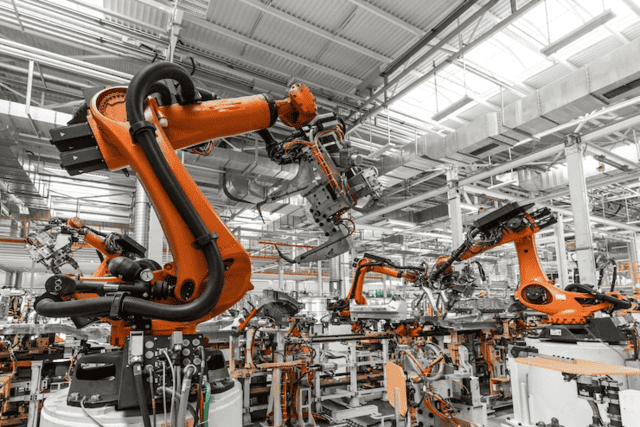
The Rise of Assembly Robots
Precision, speed, and flexibility for manufacturing leave assembly robots to the machines to perform the high-precision, repetitive movements required for simple tasks with pinpoint accuracy and blistering speed. Today, these kind of robotic systems are the staple workhorses of industry providing huge benefits over man power and are part of.Advantages of Assembly Robots1.Extraordinary PrecisionRobotic assemblers don't tire like human workers, nor do they make mistakes. The result is each piece is built to precise dimensions. This decreases defects and enhances product dependability which is crucial for applications like aerospace and medical device production. Also, robots can work 24/7, which is able to considerably increase productivity with lower cycle times.2.Cost-efficiencyWhile robots are expensive to buy and implement, the cost can be justified in terms of labor savings, waste savings and increased throughput. Furthermore, robots improve workplace safety by performing safety sensitive operations, thus reducing the number of accidents.Current ApplicationsThe assembly robot is a common feature in many different industries. Welding, bolting and attaching parts in the car industry, this job has to be done with perfect precision as millions on millions car are built within no time. Robotic machines are used by electronics manufacturers to position minuscule components on circuit boards with a precision of a micron, an assignment that is nearly impossible for human hands. In a food and beverage 3 industry, robotic arms are used to package and sort food and beverages safely while maintaining cleanliness and meeting stringent standards.There is big potential for assembly robots beyond factory production, like custom-furniture assembly and even 3D-printed construction. Collaborative robots, which are engineered to work alongside humans, are becoming more popular in shops where flexibility and usability are important.Selecting the Most Suitable Assembly RobotFirst, manufacturers need to consider the necessary payload and range of motion, smaller robots work well for delicate tasks such as electronics assembly, whereas larger robots are typically used for heavy-duty tasks. Both are also important and the faster robot is good for high-product production while a slower, more accurate robot is better for detailed work.Programming flexibility is another factor. Other robots follow pre-written commands, and some also rely on AI and machine learning to adjust to real-time variability. They should also check out possible integration with available machines and software. Finally, the budget and anticipated return-of-investment are also deciding factors.The Future of Assembly RobotsThe future for automation in assembly robotics is well on track for revolutionary trends. With the emergence of AI and IoT, the robotics will become smarter as they will be able to perform preventive maintenance and self-optimization. Improved gripper tech and tactile sensors will mean robots are dealing with delicate or asymmetrical objects better.One of the other exciting trends is the emergence of mobile assembly robotics that can move around the factory floor without human intervention, dynamically reconfiguring their jobs based on changing production requirements. Moreover, as robotics continue to decrease in cost, small and medium sized businesses will begin to implement automation, putting advanced manufacturing technologies in the hands of more and more people.Eventually, fully autonomous smart factories might be the standard and robots talk to each other, self-optimize production processes and are employed to the least degree possible. As sustainability becomes a key priority, energy-efficient robots running on renewable sources of energy will continue lowering the ecological impact of production.ConclusionAssembly robots are changing the face of modern manufacturing through the relentless pursuit of precision, throughput, and safety. They are used in various fields, from the automotive industry to computer electronics, and can do more and more since technical progress is made. Companies have to consider several important factors in order to find the robot that suits their application best. In the long term, AI-enabled adaptive robotics will open even more doors to a new industrial era both smarter and more automated. Those machines are not only going to grow production, they're going to completely recast the very definition of what work even means in the manufacturing sector.

Tailoring Fitness and Nutrition: Why Women Need a Different Way
When it comes to health and wellness, the adage "one size fits all" simply doesn't apply. Men and women have different physiological makeups, hormonal balances, and health needs, which means that their approaches to exercise and nutrition should be distinct. Understanding these differences is crucial for optimizing health outcomes and achieving fitness goals.The differences between men and women extend beyond the obvious physical characteristics. Women tend to have higher body fat percentages, different muscle distributions, and unique nutritional needs due to their menstrual cycles, childbearing capabilities, and hormonal fluctuations. This article delves into why women need to exercise and eat differently than men and provides guidance on how to do so effectively.Energy Requirements and Macronutrient BalanceWomen generally have lower energy requirements than men due to differences in size and muscle mass. However, the quality of calories consumed is just as important, if not more so. Women should focus on a balanced diet that includes:Protein: Essential for muscle repair and maintenance, but also crucial for hormone production and bone health.Fiber: Supports digestion, heart health, and blood sugar control.Healthy Fats: Necessary for hormone production and can help regulate appetite.Hormonal ConsiderationsWomen's hormonal cycles can significantly impact their energy levels, mood, and body composition. Consuming a diet rich in complex carbohydrates, lean proteins, and healthy fats can help stabilize blood sugar levels and minimize mood swings associated with hormonal fluctuations.Bone HealthWomen are at a higher risk of developing osteoporosis due to lower bone density. Weight-bearing exercises such as walking, jogging, and resistance training can help strengthen bones. Additionally, a diet rich in calcium and vitamin D is essential for maintaining bone health.Cardiovascular HealthWhile both men and women can benefit from cardiovascular exercise, women may need to focus more on low-impact activities to protect against joint injuries. Swimming, cycling, and elliptical training are excellent options that provide heart-healthy benefits without excessive stress on the joints.Strength TrainingStrength training is essential for women to combat age-related muscle loss and improve overall metabolism. However, women may benefit from a higher focus on full-body, compound exercises that target multiple muscle groups at once, such as squats, lunges, and deadlifts.Flexibility and BalanceAs women age, maintaining flexibility and balance becomes increasingly important to prevent injuries and improve overall quality of life. Incorporating yoga, Pilates, or regular stretching into a fitness routine can significantly improve flexibility and core strength.Nutritional TimingWomen may need to pay closer attention to nutritional timing, especially if they are engaging in intense workouts or sports. Replenishing glycogen stores post-workout and consuming protein to aid muscle recovery is crucial.Prenatal and Postnatal CareFor women who are pregnant or nursing, nutritional needs change dramatically. It's vital to consume adequate calories, protein, and essential nutrients like folic acid, iron, and calcium to support both maternal and fetal health.

Five Surprisingly Affordable Yet Unique Vacation Ideas
Dreaming of an unforgettable escape, but concerned about getting away without breaking the bank? You don't have to go with a luxury budget to go someplace extraordinary. Leave it to us to round up some out-of-the ordinary vacation destinations that won't break the bank. Below, five out there and surprising vacation ideas that will give you marvelous memories but won't completely shock your bank account.1.Stay in a Tiny House or Off-Grid CabinSo if you've ever dreamed of tuning out the noise of daily life, one of the best escapes might be renting a tiny house, a small cabin or an off-grid dwelling. Both Airbnb and Hipcamp have charming, budget-friendly options in secluded forests, near lakes and even the desert. A number of these rentals are outfitted with solar power, composting toilets and outdoor showers, for a rustic but refreshing experience. Picture waking up to a chorus of birdsong, hiking secluded trails and stargazing by the fire, for just a fraction of the price of a typical resort stay.2.Discover an Off-the-Grid European CitySkip the overrated expense of Paris or Rome and go somewhere like Český Krumlov in the Czech Republic, Kotor in Montenegro, or Ronda in Spain. They all boast beautiful medieval buildings, rich history and stunning scenery at a fraction of the cost of better-known tourist destinations. You can eat the local cuisine in an authentic café, roam cobblestone streets without the tourists, and you might even be able to afford a boutique hotel. They are all inexpensive to get to and from on budget public transport, so if you are into slow travel, you might want to check them out.3.Volunteer Abroad for Room and BoardBudget travelers interested in immersing themselves in the local culture might sign up for a volunteer program, such as Workaway, WWOOF (World Wide Opportunities on Organic Farms) and HelpX, which provide free room and board in return for a few hours of work a day. You might end up teaching English in Thailand, working on a vineyard in Italy or volunteering at an eco-lodge in Costa Rica. This not only slashes travel costs, but also allows for authentic connections and an experience that's different to typical tourists.4.Go On a Road Trip to National Parks or Secret BeachesDriving adventures are the cheapest way to see the great outdoors. In the United States, it's all about big, bold outdoor landscapes, and the entrance fees at national parks like Great Smoky Mountains, Big Bend and North Cascades are shockingly low. Or skip the busy sands and find serene coastal treasures such as the Samuel H. Boardman Scenic Corridor in Oregon or Florida's Cedar Key. You can pack a tent or rent an inexpensive camper van to save on lodging, spending your days hiking, swimming and immersing yourself in nature.5.Try an Affordable Digital Nomad HubIf you can work remotely, spend a few weeks in a cheap digital nomad hot sport like Da Nang (Vietnam), Medellín (Colombia), or Tbilisi (Georgia). They have co-working spaces and Wi-Fi for those who need to work and minimal cost of living, so you can experience a new culture without hemorrhaging your money. Many have lively expat communities, where it's easy to meet other travelers. You'll also have the joys of local markets, street food, and day trips that cost a fraction of the typical vacation.Whether you're sleeping under the stars in a tiny cabin, spending a night in an obscure European village or volunteering in exchange for a place to stay, these concepts prove that indelible memories for a good cause can be made without the high price tag of traditional travel. Adventure is around every corner, however, which means it's time to pack a bag, think outside the box and plan a trip that's as budget-friendly as it is unforgettable.

A Guide to Choosing the Perfect Used Car for Seniors
Understanding Specific NeedsThe first stage is an extensive evaluation to determine the driver's individual requirements and body considerations. Crucial questions for the customer to answer: What will you use the car for—primarily errands around town, or longer trips? Are easy in/out important to them for mobility reasons? Think in terms of larger door openings, seats at a convenient height (but not too low) and easier-to-use controls. Visibility is also key; seek out cars with good all-around sight lines and large, clear mirrors. A midsize sedan, a small SUV or crossover, or a minivan will usually provide the right mix of accessibility, visibility and ease-of-management for many seniors.Setting a Realistic BudgetWhen budget setting, look past the sticker price. Take into account the cost of ownership, including insurance rates, fuel economy and any repair or maintenance expenses. In general, cars with reputations for reliability might have a higher up-front price but produce lower long-term costs. Budget for a pre-purchase inspection by a trusted mechanic and for any minor, immediate adjustments or repairs (new tires, updated prescription lens side mirrors).Focusing on Simplicity and ComfortComfort is everything when it comes to an "adrenaline-inducing ride. Listen closely in the initial sit-test: Do the seats feel supportive and easily adjusted? If you sit in the driver's seat, are all the important controls easy to use, reach and operate? Prefer physical knobs and buttons as opposed to intricate touch-screen menus for climate and audio control. Contemporary safety technology such as a backup camera, blind-spot monitoring and automatic emergency braking are meaningful support systems that can foster confidence and security.Choice of Shopping: Private Sales, Dealers and Certified Programs1.Private Sales: Every so often, you can get an absolute steal of a deal through a private sale but it comes with additional risk. In order to prevent unforeseen problems, an outside mechanic should inspect any car sold by a private party prior to purchase. Negotiation is more common in private sales, but caution is recommended.2.Dealers: New car dealerships typically offer a good selection of used cars. Dealers, particularly when it comes to their fleet of pre-owned vehicles tend to set the bar pretty high. In many cases these cars have been through rigorous inspections and are a great option.3.Certified Programs: CPO vehicles have been checked and refurbished by the manufacturer for mechanical issues, or covered under manufacturer-provided warranties and high-quality financing. They tend to be less risky than standard used cars and can make a lot of sense when reliability is high on your priority list.The Essential Test DriveThe test drive is everything. Slip it in there at a time when you can hit the road in different conditions, both on city streets and highways. Inspect how well the car rides — is it smooth and steady? Check the acceleration and braking to make sure it feels responsive, but not jerky. Look for convenience to parking and the ease of getting in and out. The most critical is to make sure the driver is confident and comfortable driving., every switch should fall to hand and feel right in an instinctual way.Approach them with the aid of carefully observing these steps: evaluating what you need; budgeting sensibly; insisting on comfort; checking the history and taking an extended test drive, because then you'll know what's really going on with a used car when it's your turn as a purchaser. The proper used car will provide the peace of mind, comfort and reliability to facilitate years of independence and freedom.