


Step by Step Instructions to Wear a Wig
Wigs, as a fashion and practical accessory, are increasingly being used by people.
However, wearing a wig is not a simple matter and requires a certain amount of skill and patience. This article will detail the steps and precautions on how to wear a wig.
1. Choose the right wig
It is pivotal to pick the right hairpiece. In the acquisition of hairpieces, you need to pick as per your head type, hair quality, hairdo and different variables. By and large, material of hairpieces can be isolated into two classes: fake hair and genuine hair. The upside of counterfeit hair is that it is not difficult to deal with and the cost is generally low; The benefit of genuine hair is that it is more normal and sensible, yet the cost is higher. While picking, you can make compromises in light of your requirements and financial plan.

2. Prepare tools and hair
Before wearing a wig, you need to prepare some necessary tools and hair. Tools include combs, hair clips, small black clips and gloves; When it comes to hair, you need to make sure your hair is clean, dry and oil-free. If the hair is relatively long, it is recommended to cut it short first, so that it is easier to care and wear the wig.
3. The steps of wearing a wig
Put the wig on your head
First, put the wig on your head, making sure it fits your own hair. Be careful not to pull the wig too hard, so as not to damage or cause discomfort to the scalp.
Adjust the wig position
After putting on the wig, you need to adjust its position. Use a comb or your fingers to gently comb the wig so it blends in more with your own hair. At the same time, pay attention to adjusting the Angle and position of the wig to make it look more natural.
Secure with bobby pins
In order to prevent the wig from falling off or shifting, hair clips can be used to secure it. When fixing, be careful not to pull the hair excessively, so as not to cause pain or damage.
Tidy up the details
Finally, tidy up the details of the wig. Check if there are warped or uneven areas, and use a comb or fingers to gently comb it to make it look more natural and realistic.
4. Precautions
Avoid over-pulling
When wearing a wig, avoid excessive pulling of the hair to avoid pain or damage. Especially when using hairpins to fix, pay attention to moderate strength.
Pay attention to cleaning and maintenance
In order to keep the wig clean and hygienic, it is recommended to wash and maintain it regularly. When cleaning, gently rub with warm water and special shampoo, avoid rubbing or brushing with brush; When maintaining, you can use conditioner or treatment spray for treatment.

The process of getting used to the wig
When wearing a wig for the first time, you may feel uncomfortable or a little stiff. This is a normal phenomenon and requires a certain adaptation process. With the passage of time, will gradually get used to and master the wearing skills.
Buy the right wig accessories
In order to better fix and modify the wig, you can buy some suitable wig accessories, such as head bands, clips, etc. These accessories can effectively help fix the wig and improve the wearing effect.
In short, wearing a wig requires a certain amount of skill and patience. This skill can be mastered easily by choosing the right wig, preparing the necessary tools and hair, following the correct steps to wear it, and paying attention to the relevant matters. Wearing a wig can not only give you a more fashionable hairstyle, but also add a confidence and charm to your everyday look.
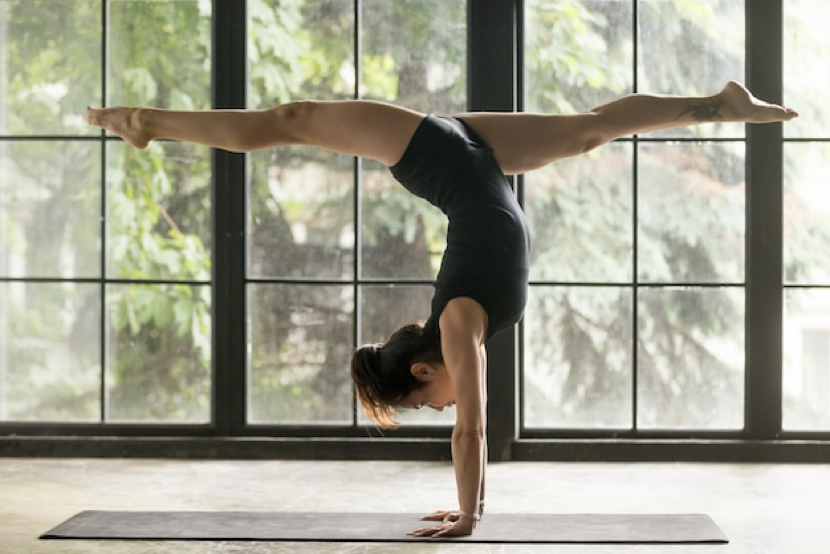
Easy Yoga Routine Helps Reduce Your Fatigue
Fatigue is a common issue that many of us face on a daily basis, whether it's due to work, stress, or simply the demands of everyday life. While getting enough sleep and maintaining a healthy diet are essential for combating fatigue, there are also other effective methods that can help, such as incorporating yoga into your daily routine. Yoga is a form of exercise that combines physical postures, breathing techniques, and meditation to promote relaxation, increase flexibility, and reduce stress. Here's an easy yoga routine that you can do at home to help reduce fatigue and rejuvenate your body and mind.Start with a Warm-UpBefore beginning your yoga routine, it's important to warm up your muscles to prevent injury. Start by standing tall with your feet hip-width apart and take a few deep breaths, focusing on filling your lungs completely with air. Then, move into a gentle sun salutation sequence, which consists of a series of poses that flow smoothly from one to the next. This sequence helps to warm up your entire body and prepare you for the more challenging poses that follow.Mountain Pose (Tadasana)Begin your yoga routine with Mountain Pose, a foundational pose that promotes good posture and helps to ground and center you. Stand tall with your feet hip-width apart, toes pointing forward, and knees slightly bent. Engage your core muscles and lift your chest, feeling tall and strong. Take a few deep breaths, focusing on your breath and allowing yourself to relax into the pose.Warrior II (Virabhadrasana II)From Mountain Pose, step your right foot forward about 3-4 feet, turning your right foot out 90 degrees and your left foot in slightly. Bend your right knee, keeping your knee aligned with your ankle, and raise your arms out to the sides, parallel to the floor and shoulder-height. Look over your right hand, keeping your gaze steady. Hold for several breaths, then repeat on the other side. Warrior II helps to strengthen your legs and open your hips and chest, promoting a sense of strength and stability.Tree Pose (Vrksasana)Stand tall with your feet hip-width apart and shift your weight onto your left foot. Slowly lift your right foot and place the sole of your right foot against the inside of your left leg, either on your calf or thigh. Raise your arms above your head, palms facing each other, and focus on keeping your balance. Hold for several breaths, then repeat on the other side. Tree Pose helps to improve balance, focus, and concentration, as well as promoting calmness and relaxation.Child's Pose (Balasana)Kneel on the floor with your knees hip-width apart and your toes touching. Sit back onto your heels, then lower your torso forward, resting your forehead on the floor or a block. Extend your arms forward, palms facing down, and relax your shoulders and neck. Hold for several breaths, allowing yourself to fully relax and release any tension in your body. Child's Pose is a deeply restorative pose that helps to calm the mind and soothe tired muscles.Corpse Pose (Savasana)Lie down on your back with your legs straight and your arms at your sides, palms facing up. Close your eyes and take several deep breaths, focusing on your breath and allowing yourself to fully relax. Stay in Corpse Pose for several minutes, allowing your body and mind to unwind and rejuvenate. Corpse Pose is the perfect way to end your yoga routine, as it promotes relaxation and helps to reduce stress and fatigue.

Why 90% of Households Choose the Wrong Pillow
A staggering 90% of households unknowingly choose the wrong pillow, leading to disrupted sleep, discomfort, and potential long-term health issues.In this article, we will explore the reasons behind this phenomenon, the consequences of using the wrong pillow, and how to select.Lack of Pillow AwarenessOne of the primary reasons why so many households choose the wrong pillow is simply a lack of awareness. Many people underestimate the importance of a well-suited pillow and prioritize other aspects of their sleep environment instead. As a result, they end up selecting pillows based on arbitrary factors like price or aesthetics, rather than considering their individual sleep needs.Choosing the Wrong Pillow: Consequences and Health IssuesUsing the wrong pillow can have several negative consequences on our sleep quality and overall health:1. Unfortunate Rest Quality: An evil-fitting cushion can prompt thrashing around, and unfortunate rest quality. It might cause neck, shoulder, and back torment, making it trying to track down an open to dozing position.2. Misalignment of the Spine: A cushion that doesn't offer sufficient help can prompt misalignment of the spine, which can add to constant agony and inconvenience. Inappropriate spinal arrangement can likewise influence the nature of rest and leave people feeling exhausted and unrested.3. Sensitivities and Respiratory Issues: Cushions that are not hypoallergenic or appropriately kept up with can gather dust parasites, allergens, and microbes over the long run. This can set off sensitivities, asthma, and other respiratory issues, compromising the general soundness of people.4. Rest Problems: Some unacceptable padscan compound rest issues like rest apnea or wheezing. It might deter aviation routes or advance unfortunate breathing examples during rest, prompting aggravations in rest examples and potential well-beingchances.

Wedding Entertainment Hire FAQs
Wedding entertainment is key to creating the right atmosphere and making sure your guests are entertained. But couples often have questions about how booking works, how much they can expect to pay as well as what to expect in general. Here are the answers to some frequently asked questions when it comes to wedding entertainment hire.1.What qualifies as wedding entertainment?Entertainment for weddings can range from pretty much all performers or services suitable for guests to have a good time and include live bands, DJs, soloists, string quartets, magicians, photo booth operators, and even interactive entertainment such as dancers, or caricature artists. The best entertainment option will depend on the couples taste, style of wedding and guest demographic.2.How far should I book wedding entertainment in advance?The most well-known wedding entertainment, such as live bands and sought-after DJs, can often be booked 6 to 12 months ahead. Aiming to book entertainment as soon as possible, particularly for spring and summer weddings, is advised. Certainly solo musicians or smaller acts could maybe be had with less notice, but at a minimum it is a 4-6 month book to have the best options. The earlier you book, the calmer your heart will be and you don’t need to worry about the entertainment for your fabulous wedding.3.What is the price of entertainment for weddings near me?There is a huge range in costs, depending on the entertainment, experience, and location. On average:DJs: $800–$2,500Live Bands: $2,000–$10,000+Soloists (acoustic guitar, harp, etc.): $300 – $1,500Special Acts (magicians, photo booths, etc.): $500-$3,000Prices can vary based on performance length, travel costs, and any additional equipment you may need.4.Live band or a DJ ? Which is better for my wedding performance?This is, of course, depending on what kind of mood you want. The live band brings energy and its own character to the act, but might have few songs in rotation. DJs have more music choices and the music can be mixed together more smoothly; and they can also serve as the master of ceremonies for the event. Some couples do both — a band for dinner and the D.J. for dancing after. And there are a lot of wedding bands for hire and DJ for hire, this is not a big deal to worry too much.5.Should I pay a deposit for the wedding entertainers?Yes, the vast majority of professional entertainers will ask for a deposit of the fee for the magic party entertainment (usually 20–50%, sliding scale). The rest of the payment is expected prior to, or by the actual wedding day. Be sure to read over the contract and verify the cancellation policy and payment schedule.6.Should I supply equipment for my wedding entertainers?Many professional DJs or bands will transport their own sound systems, but you will need to verify this in advance. If your location has limitations (such as a sound ordinance), relate them to your entertainer. For solo musicians or acoustic acts, do they need that? You are supposed to connect with him or her in person to figure out the answers. Make sure the venue has good power and is suitable for your setup.7.How to make a wedding less traditional?In addition to music, you can also add:Interactive Characters (caricaturist, tarot reader, walk around magician)Line dances or group activities (the shoe game, trivia, the first dance)Photo booths with propsLive guest requests (some DJs or bands can receive real-time song requests via an app)To sum up, dealing with these common concerns early can help couples decide on the best entertainment to ensure a fun and personalized or memorable wedding.

The Multifaceted Benefits of Various Types of Exercise for Your Body
Normal exercise is a fundamental part of a sound way of life. In this article, we will investigate the special benefits of a few sorts of exercises, including oxygen consuming activity, strength training, flexibility exercise, and mind-body practice.Aerobic Exercise1. Worked on Cardiovascular Wellbeing: Normal high-impact practice fortifies the heart and works on cardiovascular perseverance. It lessens the gamble of coronary illness, brings down pulse, and upgrades the productivity of the circulatory framework.2. Expanded Endurance and Perseverance: Taking part in exercises like running, swimming, cycling, or lively strolling further develops endurance and perseverance. Ordinary vigorous activity permits the body to convey oxygen and supplements effectively to the muscles, postponing weariness during proactive tasks.3. Weight The board: High-impact practices are powerful in consuming calories and advancing weight reduction. They assist with making a calorie shortage, adding to a sound body weight and lessening the gamble of heftiness related conditions.4. Temperament Improvement: Oxygen consuming activities discharge endorphins, which are normal mind-set promoters. Standard cooperation in high-impact exercises can decrease side effects of uneasiness and discouragement, work on mental prosperity, and advance better rest designs.Strength Training1. Expanded Muscle Strength: Strength preparing works out, for example, weightlifting or utilizing opposition groups, advance muscle development and improve generally strength. Solid muscles support joint security, further develop act, and decrease the gamble of wounds.2. Bone Well being: Strength preparing assists increment with boning thickness, lessening the gamble of osteoporosis and cracks. It animates the creation of new bone tissue, making bones more grounded and stronger.3. Metabolic Lift: Developing bulk through fortitude preparation builds the body's metabolic rate. Indeed, even very still, muscles consume a larger number of calories than fat, which can support weight the executives and weight reduction objectives.4. Worked on Useful Wellness: Strength preparing improves the capacity to perform day to day exercises easily. It further develops equilibrium, coordination, and useful developments, making errands like lifting weighty articles or climbing steps more sensible.
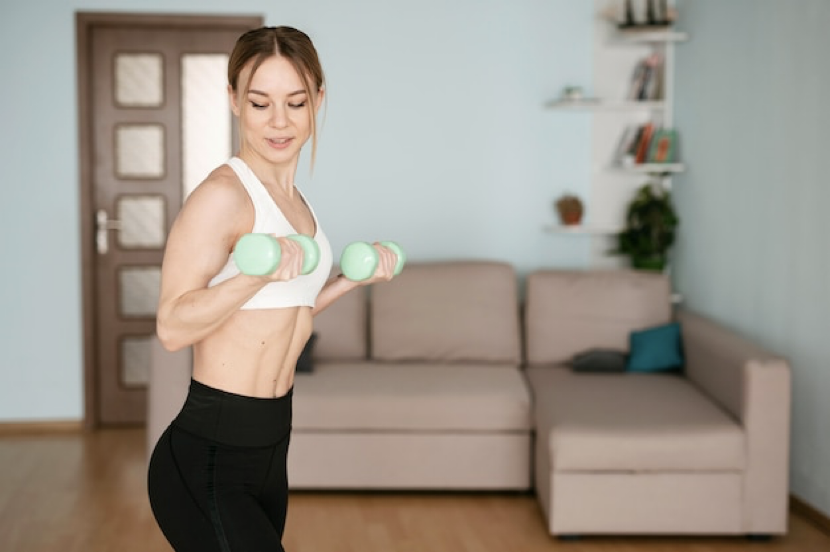
Women May Benefit From Exercise in Reducing Risk of Cardiovascular Issues
Cardiovascular disease (CVD) is a leading cause of morbidity and mortality worldwide, affecting millions of people, particularly as they age. While both men and women are at risk, recent research suggests that women may significantly benefit from exercise in reducing their risk of developing cardiovascular issues—potentially lowering their risk by twice the amount as men. Understanding the implications of this finding can empower women to prioritize physical activity as a vital component of their health regimen.The Importance of ExerciseExercise is widely recognized as a cornerstone of cardiovascular health. Regular physical activity strengthens the heart muscle, improves circulation, and helps maintain a healthy weight—factors that are crucial in preventing CVD. While the benefits of exercise are well-documented for both genders, emerging evidence indicates that women may experience a more pronounced protective effect against heart disease.Hormonal InfluencesOne potential reason for the differential impact of exercise on cardiovascular health between men and women lies in hormonal differences. Estrogen, which is more prevalent in women, has protective cardiovascular effects. It helps maintain healthy blood vessels and reduces cholesterol levels. However, as women age and estrogen levels decline, particularly during and after menopause, their risk for heart disease increases. Engaging in regular exercise can help mitigate some of these risks, potentially leading to more significant reductions in CVD risk compared to men.Research FindingsRecent studies have highlighted that women who engage in regular physical activity may cut their risk of developing heart disease by an impressive amount. For instance, a study published in the Journal of the American College of Cardiology found that women who exercised regularly were able to lower their cardiovascular risk significantly more than their male counterparts. The mechanisms behind this may include better weight management, improved blood pressure regulation, and enhanced lipid profiles among women who exercise consistently.Types of Beneficial ExerciseNot all forms of exercise are created equal when it comes to cardiovascular health. Both aerobic and strength-training activities play a crucial role, but aerobic exercises—such as walking, running, cycling, and swimming—are particularly effective in improving cardiovascular fitness.1. Aerobic Exercise: Engaging in at least 150 minutes of moderate-intensity aerobic exercise each week can lead to substantial cardiovascular benefits. This could include brisk walking, jogging, or group fitness classes.2. Strength Training: Incorporating strength-training exercises at least twice a week can also enhance cardiovascular health. Building muscle helps improve metabolism and supports better insulin sensitivity, contributing to overall heart health.3. Flexibility and Balance: Activities like yoga and Pilates, while not traditionally regarded as cardiovascular exercises, can improve overall physical function and reduce stress, which is also beneficial for heart health.Making Exercise a PriorityFor women looking to lower their cardiovascular risk, making exercise a priority is essential. Here are some practical tips to integrate physical activity into daily routines:1. Set Realistic Goals: Start with achievable goals, such as walking 10 minutes a day, and gradually increase duration and intensity.2. Find Enjoyable Activities: Whether it’s dancing, hiking, swimming, or joining a sports team, engaging in activities you love makes it easier to stick with an exercise routine.3. Incorporate Movement into Daily Life: Simple changes, like taking the stairs instead of the elevator or walking during lunch breaks, can significantly increase daily activity levels.4. Social Support: Exercising with friends or family can boost motivation and make workouts more enjoyable. Consider joining group classes or community sports leagues.5. Listen to Your Body: It’s essential to pay attention to your body’s signals. Start slow, especially if you’re new to exercise, and consult a healthcare provider if you have existing health concerns.