


Women May Benefit From Exercise in Reducing Risk of Cardiovascular Issues
Cardiovascular disease (CVD) is a leading cause of morbidity and mortality worldwide, affecting millions of people, particularly as they age. While both men and women are at risk, recent research suggests that women may significantly benefit from exercise in reducing their risk of developing cardiovascular issues—potentially lowering their risk by twice the amount as men. Understanding the implications of this finding can empower women to prioritize physical activity as a vital component of their health regimen.
The Importance of Exercise
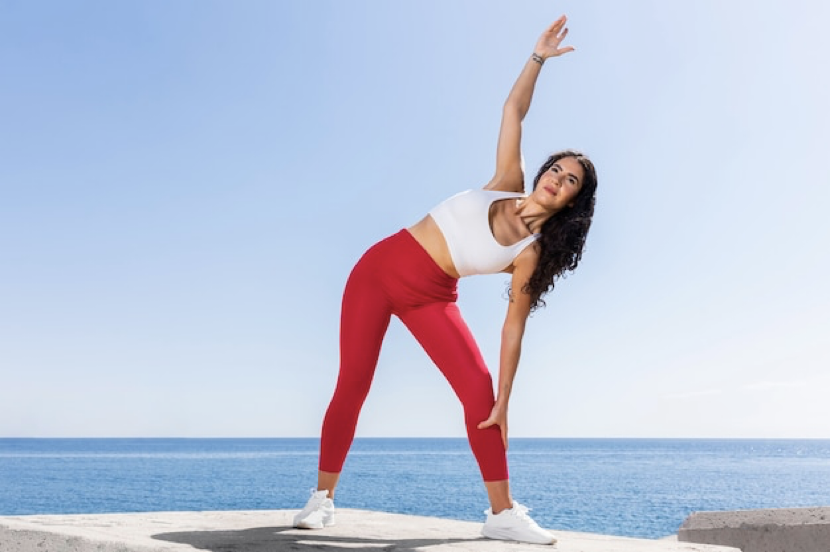
Exercise is widely recognized as a cornerstone of cardiovascular health. Regular physical activity strengthens the heart muscle, improves circulation, and helps maintain a healthy weight—factors that are crucial in preventing CVD. While the benefits of exercise are well-documented for both genders, emerging evidence indicates that women may experience a more pronounced protective effect against heart disease.
Hormonal Influences
One potential reason for the differential impact of exercise on cardiovascular health between men and women lies in hormonal differences. Estrogen, which is more prevalent in women, has protective cardiovascular effects. It helps maintain healthy blood vessels and reduces cholesterol levels. However, as women age and estrogen levels decline, particularly during and after menopause, their risk for heart disease increases. Engaging in regular exercise can help mitigate some of these risks, potentially leading to more significant reductions in CVD risk compared to men.
Research Findings
Recent studies have highlighted that women who engage in regular physical activity may cut their risk of developing heart disease by an impressive amount. For instance, a study published in the Journal of the American College of Cardiology found that women who exercised regularly were able to lower their cardiovascular risk significantly more than their male counterparts. The mechanisms behind this may include better weight management, improved blood pressure regulation, and enhanced lipid profiles among women who exercise consistently.

Types of Beneficial Exercise
Not all forms of exercise are created equal when it comes to cardiovascular health. Both aerobic and strength-training activities play a crucial role, but aerobic exercises—such as walking, running, cycling, and swimming—are particularly effective in improving cardiovascular fitness.
1. Aerobic Exercise: Engaging in at least 150 minutes of moderate-intensity aerobic exercise each week can lead to substantial cardiovascular benefits. This could include brisk walking, jogging, or group fitness classes.
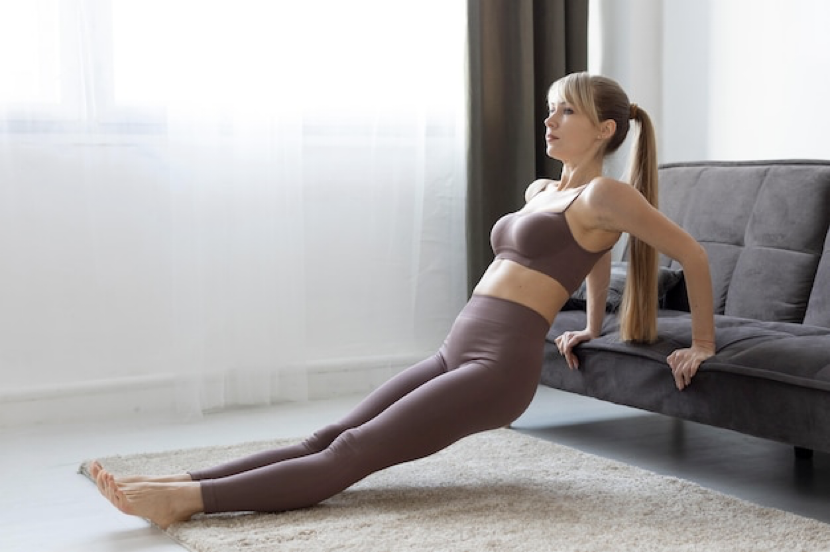
2. Strength Training: Incorporating strength-training exercises at least twice a week can also enhance cardiovascular health. Building muscle helps improve metabolism and supports better insulin sensitivity, contributing to overall heart health.
3. Flexibility and Balance: Activities like yoga and Pilates, while not traditionally regarded as cardiovascular exercises, can improve overall physical function and reduce stress, which is also beneficial for heart health.
Making Exercise a Priority
For women looking to lower their cardiovascular risk, making exercise a priority is essential. Here are some practical tips to integrate physical activity into daily routines:
1. Set Realistic Goals: Start with achievable goals, such as walking 10 minutes a day, and gradually increase duration and intensity.
2. Find Enjoyable Activities: Whether it’s dancing, hiking, swimming, or joining a sports team, engaging in activities you love makes it easier to stick with an exercise routine.
3. Incorporate Movement into Daily Life: Simple changes, like taking the stairs instead of the elevator or walking during lunch breaks, can significantly increase daily activity levels.
4. Social Support: Exercising with friends or family can boost motivation and make workouts more enjoyable. Consider joining group classes or community sports leagues.
5. Listen to Your Body: It’s essential to pay attention to your body’s signals. Start slow, especially if you’re new to exercise, and consult a healthcare provider if you have existing health concerns.
Conclusion
The evidence suggests that women can significantly reduce their risk of cardiovascular disease through regular exercise—potentially doubling the protective benefits compared to men. Embracing a physically active lifestyle not only enhances heart health but also improves overall well-being, including mental health and quality of life. By prioritizing physical activity, women can take crucial steps toward safeguarding their cardiovascular health and leading healthier, more active lives.

How to Choose Sunglasses for Travel
Sunglasses are not only a fashion accessory, but also an essential item for protecting your eyes from harmful UV rays when travelingChoosing the right sunglasses for your travels involves considering various factors to ensure they provide adequate protection and suit your style. Here are some tips for choosing sunglasses for travel:UV Protection: Look for sunglasses that provide 100% UV protection. This is crucial for shielding your eyes from the sun's harmful radiation. When purchasing sunglasses, check for labels or stickers indicating UV 400 or 100% UV protection.Lens Quality: Consider the quality of the lenses. Opt for sunglasses with polarized lenses to reduce glare and improve visibility, especially during outdoor activities. Also, ensure the lenses are impact-resistant and provide a clear, distortion-free view.Frame Fit: Choose sunglasses that fit your face shape and size. The frames should snugly sit on your nose and ears without causing discomfort or slipping. Different face shapes suit different frame styles, so consider what best complements your features.Lens Color: The color of the lenses affects your contrast and color perception. Gray lenses provide minimal color distortion, while brown/amber lenses enhance contrast. Consider the activities you'll engage in while wearing the sunglasses to determine the most suitable lens color.

Figure Out Ways to Get Last-Minute Cruise Deals
After the turmoil and shutdowns in the cruise industry during the pandemic, cruising is resuming with a triumphant return. And cruise intent is higher now than it was pre-pandemic, according to the latest report. Some 85% of travelers who have taken a cruise, will cruise again, that figure is 6% higher than pre-pandemic. The report also reveals that passenger volume during 2025 is expected to exceed 35 million people, an unimaginable figure, and 106 percent of 2019 levels. Consumers have also reported that the cruise industry is witnessing higher numbers of solo travelers and those with mobility challenges, and an increase in Gen X and millennials booking cruise vacations. With increased demand for cruise travel, one of the world's hottest sectors of tourism, how can you find a last-minute cruise deal for 2025? Continue reading to learn how to stick the landing when booking your dream cruise vacation for less.Be Open to Your Departure Dates and PlacesHaving an open mind is critical when you are searching for last-minute cruise departures. Cruise lines frequently discount heavily to fill unsold cabins in the weeks leading up to the sail date. If you can be flexible with your travel dates or can take a trip on short notice, you'll find that you can score a great deal more often. Also, be flexible with your destination. Popular routes, like the Caribbean or the Mediterranean, may have greater availability, but lesser-known itineraries can also yield unique experiences at a fraction of the cost. In fact, the window for scoring last-minute cruise deals is within 90 days of a sailing. That three-month point is when final deposits are due on a cruise, and historically the last that you could cancel your cruise without being financially penalized.Book Through OTAs or Travel Deal SitesOnline travel agencies (OTAs) such as Expedia, CruiseDirect and VacationsToGo specialize in aggregating cruise deals from different providers. These booking platforms usually feature sections for last-minute deals, allowing you to review prices and itineraries easily. Also, deal sites like CruiseCritic and LastMinuteCruises cater exclusively to cruise discounts, offering curated lists of the best deals available. So keep an eye on these sites as they add new offers frequently.Book During Wave SeasonVolume is, of course, how cruise lines keep you coming back: Wave season (which spans January through March) is the best time of year for cruise deals. Cruise lines tend to have some of the best prices and perks (free upgrades, drink packages, reduced deposits) during this time. Even if you're preparing for a last-minute getaway, booking during wave season can help get you a better deal.Check for Group or Membership DiscountsSome cruise lines provide discounts for specific groups, including seniors, military members or if you belong to organizations like AAA or AARP. Cruising also has its own loyalty programs, which can offer access to exclusive deals and perks. Since anyone from one of these groups can potentially qualify for a discount, ask about any available discounts when booking your cruise.Keep an Eye on Price Drops After You BookIf you have already booked a cruise and suspect that prices will drop, monitor the fare. Some cruise lines will give price protection or onboard credit if the price of your cabin drops after you have booked. That's not a guarantee, but it's something to keep an eye on, especially if you've booked as far in advance as possible.Don't Underestimate the Benefits of Traveling Off-PeakCruising out of season can save you a lot of money. For instance, Caribbean cruises tend to be less expensive on hurricane season (late summer to early fall), whereas European cruises might be cheaper on shoulder seasons (spring and fall). If you travel to popular destinations during off-peak seasons, you benefit from lower prices and limited crowding.To conclude, the best last-minute cruise rates come from the ability to be flexible, have performed your research and are prepared to take action very quickly. With the help of online resources, collaborating with cruise experts, and keeping an eye on deals, you can score amazing penny-saving offers for your upcoming cruise mission.

Why 90% of Households Choose the Wrong Pillow
A staggering 90% of households unknowingly choose the wrong pillow, leading to disrupted sleep, discomfort, and potential long-term health issues.In this article, we will explore the reasons behind this phenomenon, the consequences of using the wrong pillow, and how to select.Lack of Pillow AwarenessOne of the primary reasons why so many households choose the wrong pillow is simply a lack of awareness. Many people underestimate the importance of a well-suited pillow and prioritize other aspects of their sleep environment instead. As a result, they end up selecting pillows based on arbitrary factors like price or aesthetics, rather than considering their individual sleep needs.Choosing the Wrong Pillow: Consequences and Health IssuesUsing the wrong pillow can have several negative consequences on our sleep quality and overall health:1. Unfortunate Rest Quality: An evil-fitting cushion can prompt thrashing around, and unfortunate rest quality. It might cause neck, shoulder, and back torment, making it trying to track down an open to dozing position.2. Misalignment of the Spine: A cushion that doesn't offer sufficient help can prompt misalignment of the spine, which can add to constant agony and inconvenience. Inappropriate spinal arrangement can likewise influence the nature of rest and leave people feeling exhausted and unrested.3. Sensitivities and Respiratory Issues: Cushions that are not hypoallergenic or appropriately kept up with can gather dust parasites, allergens, and microbes over the long run. This can set off sensitivities, asthma, and other respiratory issues, compromising the general soundness of people.4. Rest Problems: Some unacceptable padscan compound rest issues like rest apnea or wheezing. It might deter aviation routes or advance unfortunate breathing examples during rest, prompting aggravations in rest examples and potential well-beingchances.
Whether Individuals Who Help Pay for a Wedding Should Have a Say in Its Planning?
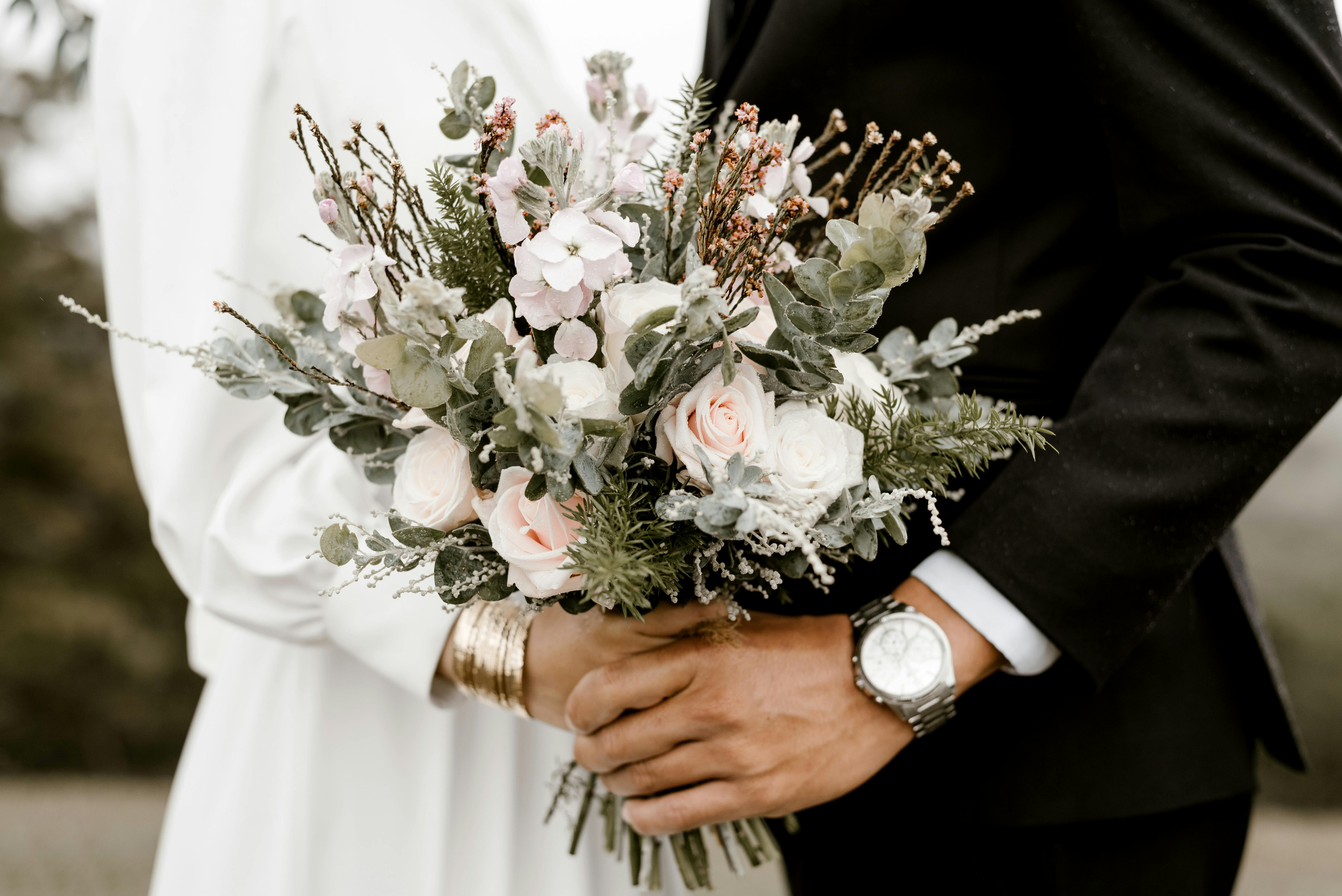
Weddings are monumental occasions that often symbolize the union of two individuals in love. However, they can also become sources of tension when financial contributions come into play. One question that frequently arises is whether individuals who help pay for a wedding should have a say in its planning. This article explores the complexities of this issue, considering different perspectives and the implications of financial involvement.The Financial StakeWhen parents or family members contribute significantly to a wedding, their financial investment often leads them to believe they should have a voice in the planning process. This perspective is rooted in the traditional notion that those who contribute should have a say in how their money is spent. For instance, parents may want to ensure that the wedding reflects family values, traditions, or their own vision of a perfect day.Conversely, the couple getting married may view their wedding as a personal celebration that should reflect their tastes and desires. They may feel that financial contributions do not grant others the right to control or heavily influence their special day. This tension can create a delicate balancing act between honoring familial contributions and maintaining the couple's autonomy.The Emotional AspectFinancial contributions to a wedding are often accompanied by emotional investments. Parents may view their support as a way to foster familial bonds and contribute to their children’s happiness. This emotional connection can amplify their desire to influence wedding decisions, especially if they envision a specific style or theme.On the other hand, couples might feel that their independence is being compromised if they must cater to the wishes of those footing the bill. The pressure to please others can lead to stress and dissatisfaction, detracting from what should be a joyous occasion. Couples should thoughtfully navigate this emotional landscape, communicating openly with family members about their desires and boundaries.Finding Common GroundThe key to resolving potential conflicts over wedding planning lies in communication and compromise. Couples should initiate open dialogues with family members who are contributing financially. Discussing expectations and desires early in the planning process can help set the tone for collaboration rather than conflict.One effective strategy is to establish a budget that specifies how much each party is willing to contribute. This clarity can lead to more constructive conversations about who gets a say in what aspects of the wedding. For example, if parents are contributing a specific amount for the venue, perhaps they could have input on the location, while the couple retains control over the theme and decor.

How Do We Cope Chronic Insomnia
This article will delve into the causes of chronic insomnia, its effects, and what we can do about it.1.The causes of chronic insomniaChronic sleeping disorder generally alludes to over one month, no less than three evenings seven days experience issues nodding off, light rest, simple to awaken or get up early rest issues. Its causes are complicated and shifted, including however not restricted to:Mental elements: like uneasiness, wretchedness, over the top tension and other mental issues, frequently lead to individuals in the night bunch of considerations, hard to rest.Ecological variables, for example, clamor, light, temperature and other natural elements can influence the nature of rest.Way of life: sporadic work and rest, over the top energy prior to hitting the sack, ill-advised diet, and so on, can prompt a sleeping disorder.Infection factors: A few persistent sicknesses, like torment, breathing hardships, coronary illness, and so forth, can set off a sleeping disorder.2.The impact of chronic insomniaChronic sleeping disorder influences people in numerous ways:Medical issues: Ongoing sleep deprivation can prompt a debilitated resistant framework and an expanded gamble of sicknesses, for example, hypertension, diabetes, and coronary illness.Mental trouble: a sleeping disorder patients are frequently joined by tension, despondency and other mental issues, further influencing the personal satisfaction.Diminished efficiency: Absence of rest can prompt unfortunate focus and memory, which can influence work efficiency.Family pressure: a sleeping disorder might prompt individual emotional episodes and influence family congruity.