


How Do We Cope Chronic Insomnia
This article will delve into the causes of chronic insomnia, its effects, and what we can do about it.
1.The causes of chronic insomnia
Chronic sleeping disorder generally alludes to over one month, no less than three evenings seven days experience issues nodding off, light rest, simple to awaken or get up early rest issues. Its causes are complicated and shifted, including however not restricted to:
Mental elements: like uneasiness, wretchedness, over the top tension and other mental issues, frequently lead to individuals in the night bunch of considerations, hard to rest.
Ecological variables, for example, clamor, light, temperature and other natural elements can influence the nature of rest.
Way of life: sporadic work and rest, over the top energy prior to hitting the sack, ill-advised diet, and so on, can prompt a sleeping disorder.
Infection factors: A few persistent sicknesses, like torment, breathing hardships, coronary illness, and so forth, can set off a sleeping disorder.
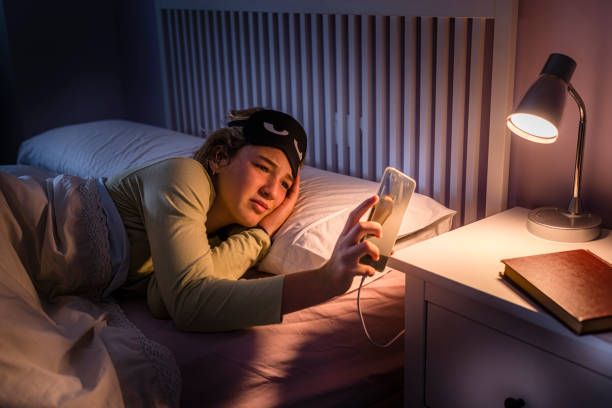
2.The impact of chronic insomnia
Chronic sleeping disorder influences people in numerous ways:
Medical issues: Ongoing sleep deprivation can prompt a debilitated resistant framework and an expanded gamble of sicknesses, for example, hypertension, diabetes, and coronary illness.
Mental trouble: a sleeping disorder patients are frequently joined by tension, despondency and other mental issues, further influencing the personal satisfaction.
Diminished efficiency: Absence of rest can prompt unfortunate focus and memory, which can influence work efficiency.
Family pressure: a sleeping disorder might prompt individual emotional episodes and influence family congruity.
3.Measures to deal with chronic insomnia
In the face of chronic insomnia, we can start from the following aspects:
Adjust your lifestyle: keep a regular schedule and avoid staying up late; Avoid over-exciting activities before bed, such as watching stimulating TV programs, using electronic devices, etc. Eat properly and avoid excessive consumption of stimulants such as caffeine and alcohol.
Create a comfortable sleeping environment: ensure that the bedroom is quiet, comfortable, and the temperature is appropriate; Use comfortable mattresses, pillows and comforters; Reduce noise and light interference.
Seek professional help: When self-regulation is not effective, seek the help of a medical professional. Your doctor may recommend methods such as medication, psychotherapy, or cognitive behavioral therapy to help improve insomnia.
Relax the mood: through exercise, meditation, yoga and other ways to relax the mood, relieve stress. These activities help reduce anxiety levels and improve sleep quality.
Establish good sleep habits: Develop a regular sleep time, try to go to bed and wake up at the same time; Avoid activities unrelated to sleep in bed, such as reading, working, etc. Relaxing activities such as deep breathing and warm water soaking your feet before going to bed can help you fall asleep quickly.

4.Conclusion
Chronic insomnia is a problem that we need to pay attention to. Chronic insomnia not only affects our physical and mental health, but also can cause a lot of inconvenience in daily life. Therefore, we need to actively respond to the adjustment of living habits, create a comfortable sleep environment, relax the mood, establish good sleep habits, etc., to comprehensively improve the quality of sleep. At the same time, keep a positive attitude and believe that through continuous efforts, we will be able to overcome chronic insomnia and welcome a better life. By understanding the causes and effects of insomnia, we can take steps to improve sleep quality. At the same time, we should also pay attention to our mental health and lifestyle habits, and strive to create a good sleep environment. It is very important to seek the help of a professional doctor when necessary. Let's work together to get rid of insomnia and embrace a healthy and beautiful life.

Senior Housing Choices: Finding CCRCs, Villages and Cohousing
The perfect home for seniors has never been more important as people the world over live longer than ever before. Older adults today want living options that provide not just comfort and safety, but also community, independence and the ability to access care when it's needed. Knowledge of these options can allow seniors and their families the opportunity to make informed decisions for the future.1.Continuing Care Retirement CommunitiesA CCRC is a facility with many levels of care that are housed within the same campus. Residents generally begin in independent living, with private apartments or cottages, social activities and amenities like fitness centers and dining halls. And, as their health care needs shift, they can move easily to assisted living or more intensive skilled nursing care without being forced to pack. This philosophy of “continuum of care” provides comfort in the knowledge that medical and personal assistance is there when needed. Entry fees and monthly fees are typically used to finance them, making CCRCs a substantial investment. But for those who value long-term security and ease of living, this choice brings stability and great care across the various phases of aging.2.VillageIn comparison, the Village movement is all about assisting the elderly in aging in place in their own homes and communities. Villages are nonprofit, member-driven organizations that provide older adults with access to services, volunteers and social activities. With an annual membership fee, members are entitled to resources such as transportation, home-related repairs and social events, promoting a close community while remaining independent. Unlike CCRCs, Villages themselves don't offer medical care, but they're known to partner with local health organizations who can offer assistance. This model is perfect for the seniors who are very attached to their homes and their neighborhoods but require more help and social engagement as they get older. The Village movement is ballooning, especially in urban and suburban areas, where it allows seniors to continue living in the same communities without upending their lives.3.CohousingAnother emerging alternative and trend is Cohousing, a customized living arrangement in which seniors can share common areas and still live independently. Cohousing is unique from typical retirement communities in that it's specifically designed to facilitate interaction, with shared kitchens, gardens, and common spaces. There's strong community involvement, and residents take part in decision-making and often meet for communal meals and activities. This model holds particular appeal for those who value sustainability, social connection and belonging. Although cohousing generally does not offer professional care services, some facilities offer a wellness program, or contract with home healthcare agencies. It can provide an ideal mix of independence and community for seniors who want an active, interdependent lifestyle but don't want the retirement home feel of an institutional setting.The best senior housing option depends on specific needs, whether it is guaranteed care focused on your parents or neighborhood support or a senior community with close integration or a shared living experience. For those who expect to one day require medical help, a CCRCs offer a comprehensive, “nothing left out” lifestyle pattern. Villages are places where you can age in place, with social and practical support; cohousing creates deep links among people who are like-minded. In an ever changing society, these models show that retirement living no longer has to equate with loneliness or loss of autonomy.In the end, it is a personal choice when one considers factors such as monetary considerations and the kind of life they would prefer to have. Through CCRCs, Villages, Cohousing and other options, older adults can also discover a living arrangement that is in line with the way they wish to livee, one that provides comfort, community, and the appropriate level of care as they begin their journey into the next chapter of their lives.

Ways to Help an Anxious Child with Bedtime
Bedtime can be a challenging time for many children, especially those who experience anxiety. The transition from the day's activities to a quiet, dark room can trigger fear and worry, making it difficult for them to settle down. As a parent or caregiver, understanding how to support an anxious child during bedtime is crucial for their emotional well-being and overall development. Here are some effective strategies to help ease your child's bedtime anxiety.Create a Calming Bedtime RoutineEstablishing a consistent, calming bedtime routine is one of the most effective ways to help an anxious child. Routines provide a sense of security and predictability, which can significantly reduce anxiety.1. Set a Regular Schedule: Aim for the same bedtime each night, allowing your child to wind down at a consistent hour. This helps regulate their internal clock and makes falling asleep easier.2. Incorporate Relaxation Activities: Include calming activities such as reading a story, listening to soft music, or practicing deep breathing exercises. These activities can help signal to your child that it’s time to relax.3. Limit Screen Time: Reduce exposure to screens at least an hour before bed. The blue light emitted by devices can interfere with the production of melatonin, the hormone responsible for sleep. Instead, opt for low-light activities.Address Fears and ConcernsAnxiety often stems from fears that children may not fully understand or articulate. Taking the time to talk to your child about their worries can help alleviate their anxiety.1. Open Communication: Encourage your child to express their feelings. Create a safe space where they feel comfortable sharing their fears. Approach these conversations with empathy and without judgment.2. Validate Their Feelings: Let your child know that it’s okay to feel scared or anxious. Validating their feelings helps them feel understood and less isolated in their experiences.3. Problem-Solve Together: If your child expresses specific fears, work together to find solutions. For example, if they are afraid of the dark, consider using a nightlight or leaving the door slightly open.Use Comfort ObjectsMany children find comfort in having a special object nearby during bedtime. This can provide a sense of security and help ease anxiety.1. Stuffed Animals or Blankets: Encourage your child to choose a favorite stuffed animal or blanket to sleep with. These items can serve as emotional support and help them feel more secure.2. Create a “Worry Box”: If your child has worries that keep them awake, create a worry box where they can write down their thoughts before bed. This physical act of putting their worries away can be therapeutic.Encourage IndependenceFostering a sense of independence can help reduce anxiety around bedtime. Empowering your child to take control of their bedtime routine can increase their confidence.1. Involve Them in Decisions: Let your child choose their pajamas, bedtime story, or even the order of their routine. This involvement fosters a sense of ownership and control.2. Gradual Separation: If your child struggles with separation anxiety, try gradually reducing the time you spend in the room. Start by sitting with them until they fall asleep, then slowly move further away each night.3. Positive Reinforcement: Celebrate small successes. If your child stays in bed for a certain period or falls asleep without calling for you, offer praise or a small reward to reinforce their progress.Be Patient and ConsistentFinally, patience and consistency are key when helping an anxious child with bedtime. Anxiety may not resolve overnight, and it’s important to remain supportive throughout the process.1. Stay Calm and Reassuring: Your demeanor can influence how your child feels. Stay calm, reassuring, and consistent in your approach, even if they resist initially.2. Reassess and Adjust: If certain strategies aren’t working, be open to reassessing your approach. Every child is different, and what works for one may not work for another.3. Seek Professional Help if Needed: If your child’s anxiety is severe or persists despite your efforts, consider consulting a child psychologist or counselor. Professional support can provide additional strategies tailored to your child's needs.

Mediterranean Diet Could Safeguard Kids’ Heart Health
Mediterranean diet is famous for its adequacy in nutrition and health benefits, not only can it promote the heart health of adults, but also benefits the kids’ heart growth. Therefore, let’s dive into this article to figure out how parents can individualize a healthy Mediterranean diet for their kids.The glamour of Mediterranean dietThe Mediterranean diet originates from the countries locate around the Mediterranean Sea, whose basis is lots of plat food, including fresh vegetables and fruits, whole grains, legumes, nuts and seeds. In the meantime, it also contains a plenty of fish, poultry and olive oil and limits the red meat and fine processed food. This diet pattern not only offers plentiful vitamins, minerals and fibers, but also reduces the risk of blood fat, blood pressure and heart disease.Benefits of Mediterranean diet to kidsPromoting heart health: The unsaturated fatty acid can help lower the level of low density lipoprotein cholesterol, escalate the level of high density lipoprotein cholesterol in order to protect kids heart.Controlling weight: High fiber plant food can increase your sense of full, reduce extra eating, as a result, control your weight and prevent obesity.Increasing immunity: Ample vitamins and minerals can increase kids’ immunity, decrease the possibility of being infected. 4.Escalating the nurture of brains: The famous omega-3 fatty acids in fish is extremely significant to brains’ growth. Eating Mediterranean diet can promote children’s capability to study and memorize.Ways to individualize Mediterranean Diet 1.More vegetables: Make sure your children eat enough vegetables and fruits of different colors, because those food can offer all sorts of vitamins, mineral and antioxidant substances. 2.Whole grain: Whole grain food such as whole wheat bread, brown rice, oats and son on, which are filled with dietary fiber and can help intestinal peristalsis and prevent constipation. 3.Beans often: Beans are the resources of superior protein and dietary fiber, which can displace meat.Moderate nuts and seeds: There are plentiful unsaturated fatty acids and vitamin E in nuts and seeds, but one thing should not be ignored is that the moderation is key, don’t be greedy.Choose healthy oil: Olive oil is the main origin of the fat of Mediterranean diet which is full of unsaturated fatty acid and do good to health.Fish twice a week: There is no need to talk too much about the advantages of fish, omega-3 fatty acids, and more other nutrition are all beneficial for brains and hearts.Limit red meat and processed food: There are high level saturated fat and sodium in these food, which requires us to eat less.Cultivate good eating habits: Start to cultivate your children to eat a balanced diet when they are little, such as when to eat, how to eat, and what to eat. These are all bedrocks for their further health when growing up.

Mastering the Road: A Comprehensive Guide for Road Bike Beginners
Road biking is a popular and exhilarating activity that allows riders to explore the world on two wheels.For beginners, getting started with road biking can be an exciting but daunting experience. In this advanced guide, we'll provide essential tips and advice for road bike beginners who want to take their cycling to the next level.Bike Fit and ComfortOne of the most crucial aspects of road biking is ensuring that your bike fits you properly. Invest in a professional bike fitting to adjust your saddle height, handlebar position, and overall bike setup to match your body's measurements. A comfortable bike fit will not only enhance your performance but also prevent injuries and discomfort during long rides.Riding TechniquesAs you progress in road biking, it's essential to focus on improving your riding techniques. Practice maintaining a smooth and efficient pedal stroke, mastering gear shifting, and developing the ability to ride in various positions, such as riding in the drops for better aerodynamics and climbing out of the saddle for power.Nutrition and HydrationLonger rides and advanced road biking require proper nutrition and hydration. Learn about the importance of fueling your body with the right mix of carbohydrates, proteins, and fats, and staying well-hydrated to sustain your energy levels during intense rides.Interval Training and Hill ClimbingTake your training to the next level by incorporating interval training into your cycling routine. Interval workouts can help improve your cardiovascular fitness, speed, and endurance. Additionally, focus on hill climbing to build strength and power in your legs, essential for conquering challenging terrain.

A Comprehensive Guide to Choosing Athletic Apparel
Choosing the right athletic apparel is crucial for both comfort and performance during physical activities.With the plethora of options available in the market, it can be overwhelming to select the perfect outfit. In this comprehensive guide, we will explore the key factors to consider when choosing athletic apparel and provide valuable insights to help readers make informed decisions.Fabric Selection: Performance and ComfortThe choice of fabric plays a significant role in athletic apparel. Look for moisture-wicking and breathable materials such as polyester blends or merino wool for activities that induce sweat. For cold weather, opt for insulating fabrics like fleece or thermal compression wear. Always prioritize comfort and flexibility without compromising on performance.Fit and Functionality: Finding the Perfect BalanceThe fit of athletic apparel should provide freedom of movement while maintaining a snug and supportive feel. Consider the specific requirements of the activity – for example, loose-fitting clothing may be preferred for yoga, while compression wear is beneficial for high-intensity workouts. Additionally, check for features such as reflective elements for night runs, and pockets for storage during long hikes or runs.Layering is essential for adapting to changing weather conditions and regulating body temperature during physical activities. Start with a moisture-wicking base layer, add insulating layers for warmth, and finish with a waterproof and breathable outer shell for protection against the elements. This strategy allows for easy adjustment as the body heats up or the weather shifts.