


A Comprehensive Guide to Choosing Athletic Apparel
Choosing the right athletic apparel is crucial for both comfort and performance during physical activities.
With the plethora of options available in the market, it can be overwhelming to select the perfect outfit. In this comprehensive guide, we will explore the key factors to consider when choosing athletic apparel and provide valuable insights to help readers make informed decisions.
Fabric Selection: Performance and Comfort
The choice of fabric plays a significant role in athletic apparel. Look for moisture-wicking and breathable materials such as polyester blends or merino wool for activities that induce sweat. For cold weather, opt for insulating fabrics like fleece or thermal compression wear. Always prioritize comfort and flexibility without compromising on performance.

Fit and Functionality: Finding the Perfect Balance
The fit of athletic apparel should provide freedom of movement while maintaining a snug and supportive feel. Consider the specific requirements of the activity – for example, loose-fitting clothing may be preferred for yoga, while compression wear is beneficial for high-intensity workouts. Additionally, check for features such as reflective elements for night runs, and pockets for storage during long hikes or runs.
Layering is essential for adapting to changing weather conditions and regulating body temperature during physical activities. Start with a moisture-wicking base layer, add insulating layers for warmth, and finish with a waterproof and breathable outer shell for protection against the elements. This strategy allows for easy adjustment as the body heats up or the weather shifts.
Durability and Quality: Investing in Longevity
Athletic apparel should withstand the rigors of physical activity and frequent use. Look for reinforced seams, quality zippers, and durable materials to ensure longevity. While high-quality gear may come with a higher price tag, the investment will pay off in terms of durability and performance.
Brand and Reviews: Insights from the Community
Consider reputable brands known for their expertise in athletic apparel. Research customer reviews and seek recommendations from fellow athletes to gauge the performance and durability of specific products. Online forums and social media platforms are valuable resources for gathering insights from the athletic community.

Personal Style: Expressing Individuality
While performance and functionality are paramount, personal style and preferences should not be overlooked. Many athletic apparel brands offer a wide range of colors, patterns, and designs, allowing individuals to express their personality while staying active.
Conclusion
Selecting the right athletic apparel involves a balance of performance, comfort, and personal preference. By considering factors such as fabric selection, fit, layering, durability, and personal style, readers can make informed choices to enhance their athletic experience. Remember, the perfect athletic apparel is not just about looking good, but also about feeling great and performing at your best.
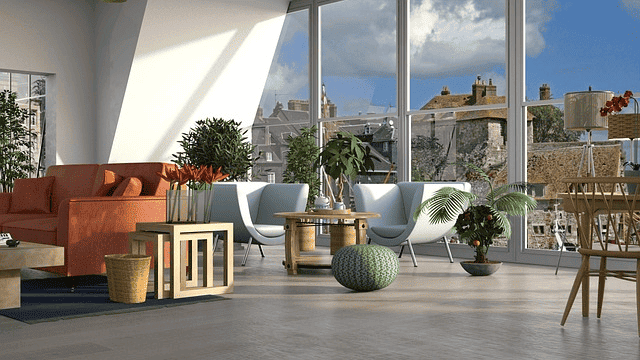
Furniture Trends of 2025: Design Meets Intelligence
Furniture is no longer simply an object of functionality or en aesthetics, it has become an intelligent, adaptive, and sustainable extension of our living space. The directions influencing the furniture design of this year indicate a combination of pioneering technology, environmental responsibility, and a continued personalized approach. When self-adjusting ergonomic chairs and modular pieces that change as families do, 2025’s furniture is built to merge with our ever-evolving lifestyles.1.Smart, AI-poweredHere, the most striking change is towards smart, AI-powered furniture. Consider a sofa that changes its firmness to match the shape of your body, or a dining table that is also a wireless charging station and an interactive display. Several companies, including Ikea and Herman Miller, have already released AI-infused pieces that memorize human taste over time, fine-tuning both comfort and energy efficiency. Beds these days have sleep-tracking sensors, ones that regulate temperature and firmness during the night, while desks gently remind users to stand or stretch after too much time seated. The line between furniture and tech is beginning to know no bounds as furniture is not just lived in, but responsive to human life.2.SustainabilitySustainability is still at the heart of design, but in 2025 it extends beyond use of recycled materials. Now, circular design is the norm; brands emphasize furniture that can be broken down for recycling, repair or upcycling. Biodegradable options such as mycelium (mushroom-based foam) and algae-based plastics for example replacing the synthetic and giving the same durability without the guilt of damaging the environment. Even high-end designers are getting on board with “zero-waste” production, in which offcuts find new life as entirely new products. Consumers are more and more attracted to furniture with a clear lifecycle, knowing where the materials came from, how they were made and how they can be responsibly disposed of.3.Modular and MultifunctionalOther trends appeal to urban dwellers and small-space living, such as modular and multifunctional furniture. As the cost of real estate surges, these designs are compact, but flexible. There are guest beds that double as couches, coffee tables that hinge up toward a working height and storage units that mount to the wall and adjust to your needs. Companies such as Resource Furniture and Ori (a robotics and design company) are leading the way in minimizing space while maximizing style. The premise is the simple one on which we all fantasize but seldom deliver, that furniture should be as agile as life at its most inconstant, whether that is while working from home on a whim or hosting a surprise house guest for the night.4.MinimalismThe aesthetic in 2025 runs to warm minimalism and biophilic design. Neutral earthy palettes — think soft terracottas, warm beiges and deep greens — prevail, resulting in tranquil, nature-inspired interiors. Furniture silhouettes are more flowing, with rounded corners and natural textures that play on the idea of comfort and calm. Indoor-outdoor living is also on the rise, and weather-resistant materials are keeping pieces as comfortable on a sunlit patio as in a cozy living room.5.CustomizedThe customized experience up a notch. And the rise of 3D printing and on-demand manufacturing means the customer today can design his or her own furniture, picking everything from a fabric pattern to the style of legs. Brands provide digital configurators that enable people to see their creations in augmented reality before buying. This change not only limits overproduction, but allows each piece to narrate a personal story.We can’t predict the future, but in 2025, furniture will no longer be static — it’s intelligent, and a living part of our daily routine. From AI integration to sustainable innovation to adaptive design, the industry is rewriting the rule book for what it is to furnish a home. The future of furniture isn’t only about filling up space; it’s about improving the way we live, one smart, sustainable and beautifully designed object at a time.
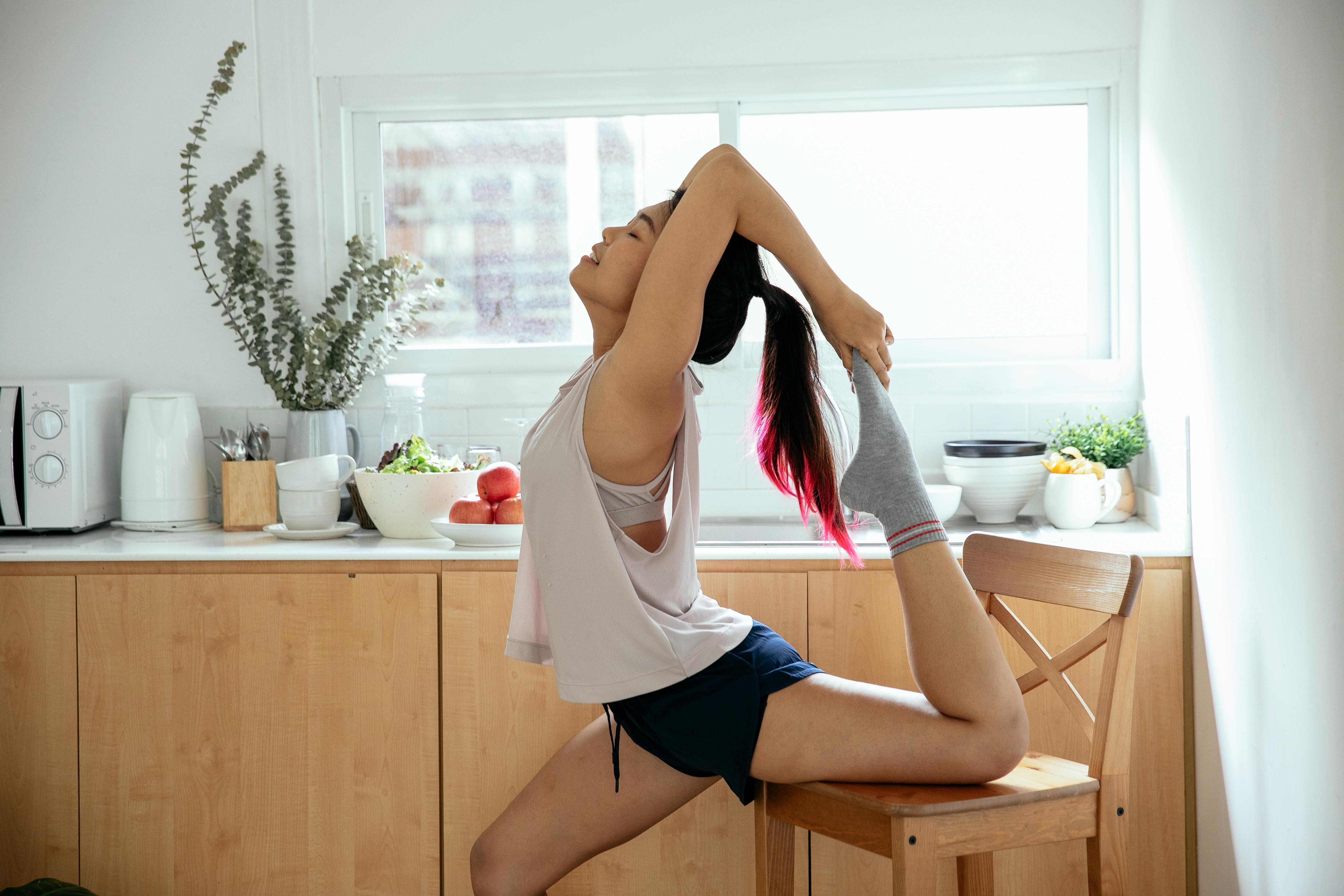
Chair Yoga: Why It’s a Beneficial Routine for the Desk-bound
In today’s fast-paced world, where many of us spend hours hunched over desks, the search for effective ways to stay active and relieve stress has never been more crucial. Enter chair yoga—a practice that is not just for older adults but a beneficial routine for people of all ages, particularly those who find themselves desk-bound for extended periods. This article explores the numerous advantages of chair yoga and why it’s an accessible and effective solution for everyone.What Is Chair Yoga?Chair yoga is a modified form of yoga that allows individuals to perform poses while seated in a chair or using a chair for support. This makes it an excellent option for those with limited mobility, chronic pain, or anyone who may feel intimidated by traditional yoga classes. The beauty of chair yoga lies in its adaptability; poses can be tailored to suit individual needs and levels of experience.Benefits for the Desk-Bound1. Alleviating Physical DiscomfortMany desk-bound workers experience discomfort due to prolonged sitting, leading to issues such as back pain, neck strain, and poor posture. Chair yoga offers gentle stretches that can help alleviate tension in these areas. Simple movements can relieve tightness in the hips, shoulders, and lower back, leading to improved comfort and physical well-being.2. Encouraging Movement Throughout the DayIncorporating chair yoga into your workday encourages regular movement, countering the adverse effects of sitting for long periods. Even short sessions of chair yoga—just five to ten minutes—can invigorate the body and mind. These breaks can lead to increased energy levels, better concentration, and enhanced productivity, making it easier to tackle tasks with renewed focus.3. Reducing Stress and AnxietyThe practice of yoga, including chair yoga, emphasizes mindful breathing and relaxation techniques. For those who are desk-bound, stress can accumulate throughout the day, negatively impacting mental health. Chair yoga promotes relaxation and mindfulness, helping to reduce stress and anxiety levels. Simple breathing exercises and meditative practices can help clear the mind, allowing for greater emotional balance and resilience.

Ways to Help an Anxious Child with Bedtime
Bedtime can be a challenging time for many children, especially those who experience anxiety. The transition from the day's activities to a quiet, dark room can trigger fear and worry, making it difficult for them to settle down. As a parent or caregiver, understanding how to support an anxious child during bedtime is crucial for their emotional well-being and overall development. Here are some effective strategies to help ease your child's bedtime anxiety.Create a Calming Bedtime RoutineEstablishing a consistent, calming bedtime routine is one of the most effective ways to help an anxious child. Routines provide a sense of security and predictability, which can significantly reduce anxiety.1. Set a Regular Schedule: Aim for the same bedtime each night, allowing your child to wind down at a consistent hour. This helps regulate their internal clock and makes falling asleep easier.2. Incorporate Relaxation Activities: Include calming activities such as reading a story, listening to soft music, or practicing deep breathing exercises. These activities can help signal to your child that it’s time to relax.3. Limit Screen Time: Reduce exposure to screens at least an hour before bed. The blue light emitted by devices can interfere with the production of melatonin, the hormone responsible for sleep. Instead, opt for low-light activities.Address Fears and ConcernsAnxiety often stems from fears that children may not fully understand or articulate. Taking the time to talk to your child about their worries can help alleviate their anxiety.1. Open Communication: Encourage your child to express their feelings. Create a safe space where they feel comfortable sharing their fears. Approach these conversations with empathy and without judgment.2. Validate Their Feelings: Let your child know that it’s okay to feel scared or anxious. Validating their feelings helps them feel understood and less isolated in their experiences.3. Problem-Solve Together: If your child expresses specific fears, work together to find solutions. For example, if they are afraid of the dark, consider using a nightlight or leaving the door slightly open.Use Comfort ObjectsMany children find comfort in having a special object nearby during bedtime. This can provide a sense of security and help ease anxiety.1. Stuffed Animals or Blankets: Encourage your child to choose a favorite stuffed animal or blanket to sleep with. These items can serve as emotional support and help them feel more secure.2. Create a “Worry Box”: If your child has worries that keep them awake, create a worry box where they can write down their thoughts before bed. This physical act of putting their worries away can be therapeutic.Encourage IndependenceFostering a sense of independence can help reduce anxiety around bedtime. Empowering your child to take control of their bedtime routine can increase their confidence.1. Involve Them in Decisions: Let your child choose their pajamas, bedtime story, or even the order of their routine. This involvement fosters a sense of ownership and control.2. Gradual Separation: If your child struggles with separation anxiety, try gradually reducing the time you spend in the room. Start by sitting with them until they fall asleep, then slowly move further away each night.3. Positive Reinforcement: Celebrate small successes. If your child stays in bed for a certain period or falls asleep without calling for you, offer praise or a small reward to reinforce their progress.Be Patient and ConsistentFinally, patience and consistency are key when helping an anxious child with bedtime. Anxiety may not resolve overnight, and it’s important to remain supportive throughout the process.1. Stay Calm and Reassuring: Your demeanor can influence how your child feels. Stay calm, reassuring, and consistent in your approach, even if they resist initially.2. Reassess and Adjust: If certain strategies aren’t working, be open to reassessing your approach. Every child is different, and what works for one may not work for another.3. Seek Professional Help if Needed: If your child’s anxiety is severe or persists despite your efforts, consider consulting a child psychologist or counselor. Professional support can provide additional strategies tailored to your child's needs.

How to Skillfully Use Textile Wall Hangings to Elevate Home Design?
Textile wall hangings have long been prized for their ability to infuse spaces with warmth, texture, and character.In modern home decor, these versatile pieces have found new ways to shine, adding a unique touch to various areas within the home. In this article, we will delve into the intricate details of how textile wall hangings can be creatively used to enhance different spaces in home design.Living Room:In the living room, a large, intricately woven textile wall hanging can serve as a captivating focal point, drawing the eye and adding depth to the space. Whether it's a handcrafted tapestry with a nature-inspired motif or a bohemian macramé wall art, the tactile and visual appeal of the piece can set the tone for the entire room. Additionally, smaller textile wall hangings can be layered with other forms of art to create a dynamic, multi-dimensional gallery wall.Bedroom:In the bedroom, a textile wall hanging can introduce a sense of serenity and style. A carefully chosen piece suspended above the bed can create a cozy, cocoon-like atmosphere, offering an alternative to a traditional headboard. Alternatively, a collection of smaller fabric wall hangings can be arranged in a cluster to inject a touch of color and personality into the room.Dining Area:When used in the dining area, a textile wall hanging can contribute to a warm and inviting ambiance. A hand-dyed fabric wall hanging or a woven tapestry can add an artisanal touch to the space, complementing the dining table and chairs. It can also serve as a unique conversation starter, offering a glimpse into the homeowner's individual style.
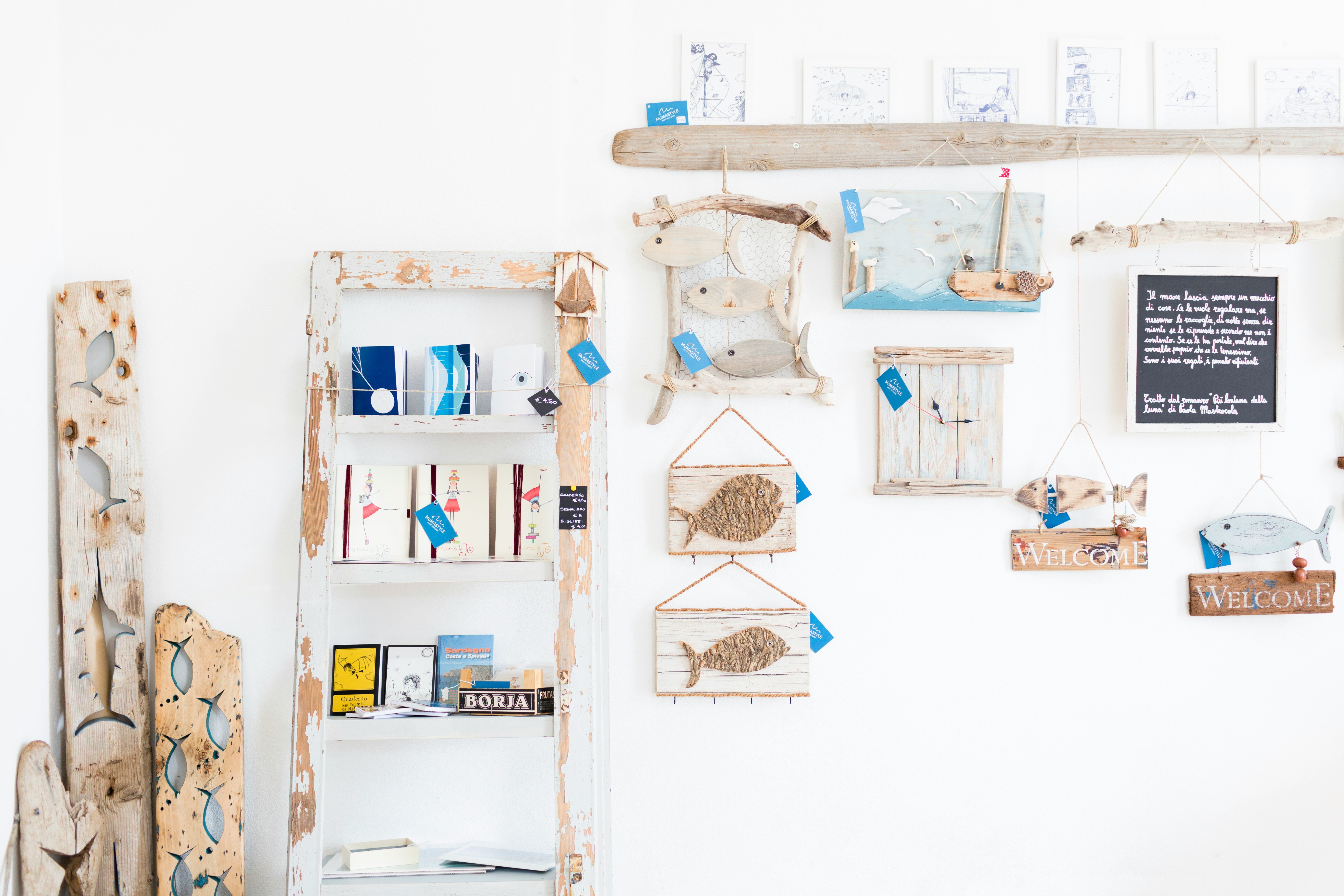
Practical Tips for Indoor Wall Decoration: A Guide for Clients
When it comes to interior design, one of the most impactful elements is wall decoration.Walls provide the canvas for your creativity and set the tone for the entire space. Whether you're looking to create a cozy atmosphere, make a bold statement, or simply add a touch of elegance, the way you decorate your walls can make a huge difference. To help you navigate the world of indoor wall decoration, here are some practical tips and suggestions to consider when selecting the perfect wall decor for your home.Choose the Right Color Scheme: The color of your walls can greatly influence the overall mood and ambiance of a room. Opt for colors that complement the existing furniture and decor in the space. Neutral tones like white, beige, and gray create a clean, versatile backdrop, while bold colors like navy blue, emerald green, or mustard yellow can make a statement and add depth to the room.Incorporate Texture and Dimension: Play with different textures and materials to add depth and interest to your walls. Consider using wallpaper with a unique pattern, textured paint, or adding wall panels for a modern touch. Mix and match different textures to create a visually appealing and dynamic space.Artwork and Wall Decor: Artwork is a great way to showcase your personality and style on your walls. Choose pieces that resonate with you and complement the overall design aesthetic of the room. Mix and match different sizes and types of artwork to create a gallery wall or focal point that serves as a conversation starter.