


Easy Yoga Routine Helps Reduce Your Fatigue
Fatigue is a common issue that many of us face on a daily basis, whether it's due to work, stress, or simply the demands of everyday life. While getting enough sleep and maintaining a healthy diet are essential for combating fatigue, there are also other effective methods that can help, such as incorporating yoga into your daily routine. Yoga is a form of exercise that combines physical postures, breathing techniques, and meditation to promote relaxation, increase flexibility, and reduce stress. Here's an easy yoga routine that you can do at home to help reduce fatigue and rejuvenate your body and mind.

Start with a Warm-Up
Before beginning your yoga routine, it's important to warm up your muscles to prevent injury. Start by standing tall with your feet hip-width apart and take a few deep breaths, focusing on filling your lungs completely with air. Then, move into a gentle sun salutation sequence, which consists of a series of poses that flow smoothly from one to the next. This sequence helps to warm up your entire body and prepare you for the more challenging poses that follow.

Mountain Pose (Tadasana)
Begin your yoga routine with Mountain Pose, a foundational pose that promotes good posture and helps to ground and center you. Stand tall with your feet hip-width apart, toes pointing forward, and knees slightly bent. Engage your core muscles and lift your chest, feeling tall and strong. Take a few deep breaths, focusing on your breath and allowing yourself to relax into the pose.

Warrior II (Virabhadrasana II)
From Mountain Pose, step your right foot forward about 3-4 feet, turning your right foot out 90 degrees and your left foot in slightly. Bend your right knee, keeping your knee aligned with your ankle, and raise your arms out to the sides, parallel to the floor and shoulder-height. Look over your right hand, keeping your gaze steady. Hold for several breaths, then repeat on the other side. Warrior II helps to strengthen your legs and open your hips and chest, promoting a sense of strength and stability.

Tree Pose (Vrksasana)
Stand tall with your feet hip-width apart and shift your weight onto your left foot. Slowly lift your right foot and place the sole of your right foot against the inside of your left leg, either on your calf or thigh. Raise your arms above your head, palms facing each other, and focus on keeping your balance. Hold for several breaths, then repeat on the other side. Tree Pose helps to improve balance, focus, and concentration, as well as promoting calmness and relaxation.

Child's Pose (Balasana)
Kneel on the floor with your knees hip-width apart and your toes touching. Sit back onto your heels, then lower your torso forward, resting your forehead on the floor or a block. Extend your arms forward, palms facing down, and relax your shoulders and neck. Hold for several breaths, allowing yourself to fully relax and release any tension in your body. Child's Pose is a deeply restorative pose that helps to calm the mind and soothe tired muscles.

Corpse Pose (Savasana)
Lie down on your back with your legs straight and your arms at your sides, palms facing up. Close your eyes and take several deep breaths, focusing on your breath and allowing yourself to fully relax. Stay in Corpse Pose for several minutes, allowing your body and mind to unwind and rejuvenate. Corpse Pose is the perfect way to end your yoga routine, as it promotes relaxation and helps to reduce stress and fatigue.

Conclusion
Incorporating this easy yoga routine into your daily life can help to reduce fatigue and promote overall well-being. Remember to listen to your body and modify the poses as needed to suit your abilities and needs. With regular practice, you'll find that yoga can be a powerful tool for reducing stress, improving your mood, and increasing your overall sense of vitality and well-being.

How to Choose Sunglasses for Travel
Sunglasses are not only a fashion accessory, but also an essential item for protecting your eyes from harmful UV rays when travelingChoosing the right sunglasses for your travels involves considering various factors to ensure they provide adequate protection and suit your style. Here are some tips for choosing sunglasses for travel:UV Protection: Look for sunglasses that provide 100% UV protection. This is crucial for shielding your eyes from the sun's harmful radiation. When purchasing sunglasses, check for labels or stickers indicating UV 400 or 100% UV protection.Lens Quality: Consider the quality of the lenses. Opt for sunglasses with polarized lenses to reduce glare and improve visibility, especially during outdoor activities. Also, ensure the lenses are impact-resistant and provide a clear, distortion-free view.Frame Fit: Choose sunglasses that fit your face shape and size. The frames should snugly sit on your nose and ears without causing discomfort or slipping. Different face shapes suit different frame styles, so consider what best complements your features.Lens Color: The color of the lenses affects your contrast and color perception. Gray lenses provide minimal color distortion, while brown/amber lenses enhance contrast. Consider the activities you'll engage in while wearing the sunglasses to determine the most suitable lens color.

Does Your Coffee Cup Affect the Taste of Your Coffee
Coffee is a necessity for many people every morning, and for coffee lovers, a good cup of coffee is not only about choosing the right beans and cooking methods, but also about using the right coffee utensils, such as coffee cups.This article will explore the potential impact of coffee cups.First of all, the material of the coffee cup is an important consideration. Common coffee mug materials include ceramic, glass and stainless steel. Ceramic cups are the most common choice because they are able to maintain the temperature of the coffee and do not have a noticeable effect on the taste of the coffee. Ceramic is very helpful for maintaining the heat and stability of the coffee, which allows the coffee to maintain the ideal temperature in the cup, making the taste more comfortable. On the other hand, the glass has good transparency, which allows people to appreciate the color and layering of the coffee. However, the glass is less able to retain heat and the coffee may cool more quickly. Stainless steel cups have excellent thermal insulation properties and can keep the temperature of coffee for a long time, but the material of stainless steel may have a certain impact on the taste of coffee.Secondly, the shape of the coffee cup may also have an effect on the taste of the coffee. The shape of the coffee cup can affect the smell, taste and caffeine content of the coffee. For example, a round cup can help the aroma of coffee concentrate better, making it easier to taste the aroma of coffee. For lighter coffee, such as Americano, you can choose a larger caliber cup to better experience the taste of coffee. In addition, the bottom shape of the cup may also have an impact on the taste of the coffee. A cup with a narrower bottom may make the coffee taste more intense, while a cup with a wider bottom may make the coffee taste more balanced.

7 Key Nutrients Everyone Needs to Ensure Daily Intake
In a world where food is abundant, surprisingly, many people still struggle to consume adequate amounts of essential nutrients. According to recent studies, billions of individuals worldwide are deficient in at least seven critical nutrients, which can lead to serious health issues. Understanding these nutrients and how to incorporate them into your diet can significantly enhance your well-being. Here’s a look at these essential nutrients and practical tips for ensuring you get enough of them.IronIron is crucial for producing hemoglobin, which carries oxygen in the blood. Deficiencies can lead to anemia, fatigue, and weakened immune function.Sources:1.Animal Sources: Red meat, poultry, and fish contain heme iron, which is easily absorbed.2.Plant Sources: Lentils, beans, tofu, spinach, and fortified cereals provide non-heme iron. Pair these with vitamin C-rich foods (like citrus fruits) to enhance absorption.Vitamin DVitamin D is essential for bone health, immune function, and mood regulation. A deficiency can result in weakened bones and increased risk of chronic diseases.Sources:1.Sunlight: Spending 10-30 minutes in the sun several times a week can help your body produce enough vitamin D.2.Dietary Sources: Fatty fish (like salmon and mackerel), fortified dairy products, and egg yolks are excellent sources. If you live in a region with limited sunlight, consider a vitamin D supplement.CalciumCalcium is vital for strong bones and teeth, muscle function, and nerve signaling. Insufficient calcium intake can lead to osteoporosis and other health issues.Sources:1.Dairy Products: Milk, yogurt, and cheese are rich in calcium.2.Plant Sources: Leafy greens (such as kale and bok choy), almonds, and fortified plant-based milks are good alternatives for those who are lactose intolerant.PotassiumPotassium helps regulate fluid balance, muscle contractions, and nerve signals. Low potassium levels can lead to high blood pressure and increased risk of stroke.Sources:1.Fruits and Vegetables: Bananas, oranges, potatoes, spinach, and avocados are excellent sources of potassium.2.Legumes: Beans and lentils also contribute to your potassium intake.MagnesiumMagnesium is involved in over 300 biochemical reactions in the body, including energy production, protein synthesis, and muscle function. A deficiency can lead to muscle cramps, fatigue, and anxiety.Sources:1.Nuts and Seeds: Almonds, cashews, and pumpkin seeds are rich in magnesium.2.Whole Grains: Brown rice, quinoa, and whole wheat products provide significant amounts of this mineral.
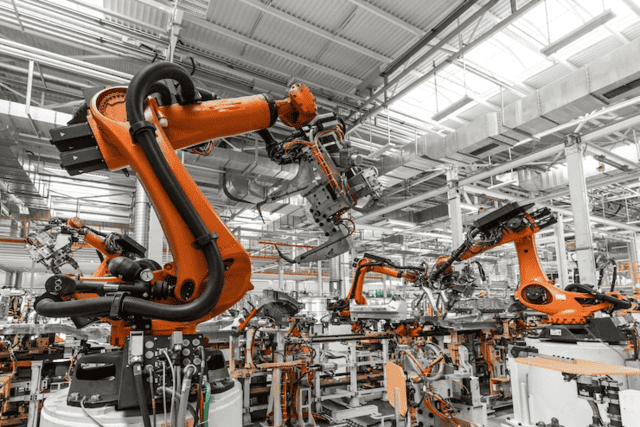
The Rise of Assembly Robots
Precision, speed, and flexibility for manufacturing leave assembly robots to the machines to perform the high-precision, repetitive movements required for simple tasks with pinpoint accuracy and blistering speed. Today, these kind of robotic systems are the staple workhorses of industry providing huge benefits over man power and are part of.Advantages of Assembly Robots1.Extraordinary PrecisionRobotic assemblers don't tire like human workers, nor do they make mistakes. The result is each piece is built to precise dimensions. This decreases defects and enhances product dependability which is crucial for applications like aerospace and medical device production. Also, robots can work 24/7, which is able to considerably increase productivity with lower cycle times.2.Cost-efficiencyWhile robots are expensive to buy and implement, the cost can be justified in terms of labor savings, waste savings and increased throughput. Furthermore, robots improve workplace safety by performing safety sensitive operations, thus reducing the number of accidents.Current ApplicationsThe assembly robot is a common feature in many different industries. Welding, bolting and attaching parts in the car industry, this job has to be done with perfect precision as millions on millions car are built within no time. Robotic machines are used by electronics manufacturers to position minuscule components on circuit boards with a precision of a micron, an assignment that is nearly impossible for human hands. In a food and beverage 3 industry, robotic arms are used to package and sort food and beverages safely while maintaining cleanliness and meeting stringent standards.There is big potential for assembly robots beyond factory production, like custom-furniture assembly and even 3D-printed construction. Collaborative robots, which are engineered to work alongside humans, are becoming more popular in shops where flexibility and usability are important.Selecting the Most Suitable Assembly RobotFirst, manufacturers need to consider the necessary payload and range of motion, smaller robots work well for delicate tasks such as electronics assembly, whereas larger robots are typically used for heavy-duty tasks. Both are also important and the faster robot is good for high-product production while a slower, more accurate robot is better for detailed work.Programming flexibility is another factor. Other robots follow pre-written commands, and some also rely on AI and machine learning to adjust to real-time variability. They should also check out possible integration with available machines and software. Finally, the budget and anticipated return-of-investment are also deciding factors.The Future of Assembly RobotsThe future for automation in assembly robotics is well on track for revolutionary trends. With the emergence of AI and IoT, the robotics will become smarter as they will be able to perform preventive maintenance and self-optimization. Improved gripper tech and tactile sensors will mean robots are dealing with delicate or asymmetrical objects better.One of the other exciting trends is the emergence of mobile assembly robotics that can move around the factory floor without human intervention, dynamically reconfiguring their jobs based on changing production requirements. Moreover, as robotics continue to decrease in cost, small and medium sized businesses will begin to implement automation, putting advanced manufacturing technologies in the hands of more and more people.Eventually, fully autonomous smart factories might be the standard and robots talk to each other, self-optimize production processes and are employed to the least degree possible. As sustainability becomes a key priority, energy-efficient robots running on renewable sources of energy will continue lowering the ecological impact of production.ConclusionAssembly robots are changing the face of modern manufacturing through the relentless pursuit of precision, throughput, and safety. They are used in various fields, from the automotive industry to computer electronics, and can do more and more since technical progress is made. Companies have to consider several important factors in order to find the robot that suits their application best. In the long term, AI-enabled adaptive robotics will open even more doors to a new industrial era both smarter and more automated. Those machines are not only going to grow production, they're going to completely recast the very definition of what work even means in the manufacturing sector.
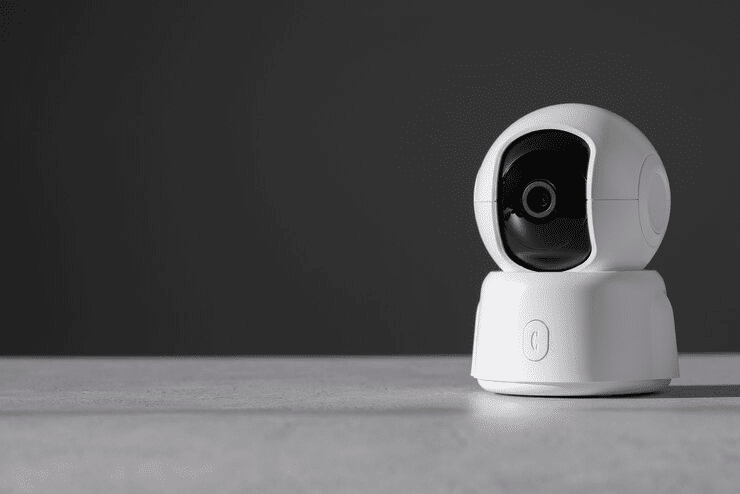
Aspects to Focus on When Buying a Home Security Camera
Home security cameras are a valuable part of maintain safety and piece of mind. Whether you want to keep your home safe while you’re away, or you need to be able to see what’s happening at your front door, there are tons of options for home security cameras. With all of the options that are out there, and here are some things to consider to ensure you have a camera that works for you how you want it to.1.ResolutionThe resolution of the camera is another important consideration. More resolution typically means clearer images, and that can be critical when trying to identify faces or license plates. Many new cameras record in HD 1080p and even 4K resolution. But, of course, higher resolution also translates into larger file sizes, which can eat up more space and more bandwidth. If you plan on recording footage non-stop, you'll want enough space, whether that's cloud storage or a local solution such as microSD cards or network-attached storage (NAS).2.Size of the ViewThe size of the view is also a consideration. A broader perspective enables thus reducing blind spots and more coverage area for the camera. Cameras with field of view from 130 degrees to 180 degrees are typical, but welter-weight panoramic cameras with 360-degree coverage are available. If you are watching over a large space, like a garden or sitting room, then you may want a wider angle. But for more confined spaces, you may want to narrow the beam to prevent wasted coverage.3.ConnectivityAnother consideration is connectivity. The vast majority of home security cameras today have some type of Wi-Fi connection, but what kind of network device you're connecting to is going to make a difference. A poor signal may result in lagging or dropped connections if your camera is too far from the router. Some cameras have Ethernet ports for improved connectivity, or dual-band Wi-Fi for better signal. Wireless (battery operated) cameras are versatile where you can place them, only to have the hassle of replacing, or recharging batteries.4.StorageThere are various storage options for cameras and the kind you choose will depend on how much storage you wish to keep. The convenience of cloud storage is that it can offer remote access and automated backups, but it frequently involves subscription fees. Local storage, such as SD cards or an external hard drive, removes ongoing charges, but could be stolen or damaged if the camera is interfered with. Some also have hybrid solutions, where you can keep footage locally and in the cloud for extra backup.5.PrivacyPrivacy is a becoming a worry with home security cameras. And, because these devices are internet-connected, they may be hackable if not protected. Opt for a camera with robust encryption, two-factor authentication and regular firmware updates, and you may safeguard your data. Also think about whether the camera offers physical privacy mechanisms like a lens shutter or the ability to disable recording entirely when you're home.6.Smart FunctionsSmart functions fills it with more value. Most have motion detection, but some advanced cameras have facial recognition and sound detection, too. This helps prevent false alarms caused by swaying branches, swinging parking gates or passing cars. The camera also supports two-way audio so you can address delivery people or even would-be intruders through the camera, which is a nice touch. Integration with smart home platforms like Amazon Alexa or Google Assistant can offer easy control and automation too.In conclusion, picking the first home security camera does not only mean paying a visit to a shop and picking the first model you see. By considering your requirements on placement, resolution, storage, connection, privacy, and smart features, you choose a camera which is suitable to both security and convenience for your home. By researching and comparing your options you will invest in your security and peace of mind for many years to come.