


The Rise of Assembly Robots
Precision, speed, and flexibility for manufacturing leave assembly robots to the machines to perform the high-precision, repetitive movements required for simple tasks with pinpoint accuracy and blistering speed. Today, these kind of robotic systems are the staple workhorses of industry providing huge benefits over man power and are part of.
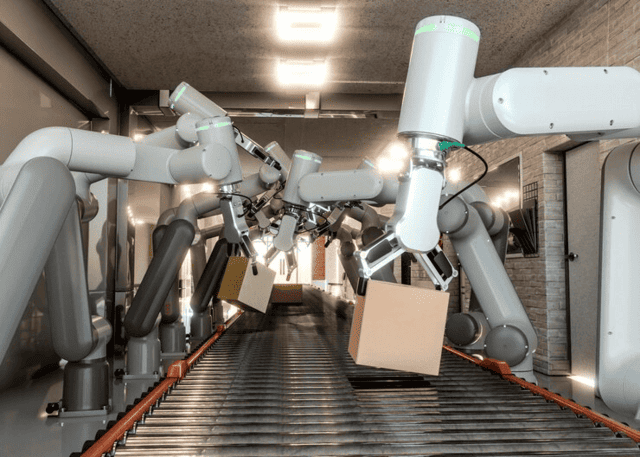
Advantages of Assembly Robots
1.Extraordinary Precision
Robotic assemblers don't tire like human workers, nor do they make mistakes. The result is each piece is built to precise dimensions. This decreases defects and enhances product dependability which is crucial for applications like aerospace and medical device production. Also, robots can work 24/7, which is able to considerably increase productivity with lower cycle times.
2.Cost-efficiency
While robots are expensive to buy and implement, the cost can be justified in terms of labor savings, waste savings and increased throughput. Furthermore, robots improve workplace safety by performing safety sensitive operations, thus reducing the number of accidents.
Current Applications
The assembly robot is a common feature in many different industries. Welding, bolting and attaching parts in the car industry, this job has to be done with perfect precision as millions on millions car are built within no time. Robotic machines are used by electronics manufacturers to position minuscule components on circuit boards with a precision of a micron, an assignment that is nearly impossible for human hands. In a food and beverage 3 industry, robotic arms are used to package and sort food and beverages safely while maintaining cleanliness and meeting stringent standards.
There is big potential for assembly robots beyond factory production, like custom-furniture assembly and even 3D-printed construction. Collaborative robots, which are engineered to work alongside humans, are becoming more popular in shops where flexibility and usability are important.
Selecting the Most Suitable Assembly Robot
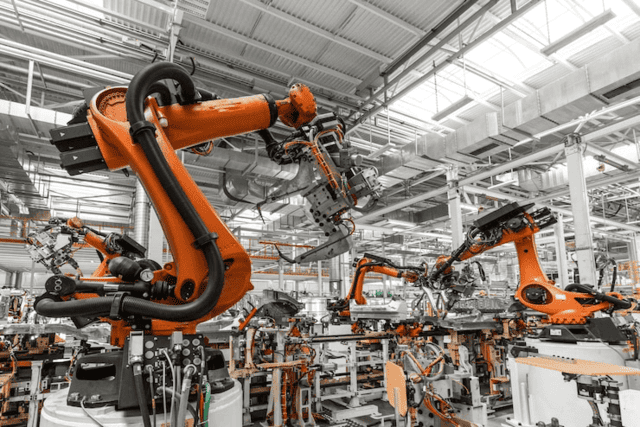
First, manufacturers need to consider the necessary payload and range of motion, smaller robots work well for delicate tasks such as electronics assembly, whereas larger robots are typically used for heavy-duty tasks. Both are also important and the faster robot is good for high-product production while a slower, more accurate robot is better for detailed work.
Programming flexibility is another factor. Other robots follow pre-written commands, and some also rely on AI and machine learning to adjust to real-time variability. They should also check out possible integration with available machines and software. Finally, the budget and anticipated return-of-investment are also deciding factors.
The Future of Assembly Robots
The future for automation in assembly robotics is well on track for revolutionary trends. With the emergence of AI and IoT, the robotics will become smarter as they will be able to perform preventive maintenance and self-optimization. Improved gripper tech and tactile sensors will mean robots are dealing with delicate or asymmetrical objects better.
One of the other exciting trends is the emergence of mobile assembly robotics that can move around the factory floor without human intervention, dynamically reconfiguring their jobs based on changing production requirements. Moreover, as robotics continue to decrease in cost, small and medium sized businesses will begin to implement automation, putting advanced manufacturing technologies in the hands of more and more people.
Eventually, fully autonomous smart factories might be the standard and robots talk to each other, self-optimize production processes and are employed to the least degree possible. As sustainability becomes a key priority, energy-efficient robots running on renewable sources of energy will continue lowering the ecological impact of production.
Conclusion
Assembly robots are changing the face of modern manufacturing through the relentless pursuit of precision, throughput, and safety. They are used in various fields, from the automotive industry to computer electronics, and can do more and more since technical progress is made. Companies have to consider several important factors in order to find the robot that suits their application best. In the long term, AI-enabled adaptive robotics will open even more doors to a new industrial era both smarter and more automated. Those machines are not only going to grow production, they're going to completely recast the very definition of what work even means in the manufacturing sector.

Choosing the Right Footwear: A Guide to Fall-Prevention Shoes for Seniors
Key Features of Senior-Friendly ShoesWhen buying shoes for elderly, consider non-skid rubber soles with deep tread patterns that provide the best grip on a variety of surfaces. Seek out low, wide heels (no more than an inch) that offer stabilizing support without hampering your equilibrium. Shoes must have good heel counters and proper arch supports to keep the feet in their natural position. Get the ones that adjust like Velcro or elastic laces so you can expand with foot swelling, but while still feeling secure on your feet. Lightweight construction minimizes fatigue when you wear all a day long just like padded collar prevents ankle discomfort.Shoes for Specific Health ConditionsSpecific foot health considerations should be used when selecting an appropriate athletic or walking shoe for older adults.1.Accessibility/ Balance: The elderly people often have balance difficulties; thus the shoes with wide soles and low heels can help them to improve their stability. Orthotic shoes with deep grip soles and enhanced ankle support are also a good choice for those who wish to prevent falls.2.Arthritis: For an elderly with arthritis, the more shock-absorbing and cushioning materials in the shoes, the better. Rocker-bottom shoes are designed to decrease joint pressure by encouraging a natural walking gait.3.Diabetes: Footwear that is designed to keep you safe from foot ulcers for older people with diabetes. Shoes with deeper depth, seamless insoles and soft cushioned materials may be beneficial to reduce friction on the foot and bony prominence.Footwear Types to AvoidSome shoes pose an enormous risk of falling and are not welcome additions to any senior's closet. High heel and platform shoes push the body weight forward, destabilizing the wearer.Backless slippers and loose flip-flops don't provide support to the heel, and they can slip off far too easily when on stairs. Worn-out athletic shoes with flat, polished soles for example lose all traction; at the other extreme, sneakers designed for very cushioned heels have specifically thickened sole zones that prevent feeling the ground.Footwear that doesn't fit well, whether too tight or too loose, can lead to pain, numbness or blisters that change the way a child walks.Recommended Shoes for the Elderly1.Propet Stability X: The Propet Stability X offers stability with cushioning and easy to adjust hook-and-loop closure systems. The adjustable strap makes this the perfect fit. They happen to be Medicare-approved shoes, so they are also an excellent value for seniors with certain health conditions.2.Skechers GOwalk 5: The Skechers GOwalk 5 slip-on is not only light, but comfortable, and it's an easy sneaker to put on for those seniors who have problems tying shoelaces. Thoughtful design with breathable material, cushioned foot bed and rubber outsole makes it the perfect everyday casual option.3.New Balance 928v3 walking shoes: The New Balance 928v3 is one of the most popular sneakers for those on their feet all day, or anyone who need additional arch support, cushioning and stability. With the anti-roll feature it controls the movement of rear foot for those who have trouble balancing.Essential Shoe Maintenance TipsShoe maintenance increases lifespan and protects safety properties. Check soles to monitor wear patterns monthly; uneven wearing is a sign of needing replacement. Scrub rubber soles regularly with a mild soap, as dirt is the number one killer of grip. Do keep shoes dry and don't leave them near direct heat sources, which break down materials. Treat leather shoes with conditioner every three months to avoid cracking. Arguably most importantly is to replace walking shoes every 6-12 months depending on how often you use them, no matter if they look okay.Rediscovering the joy of walking safely. The elderly can now enjoy a safe and sure way to walk indoors and outdoors. With the right footwear, and taking care of it, seniors can walk confidently and with less risk of falling.

A Fresh Guide to Essential Gear for Outdoor Hiking
To fully enjoy the journey, having the right gear is essential for safety, comfort, and convenience. In this comprehensive guide, we will explore the essential equipment needed for outdoor hiking and provide valuable insights for hikers to make informed decisions when it comes to gear selection.Footwear: The Foundation of Every HikeThe importance of proper footwear cannot be overstated when it comes to hiking. Invest in high-quality hiking boots or trail shoes that provide ankle support, a sturdy sole, and waterproofing. A proper fit is crucial to prevent blisters and ensure stability on rugged terrain.Backpack: Carrying Comfort and ConvenienceSelecting the right backpack is essential for carrying all your essential gear. Look for a backpack with padded shoulder straps, adjustable waist belt, and multiple compartments for organized storage. Consider the capacity based on the length of your hikes and the gear you plan to carry.Clothing: Layering for Comfort and ProtectionDress in layers to regulate body temperature and protect against the elements. Moisture-wicking base layers, insulating mid-layers, and waterproof outer layers are essential. Don't forget to pack a hat, gloves, and extra socks for changing weather conditions.Navigation Tools: Finding Your Way SafelyA reliable map and compass are essential for navigating through unfamiliar terrain. Consider complementing these traditional tools with a GPS device or smartphone app for added convenience. Be sure to familiarize yourself with how to use these tools before heading out.

Elevate Your Workout Experience: How to Choose the Perfect Pair of Sports Earphones
Are you looking for a pair of earphones that can keep up with your active lifestyle? Look no further! Choosing the right sports earphones can make a significant difference in how you experience your workouts. Here are some innovative tips to help you select the perfect pair:Comfort is Key: Opt for sports earphones that offer a comfortable and secure fit. Look for earphones with customizable ear tips or ear hooks to ensure a snug fit that stays in place even during intense physical activities.Stay in the Zone: Consider sports earphones with excellent sound quality and noise isolation capabilities. This will help you stay focused and motivated during your workout by immersing you in your favorite music without any distractions.Make a Splash: If you engage in activities that involve sweat or water, choose sports earphones that are sweat-proof and water-resistant. This will ensure that your earphones remain in top condition despite the sweat and moisture.

Enigma of Loch Ness
In the case of Loch Ness, which is Scotland's second-largest loch by surface area has become one with a legend that dates them back to some medieval narratives about reports believed in fact being true regarding experiences people had while party hunting and looking for food. Though the validity of this legend has never be confirmed, Loch Ness and its mystery continues to capture the imaginations of people all over—as well as their willingness cross it off on their bucket list.Overview of Loch Ness MonsterThere is even much doubt about whether there actually are such things as the Loch Ness Monster, or 'Nessie', however the legend has endured for centuries. Tales of a monster in the loch date from about 560, when St. Columba is supposed to have seen one in the Loch Ness. But the contemporary obsession with this monster actually goes back to 1933 when a spate of sightings in Loch Ness captured international interest.The loch alone is a site of breath-taking natural grandeur. Measuring about 23 miles long, the loch reaches a depth of 788 feet, making it one of the largest fresh water bodies in Great Britain. The dark cold waters and haunting sea loch, highlands hills and castles definitely give that whole sector an air of mystique.Mysteries in Loch NessThis search for the monster has since become something of a tourist attraction and, whilst numerous expeditions have been undertaken to investigate these claims over the years; no concrete proof that Nessie is real ever seems to surface. Theories abound, from giant eels to misidentified seiches caused by natural phenomena or hoaxes. Still, the fascination persists and with 1155 official sightings to date, the legend of Loch Ness lives on.More than just the monster, Loch Ness is a virtual paradise for nature lovers. Nessie is one of the most well-known mythical creatures and has become an international phenomenon credit: The loch forms a part of (and quite distinct from) that broader Caledonian Canal system which connects bodies of water across Scotland, it is in designated areas including protected waters forming key parts for completion on the Loch Ness 360° trail, an epic "new" activity trail offering those who dare to walk, cycle or run it up to nearly 80 miles worth.More EnigmasIt is also home to a number of hidden treats that are waiting for visitors. From the ancient Inverfarigaig Pier where you can enjoy great views of Loch Ness, to Suidhe Viewpoint is one of those trekking peaks which offers intact natural surroundings. Paddle the Great Glen, canoeing is an outdoor activity available to all, young and old alike, keen sportsperson or first-timer but undoubtedly one that leaves its impression like no other.Apart from the loch itself there are waterfalls, forest and hidden lochs throughout its environs. One such hidden gem is Plodda Falls, the tallest waterfall in the area located on north side of loch. Farigaig Forest, filled with wildflowers & butterflies, also garden for red squirrels -boasts a viewing point from where to look at dramatic rocky outcrops and hidden small lochs.ConclusionFor now, while the legend of Nessie might be what brings most people here in the first place, it is the untouched beauty and patchwork history which makes Loch Ness so special. Believe in the monster or not, a trip to Loch Ness is both enthralling and unforgettable.