


Instructions to Buying Yoga Clothes
While rehearsing yoga, a bunch of agreeable and fit yoga garments is fundamental. This article will furnish you with a definite manual for purchasing yoga garments, so you can make it simpler to purchase yoga garments.
1. Material selection
The material of yoga clothing has a crucial and significant impact on its air permeability, comfort and durability. Generally speaking, the main materials of yoga clothing are pure cotton, polyester, modal and so on. Pure cotton yoga clothes have good humidity inhalation, but are easy to wrinkle; Polyester yoga clothing has good wear resistance, but poor air permeability; Modal material yoga clothing is both hygroscopic and breathable, comfortable to wear, suitable for yoga this high-intensity, high-humidity exercise.
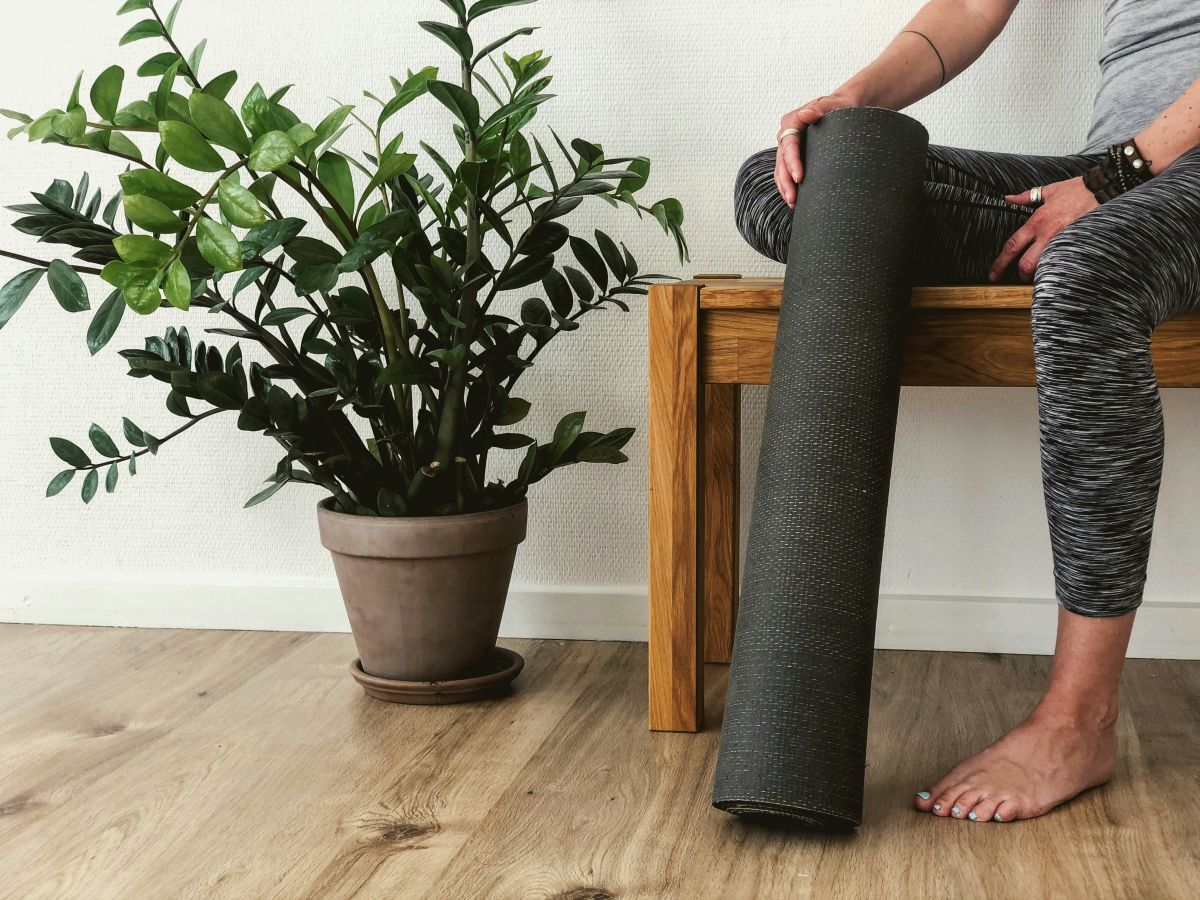
2. Fit degree and elasticity
When choosing yoga clothing, fit and elasticity are also very important and essential factors. The right fit allows you to be more cozy and easeful in the movement, and enough elasticity allows you to stretch without bondage. Therefore, it is recommended to choose yoga clothes with high fit and good elasticity, so that you can not only better show your movements, but also improve and enhance your practice effect.
3. Length and leg design
The length and leg design of yoga clothing also have a great impact on its overall effect. In general, the length of yoga clothes should be just above the navel, so that you can better show the proportion of your figure. Pant leg design should be selected according to the individual leg type, straight or loose design can make you more comfortable in the movement, and tight design can better show your muscle line.
4. Brand and price
When choosing yoga clothing, brand and price are also factors to consider. Yoga clothing from well-known brands are usually more guaranteed in design, but they are also relatively expensive. If your requirements for yoga clothing are not particularly high, you can also choose some brands or styles that are more cost-effective. However, no matter which brand of yoga clothing you choose, you should pay attention to whether its quality and comfort meet your needs.
5.Try on and adjust
When buying yoga clothes, trying them on is an essential step. When trying on, pay attention to check the fit and elasticity of yoga clothes, as well as whether the length and pant leg design meet their needs. If there is a need to adjust the place, you can consult the clerk or adjust yourself. In addition, if you often practice yoga, it is recommended to buy several sets of different colors and styles of yoga clothes to enrich their practice experience.

6.Pay attention to maintenance and cleaning
Finally, after buying yoga clothes, you also need to pay attention to maintenance and cleaning. Proper maintenance and cleaning methods can extend the service life of yoga clothes and maintain their comfort and beauty. It is recommended to follow the cleaning method provided by the brand and avoid using bleach or high temperature washing. In addition, the storage of yoga clothes should avoid folding or squeezing, it is best to use a special suspension rack for storage.
In short, purchasing a reasonable arrangement of yoga garments is vital to work on the impact and solace of yoga practice. While purchasing, focus on the material, fit and versatility, length and leg configuration, brand and cost. By fitting and changing, as well as appropriate support and cleaning, you can find the most reasonable yoga garments for yourself, and better partake in the physical and mental joy brought by yoga.

Evening Exercise Breaks Unlock Restful Sleep
In the quest for better sleep, many people turn to relaxation techniques, sleep aids, or even stringent bedtime routines. However, a growing body of research suggests that one of the most effective strategies for promoting restful sleep lies in an unexpected source: evening exercise breaks. While conventional wisdom often advises against exercising too close to bedtime, recent findings indicate that moderate physical activity in the evening can actually enhance sleep quality. Here’s a closer look at how evening exercise breaks can unlock restful sleep and practical tips for incorporating them into your routine.The Science Behind Evening ExerciseTraditionally, it was believed that vigorous exercise before bed could lead to increased alertness, making it harder to fall asleep. However, studies are now showing that moderate exercise in the evening can have several sleep-enhancing benefits.1. Enhanced Sleep QualityResearch indicates that individuals who engage in regular evening exercise report improved sleep quality. Moderate physical activity can help regulate the body’s internal clock, promoting deeper stages of sleep and reducing the time it takes to fall asleep. Exercise increases the body’s core temperature, and as it gradually drops post-exercise, it signals to the body that it’s time to rest.2. Stress and Anxiety ReductionEvening exercise serves as an effective stress reliever. Physical activity releases endorphins, the body’s natural mood lifters, which can help alleviate anxiety and stress accumulated throughout the day. By engaging in exercise, individuals can create a buffer against the daily stresses that might otherwise interfere with their ability to fall asleep.3. Improved Sleep DurationModerate evening exercise can help extend the duration of sleep. Studies have shown that people who exercise regularly sleep longer than those who do not. The combination of reduced stress, enhanced mood, and physical fatigue from exercise can contribute to longer, more restful sleep.Types of Evening ExercisesNot all exercises are created equal when it comes to promoting restful sleep. Here are some effective options that can be easily incorporated into your evening routine:1. Walking or JoggingA brisk walk or light jog in the evening can be a great way to unwind. This low-impact activity allows you to enjoy the fresh air while promoting relaxation. Aim for 20 to 30 minutes of walking to reap the benefits without overstimulating your body.2. Yoga and StretchingYoga is particularly effective for promoting relaxation and stress relief. Gentle yoga poses and deep breathing exercises can help calm the mind and prepare the body for sleep. Consider a short evening yoga routine focused on restorative poses that emphasize relaxation.

Why Polarized Sunglasses are Essential for Every Driver!
Polarized lenses are indispensable for driving, as they effectively eliminate glare and scattered light from reflective surfaces such as car windows and wet roads. By reducing these distractions, polarized sunglasses ensure clearer vision, especially in bright sunlight, thus minimizing the risk of accidents on the road. Additionally, polarized lenses are beneficial for individuals with myopia, as they provide enhanced visual comfort and clarity, allowing for a safer and more enjoyable driving experience for all.But beyond driving, there's a myriad of sunglasses types to consider, each with its own unique features and suitability for various occasions.Lens Material:The lens material of sunglasses is directly related to the visual experience and service life. Common lens materials currently on the market include glass, resin and PC (polycarbonate). Glass lenses have the advantages of high definition and strong wear resistance, but they are heavy and fragile; resin lenses are lightweight and not easily broken, but have relatively poor wear resistance; PC lenses are both lightweight and wear-resistant, making them ideal for sports The first choice for sunglasses.

How to Maintain a Bike
As a convenient and environmentally friendly means of transport, bicycle is more and more attractive among people.However,it also needs to be properly maintained. This article will detail the steps and precautions on how to maintain your bike.1.Regular cleaningCleanliness is the foundation of bike maintenance. Regular cleanliness curtails dustand dirt from your bike and prevents them from causing damageto your bike. It is recommended to clean the bike at least once a week, especially after riding in rainy days and muddy roads. To clean, first rinse the surface of the bike with water, and then wipe it clean with a clean cloth. Be careful not to use cleaners containing chemicals, so as not to cause corrosion to the bike.2.Check the tire pressureTire pressure is an important factor that affects bicycle running. Low or high air pressure will affect the comfort and safety of riding. Therefore, tire pressure should be checked before each ride. If tire pressure is found to be insufficient, it is necessary to replenish gas in time. At the same time, it is also necessary to regularly check the wear of the tire, if the tire wear is serious, it should be replaced in time.3.Adjust the brakeBrake is an important part to ensure riding safety. Regular check and adjustment of the brakes can ensure the sensitivity and reliability of the brakes. If it is found that the brake is not working or the adjustment is improper, it should be adjusted in time. When adjusting, it is necessary to ensure that the angle of the brake handle and the handlebar is appropriate, and the gap between the brake pad and the brake disc is moderate. At the same time, pay attention to the tightness of the brake line to prevent the brake line from being too tight or too loose.

Protecting Your Digital Assets in the Modern Age
As the world continues to go online, the importance of ensuring your digital assets are protected reaches the same level as securing physical assets. Digital assets can be quite eclectic, including; cryptocurrency, online accounts, intellectual property, sensitive documents and social profiles. The growing threat to cyber security, whether its hacking or phishing, now necessitates that strong security protocols be in place to restrict access and potential loss.1.Strong and Unique PasswordsA password isn’t always enough to protect your digital property, one of the most basic things you can do to protect your digital self is have a password that’s strong and unique for every account. Too many of us don’t listen to that message — and wind up using the same password across multiple sites, which can have a domino effect of abuse if security at a just single one of those sites is compromised. A complex password would consist of mixed upper and lower case, numbers, and special characters.2.Two-factor AuthenticationTwo-factor authentication (2FA) is an extra security layer beyond just a password. 2FA serves as a second form of identification and, as such, serves as an extra bar to entry for any unauthorized person looking to access your account or device, and thus, the sensitive information contained within. By requiring a second form of proof, something like a fingerprint or a one-time mobile code or a physical security key, for instance, 2FA raises the bar on entry. Many major services, ranging from banks, email providers, and cryptocurrency exchanges all support 2FA. A simple yet useful step to increase security is to have it turned on wherever possible.3.Secured Private KeysIf you are a cryptocurrency or a blockchain-base-asset holder, you should make sure that private keys are secured. There is no way to recover lost or stolen keys (unlike bank accounts). So backup is critical. In any case, don’t put your private key on the internet, or anywhere nice and easily available online such as an email or cloud storage. All devices and software should be updated to have the necessary security patches. Also our approved antiviruses and malware scanners can find threats in real time before they do any damage.4.BackupsBackups are really the unsung heroes in protecting your digital assets. Ransomware attacks, hardware crashes or an accidental deletion can erase years of data in a heartbeat. By periodically saving important file into an external hard drive or a reliable cloud service you make recovering something overhead easier. For the greatest safety, the “3-2-1” rule is often recommended: Have three copies of data, on two different storage types, with one stored offsite.5.Never Click on Suspicious LinksSocial engineering assaults, like phishing on email or a phony call to customer support, they exploit human weakness rather than technical ones. And always double-check the legitimacy of requests for sensitive information, never click on suspicious links. Knowing common scams and educating yourself and others about them can save time and money.6.Long-term PlanningLastly, examine estate planning for long-term planning of digital assets. A great deal of digital accounts and holdings are not available to heirs without certain documents. If you have a list of accounts, passwords and instructions to it and share it with a lawyer or family member you trust to access it after your death, this will ensure your valuable assets are distributed the way you want. For digital security, it’s also imperative to maintain up to date software, updating it as it becomes available. And a lot of cybercriminals take advantage of weaknesses in outdated operating systems, applications or firmware.Ultimately, in a world that is increasingly connected, proactive security is critically not a luxury but a requirement. You can take action to mitigate the risk to themselves and their digital assets with this sequence of steps to protect themselves in the longer term.

Ways to Help an Anxious Child with Bedtime
Bedtime can be a challenging time for many children, especially those who experience anxiety. The transition from the day's activities to a quiet, dark room can trigger fear and worry, making it difficult for them to settle down. As a parent or caregiver, understanding how to support an anxious child during bedtime is crucial for their emotional well-being and overall development. Here are some effective strategies to help ease your child's bedtime anxiety.Create a Calming Bedtime RoutineEstablishing a consistent, calming bedtime routine is one of the most effective ways to help an anxious child. Routines provide a sense of security and predictability, which can significantly reduce anxiety.1. Set a Regular Schedule: Aim for the same bedtime each night, allowing your child to wind down at a consistent hour. This helps regulate their internal clock and makes falling asleep easier.2. Incorporate Relaxation Activities: Include calming activities such as reading a story, listening to soft music, or practicing deep breathing exercises. These activities can help signal to your child that it’s time to relax.3. Limit Screen Time: Reduce exposure to screens at least an hour before bed. The blue light emitted by devices can interfere with the production of melatonin, the hormone responsible for sleep. Instead, opt for low-light activities.Address Fears and ConcernsAnxiety often stems from fears that children may not fully understand or articulate. Taking the time to talk to your child about their worries can help alleviate their anxiety.1. Open Communication: Encourage your child to express their feelings. Create a safe space where they feel comfortable sharing their fears. Approach these conversations with empathy and without judgment.2. Validate Their Feelings: Let your child know that it’s okay to feel scared or anxious. Validating their feelings helps them feel understood and less isolated in their experiences.3. Problem-Solve Together: If your child expresses specific fears, work together to find solutions. For example, if they are afraid of the dark, consider using a nightlight or leaving the door slightly open.Use Comfort ObjectsMany children find comfort in having a special object nearby during bedtime. This can provide a sense of security and help ease anxiety.1. Stuffed Animals or Blankets: Encourage your child to choose a favorite stuffed animal or blanket to sleep with. These items can serve as emotional support and help them feel more secure.2. Create a “Worry Box”: If your child has worries that keep them awake, create a worry box where they can write down their thoughts before bed. This physical act of putting their worries away can be therapeutic.Encourage IndependenceFostering a sense of independence can help reduce anxiety around bedtime. Empowering your child to take control of their bedtime routine can increase their confidence.1. Involve Them in Decisions: Let your child choose their pajamas, bedtime story, or even the order of their routine. This involvement fosters a sense of ownership and control.2. Gradual Separation: If your child struggles with separation anxiety, try gradually reducing the time you spend in the room. Start by sitting with them until they fall asleep, then slowly move further away each night.3. Positive Reinforcement: Celebrate small successes. If your child stays in bed for a certain period or falls asleep without calling for you, offer praise or a small reward to reinforce their progress.Be Patient and ConsistentFinally, patience and consistency are key when helping an anxious child with bedtime. Anxiety may not resolve overnight, and it’s important to remain supportive throughout the process.1. Stay Calm and Reassuring: Your demeanor can influence how your child feels. Stay calm, reassuring, and consistent in your approach, even if they resist initially.2. Reassess and Adjust: If certain strategies aren’t working, be open to reassessing your approach. Every child is different, and what works for one may not work for another.3. Seek Professional Help if Needed: If your child’s anxiety is severe or persists despite your efforts, consider consulting a child psychologist or counselor. Professional support can provide additional strategies tailored to your child's needs.