


Ways to Help an Anxious Child with Bedtime
Bedtime can be a challenging time for many children, especially those who experience anxiety. The transition from the day's activities to a quiet, dark room can trigger fear and worry, making it difficult for them to settle down. As a parent or caregiver, understanding how to support an anxious child during bedtime is crucial for their emotional well-being and overall development. Here are some effective strategies to help ease your child's bedtime anxiety.

Create a Calming Bedtime Routine
Establishing a consistent, calming bedtime routine is one of the most effective ways to help an anxious child. Routines provide a sense of security and predictability, which can significantly reduce anxiety.
1. Set a Regular Schedule: Aim for the same bedtime each night, allowing your child to wind down at a consistent hour. This helps regulate their internal clock and makes falling asleep easier.
2. Incorporate Relaxation Activities: Include calming activities such as reading a story, listening to soft music, or practicing deep breathing exercises. These activities can help signal to your child that it’s time to relax.
3. Limit Screen Time: Reduce exposure to screens at least an hour before bed. The blue light emitted by devices can interfere with the production of melatonin, the hormone responsible for sleep. Instead, opt for low-light activities.

Address Fears and Concerns
Anxiety often stems from fears that children may not fully understand or articulate. Taking the time to talk to your child about their worries can help alleviate their anxiety.
1. Open Communication: Encourage your child to express their feelings. Create a safe space where they feel comfortable sharing their fears. Approach these conversations with empathy and without judgment.
2. Validate Their Feelings: Let your child know that it’s okay to feel scared or anxious. Validating their feelings helps them feel understood and less isolated in their experiences.
3. Problem-Solve Together: If your child expresses specific fears, work together to find solutions. For example, if they are afraid of the dark, consider using a nightlight or leaving the door slightly open.

Use Comfort Objects
Many children find comfort in having a special object nearby during bedtime. This can provide a sense of security and help ease anxiety.
1. Stuffed Animals or Blankets: Encourage your child to choose a favorite stuffed animal or blanket to sleep with. These items can serve as emotional support and help them feel more secure.
2. Create a “Worry Box”: If your child has worries that keep them awake, create a worry box where they can write down their thoughts before bed. This physical act of putting their worries away can be therapeutic.

Encourage Independence
Fostering a sense of independence can help reduce anxiety around bedtime. Empowering your child to take control of their bedtime routine can increase their confidence.
1. Involve Them in Decisions: Let your child choose their pajamas, bedtime story, or even the order of their routine. This involvement fosters a sense of ownership and control.
2. Gradual Separation: If your child struggles with separation anxiety, try gradually reducing the time you spend in the room. Start by sitting with them until they fall asleep, then slowly move further away each night.
3. Positive Reinforcement: Celebrate small successes. If your child stays in bed for a certain period or falls asleep without calling for you, offer praise or a small reward to reinforce their progress.

Be Patient and Consistent
Finally, patience and consistency are key when helping an anxious child with bedtime. Anxiety may not resolve overnight, and it’s important to remain supportive throughout the process.
1. Stay Calm and Reassuring: Your demeanor can influence how your child feels. Stay calm, reassuring, and consistent in your approach, even if they resist initially.
2. Reassess and Adjust: If certain strategies aren’t working, be open to reassessing your approach. Every child is different, and what works for one may not work for another.
3. Seek Professional Help if Needed: If your child’s anxiety is severe or persists despite your efforts, consider consulting a child psychologist or counselor. Professional support can provide additional strategies tailored to your child's needs.

To conclude, by implementing these strategies, you can help your anxious child navigate bedtime with greater ease and confidence, fostering a more restful environment for both of you.

How to Skillfully Use Textile Wall Hangings to Elevate Home Design?
Textile wall hangings have long been prized for their ability to infuse spaces with warmth, texture, and character.In modern home decor, these versatile pieces have found new ways to shine, adding a unique touch to various areas within the home. In this article, we will delve into the intricate details of how textile wall hangings can be creatively used to enhance different spaces in home design.Living Room:In the living room, a large, intricately woven textile wall hanging can serve as a captivating focal point, drawing the eye and adding depth to the space. Whether it's a handcrafted tapestry with a nature-inspired motif or a bohemian macramé wall art, the tactile and visual appeal of the piece can set the tone for the entire room. Additionally, smaller textile wall hangings can be layered with other forms of art to create a dynamic, multi-dimensional gallery wall.Bedroom:In the bedroom, a textile wall hanging can introduce a sense of serenity and style. A carefully chosen piece suspended above the bed can create a cozy, cocoon-like atmosphere, offering an alternative to a traditional headboard. Alternatively, a collection of smaller fabric wall hangings can be arranged in a cluster to inject a touch of color and personality into the room.Dining Area:When used in the dining area, a textile wall hanging can contribute to a warm and inviting ambiance. A hand-dyed fabric wall hanging or a woven tapestry can add an artisanal touch to the space, complementing the dining table and chairs. It can also serve as a unique conversation starter, offering a glimpse into the homeowner's individual style.

Whether Individuals Who Help Pay for a Wedding Should Have a Say in Its Planning?
Weddings are monumental occasions that often symbolize the union of two individuals in love. However, they can also become sources of tension when financial contributions come into play. One question that frequently arises is whether individuals who help pay for a wedding should have a say in its planning. This article explores the complexities of this issue, considering different perspectives and the implications of financial involvement.The Financial StakeWhen parents or family members contribute significantly to a wedding, their financial investment often leads them to believe they should have a voice in the planning process. This perspective is rooted in the traditional notion that those who contribute should have a say in how their money is spent. For instance, parents may want to ensure that the wedding reflects family values, traditions, or their own vision of a perfect day.Conversely, the couple getting married may view their wedding as a personal celebration that should reflect their tastes and desires. They may feel that financial contributions do not grant others the right to control or heavily influence their special day. This tension can create a delicate balancing act between honoring familial contributions and maintaining the couple's autonomy.The Emotional AspectFinancial contributions to a wedding are often accompanied by emotional investments. Parents may view their support as a way to foster familial bonds and contribute to their children’s happiness. This emotional connection can amplify their desire to influence wedding decisions, especially if they envision a specific style or theme.On the other hand, couples might feel that their independence is being compromised if they must cater to the wishes of those footing the bill. The pressure to please others can lead to stress and dissatisfaction, detracting from what should be a joyous occasion. Couples should thoughtfully navigate this emotional landscape, communicating openly with family members about their desires and boundaries.Finding Common GroundThe key to resolving potential conflicts over wedding planning lies in communication and compromise. Couples should initiate open dialogues with family members who are contributing financially. Discussing expectations and desires early in the planning process can help set the tone for collaboration rather than conflict.One effective strategy is to establish a budget that specifies how much each party is willing to contribute. This clarity can lead to more constructive conversations about who gets a say in what aspects of the wedding. For example, if parents are contributing a specific amount for the venue, perhaps they could have input on the location, while the couple retains control over the theme and decor.
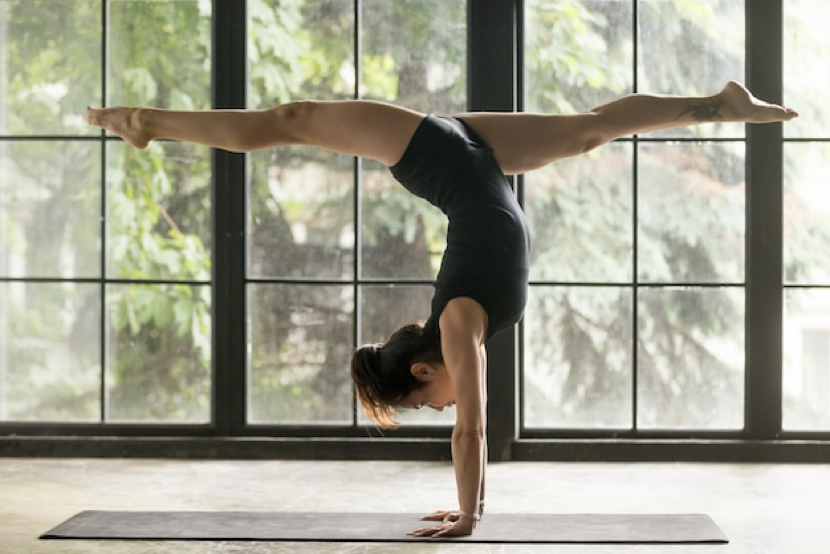
Easy Yoga Routine Helps Reduce Your Fatigue
Fatigue is a common issue that many of us face on a daily basis, whether it's due to work, stress, or simply the demands of everyday life. While getting enough sleep and maintaining a healthy diet are essential for combating fatigue, there are also other effective methods that can help, such as incorporating yoga into your daily routine. Yoga is a form of exercise that combines physical postures, breathing techniques, and meditation to promote relaxation, increase flexibility, and reduce stress. Here's an easy yoga routine that you can do at home to help reduce fatigue and rejuvenate your body and mind.Start with a Warm-UpBefore beginning your yoga routine, it's important to warm up your muscles to prevent injury. Start by standing tall with your feet hip-width apart and take a few deep breaths, focusing on filling your lungs completely with air. Then, move into a gentle sun salutation sequence, which consists of a series of poses that flow smoothly from one to the next. This sequence helps to warm up your entire body and prepare you for the more challenging poses that follow.Mountain Pose (Tadasana)Begin your yoga routine with Mountain Pose, a foundational pose that promotes good posture and helps to ground and center you. Stand tall with your feet hip-width apart, toes pointing forward, and knees slightly bent. Engage your core muscles and lift your chest, feeling tall and strong. Take a few deep breaths, focusing on your breath and allowing yourself to relax into the pose.Warrior II (Virabhadrasana II)From Mountain Pose, step your right foot forward about 3-4 feet, turning your right foot out 90 degrees and your left foot in slightly. Bend your right knee, keeping your knee aligned with your ankle, and raise your arms out to the sides, parallel to the floor and shoulder-height. Look over your right hand, keeping your gaze steady. Hold for several breaths, then repeat on the other side. Warrior II helps to strengthen your legs and open your hips and chest, promoting a sense of strength and stability.Tree Pose (Vrksasana)Stand tall with your feet hip-width apart and shift your weight onto your left foot. Slowly lift your right foot and place the sole of your right foot against the inside of your left leg, either on your calf or thigh. Raise your arms above your head, palms facing each other, and focus on keeping your balance. Hold for several breaths, then repeat on the other side. Tree Pose helps to improve balance, focus, and concentration, as well as promoting calmness and relaxation.Child's Pose (Balasana)Kneel on the floor with your knees hip-width apart and your toes touching. Sit back onto your heels, then lower your torso forward, resting your forehead on the floor or a block. Extend your arms forward, palms facing down, and relax your shoulders and neck. Hold for several breaths, allowing yourself to fully relax and release any tension in your body. Child's Pose is a deeply restorative pose that helps to calm the mind and soothe tired muscles.Corpse Pose (Savasana)Lie down on your back with your legs straight and your arms at your sides, palms facing up. Close your eyes and take several deep breaths, focusing on your breath and allowing yourself to fully relax. Stay in Corpse Pose for several minutes, allowing your body and mind to unwind and rejuvenate. Corpse Pose is the perfect way to end your yoga routine, as it promotes relaxation and helps to reduce stress and fatigue.

Cancun: From A Fishing Village to A Party Destination
Located on the white-sand beaches of Mexico's Yucatán Peninsula, hailed as one of our planet's most breathtaking party spots, Cancun is a transformation from small fishing village to worldwide tourist hub. It used to be a sleepy, unknown spot in the Mexican corner of nothingness but Cancun is now one helluva bait, enticing millions every year with its sun-soaked beaches, pulsating nightlife and enough things to do.Former HistoryCancún's evolution adventure first started in the 1960s with a courageous move the Mexican government made. The government started what would become the "Cancun Project" in 1969, to take advantage of its natural beauty and potential unexploited sites, construction officially begun on 1970. What was designed to be a lavish plan, for the most part showed projections of an ideal modern city home that featured luxury hotels and resorts some with golf courses include in their portfolio along side international airports, well integrated residential areas associated all living within natural environs on many forward looking slides.Cancun has finally arrived on the world tourism map after decades of often creative master planning and more than relentless development. Nowadays the city offers pristine sandy beaches, luxurious hotels and resorts aplenty, a buzzing nightlife scene, and virtually every form of entertainment imaginable. Thousands of tourists from around the world come to Cancun every year, lured by its myriad beaches and all-night fun.Historic LandscapesAs well as their beautiful natural landscape and established tourist economy, Cancun offers a rich history which provides culture for its visitors. Guests are invited to explore the ancient Mayan ruins close by and venture into a mysterious world filled with magnificence. For instance, a short drive away from Cancun is the Mayan archaeological site of Chichén Itzá which shows off beautiful architecture and sculptures that speak to the greatness of this civilization.Diverse and electric, Cancun is as much about its nightlife as it is. Besides the usual bars and clubs, it is also home to more quirky nights out like Lucha Libre, Mexican wrestling. With this mesmerizing display of color as wrestlers wear beautiful masks and fight, tourists will walk away with an idea of what the culture is about from the other end.Natural LandscapesThere are also pristine natural environments, just like these surrounding Cancun. The city has some of the best beaches with powdery white sand and clear waters just down the coast, you will find dense tropical rainforest full of life alongside brilliant coral reefs and underwater cave systems perfect for discovery. These magical gifts of nature provide plenty to explore and see as well as enrich the local ecosystem, and biodiversity.Why It’s a SuccessCancun is not only that successful by mere happenstance. It came together by mountaintop threads of the Mexican vision and investment, woven with work that we have come to see in Tenango culture as so integral. The government has established aggressive tourism guidelines and master plans which have provided a solid platform for Cancun's evolution. At the same time, locals have played a significant part in the tourism industry and guests receive thorough care and vivid impressions.ConclusionIn short, the transformation of Cancun from a small fishing village to an international tourism mecca is indicative of both governmental protection and local ZIP. Initially, Cancun really only ever existed as an idea but it is a city rich with culture that has now become known throughout the world. Cancun will definitely face new obstacles and chances as the global tourism industry keeps on changing.

An Impressive Valentine’s Day: Choose Right Gifts and Date Ideas
Valentine’s Day is a festival and chance to celebrate love and the special relationships with your lover. No matter you’re just fallen into a relationship or have been with him or her for a long time, choosing suitable gifts or planing an unforgettable date can make this day beautiful and romantic.Date Ideas 1.Romantic DinnerThe most classic but still a surefire winner, a romantic dinner isn’t ever not in fashion. Cooking a gourmet dinner at home together, or booking a table at their favorite restaurant, the point is to make it special. Create an atmosphere with candles, soft music and their favorite foods.2.Outdoor AdventureFor the sporty couple rotate around an outdoor date. A beautiful hike, a picnic in the park or a bike ride can be enjoyable and romantic. If the weather is nice, wrap up the day with a warm blanket and stargazing.3.Creative FunYou are reaching your creative sides through a play activity. Take a painting or pottery class, see if you can make chocolates, or even sign up for a mixology workshop to create cocktails side by side. These activities not only serve as entertainment but also as bonding opportunities.4.Cozy Movie NightFor a cozy movie night, turn your living room into a home theater. Pick a few of their top movies, make popcorn and other snacks, and snuggle under a blanket. Add a little extra flair with a themed movie night based on their favorite genre or era.5.Weekend GetawayGive your partner the gift of a mini vacation at a nearby destination. From a quaint bed and breakfast to a beach retreat, or a cabin in the woods, a change of scenery can rekindle the romance. Organize activities you’ll both enjoy, such as visiting local attractions or doing nothing together.6.Recreate Your First DateRecreate your first date, take a trip down memory lane. Revisiting that moment can be so nostalgic and romantic, from coffee shop to fancy dinner. It’s such a lovely way to think about how far you’ve come as a couple.Gift Ideas1.Personalized KeepsakesNothing tells them “I love you” quite like a gift that’s tailor-made for them. Think of personalized jewelry, like a necklace with her initials or a bracelet engraved with a special date. Photo books that you customize yourself, engraved picture frames or even a star map of the night you met are also thoughtful presents that show some thought went into making it.2.Tech GadgetsFor your type who knows his tech, give something that is both useful and considerate. Wireless earbuds, a smartwatch, or even a portable photo printer to capture memories are practical yet meaningful gifts. If they are a music lover, a high-quality speaker or noise-canceling headphones could be a great idea.3.Handwritten Love LettersOften, the simplest of gifts are the most significant. A sincere, handwritten letter about the way they make you feel and your best shared memories will have more of an impact than any material gift. Add a small gesture, such as a single rose or a framed photo, for an extra touch of romance.4.Experience-Based GiftsTreat someone to four days of hard-to-forget. Concert tickets, a cooking class or a weekend getaway can create lasting memories. If they’ve always wanted to try something new, like, say, sky diving or making pottery, now is the ideal time to make it happen.In conclusion, Valentine’s Day is about celebrating love the way your relationship wants. Whether it’s a thoughtful gift for a friend, an elaborate date for a spouse, or keeping it simple and heartfelt, the most important part is letting their partner know how much you care about them. These ideas ensure your Valentine’s Day is as unique and special as your love story.