


A Comprehensive Guide to Choosing Athletic Apparel
Choosing the right athletic apparel is crucial for both comfort and performance during physical activities.
With the plethora of options available in the market, it can be overwhelming to select the perfect outfit. In this comprehensive guide, we will explore the key factors to consider when choosing athletic apparel and provide valuable insights to help readers make informed decisions.
Fabric Selection: Performance and Comfort
The choice of fabric plays a significant role in athletic apparel. Look for moisture-wicking and breathable materials such as polyester blends or merino wool for activities that induce sweat. For cold weather, opt for insulating fabrics like fleece or thermal compression wear. Always prioritize comfort and flexibility without compromising on performance.

Fit and Functionality: Finding the Perfect Balance
The fit of athletic apparel should provide freedom of movement while maintaining a snug and supportive feel. Consider the specific requirements of the activity – for example, loose-fitting clothing may be preferred for yoga, while compression wear is beneficial for high-intensity workouts. Additionally, check for features such as reflective elements for night runs, and pockets for storage during long hikes or runs.
Layering is essential for adapting to changing weather conditions and regulating body temperature during physical activities. Start with a moisture-wicking base layer, add insulating layers for warmth, and finish with a waterproof and breathable outer shell for protection against the elements. This strategy allows for easy adjustment as the body heats up or the weather shifts.
Durability and Quality: Investing in Longevity
Athletic apparel should withstand the rigors of physical activity and frequent use. Look for reinforced seams, quality zippers, and durable materials to ensure longevity. While high-quality gear may come with a higher price tag, the investment will pay off in terms of durability and performance.
Brand and Reviews: Insights from the Community
Consider reputable brands known for their expertise in athletic apparel. Research customer reviews and seek recommendations from fellow athletes to gauge the performance and durability of specific products. Online forums and social media platforms are valuable resources for gathering insights from the athletic community.

Personal Style: Expressing Individuality
While performance and functionality are paramount, personal style and preferences should not be overlooked. Many athletic apparel brands offer a wide range of colors, patterns, and designs, allowing individuals to express their personality while staying active.
Conclusion
Selecting the right athletic apparel involves a balance of performance, comfort, and personal preference. By considering factors such as fabric selection, fit, layering, durability, and personal style, readers can make informed choices to enhance their athletic experience. Remember, the perfect athletic apparel is not just about looking good, but also about feeling great and performing at your best.

The Art of Caring for Solid Wood Furniture
Proper care and maintenance are crucial to preserve its beauty and ensure its longevity. In this article, we will explore the art of caring for solid wood furniture, offering unique tips and insights to help readers keep their cherished pieces in pristine condition.Understanding the Nature of WoodBefore delving into specific care techniques, it's essential to understand the nature of wood itself. Wood is a natural material that responds to its environment. It can expand and contract with changes in temperature and humidity, and it can be susceptible to scratches, stains, and fading if not properly cared for. With this understanding, we can approach the care of solid wood furniture with the respect it deserves.Dust Regularly with CareOne of the simplest yet most important care practices for solid wood furniture is regular dusting. Use a soft, lint-free cloth or a microfiber duster to gently remove dust from the surface. Dust can accumulate and scratch the wood over time, so consistent cleaning is crucial.Protect from Sunlight and HeatDirect sunlight can cause wood to fade and lose its luster over time. To preserve the natural color and beauty of solid wood furniture, it's important to shield it from direct sunlight. Utilize curtains or blinds to minimize exposure, and consider rearranging furniture to reduce prolonged sun exposure.Use Coasters and Protective PadsTo prevent water rings, scratches, and heat damage, always use coasters or protective pads when placing glasses, hot items, or other objects on solid wood surfaces. This simple practice can go a long way in preserving the integrity of the wood.Immediate CleanupAccidents happen, and spills are inevitable. It's essential to clean up any spills or stains immediately to prevent them from seeping into the wood and causing damage. Use a dry or slightly damp cloth to blot and clean up any spills promptly.

Why Strength Training Is Essential for Maintaining a Healthy Lifestyle
In recent years, the fitness landscape has evolved, with strength training gaining recognition as a crucial component of overall health and well-being. While many individuals prioritize cardiovascular exercises like running and cycling, strength training offers unique benefits that can significantly impact long-term health. Here’s why incorporating strength training into your routine is essential for maintaining a healthy lifestyle.Improved Muscle Mass and MetabolismAs we age, we naturally lose muscle mass—a condition known as sarcopenia. This gradual decline can start as early as our 30s and continues throughout our lives. Strength training is one of the most effective ways to combat this loss. By engaging in resistance exercises, you stimulate muscle growth, which not only preserves existing muscle but also builds new muscle tissue. Increased muscle mass leads to a higher resting metabolic rate, meaning your body burns more calories at rest. This can be particularly beneficial for weight management, as it allows for greater flexibility in diet while still maintaining a healthy weight.Enhanced Bone DensityBone density naturally decreases with age, raising the risk of fractures and osteoporosis, particularly in women after menopause. Strength training plays a pivotal role in increasing bone density. When you lift weights, the stress placed on bones stimulates the production of bone-forming cells, enhancing bone strength and reducing the likelihood of osteoporosis. Incorporating strength training exercises, especially weight-bearing activities, can lead to healthier bones and a lower risk of injury as you age.Better Joint HealthStrength training not only strengthens muscles but also helps stabilize joints. Strong muscles support and protect joints, reducing the risk of injuries and chronic pain conditions such as arthritis. By improving joint strength and stability, regular strength training enables individuals to maintain mobility and perform daily activities with ease. Moreover, resistance training can help alleviate symptoms of existing joint pain, making it an excellent choice for those looking to manage conditions like osteoarthritis.Enhanced Functional FitnessFunctional fitness refers to the ability to perform daily activities with ease and efficiency. Strength training enhances functional fitness by improving balance, coordination, and endurance. This is particularly important as we age, as falls are a leading cause of injury among older adults. By focusing on exercises that mimic everyday movements—such as squats, lunges, and push-ups—you can improve your overall performance in daily tasks, from lifting groceries to climbing stairs. This functional strength contributes to a better quality of life and greater independence as you age.Mental Health BenefitsThe mental health benefits of strength training are often overlooked, but they are significant. Regular strength training has been linked to reduced symptoms of anxiety and depression. The endorphins released during exercise can elevate mood and promote a sense of well-being. Moreover, achieving strength training goals—whether it’s lifting a heavier weight or completing more repetitions—can boost self-esteem and confidence. This positive feedback loop encourages a more active lifestyle and fosters a sense of accomplishment.Chronic Disease ManagementStrength training plays a vital role in managing chronic conditions such as diabetes, heart disease, and obesity. Regular resistance training can improve insulin sensitivity, lower blood pressure, and enhance cardiovascular health. For individuals with diabetes, strength training can help regulate blood sugar levels, making it a valuable addition to their exercise regimen. By addressing these health concerns, strength training can reduce reliance on medications and improve overall quality of life.

Zanzibar: The Scented Paradise Islands of Africa
Located in the warm, blue seas of the Indian Ocean off Africa´s east coast are beautiful Zanzibar islands. They are the Spice Islands, unique and otherworldly: a sensory-laden dream of natural beauty, culture, history.Overview of ZanzibarAlthough Zanzibar is an archipelago with many small islands, the two main ones are Unguja (which everyone calls "Zanzibar") and Pemba. On top of this, the islands are a wonderful fusion Africa Arab India and Europe— Each tile has been added to trade in addition to cultural change over many centuries. You smelled the island before you even landed, sweet salty sea mixed with verdant earth. The islands as a whole are famous for their verdure, counting every shade of green to be displayed in its flora. The wind stirs the palm trees slowly, and their fronds rustle in a calming island beat.Why Is Zanzibar ScentedThese islands were so-named "Spice Islands" as they have been the sites of spice gardens for a long time. You can almost smell the scents of various spices wafting through the spice plantations. It smells of cloves — warm and spicy, nutmeg sweet-tart, cinnamon sassy-zingy. The spice trade was big business on Zanzibar from the 19th century, and today these spices remain a key ingredient in island life.That of Zanzibar, a rich history almost as spices themselves. A.UNESCO World Heritage Site, Old Stone Town on Unguja Island is a maze-like web of narrow streets and alleyways flanked by intricately carved wooden doors. The scent of old wood and centuries-old scents of incense hang heavy in the air. The architecture of Stone Town is a reflection of the widening and narrowing influence on island's unusual history.What Can You EnjoyZanzibar beaches is famed for its beaches of endless white coral sand that stretches, Meeting azure Water. This is where the sea smells strongest, of brine and salted ocean — complemented by fresh clean sun-heated sand. It is somewhere that the woes and troubles of the world can convalesce under a blanket of lapping waves, salt in air.The islands turn golden as the sun begins to set on this part of the Indian Ocean and smoke from cooking fires drifts through villages. It's when islands come alive with laughter and chit chat; locals join visitors to the table where they tell stories.It does not stop there, the food of Zanzibar is a unique medieval sensory journey with every flavor and scent representing an era in history. From the fiery kick of a perfectly executed curry to the sweet, juicy flavour that can only come from fresh tropical fruits each mouthful is a taste sensation representing years of mixing Arab influences with local styles and its all too easy to allow oneself be swept along on an exotic culinary journey.ConclusionZanzibar in its entirety is a fragrant paradise that entices the senses and calms an anxious heart. A distinctive blend of natural wonder, cultural allure and historical mystery makes the islands an ideal destination to experience warm hospitality. Even if you are only relaxing on beach, wandering stone town or going spice plantation tours—The Scented Paradise of Zanzibar leaves an imprint long after your holiday is over.

Cairo’s Evolving Under the Egyptian Mysteries
Cairo, the capital of Egypt, is a metropolis full of energy and vigor and combines the ancient relics perfectly with modern lifestyles. As the center of Egypt in politics, culture and economy, Cairo is not only a city with a large population, but also a destination of interest attracts millions of visitors to travel every year all around the world. Here are some key places of interest in Cairo.The Great Pyramid of Giza and the SphhinxAs one of the seven miracles in the world, the pyramids are the exhibitions of the constructing specialty and immorality of ancient Egyptians. The pyramids, which locate in the suburbs of Cairo, have a long history more than four thousand years among which the largest one is called Khufu Pyramid. And we also know the every bottom of a pyramid lies the Sphhinx which symbolizes the power and wisdom of Pharaoh. Exploring pyramid is just like a travel across time, how incredible the products are! If you plan to visit at night, one more nice activity you can enjoy is the son et lumiere, which brings mysterious atmosphere to these ancient miracles.Egyptian MuseumSituated in the center of Cairo, the Egyptian Museum is a treasure house of cultural relics, telling the Egyptian history comprehensively from BC dynasties to Greek Roman era. More then 120,000 relics are reserved here, including mummies, sarcophagus, pottery, jewelry and Tutankamun's treasure. The title of most attractive one must go to Tutankhamon's Golden Mask and the Royal Mummy Room. The Egyptian Museum make it easier for you to get to know the depth, profoundness, faith, arts and daily lives of Egyptian civilization. Never miss royal mummy room where you can see the greatest Egyptian mummy of Pharaoh face to face.Khan Harley FairAs a major open-air market in Cairo Islamic District, Khan Harley is more than a market, it is also a fair and a historic and cultural landmark. Establish in 14th century, the fair is a maze consisted by narrow alleys whose main products are all kinds of traditional Egyptian crafts, spices, perfumes, jewelry, and souvenirs. It is also famous for cafe and drink bar, including the prestigious EI Fishawi’s Cafe which has a long history more than two hundred years. Visiting Khan Harley Fair offers you a totally different experience, you can feel the vigorous business, crafts, and community life.Saladin CastleBuilt on the top of Mount Moqatam, Saladin Castle is a meaningful fortress with history and military. It was built eight hundred years ago, aiming to protect Cairo from being attacking by the Crusades. It has a different meaning in Egyptian history, including being the residency of royal families and military. The castle complex includes the Muhammad Ali Mosque whose style is mainly Ausman. Through the castle’s windows, the whole look of Cairo runs into your eyes, especially in Sunset times, you can witness the golden light of Cairo and listen to the voice of prayers tanglingConclusionThese historic relics not only show the culture of Cairo, but also witness the evolving of development of this metropolis. Weather you are a scholar interested in history or a visitor chases cultural experience, Cairo is a destination that can not be missed.
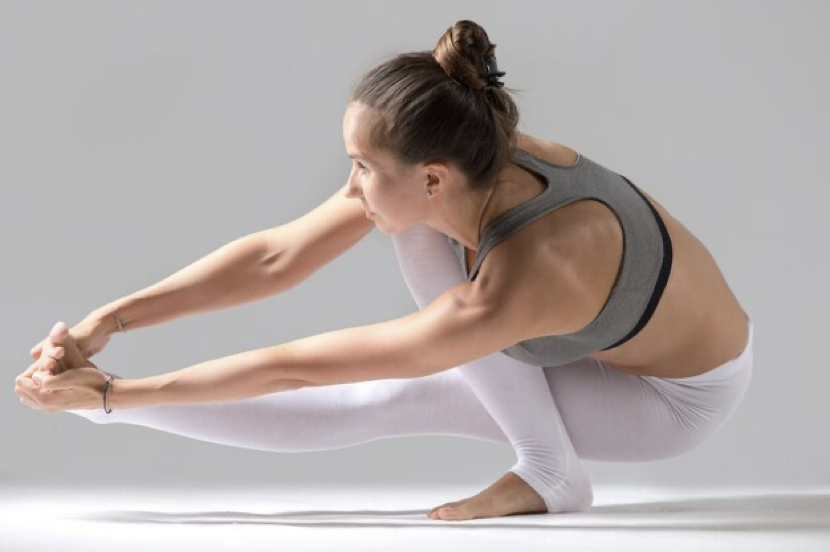
Embracing Flexibility: The Health Benefits and Pathways to Increased Flexibility
Flexibility is a fundamental component of physical fitness that often takes a back seat to cardiovascular endurance and strength training. However, the importance of flexibility should not be underestimated. Flexibility refers to the range of motion in a joint or group of joints and the ability of muscles and tendons to stretch effectively. Embracing flexibility not only enhances physical performance but also offers a myriad of health benefits that contribute to overall well-being. In this article, we delve into the significance of flexibility, its health advantages, and practical ways to improve and maintain flexibility in daily life.The Health Benefits of Flexibility1. Injury PreventionOne of the primary benefits of flexibility is its role in injury prevention. When muscles and tendons are flexible, they are better equipped to handle stress and strain during physical activities. Improved flexibility reduces the risk of muscle strains, ligament sprains, and other common injuries, especially during activities that require sudden or extreme movements.2. Improved PostureFlexibility plays a crucial role in maintaining proper posture. Tight muscles can pull the body out of alignment, leading to poor posture and a host of associated issues such as back pain, neck pain, and headaches. By enhancing flexibility in key muscle groups, individuals can improve their posture and reduce the likelihood of developing chronic postural problems.3. Enhanced Range of MotionIncreased flexibility translates to an expanded range of motion in joints, allowing for more fluid and efficient movement. This is particularly beneficial for athletes, dancers, and individuals engaged in physical activities that require a wide range of motion. A greater range of motion not only improves performance but also enhances overall mobility and agility.4. Stress ReliefFlexibility exercises, such as yoga and stretching, promote relaxation and stress relief. Stretching helps release tension in muscles, alleviate tightness, and promote circulation, leading to a sense of physical and mental relaxation. Incorporating flexibility exercises into a daily routine can contribute to stress reduction and improved mental well-being.5. Joint HealthMaintaining flexibility is essential for joint health and function. Flexible muscles and tendons help support the joints, reducing the risk of joint pain, stiffness, and degenerative conditions such as osteoarthritis. By preserving joint mobility through flexibility exercises, individuals can enhance joint health and longevity.How to Improve Flexibility1. Stretching ExercisesIncorporate regular stretching exercises into your fitness routine to improve flexibility. Dynamic stretches before exercise help warm up the muscles, while static stretches after exercise help lengthen and relax the muscles. Focus on stretching major muscle groups such as the hamstrings, quadriceps, calves, shoulders, and back.2. Yoga and PilatesParticipating in yoga or Pilates classes can significantly enhance flexibility, strength, and balance. These mind-body practices combine stretching exercises with strengthening movements to improve overall flexibility and body awareness. Attending regular classes led by experienced instructors can help individuals progress in their flexibility journey.3. Foam RollingFoam rolling is a self-myofascial release technique that helps release muscle tightness and improve flexibility. By using a foam roller to apply pressure to specific muscle groups, individuals can reduce muscle tension, increase blood flow, and enhance flexibility. Incorporate foam rolling into your post-workout routine to aid in muscle recovery and flexibility maintenance.4. Stay HydratedProper hydration is essential for maintaining muscle elasticity and joint lubrication, both of which are vital for flexibility. Drinking an adequate amount of water throughout the day helps keep muscles hydrated and supple, supporting flexibility and reducing the risk of muscle cramps and stiffness.5. Consistency is KeyImproving flexibility is a gradual process that requires consistency and dedication. Set aside time each day for stretching and flexibility exercises, and gradually increase the intensity and duration of your stretches as your flexibility improves. Be patient with yourself and celebrate small milestones along the way.