


Container Homes: A Modern Housing Revolution
There are smart homes and then there are shipping containers that have been converted into homes, and this installation brings both of these concepts into one sexy green package. But as with any housing option, they present their own host of issues and challenges.

Advantages
1.Eco-friendliness
These out-of-the-box abodes use retired shipping containers, sparing the need for conventional building materials such as bricks and wood which would otherwise be used to build homes, and thus having a positive effect on the environment. And because containers are modular, you can create some very fun and space-saving designs, all made to your specifications.
2.Cost-effectiveness
Container homes tend to cost you less financially than traditional houses, and that's very much due to the cost of materials. The steel construction of shipping containers is strong and able to hold up to harsh weather and these structures require less maintenance over the years. What’s more, construction is often speedier due to the fact that the basic framework is there already, containers just need modifying and stacking on top of each other.
3.Mobility and Flexibility
These homes will appeal to anyone looking for a minimalist or nomadic lifestyle, but will also be suitable to become remodeled to be portable so the owner can move, but not have to leave their dwelling. This is especially attractive to Digital Nomads, Adventurers, and people needing temporary housing.
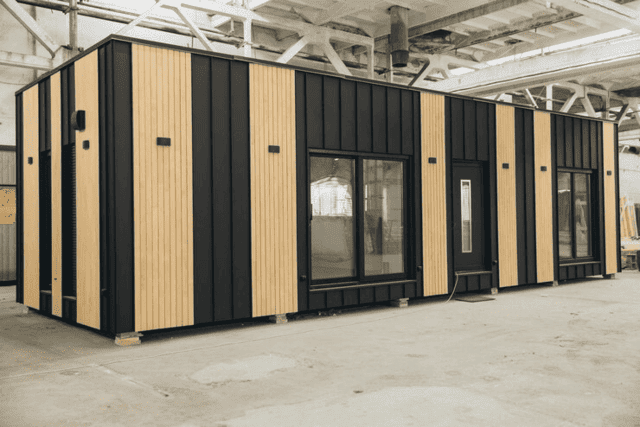
Things to Consider Before Building a Container Home
1.Local Codes and Permits
Container homes are not code in every place. In some jurisdictions limitations on building or lot size, zoned uses, and changes to structure or insulation are also permitted. Before breaking ground, it’s also important to check with local authorities for any necessary permits.
2.Insulation and Temperature Regulation
Steel is also a good conductor, so in the summer your containers could easily overheat and in the winter they can feel like freezers. For comfort and energy efficiency, it is crucial that your garage is properly insulated. There are also options to use spray foam, panel insulation, or even eco-friendly materials like sheep’s wool.
3.Structural Modifications
It is necessary to cut the doors and windows when cut into the door and window or more than three products are combined with welding and strengthening to keep the good energy saving effect and the overall firmness of the product. Better not call these professionals. the life of the home may be in danger.
4.Space Limitations
Normal freight containers are quite narrow, usually only 8 feet wide. Space can be well-utilized with creative designs, although the compact layout may feel too confining for some accustomed to larger homes. Multi-container setups or vertical scaling can be used to overcome this challenge.
5.Rust and Corrosion
Because containers are typically for maritime use, if exposed to moisture for extended periods of time, they can develop rust. Even the latest protective coatings must be applied to ensure protection from deterioration.
6.Short Supply of Grade Containers
There are so many used containers that are not in good conditions. Some may have been exposed to chemicals or excessive use during shipment. Container condition and potential hazardous substances inspection is paramount and should be done prior to acquisition.

The Future
As sustainable living becomes more popular, container homes continue to be popular. Advanced modular design, energy-saving retrofitting, and smart home technology will make prefabs even more attractive. Authorities and urban planners may also mimic container architecture in affordable housing such as solving the world housing shortage.
Conclusion
Container homes are a great alternative to traditional living spaces and have provided homes to thousands of people looking to own their own little slice of life. But, they take some careful planning to deal with issues like insulation and structural changes and regulations. Where others find these macabre, the option to live a self-sufficient and off-the-grid mountain dream is worth considering. These homes may become a very viable option for those concerned about the environment, and those who are budget-conscious, as technology and design continue to improve.

What Is an All-Inclusive Vacation? A Complete Guide
An all-inclusive holiday, in general, is a holiday in which a tour operator assembles a full package deal for you that includes a flight or a train along with accommodations, transportation with meals, and other add-on facilities in a single bundle at the time of booking. This is a concept created to give you a relaxing vacation, where you can have a holiday without having to think about to extra costs. Favored in beach resorts, on cruise ships and at family-oriented attractions, the all-inclusive vacation package appeals to those who would rather not grab their wallet every 10 minutes along the way. But what, exactly, do they comprise? Are they worth the money? And are they safe? So, let’s dig deeper into these.1.What Does an All Inclusive Get You?The specifics of what is covered differ from resort to resort (most include accommodations, unlimited food and drink — at many properties, alcohol is part of the package, and some even offer wine and champagne — and access to on-site amenities, like pools, gyms and non-motorized water sports). And at least at some higher-tier properties, luxury perks — such as dining, spa credits — or even off-site excursions are included. Family-friendly destinations may have kids’ clubs and nonstop activities; adults-only resorts may feature rowdy nightlife and romance — or relaxation and peace and quiet — all alone.But keep in mind that’s not always what you will see. At a few resorts, the use of top-shelf liquor, specialty restaurants, spa services, motorized water sports or private excursions incurs an extra charge. You’ll need to know ahead of time what’s included and what’s not, so you’re not caught off-guard.2.Are You Suitable for All-inclusive Vacations?Whether an all-inclusive vacation is worth it, depends on individual interests and travel habits. If you like to eat, drink and ski/play at the resort without worrying about costs, then these packages can definitely save a bit money. Families, especially, appreciate the predictability of all-inclusive pricing since meals and kids’ activities are frequently included.But budget-focused travelers who would rather discover local restaurants themselves or do not drink that much alcohol might not experience the same benefit. Furthermore, if cultural immersion or adventure are their priorities, they may find being stuck in a resort holding them back. Costs can be low by comparing the prices of all-inclusive at that same destination to see which is more of a value.3.Are All-Inclusive Vacations Safe?Assuming is always concerned, particularly for those who are first timers. Distinguished all-inclusive resorts take guest security into consideration. Most are in relatively safe visiting areas (tourist sites are well-patrolled so are generally not dangerous).The truth is, you can have incidents anywhere; but it’s a good idea to research the destination, read recent reviews and to pick a brand name resort which has a good reputation you can trust. Standard precautions will also help travelers including keeping valuables safe and watching your alcohol intake.4.Is Every All-Inclusive the Same?Not at all. All-inclusive vacation quality and offerings can range on par with other non-all-inclusive hotels in the same location, to over-the-top luxury. At one end of the spectrum, budget resorts may have simple buffets and few drink options, while at the other end, luxury resorts serve gourmet meals alongside top-shelf liquor and personalized service. Some are set for the family with kids, whereas others are for lovers or colleagues.And the location can make a difference: A Caribbean resort is likely to focus on beach access, and mountain or safari lodges may plan guided trips. A similar consideration should also be given to reviews of the packages helping the tourists to select the best that suits their desires.5.Is All-Inclusive Right for You?I guess it depends on what sort of traveler you are and what you value most. If you’re seeking an easy, no-questions-asked vacation where everything you want to do is included in the cost of your stay — even meals and drinks — and everything’s taken care of for you, you may need to consider an all-inclusive resort. That makes it especially attractive to honeymooners, families and groups that crave something convenient.But if you enjoy doing your own thing and experiencing different cultures, and eating locally, then you may be a regular vacation kind of a traveler. And vacationers on a tight budget who don’t take advantage of all that a resort offers might be better off with a pay-as-you-go option.Sure, an all-inclusive vacation means sleeping accommodations, meals, and travel activities are often included at a bulk discount in one easy price tag with no surprise fees, but they’re not for everyone. And so, by knowing what’s included and by looking at your own travel style and by doing some homework on any number of options that are out there, you can figure out if this is the kind of vacation experience that resonates with you.

Does Your Coffee Cup Affect the Taste of Your Coffee
Coffee is a necessity for many people every morning, and for coffee lovers, a good cup of coffee is not only about choosing the right beans and cooking methods, but also about using the right coffee utensils, such as coffee cups.This article will explore the potential impact of coffee cups.First of all, the material of the coffee cup is an important consideration. Common coffee mug materials include ceramic, glass and stainless steel. Ceramic cups are the most common choice because they are able to maintain the temperature of the coffee and do not have a noticeable effect on the taste of the coffee. Ceramic is very helpful for maintaining the heat and stability of the coffee, which allows the coffee to maintain the ideal temperature in the cup, making the taste more comfortable. On the other hand, the glass has good transparency, which allows people to appreciate the color and layering of the coffee. However, the glass is less able to retain heat and the coffee may cool more quickly. Stainless steel cups have excellent thermal insulation properties and can keep the temperature of coffee for a long time, but the material of stainless steel may have a certain impact on the taste of coffee.Secondly, the shape of the coffee cup may also have an effect on the taste of the coffee. The shape of the coffee cup can affect the smell, taste and caffeine content of the coffee. For example, a round cup can help the aroma of coffee concentrate better, making it easier to taste the aroma of coffee. For lighter coffee, such as Americano, you can choose a larger caliber cup to better experience the taste of coffee. In addition, the bottom shape of the cup may also have an impact on the taste of the coffee. A cup with a narrower bottom may make the coffee taste more intense, while a cup with a wider bottom may make the coffee taste more balanced.

A Comprehensive Guide to Choosing Athletic Apparel
Choosing the right athletic apparel is crucial for both comfort and performance during physical activities.With the plethora of options available in the market, it can be overwhelming to select the perfect outfit. In this comprehensive guide, we will explore the key factors to consider when choosing athletic apparel and provide valuable insights to help readers make informed decisions.Fabric Selection: Performance and ComfortThe choice of fabric plays a significant role in athletic apparel. Look for moisture-wicking and breathable materials such as polyester blends or merino wool for activities that induce sweat. For cold weather, opt for insulating fabrics like fleece or thermal compression wear. Always prioritize comfort and flexibility without compromising on performance.Fit and Functionality: Finding the Perfect BalanceThe fit of athletic apparel should provide freedom of movement while maintaining a snug and supportive feel. Consider the specific requirements of the activity – for example, loose-fitting clothing may be preferred for yoga, while compression wear is beneficial for high-intensity workouts. Additionally, check for features such as reflective elements for night runs, and pockets for storage during long hikes or runs.Layering is essential for adapting to changing weather conditions and regulating body temperature during physical activities. Start with a moisture-wicking base layer, add insulating layers for warmth, and finish with a waterproof and breathable outer shell for protection against the elements. This strategy allows for easy adjustment as the body heats up or the weather shifts.

Wig Basics
This article will introduce the basic knowledge of wigs, including the types of wigs, materials, selection and care.The type of wig1. Full Wig: A full wig is a wig product that covers the entire head, similar to a hat, and can completely change the hairstyle and hair color. Full wigs are usually made of synthetic or human hair and come with an adjustable cap to accommodate different head sizes.2. Hair Piece: A hair piece is a small piece of wig, usually used to increase the volume of hair or cover certain areas of baldness. Hair pieces can be fixed to natural hair to make the hairstyle more full and natural.3. Hair Extensions: A wig is a long, thin piece of hair that is usually used to extend the length of natural hair. They can be attached to natural hair by means of clips, adhesives, or braiding.4. Hair Toppers: Hair toppers are a type of wig product similar to hair pieces, but larger and thicker, usually used to cover bald or sparse areas on the top of the head.Choose the right wig1. Color and style: Choosing the right wig color and style is very important to ensure that it matches natural hair and meets personal preferences. You can choose a color that is similar to your natural hair, or try new hair colors to add variety.2. Head circumference and size: The wig needs to match the head circumference size to ensure comfort and stability. You can choose the right wig size based on your head circumference, or choose a wig with an adjustable cap.3. Material and quality: Choose the right wig material according to your personal needs and budget. Synthetic wigs are suitable for short-term use and low cost needs, while human hair wigs are suitable for long-term use and higher quality requirements.

Aspects to Focus on When Buying a Home Security Camera
Home security cameras are a valuable part of maintain safety and piece of mind. Whether you want to keep your home safe while you’re away, or you need to be able to see what’s happening at your front door, there are tons of options for home security cameras. With all of the options that are out there, and here are some things to consider to ensure you have a camera that works for you how you want it to.1.ResolutionThe resolution of the camera is another important consideration. More resolution typically means clearer images, and that can be critical when trying to identify faces or license plates. Many new cameras record in HD 1080p and even 4K resolution. But, of course, higher resolution also translates into larger file sizes, which can eat up more space and more bandwidth. If you plan on recording footage non-stop, you'll want enough space, whether that's cloud storage or a local solution such as microSD cards or network-attached storage (NAS).2.Size of the ViewThe size of the view is also a consideration. A broader perspective enables thus reducing blind spots and more coverage area for the camera. Cameras with field of view from 130 degrees to 180 degrees are typical, but welter-weight panoramic cameras with 360-degree coverage are available. If you are watching over a large space, like a garden or sitting room, then you may want a wider angle. But for more confined spaces, you may want to narrow the beam to prevent wasted coverage.3.ConnectivityAnother consideration is connectivity. The vast majority of home security cameras today have some type of Wi-Fi connection, but what kind of network device you're connecting to is going to make a difference. A poor signal may result in lagging or dropped connections if your camera is too far from the router. Some cameras have Ethernet ports for improved connectivity, or dual-band Wi-Fi for better signal. Wireless (battery operated) cameras are versatile where you can place them, only to have the hassle of replacing, or recharging batteries.4.StorageThere are various storage options for cameras and the kind you choose will depend on how much storage you wish to keep. The convenience of cloud storage is that it can offer remote access and automated backups, but it frequently involves subscription fees. Local storage, such as SD cards or an external hard drive, removes ongoing charges, but could be stolen or damaged if the camera is interfered with. Some also have hybrid solutions, where you can keep footage locally and in the cloud for extra backup.5.PrivacyPrivacy is a becoming a worry with home security cameras. And, because these devices are internet-connected, they may be hackable if not protected. Opt for a camera with robust encryption, two-factor authentication and regular firmware updates, and you may safeguard your data. Also think about whether the camera offers physical privacy mechanisms like a lens shutter or the ability to disable recording entirely when you're home.6.Smart FunctionsSmart functions fills it with more value. Most have motion detection, but some advanced cameras have facial recognition and sound detection, too. This helps prevent false alarms caused by swaying branches, swinging parking gates or passing cars. The camera also supports two-way audio so you can address delivery people or even would-be intruders through the camera, which is a nice touch. Integration with smart home platforms like Amazon Alexa or Google Assistant can offer easy control and automation too.In conclusion, picking the first home security camera does not only mean paying a visit to a shop and picking the first model you see. By considering your requirements on placement, resolution, storage, connection, privacy, and smart features, you choose a camera which is suitable to both security and convenience for your home. By researching and comparing your options you will invest in your security and peace of mind for many years to come.