


How to Choose Sunglasses for Travel
Sunglasses are not only a fashion accessory, but also an essential item for protecting your eyes from harmful UV rays when traveling
Choosing the right sunglasses for your travels involves considering various factors to ensure they provide adequate protection and suit your style. Here are some tips for choosing sunglasses for travel:
UV Protection: Look for sunglasses that provide 100% UV protection. This is crucial for shielding your eyes from the sun's harmful radiation. When purchasing sunglasses, check for labels or stickers indicating UV 400 or 100% UV protection.
Lens Quality: Consider the quality of the lenses. Opt for sunglasses with polarized lenses to reduce glare and improve visibility, especially during outdoor activities. Also, ensure the lenses are impact-resistant and provide a clear, distortion-free view.

Frame Fit: Choose sunglasses that fit your face shape and size. The frames should snugly sit on your nose and ears without causing discomfort or slipping. Different face shapes suit different frame styles, so consider what best complements your features.
Lens Color: The color of the lenses affects your contrast and color perception. Gray lenses provide minimal color distortion, while brown/amber lenses enhance contrast. Consider the activities you'll engage in while wearing the sunglasses to determine the most suitable lens color.
Durability: Invest in sunglasses made from durable materials. Look for sturdy and flexible frames, such as nylon or acetate frames. Additionally, consider sunglasses with scratch-resistant coatings to prolong their lifespan.
Style and Fashion: While functionality is crucial, style also plays a significant role in choosing travel sunglasses. Find a pair that complements your personal style and matches your wardrobe. Whether you prefer classic aviators, trendy wayfarers, or sporty wrap-around styles, choose sunglasses that make you feel confident and fashionable.

Comfort and Coverage: Comfort is paramount when selecting sunglasses for travel. Ensure the sunglasses provide adequate coverage to protect your eyes from all angles and can be worn comfortably for extended periods. Adjustable nose pads and lightweight frames can enhance comfort.
Brand and Warranty: Consider purchasing sunglasses from reputable brands known for their quality and commitment to eye protection. Additionally, check the warranty information to ensure you're covered in case of any defects or damage.
By considering these factors, you can choose sunglasses that not only look great but also provide the necessary protection for your eyes during your travels. Finding the right sunglasses will not only enhance your style but also contribute to maintaining long-term eye health.
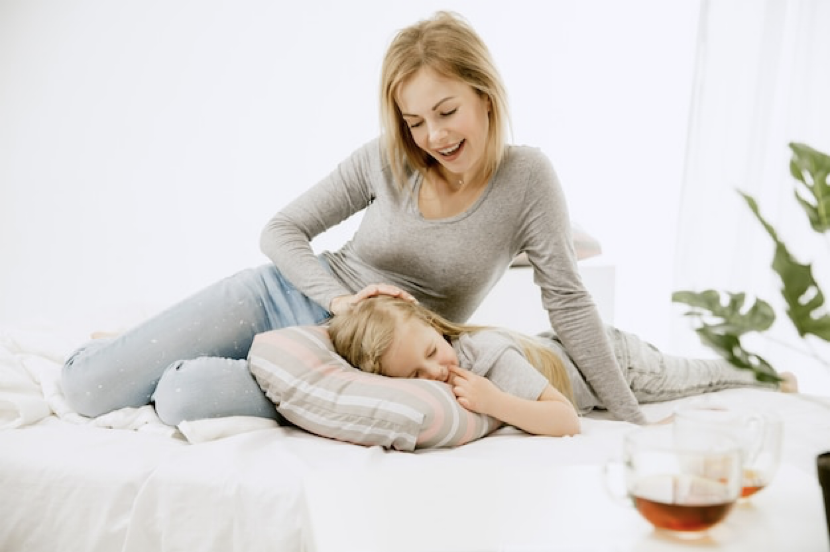
Ways to Help an Anxious Child with Bedtime
Bedtime can be a challenging time for many children, especially those who experience anxiety. The transition from the day's activities to a quiet, dark room can trigger fear and worry, making it difficult for them to settle down. As a parent or caregiver, understanding how to support an anxious child during bedtime is crucial for their emotional well-being and overall development. Here are some effective strategies to help ease your child's bedtime anxiety.Create a Calming Bedtime RoutineEstablishing a consistent, calming bedtime routine is one of the most effective ways to help an anxious child. Routines provide a sense of security and predictability, which can significantly reduce anxiety.1. Set a Regular Schedule: Aim for the same bedtime each night, allowing your child to wind down at a consistent hour. This helps regulate their internal clock and makes falling asleep easier.2. Incorporate Relaxation Activities: Include calming activities such as reading a story, listening to soft music, or practicing deep breathing exercises. These activities can help signal to your child that it’s time to relax.3. Limit Screen Time: Reduce exposure to screens at least an hour before bed. The blue light emitted by devices can interfere with the production of melatonin, the hormone responsible for sleep. Instead, opt for low-light activities.Address Fears and ConcernsAnxiety often stems from fears that children may not fully understand or articulate. Taking the time to talk to your child about their worries can help alleviate their anxiety.1. Open Communication: Encourage your child to express their feelings. Create a safe space where they feel comfortable sharing their fears. Approach these conversations with empathy and without judgment.2. Validate Their Feelings: Let your child know that it’s okay to feel scared or anxious. Validating their feelings helps them feel understood and less isolated in their experiences.3. Problem-Solve Together: If your child expresses specific fears, work together to find solutions. For example, if they are afraid of the dark, consider using a nightlight or leaving the door slightly open.Use Comfort ObjectsMany children find comfort in having a special object nearby during bedtime. This can provide a sense of security and help ease anxiety.1. Stuffed Animals or Blankets: Encourage your child to choose a favorite stuffed animal or blanket to sleep with. These items can serve as emotional support and help them feel more secure.2. Create a “Worry Box”: If your child has worries that keep them awake, create a worry box where they can write down their thoughts before bed. This physical act of putting their worries away can be therapeutic.Encourage IndependenceFostering a sense of independence can help reduce anxiety around bedtime. Empowering your child to take control of their bedtime routine can increase their confidence.1. Involve Them in Decisions: Let your child choose their pajamas, bedtime story, or even the order of their routine. This involvement fosters a sense of ownership and control.2. Gradual Separation: If your child struggles with separation anxiety, try gradually reducing the time you spend in the room. Start by sitting with them until they fall asleep, then slowly move further away each night.3. Positive Reinforcement: Celebrate small successes. If your child stays in bed for a certain period or falls asleep without calling for you, offer praise or a small reward to reinforce their progress.Be Patient and ConsistentFinally, patience and consistency are key when helping an anxious child with bedtime. Anxiety may not resolve overnight, and it’s important to remain supportive throughout the process.1. Stay Calm and Reassuring: Your demeanor can influence how your child feels. Stay calm, reassuring, and consistent in your approach, even if they resist initially.2. Reassess and Adjust: If certain strategies aren’t working, be open to reassessing your approach. Every child is different, and what works for one may not work for another.3. Seek Professional Help if Needed: If your child’s anxiety is severe or persists despite your efforts, consider consulting a child psychologist or counselor. Professional support can provide additional strategies tailored to your child's needs.

Fish Oil Supplements: Potential Risk of Stroke
For quite a long time, fish oil supplements are popular among peoples because its rich omega-three fatty acids and considered to be beneficial for heart health, brain function and overall health. However, one paper published recently shows that fish oil supplements may increase the risk of stroke and heart issues.Overview of the StudyThe study guided by the researchers from Harvard University and Brigham and Women's Hospital, analyzed over 25,000 participants who have not gotten angiocardiopathy before the study began. The researchers followed their health conditions almost 12 years and recorded the fish oil supplements data they used. To our surprise, study found compared to the people not eat fish oil supplements, they showed extra 18% risks of getting stroke, and extra 8% risks of heart issues. These results are clear comparison with its benefits we think before.Why Fish Oil Supplements Cause This ProblemSo, why fish oil supplements have this uncontemplated side effects? The researchers proposed several possible explanations.Uncertain qualities of fish oil supplements: There are a variety of fish oil supplements in the market with different kinds of qualities. Some products of inferior quality may be filled with pollutants, such as heavy metals and polychlorinated biphenyl, which will be harmful to our health.Dose and type of omega-3 fatty acids: Not all omega-3 fatty acids are the same.Omega-3 fatty acids have two main ingredients, EPA and DHA, they have different effects in health. Besides, extra omega-3 fatty acids may result in hemodilution and increase the risk of hemorrhagic stroke.Individual difference: Everybody shows different reactions to omega-3 fatty acids. Some may be more sensitive to omega-3 fatty acids and more likely to have untoward effects.Suggestions We Should KnowThe study results reminds us that we should be cautious and careful before eating fish oil supplements, here are some suggestions:Consult a doctor: Before taking any supplements, please consult your doctor, especially when you have some potential health problems.Choose those with superior qualities: Purchase third party certified fish oil supplements to ensure their quality and purity.Care for the dose: Strictly follow the dose recommended on the tag, don’t take extra dose, moderation is the key.Consider other sources: If you worry about the risk of fish oil supplements, you can switch your methods, a lot of food is full of omega-3 fatty acids, such as Fat-rich fish, flaxseed, and chia seeds.
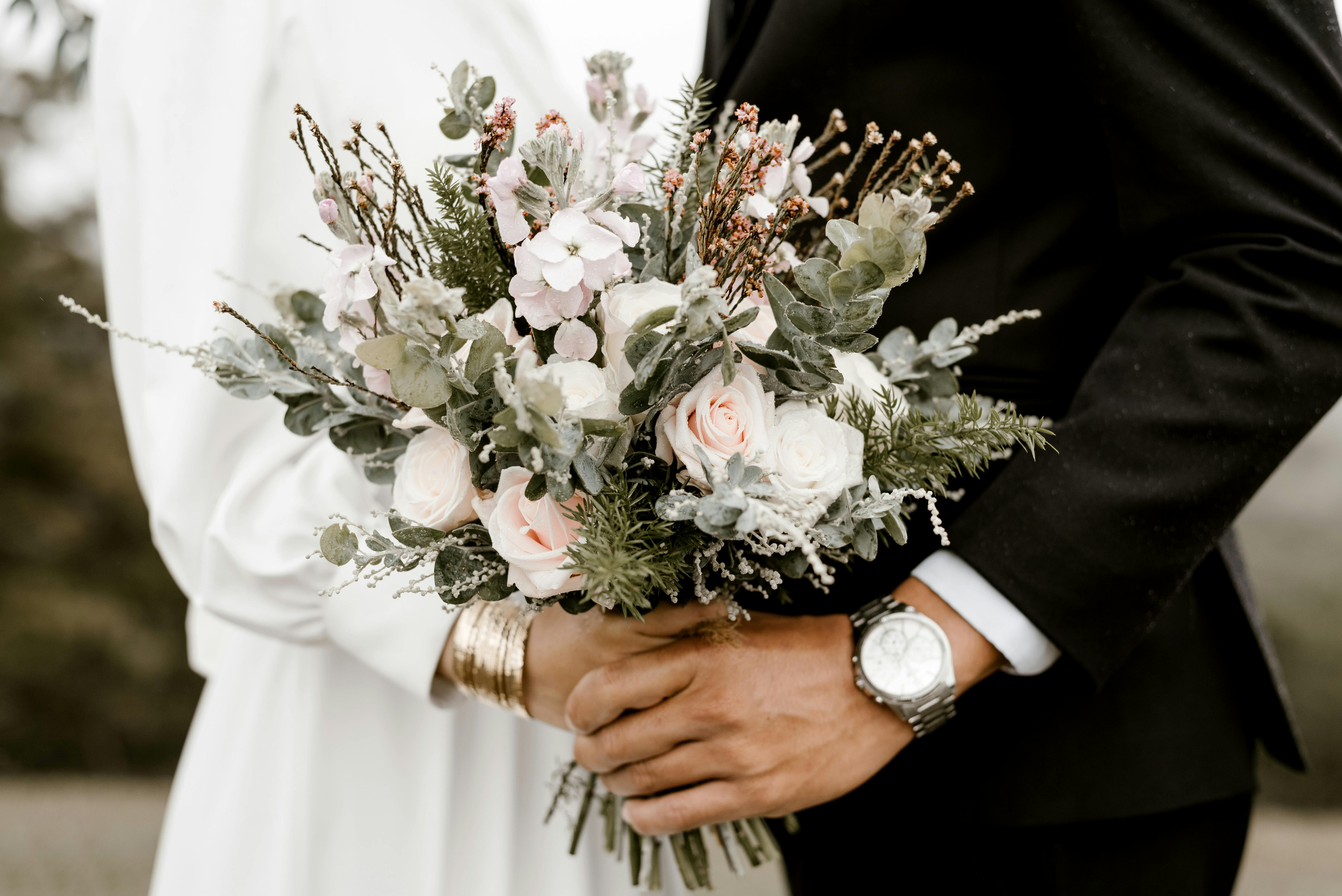
Whether Individuals Who Help Pay for a Wedding Should Have a Say in Its Planning?
Weddings are monumental occasions that often symbolize the union of two individuals in love. However, they can also become sources of tension when financial contributions come into play. One question that frequently arises is whether individuals who help pay for a wedding should have a say in its planning. This article explores the complexities of this issue, considering different perspectives and the implications of financial involvement.The Financial StakeWhen parents or family members contribute significantly to a wedding, their financial investment often leads them to believe they should have a voice in the planning process. This perspective is rooted in the traditional notion that those who contribute should have a say in how their money is spent. For instance, parents may want to ensure that the wedding reflects family values, traditions, or their own vision of a perfect day.Conversely, the couple getting married may view their wedding as a personal celebration that should reflect their tastes and desires. They may feel that financial contributions do not grant others the right to control or heavily influence their special day. This tension can create a delicate balancing act between honoring familial contributions and maintaining the couple's autonomy.The Emotional AspectFinancial contributions to a wedding are often accompanied by emotional investments. Parents may view their support as a way to foster familial bonds and contribute to their children’s happiness. This emotional connection can amplify their desire to influence wedding decisions, especially if they envision a specific style or theme.On the other hand, couples might feel that their independence is being compromised if they must cater to the wishes of those footing the bill. The pressure to please others can lead to stress and dissatisfaction, detracting from what should be a joyous occasion. Couples should thoughtfully navigate this emotional landscape, communicating openly with family members about their desires and boundaries.Finding Common GroundThe key to resolving potential conflicts over wedding planning lies in communication and compromise. Couples should initiate open dialogues with family members who are contributing financially. Discussing expectations and desires early in the planning process can help set the tone for collaboration rather than conflict.One effective strategy is to establish a budget that specifies how much each party is willing to contribute. This clarity can lead to more constructive conversations about who gets a say in what aspects of the wedding. For example, if parents are contributing a specific amount for the venue, perhaps they could have input on the location, while the couple retains control over the theme and decor.

10 Most Romantic Getaways for Couples
1.Paris, FranceIf you don’t put Paris into your travel list, how can your trip be romantic? Needless to say, as it is known to all, Paris is one of the most romantic city in the world. So, the first place I recommend for a couple to go is Paris. You can grab your lover’s hand along the Seine River, kiss each other under the glowing Eiffel Tower at night, what’s more, The Louvre, Montmarte and Luxembourg Gardens are also attractive.2.Marrakesh, MoroccoIf you are a couple of adventurous hearts, it is suggested to come to Marrakesh. Meander through snaking souks, stay in palatial hotels and track down an amazing camel ride at sunset in the Agafay Desert. It is colorful and don’t miss those private rooftop terraces.3.Florianópolis, BrazilAmong lush forests, this is an island of secrets, with pristine beaches and laid-back vibes that will make travel hard to forget. There are beaches for surfing like Praia Mole, or secluded lagoons for hiking to, or its fish being served fresh at seaside restaurants. There’s magic in the sunset views of Florianópolis.4.Canyon Point, UtahIf you plan to go to Canyon Point, you must pay a visit to Amangiri Resort, because it has the best views of the place. Walk across the canyon, stand on the sand and look up at the starry sky, what a fabulous experience it is.5.Maasai Mara, KenyaThere’s nothing more bonding than having a good enjoyable experience of a luxury safari at Maasai Mara, Kenya. Observe the Great Migration and enjoy private bush dinners under the stars, while resting in a luxury tented camp that gazes over the majestic savannas.6.Lucerne, SwitzerlandIf Lucerne’s medieval covered bridge, narrow cobbled streets and rainbow-painted houses sound like something out of a fairytale, well that says all you need to know about this town. You can take a cogwheel train to enjoy the atmospheres and vibes of the town, and then lean close to your love one and drink Swiss wine together by the lake.7.Chiang Rai, ThailandIf you want to escape from the crowds, why not choose to go to Chiang Rai, Thailand. Its bling White Temple, peaceful tea plantations and plush riverfront resorts create a bucolic escape. The sight of the water with the sun setting for a long-tail boat ride along the Mekong River is something you’ll never forget.8.Amalfi Coast, ItalyThis coast’s cliff-hanging villages are postcard beautiful. Sip a glass of limoncello from a private terrace or float by boat along the shore, hand in hand walking through groves of lemons. The food, the wine and the views are nothing if not a distillation of all that is Italian passion.9.Napa Valley, CaliforniaIt was a given that the food-obsessed pair would die and go to heaven in Napa Valley. You can take a hot-air balloon to see the vineyards from above, eat at a Michelin-starred restaurant and have a nice sleep in the wine-country boutique hotel. There’s something up in the air out there, among the rolling vineyards and the golden sunsets, that’s a romantic corner of our soul.10.Lanai, HawaiiLanai is a beautiful island belongs to Hawaii that is less-known to visitors. So, it is perfect for the couples who want 2-person time and room and quiet vibe. In Lanai, you will not be bothered by others, it’s just you and your loved one here. After finishing enjoying private 2-person time, you can take a sunset catamaran cruise to look for dolphins. Hulking panoramas and the aloha spirit, it is romance incarnate.From Paris to Maasai Mara, here are top 10 destinations where love is in the air. Pack the bags, reach for the hands and take the trip. So, which would you pick for your next romantic break?
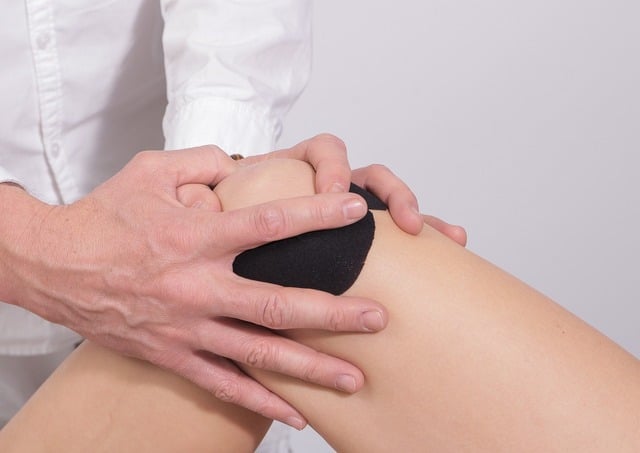
Natural Treatments for Knee Osteoarthritis
Degenerative joint disorders, such as knee osteoarthritis, are a frequent joint disease around the world and millions of people suffer from pain, stiffness, and disability in their joint. Although conservative treatments (i.e. painkillers, physiotherapy, or surgery) are frequently suggested, commonly patients turn to alternative methods to deal with the symptoms with less side effects. These techniques presents a comprehensive approach to treating knee osteoarthritis, aimed at providing relief of both the physical and psychological.1.AcupunctureOne of the most common alternative treatments for knee osteoarthritis is a traditional Chinese practice called acupuncture which small needles are inserted and manipulated at various points in the body. Studies show that acupuncture can trigger the release of endorphins, as well as increase blood flow to the affected joint. And it can be noticed that, with consistent treatments, a lot of clients will have less pain, more mobility. Individuals respond to acupuncture differently, it can be costly, and if you haven’t found any relief after four visits, chances are it’s not going to be helpful, but it is safe when provided by a licensed acupuncturist, and that may be particularly appealing for those who don’t want to take a medication.2.Glucosamine and Chondroitin SupplementsThese are the two most common oral supplements sold for joint pains. They’re said to promote healthy joints by decreasing inflammation and preserving cartilage. Long-term use might ease pain and improve mobility, according to some studies, although the outcomes will depend on severity of osteoarthritis. These supplements are not a panacea, but are considered as part of an overall anti-pain programme especially for those who prefer a more natural way of pain relief as opposed to taking prescription medication.3.MassageAnother alternative therapy is massage which can offer relief by easing muscle tension and increasing circulation in the area of the knee. Talented therapists perform deep tissue or myofascial-release massage, pinpointing tight muscles and connective tissue that might be causing joint discomfort. Routine sessions may help reduce stiffness and increase flexibility, providing a non-invasive method of relieving symptoms. Some patients use massage in combination with other treatments such as application of heat for extra comfort.4.Heat and Cold TherapyAlthough quite basic, heat and cold are still considered tried and true methods for alleviating osteoarthritis pain. Using heat by using warm compresses or heating pads help to relax stiff muscles, boost blood circulation, but if you use cold packs, it might numb the pain and reduce the swelling. Many people use both, switching them based on their symptoms applying heat in the morning to loosen the joint up followed by cold after activity to reduce inflammation. This low cost approach may be integrated into daily practice for maintenance of symptoms.5.Chiropractic AdjustmentIf we think of chiropractic adjustment more in the context of back pain, this study tells us that it can also provide relief to those suffering from knee osteoarthritis. Joint mobilization (chiropractic treatment) has the potential to restore normal alignment and lessen stress on surrounding tissues. They can help correcting these imbalances in your musculoskeletal system and return to proper movement patterns and reduce the stress on your knees. Although not an independent treatment, chiropractic can be a useful addition to a multidisciplinary pain management program.Although these treatment options may not fully substitute conventional medical treatments, they offer a good selection for people who may wish to seek an adjunct way for relieving knee osteoarthritis. Whether it’s acupuncture’s pain-dulling effects or the structural benefits from chiropractic manipulations, people have a variety of options to find comfort. Incorporating one or more of these interventions — with professional guidance — could make a huge difference to your quality of life, giving those with knee osteoarthritis back the freedom to move. Of course, speaking with your doctor anytime you're trying a new treatment will ensure it is safe and tailored to your joint health.