


Protecting Your Digital Assets in the Modern Age
As the world continues to go online, the importance of ensuring your digital assets are protected reaches the same level as securing physical assets. Digital assets can be quite eclectic, including; cryptocurrency, online accounts, intellectual property, sensitive documents and social profiles. The growing threat to cyber security, whether its hacking or phishing, now necessitates that strong security protocols be in place to restrict access and potential loss.

1.Strong and Unique Passwords
A password isn’t always enough to protect your digital property, one of the most basic things you can do to protect your digital self is have a password that’s strong and unique for every account. Too many of us don’t listen to that message — and wind up using the same password across multiple sites, which can have a domino effect of abuse if security at a just single one of those sites is compromised. A complex password would consist of mixed upper and lower case, numbers, and special characters.
2.Two-factor Authentication
Two-factor authentication (2FA) is an extra security layer beyond just a password. 2FA serves as a second form of identification and, as such, serves as an extra bar to entry for any unauthorized person looking to access your account or device, and thus, the sensitive information contained within. By requiring a second form of proof, something like a fingerprint or a one-time mobile code or a physical security key, for instance, 2FA raises the bar on entry. Many major services, ranging from banks, email providers, and cryptocurrency exchanges all support 2FA. A simple yet useful step to increase security is to have it turned on wherever possible.
3.Secured Private Keys
If you are a cryptocurrency or a blockchain-base-asset holder, you should make sure that private keys are secured. There is no way to recover lost or stolen keys (unlike bank accounts). So backup is critical. In any case, don’t put your private key on the internet, or anywhere nice and easily available online such as an email or cloud storage. All devices and software should be updated to have the necessary security patches. Also our approved antiviruses and malware scanners can find threats in real time before they do any damage.

4.Backups
Backups are really the unsung heroes in protecting your digital assets. Ransomware attacks, hardware crashes or an accidental deletion can erase years of data in a heartbeat. By periodically saving important file into an external hard drive or a reliable cloud service you make recovering something overhead easier. For the greatest safety, the “3-2-1” rule is often recommended: Have three copies of data, on two different storage types, with one stored offsite.
5.Never Click on Suspicious Links
Social engineering assaults, like phishing on email or a phony call to customer support, they exploit human weakness rather than technical ones. And always double-check the legitimacy of requests for sensitive information, never click on suspicious links. Knowing common scams and educating yourself and others about them can save time and money.
6.Long-term Planning
Lastly, examine estate planning for long-term planning of digital assets. A great deal of digital accounts and holdings are not available to heirs without certain documents. If you have a list of accounts, passwords and instructions to it and share it with a lawyer or family member you trust to access it after your death, this will ensure your valuable assets are distributed the way you want. For digital security, it’s also imperative to maintain up to date software, updating it as it becomes available. And a lot of cybercriminals take advantage of weaknesses in outdated operating systems, applications or firmware.

Ultimately, in a world that is increasingly connected, proactive security is critically not a luxury but a requirement. You can take action to mitigate the risk to themselves and their digital assets with this sequence of steps to protect themselves in the longer term.
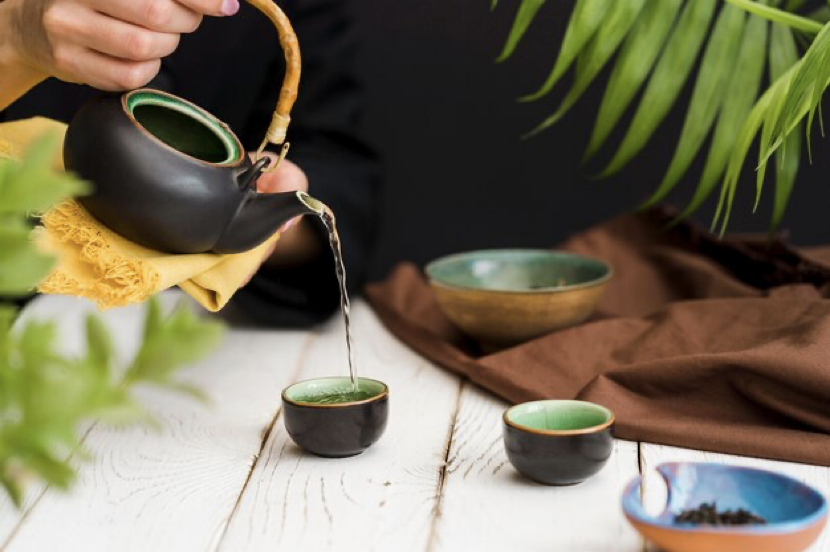
How Can Tea Help You Cope With Crisis
In the fast-paced life, we often face and confront with all kinds of pressure and challenges, what’s worse, the crisis comes all of a sudden, making us have no idea to deal with. At this time, if you can drink a warm tea, you may be peaceful, powerful and calm beyond your imagination and perception. And so, how can drinking tea help us cope with the crisis on earth?Relieves mood and anxietyThe tea is rich in ingredients, such as tea polyphenols, caffeine and son on, which can excite brain nerves in order to make you sober and fresh. In the meantime, L-theanine in the tea can escalate the production of GABA in our brains which is a kind of neurotransmitter good for tranquilizing and allaying excitement. Therefore, when we feel uneasy or nervous, why not try drinking a cup of tea, it may help us relax our anxiety and reduce the tension.Improves concentration and enhances decision-making abilityThe theine in the tea can help us escalate our attention and alertness, consider problems more clearly and limpidly. Besides, catechuic acid in the tea can improve the blood circulation in the brains, promote oxygen supply to your brains in order to strengthen our memory and cognitive abilities. When facing crisis, keep high degree of concentration and clear thinking can be helpful for us to make decision more wisely.Promotes social relations and gains supportDrinking tea is not just a personal enjoyment, instead, it’s a social activities. Savoring and enjoying the tea with our intimate relatives and friends can help us establish and build deeper and further relationships and gain more social supports. When we face difficulties, we can be moved and motivated by others’ care and encouragements.Escalates physical health and enhances the ability to resist pressureThere are an abundance of vitamins, minerals, and antioxidants in tea leaves, which can enhance our immunity and improve our capability of ant-diseases. A healthy and fit body plays a fundamental and basic role in facing all kinds of challenges. Besides, tea polyphenols in tea is antioxidative, which can remove the radicals in your body and delay senescence in order to protect our cardiovascular health.

Furniture Trends of 2025: Design Meets Intelligence
Furniture is no longer simply an object of functionality or en aesthetics, it has become an intelligent, adaptive, and sustainable extension of our living space. The directions influencing the furniture design of this year indicate a combination of pioneering technology, environmental responsibility, and a continued personalized approach. When self-adjusting ergonomic chairs and modular pieces that change as families do, 2025’s furniture is built to merge with our ever-evolving lifestyles.1.Smart, AI-poweredHere, the most striking change is towards smart, AI-powered furniture. Consider a sofa that changes its firmness to match the shape of your body, or a dining table that is also a wireless charging station and an interactive display. Several companies, including Ikea and Herman Miller, have already released AI-infused pieces that memorize human taste over time, fine-tuning both comfort and energy efficiency. Beds these days have sleep-tracking sensors, ones that regulate temperature and firmness during the night, while desks gently remind users to stand or stretch after too much time seated. The line between furniture and tech is beginning to know no bounds as furniture is not just lived in, but responsive to human life.2.SustainabilitySustainability is still at the heart of design, but in 2025 it extends beyond use of recycled materials. Now, circular design is the norm; brands emphasize furniture that can be broken down for recycling, repair or upcycling. Biodegradable options such as mycelium (mushroom-based foam) and algae-based plastics for example replacing the synthetic and giving the same durability without the guilt of damaging the environment. Even high-end designers are getting on board with “zero-waste” production, in which offcuts find new life as entirely new products. Consumers are more and more attracted to furniture with a clear lifecycle, knowing where the materials came from, how they were made and how they can be responsibly disposed of.3.Modular and MultifunctionalOther trends appeal to urban dwellers and small-space living, such as modular and multifunctional furniture. As the cost of real estate surges, these designs are compact, but flexible. There are guest beds that double as couches, coffee tables that hinge up toward a working height and storage units that mount to the wall and adjust to your needs. Companies such as Resource Furniture and Ori (a robotics and design company) are leading the way in minimizing space while maximizing style. The premise is the simple one on which we all fantasize but seldom deliver, that furniture should be as agile as life at its most inconstant, whether that is while working from home on a whim or hosting a surprise house guest for the night.4.MinimalismThe aesthetic in 2025 runs to warm minimalism and biophilic design. Neutral earthy palettes — think soft terracottas, warm beiges and deep greens — prevail, resulting in tranquil, nature-inspired interiors. Furniture silhouettes are more flowing, with rounded corners and natural textures that play on the idea of comfort and calm. Indoor-outdoor living is also on the rise, and weather-resistant materials are keeping pieces as comfortable on a sunlit patio as in a cozy living room.5.CustomizedThe customized experience up a notch. And the rise of 3D printing and on-demand manufacturing means the customer today can design his or her own furniture, picking everything from a fabric pattern to the style of legs. Brands provide digital configurators that enable people to see their creations in augmented reality before buying. This change not only limits overproduction, but allows each piece to narrate a personal story.We can’t predict the future, but in 2025, furniture will no longer be static — it’s intelligent, and a living part of our daily routine. From AI integration to sustainable innovation to adaptive design, the industry is rewriting the rule book for what it is to furnish a home. The future of furniture isn’t only about filling up space; it’s about improving the way we live, one smart, sustainable and beautifully designed object at a time.
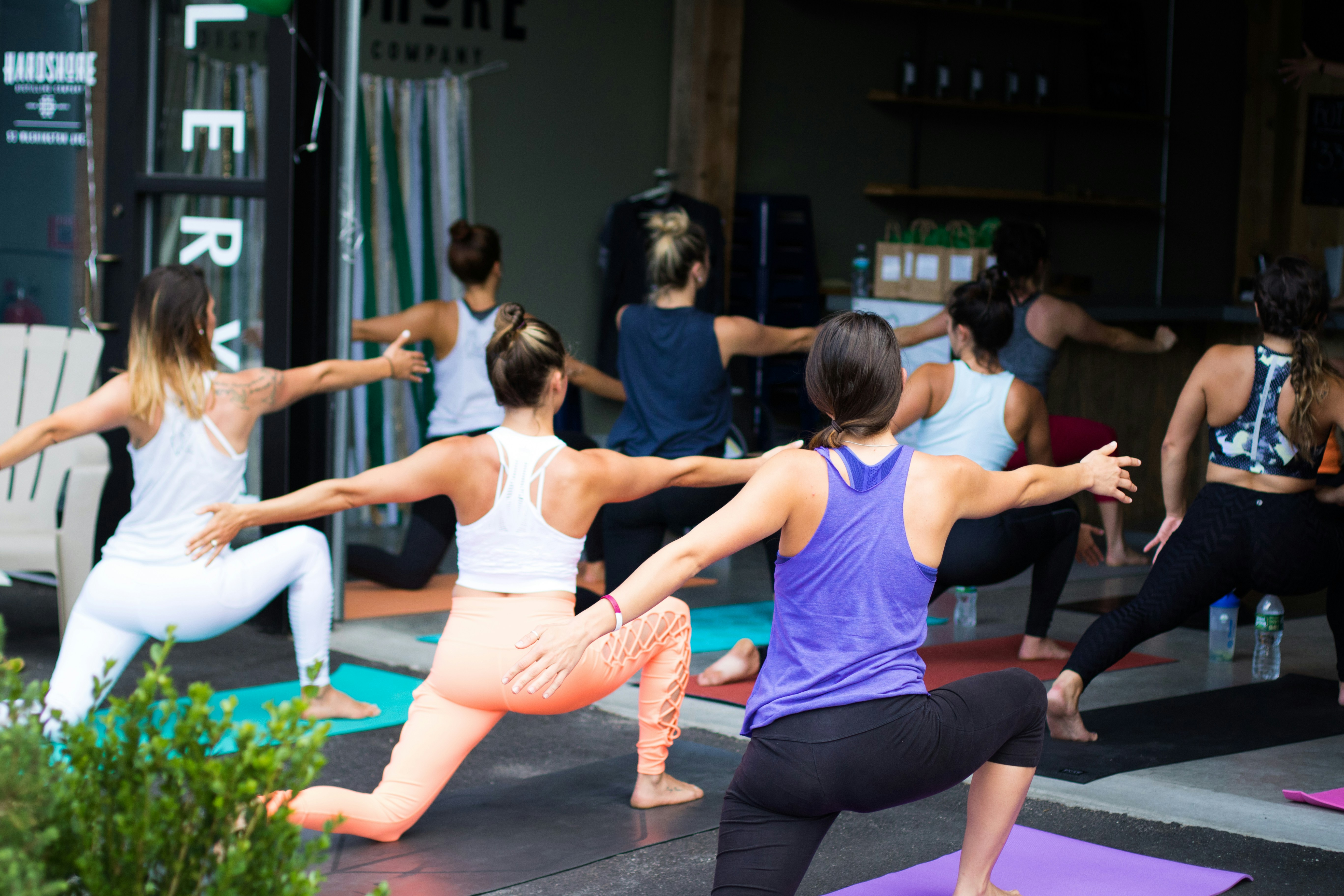
Instructions to Buying Yoga Clothes
While rehearsing yoga, a bunch of agreeable and fit yoga garments is fundamental. This article will furnish you with a definite manual for purchasing yoga garments, so you can make it simpler to purchase yoga garments.1.Material selectionThe material of yoga clothing has a crucial and significant impact on its air permeability, comfort and durability. Generally speaking, the main materials of yoga clothing are pure cotton, polyester, modal and so on. Pure cotton yoga clothes have good humidity inhalation, but are easy to wrinkle; Polyester yoga clothing has good wear resistance, but poor air permeability; Modal material yoga clothing is both hygroscopic and breathable, comfortable to wear, suitable for yoga this high-intensity, high-humidity exercise.2.Fit degree and elasticityWhen choosing yoga clothing, fit and elasticity are also very important and essential factors. The right fit allows you to be more cozyand easeful in the movement, and enough elasticity allows you to stretch without bondage. Therefore, it is recommended to choose yoga clothes with high fit and good elasticity, so that you can not only better show your movements, but also improve and enhance your practice effect.3.Length and leg designThe length and leg design of yoga clothing also have a great impact on its overall effect. In general, the length of yoga clothes should be just above the navel, so that you can better show the proportion of your figure. Pant leg design should be selected according to the individual leg type, straight or loose design can make you more comfortable in the movement, and tight design can better show your muscle line.

Why Strength Training Is Essential for Maintaining a Healthy Lifestyle
In recent years, the fitness landscape has evolved, with strength training gaining recognition as a crucial component of overall health and well-being. While many individuals prioritize cardiovascular exercises like running and cycling, strength training offers unique benefits that can significantly impact long-term health. Here’s why incorporating strength training into your routine is essential for maintaining a healthy lifestyle.Improved Muscle Mass and MetabolismAs we age, we naturally lose muscle mass—a condition known as sarcopenia. This gradual decline can start as early as our 30s and continues throughout our lives. Strength training is one of the most effective ways to combat this loss. By engaging in resistance exercises, you stimulate muscle growth, which not only preserves existing muscle but also builds new muscle tissue. Increased muscle mass leads to a higher resting metabolic rate, meaning your body burns more calories at rest. This can be particularly beneficial for weight management, as it allows for greater flexibility in diet while still maintaining a healthy weight.Enhanced Bone DensityBone density naturally decreases with age, raising the risk of fractures and osteoporosis, particularly in women after menopause. Strength training plays a pivotal role in increasing bone density. When you lift weights, the stress placed on bones stimulates the production of bone-forming cells, enhancing bone strength and reducing the likelihood of osteoporosis. Incorporating strength training exercises, especially weight-bearing activities, can lead to healthier bones and a lower risk of injury as you age.Better Joint HealthStrength training not only strengthens muscles but also helps stabilize joints. Strong muscles support and protect joints, reducing the risk of injuries and chronic pain conditions such as arthritis. By improving joint strength and stability, regular strength training enables individuals to maintain mobility and perform daily activities with ease. Moreover, resistance training can help alleviate symptoms of existing joint pain, making it an excellent choice for those looking to manage conditions like osteoarthritis.Enhanced Functional FitnessFunctional fitness refers to the ability to perform daily activities with ease and efficiency. Strength training enhances functional fitness by improving balance, coordination, and endurance. This is particularly important as we age, as falls are a leading cause of injury among older adults. By focusing on exercises that mimic everyday movements—such as squats, lunges, and push-ups—you can improve your overall performance in daily tasks, from lifting groceries to climbing stairs. This functional strength contributes to a better quality of life and greater independence as you age.Mental Health BenefitsThe mental health benefits of strength training are often overlooked, but they are significant. Regular strength training has been linked to reduced symptoms of anxiety and depression. The endorphins released during exercise can elevate mood and promote a sense of well-being. Moreover, achieving strength training goals—whether it’s lifting a heavier weight or completing more repetitions—can boost self-esteem and confidence. This positive feedback loop encourages a more active lifestyle and fosters a sense of accomplishment.Chronic Disease ManagementStrength training plays a vital role in managing chronic conditions such as diabetes, heart disease, and obesity. Regular resistance training can improve insulin sensitivity, lower blood pressure, and enhance cardiovascular health. For individuals with diabetes, strength training can help regulate blood sugar levels, making it a valuable addition to their exercise regimen. By addressing these health concerns, strength training can reduce reliance on medications and improve overall quality of life.

Senior Housing Choices: Finding CCRCs, Villages and Cohousing
The perfect home for seniors has never been more important as people the world over live longer than ever before. Older adults today want living options that provide not just comfort and safety, but also community, independence and the ability to access care when it's needed. Knowledge of these options can allow seniors and their families the opportunity to make informed decisions for the future.1.Continuing Care Retirement CommunitiesA CCRC is a facility with many levels of care that are housed within the same campus. Residents generally begin in independent living, with private apartments or cottages, social activities and amenities like fitness centers and dining halls. And, as their health care needs shift, they can move easily to assisted living or more intensive skilled nursing care without being forced to pack. This philosophy of “continuum of care” provides comfort in the knowledge that medical and personal assistance is there when needed. Entry fees and monthly fees are typically used to finance them, making CCRCs a substantial investment. But for those who value long-term security and ease of living, this choice brings stability and great care across the various phases of aging.2.VillageIn comparison, the Village movement is all about assisting the elderly in aging in place in their own homes and communities. Villages are nonprofit, member-driven organizations that provide older adults with access to services, volunteers and social activities. With an annual membership fee, members are entitled to resources such as transportation, home-related repairs and social events, promoting a close community while remaining independent. Unlike CCRCs, Villages themselves don't offer medical care, but they're known to partner with local health organizations who can offer assistance. This model is perfect for the seniors who are very attached to their homes and their neighborhoods but require more help and social engagement as they get older. The Village movement is ballooning, especially in urban and suburban areas, where it allows seniors to continue living in the same communities without upending their lives.3.CohousingAnother emerging alternative and trend is Cohousing, a customized living arrangement in which seniors can share common areas and still live independently. Cohousing is unique from typical retirement communities in that it's specifically designed to facilitate interaction, with shared kitchens, gardens, and common spaces. There's strong community involvement, and residents take part in decision-making and often meet for communal meals and activities. This model holds particular appeal for those who value sustainability, social connection and belonging. Although cohousing generally does not offer professional care services, some facilities offer a wellness program, or contract with home healthcare agencies. It can provide an ideal mix of independence and community for seniors who want an active, interdependent lifestyle but don't want the retirement home feel of an institutional setting.The best senior housing option depends on specific needs, whether it is guaranteed care focused on your parents or neighborhood support or a senior community with close integration or a shared living experience. For those who expect to one day require medical help, a CCRCs offer a comprehensive, “nothing left out” lifestyle pattern. Villages are places where you can age in place, with social and practical support; cohousing creates deep links among people who are like-minded. In an ever changing society, these models show that retirement living no longer has to equate with loneliness or loss of autonomy.In the end, it is a personal choice when one considers factors such as monetary considerations and the kind of life they would prefer to have. Through CCRCs, Villages, Cohousing and other options, older adults can also discover a living arrangement that is in line with the way they wish to livee, one that provides comfort, community, and the appropriate level of care as they begin their journey into the next chapter of their lives.