


Instructions to Buying Yoga Clothes
While rehearsing yoga, a bunch of agreeable and fit yoga garments is fundamental. This article will furnish you with a definite manual for purchasing yoga garments, so you can make it simpler to purchase yoga garments.
1. Material selection
The material of yoga clothing has a crucial and significant impact on its air permeability, comfort and durability. Generally speaking, the main materials of yoga clothing are pure cotton, polyester, modal and so on. Pure cotton yoga clothes have good humidity inhalation, but are easy to wrinkle; Polyester yoga clothing has good wear resistance, but poor air permeability; Modal material yoga clothing is both hygroscopic and breathable, comfortable to wear, suitable for yoga this high-intensity, high-humidity exercise.
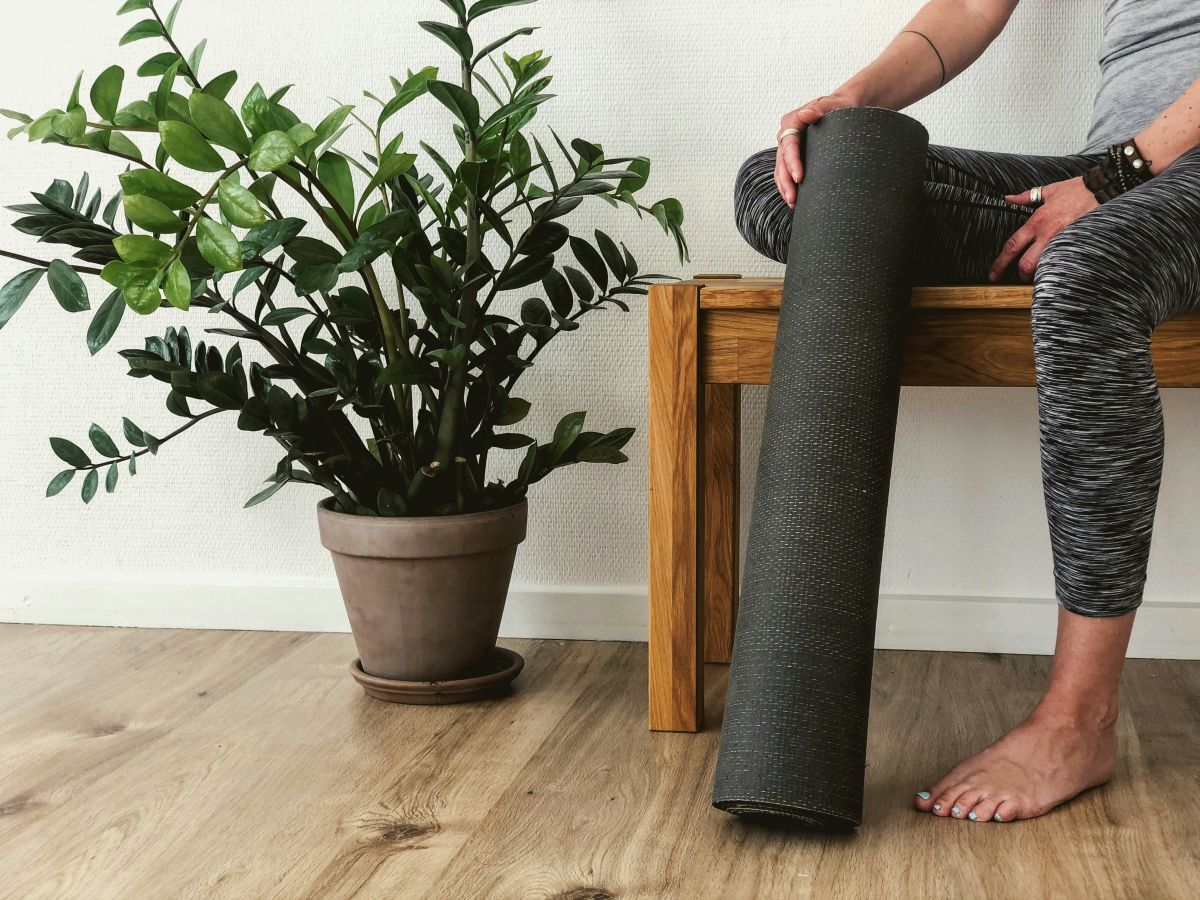
2. Fit degree and elasticity
When choosing yoga clothing, fit and elasticity are also very important and essential factors. The right fit allows you to be more cozy and easeful in the movement, and enough elasticity allows you to stretch without bondage. Therefore, it is recommended to choose yoga clothes with high fit and good elasticity, so that you can not only better show your movements, but also improve and enhance your practice effect.
3. Length and leg design
The length and leg design of yoga clothing also have a great impact on its overall effect. In general, the length of yoga clothes should be just above the navel, so that you can better show the proportion of your figure. Pant leg design should be selected according to the individual leg type, straight or loose design can make you more comfortable in the movement, and tight design can better show your muscle line.
4. Brand and price
When choosing yoga clothing, brand and price are also factors to consider. Yoga clothing from well-known brands are usually more guaranteed in design, but they are also relatively expensive. If your requirements for yoga clothing are not particularly high, you can also choose some brands or styles that are more cost-effective. However, no matter which brand of yoga clothing you choose, you should pay attention to whether its quality and comfort meet your needs.
5.Try on and adjust
When buying yoga clothes, trying them on is an essential step. When trying on, pay attention to check the fit and elasticity of yoga clothes, as well as whether the length and pant leg design meet their needs. If there is a need to adjust the place, you can consult the clerk or adjust yourself. In addition, if you often practice yoga, it is recommended to buy several sets of different colors and styles of yoga clothes to enrich their practice experience.
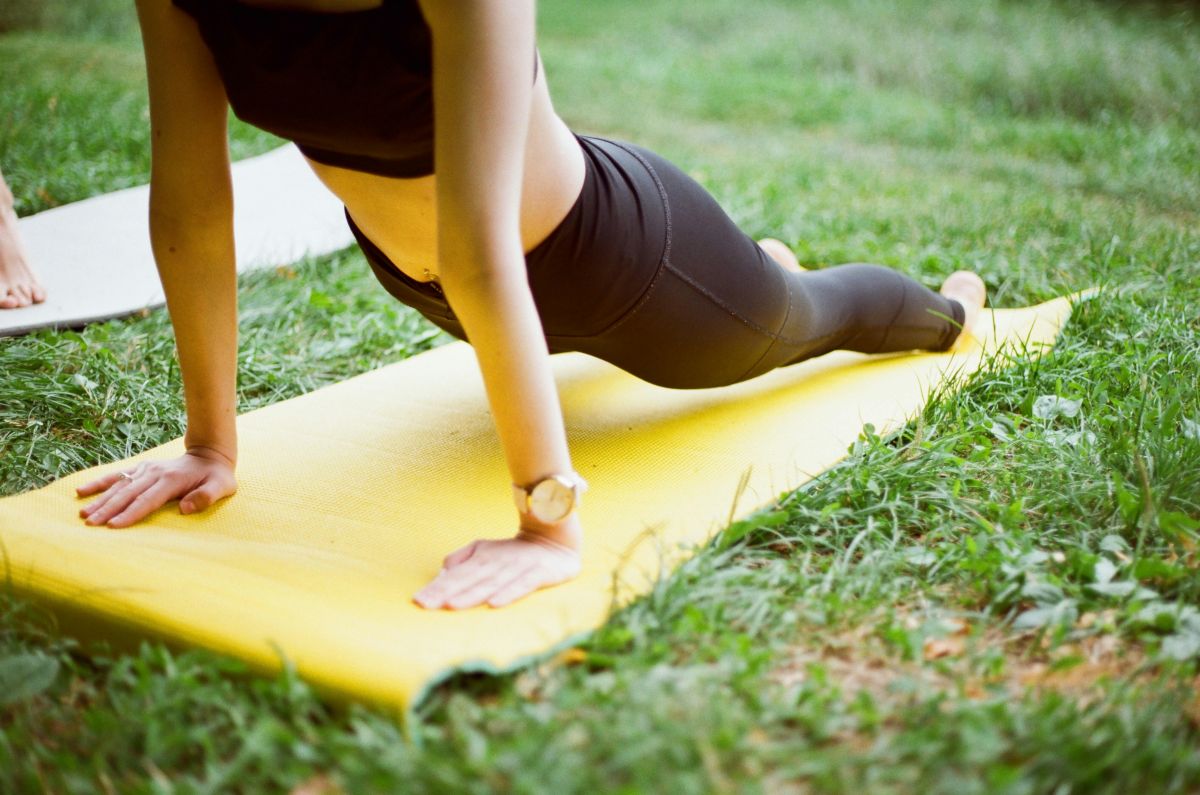
6.Pay attention to maintenance and cleaning
Finally, after buying yoga clothes, you also need to pay attention to maintenance and cleaning. Proper maintenance and cleaning methods can extend the service life of yoga clothes and maintain their comfort and beauty. It is recommended to follow the cleaning method provided by the brand and avoid using bleach or high temperature washing. In addition, the storage of yoga clothes should avoid folding or squeezing, it is best to use a special suspension rack for storage.
In short, purchasing a reasonable arrangement of yoga garments is vital to work on the impact and solace of yoga practice. While purchasing, focus on the material, fit and versatility, length and leg configuration, brand and cost. By fitting and changing, as well as appropriate support and cleaning, you can find the most reasonable yoga garments for yourself, and better partake in the physical and mental joy brought by yoga.

Strategies to Effectively Manage and Win the Battle with Kids Over Phone Use
In today's digital age, navigating children's phone use has become a significant challenge for parents. With the allure of games, social media, and endless entertainment at their fingertips, kids often find it hard to disconnect. This can lead to conflicts and concerns about screen time, mental health, and social skills. However, parents can effectively manage and win this battle by implementing thoughtful strategies that promote balance and understanding. Here's how to approach the issue of phone use with your kids.Establish Clear GuidelinesThe first step in managing phone use is to set clear, reasonable guidelines. Sit down with your children and discuss the importance of limits. Create a family phone-use contract that outlines allowed times for phone use, such as during homework or family meals. This collaborative approach gives kids a sense of ownership and encourages them to adhere to the agreed-upon rules. Ensure that the guidelines are age-appropriate and flexible enough to adapt as they grow.Lead by ExampleChildren often mimic their parents' behavior, so it's crucial to model healthy phone use yourself. If you expect your kids to limit screen time, show them how you manage your own device habits. Set aside time during family activities where everyone puts their phones away—this not only strengthens family bonds but also reinforces the idea that meaningful connections occur without screens. Your actions will speak louder than words, encouraging them to follow suit.Promote Alternative ActivitiesCombat the allure of screens by promoting engaging alternatives. Encourage your kids to participate in outdoor activities, sports, arts and crafts, or reading. Find hobbies that interest them and provide opportunities for social interaction. When children have fulfilling activities to occupy their time, they are less likely to rely on their phones for entertainment. Make it a family affair by joining them in these activities, which can enhance your relationship and create lasting memories.Educate About Digital LiteracyTeaching children about digital literacy can empower them to make informed choices regarding their phone use. Discuss the potential risks associated with excessive screen time, such as its impact on mental health, sleep, and social skills. Use real-life examples to illustrate the importance of moderation. By understanding the implications of their digital interactions, children are more likely to take responsibility for their habits.Use Technology to Your AdvantageIronically, technology can be a valuable ally in managing phone use. Utilize apps and built-in features on devices that track and limit screen time. Many smartphones offer parental controls that allow you to set limits on app usage or establish “downtime” periods when devices are inaccessible. This can serve as a helpful tool in reinforcing the guidelines you've set, making it easier for your kids to comply with established rules.Foster Open CommunicationCreating a culture of open communication is essential. Encourage your children to share their thoughts and feelings about phone use. Ask questions about what they enjoy doing on their devices and why they feel the need to use them so often. By understanding their perspective, you can address their motivations and concerns more effectively. This dialogue can lead to compromises and solutions that work for both parties.

Mysterious “Ghost Ships” in the Baltic Sea
Many secrets are held within the vast and mysterious body of water that is the Baltic Sea, between Europe's northern coasts. Its greatest unknowns, however, are the "ghost ships", abandoned and coasting slowly across its waters with deteriorating hull planks beneath them and silent decks bathed by unwavering moonlight. These are the spooky relics of an era that's long past, these echoes from times forgotten bear witness to human folly and extinctions (both literal and otherwise) but also time itself—in matters & worlds.Overview of the Ghost ShipsWhen even the most battle hardened sailor first stakes eyes on a ghost ship it sends chills down their spine. A bit more beguiling are the derelict ships, typically freighters or fishing boats gone to seed, ghostlike and woebegone with broken windows that have crumbled into filigrees of crushed glass; paint peeling away in brittle shards beneath winds gusting along constricted openings between condemned warehouses crowded together harbor side as rigging sags where it tangles over ribs etched dark against rust-eaten skins. They floated along with the currents, engines muted as if steered by ghosts.The loss of life on the MV Estonia was near 900 Ghost ship, some of them are for sure well-known from the Baltic like Swe. The wreckage is decaying deep at the bottom of the sea, but its ghost lingers, seen as a haunting beacon or maritime tragedy. But the Estonia is only one among many. The other ghost ships, the ones we do not sing songs about, drift uncharted; ghosts lost to time.Reasons to the Ghost ShipsWhy these ships were abandoned is anyone's guess, and like the vessels themselves it could be any of ten-lost reasons. Others were wrecked in storms and never had their crew come to shore again. In other cases, they were taken by pirates or crashed due to mechanical breakdown. The rest were abandoned in dry docks where they slowly rotted, relics of the maritime industry that built and then quit on them.As time goes by, these ghost ships get older and in worst conditions. Their wooden decks rot and their metal frames rust. Their cracks become homes to sea creatures, their hulls overgrown with algae. Now and then their thinned bodies wash ashore in fossil parts, scavenged by the waves for strangers perusing or native fishermen.Effects from Ghost ShipsBesides the large number of these abandoned ships and dwindling sailing stock, they cause significant adverse environmental effects. Oil & other impurities can seep into the water which then decreases in value and is harmful to marine life. The ships themselves may also be hazards to navigation for other vessels. Then there is the aesthetic and emotional cost those floating tombs present; a constant symbol of human suffering.There are attempts to clear the Baltic Sea of these ghost ships. However, the work is overwhelming and requires enormous resources. Until then, these ghostly remains keep wandering around the sea with their stories buried beneath the ocean surface for someone to enlighten.ConclusionThe Baltic Sea ghost ships are a little more than empty hulls. They are human history chiseled in granite, victories and defeats etched on the stone of hundreds of thousands of lives lived. In all the ghosts that sail these waters of ancient sea we must remind us this; in what they are telling grows a fragility to human endeavor and how critical remembering is on our way forward.

Wig Basics
This article will introduce the basic knowledge of wigs, including the types of wigs, materials, selection and care.The type of wig1. Full Wig: A full wig is a wig product that covers the entire head, similar to a hat, and can completely change the hairstyle and hair color. Full wigs are usually made of synthetic or human hair and come with an adjustable cap to accommodate different head sizes.2. Hair Piece: A hair piece is a small piece of wig, usually used to increase the volume of hair or cover certain areas of baldness. Hair pieces can be fixed to natural hair to make the hairstyle more full and natural.3. Hair Extensions: A wig is a long, thin piece of hair that is usually used to extend the length of natural hair. They can be attached to natural hair by means of clips, adhesives, or braiding.4. Hair Toppers: Hair toppers are a type of wig product similar to hair pieces, but larger and thicker, usually used to cover bald or sparse areas on the top of the head.Choose the right wig1. Color and style: Choosing the right wig color and style is very important to ensure that it matches natural hair and meets personal preferences. You can choose a color that is similar to your natural hair, or try new hair colors to add variety.2. Head circumference and size: The wig needs to match the head circumference size to ensure comfort and stability. You can choose the right wig size based on your head circumference, or choose a wig with an adjustable cap.3. Material and quality: Choose the right wig material according to your personal needs and budget. Synthetic wigs are suitable for short-term use and low cost needs, while human hair wigs are suitable for long-term use and higher quality requirements.
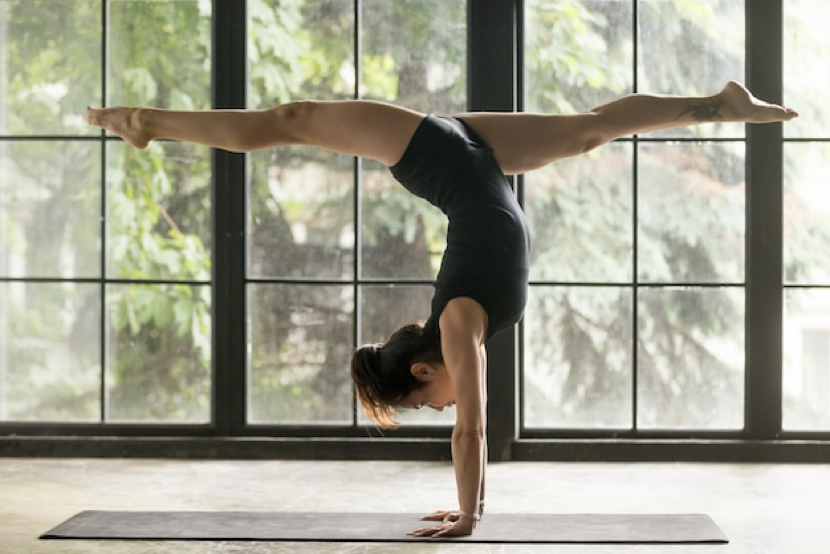
Easy Yoga Routine Helps Reduce Your Fatigue
Fatigue is a common issue that many of us face on a daily basis, whether it's due to work, stress, or simply the demands of everyday life. While getting enough sleep and maintaining a healthy diet are essential for combating fatigue, there are also other effective methods that can help, such as incorporating yoga into your daily routine. Yoga is a form of exercise that combines physical postures, breathing techniques, and meditation to promote relaxation, increase flexibility, and reduce stress. Here's an easy yoga routine that you can do at home to help reduce fatigue and rejuvenate your body and mind.Start with a Warm-UpBefore beginning your yoga routine, it's important to warm up your muscles to prevent injury. Start by standing tall with your feet hip-width apart and take a few deep breaths, focusing on filling your lungs completely with air. Then, move into a gentle sun salutation sequence, which consists of a series of poses that flow smoothly from one to the next. This sequence helps to warm up your entire body and prepare you for the more challenging poses that follow.Mountain Pose (Tadasana)Begin your yoga routine with Mountain Pose, a foundational pose that promotes good posture and helps to ground and center you. Stand tall with your feet hip-width apart, toes pointing forward, and knees slightly bent. Engage your core muscles and lift your chest, feeling tall and strong. Take a few deep breaths, focusing on your breath and allowing yourself to relax into the pose.Warrior II (Virabhadrasana II)From Mountain Pose, step your right foot forward about 3-4 feet, turning your right foot out 90 degrees and your left foot in slightly. Bend your right knee, keeping your knee aligned with your ankle, and raise your arms out to the sides, parallel to the floor and shoulder-height. Look over your right hand, keeping your gaze steady. Hold for several breaths, then repeat on the other side. Warrior II helps to strengthen your legs and open your hips and chest, promoting a sense of strength and stability.Tree Pose (Vrksasana)Stand tall with your feet hip-width apart and shift your weight onto your left foot. Slowly lift your right foot and place the sole of your right foot against the inside of your left leg, either on your calf or thigh. Raise your arms above your head, palms facing each other, and focus on keeping your balance. Hold for several breaths, then repeat on the other side. Tree Pose helps to improve balance, focus, and concentration, as well as promoting calmness and relaxation.Child's Pose (Balasana)Kneel on the floor with your knees hip-width apart and your toes touching. Sit back onto your heels, then lower your torso forward, resting your forehead on the floor or a block. Extend your arms forward, palms facing down, and relax your shoulders and neck. Hold for several breaths, allowing yourself to fully relax and release any tension in your body. Child's Pose is a deeply restorative pose that helps to calm the mind and soothe tired muscles.Corpse Pose (Savasana)Lie down on your back with your legs straight and your arms at your sides, palms facing up. Close your eyes and take several deep breaths, focusing on your breath and allowing yourself to fully relax. Stay in Corpse Pose for several minutes, allowing your body and mind to unwind and rejuvenate. Corpse Pose is the perfect way to end your yoga routine, as it promotes relaxation and helps to reduce stress and fatigue.
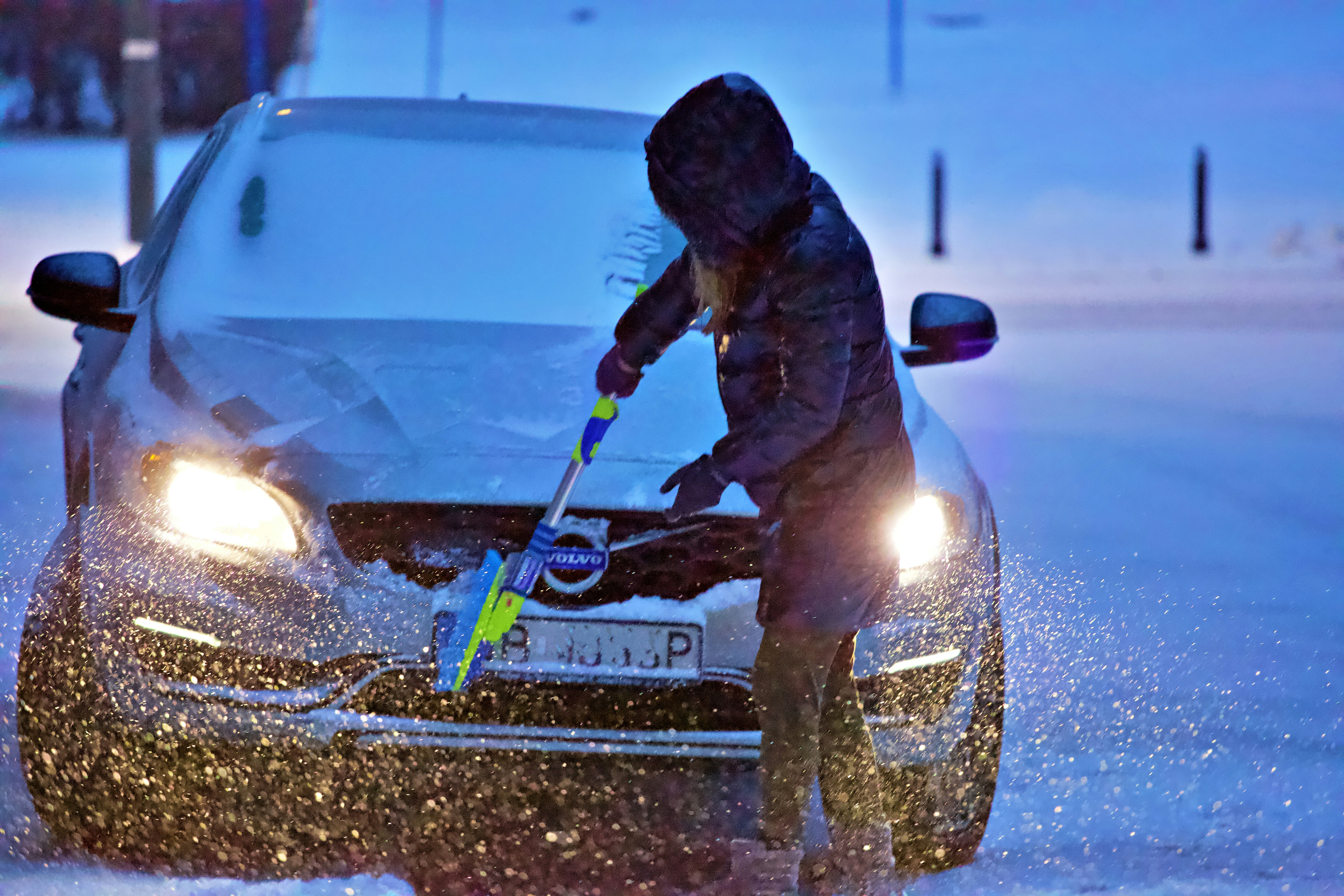
Winter Car Care: Essential Maintenance Tips for Keeping Your Vehicle Safe and Reliable
Winter is a challenging time for both drivers and their vehicles.Cold weather, road salt, and ice can take a toll on your car if it's not properly maintained. As such, it's crucial to take extra care of your vehicle during the winter months to ensure its safety and performance. Here are some essential tips for maintaining your car during the winter:Check the battery: Cold temperatures can reduce your battery's power, so it's essential to have it tested to ensure it's in good condition. If your battery is more than three years old, it's a good idea to consider replacing it to prevent unexpected breakdowns.Inspect the tires: Proper tire maintenance is crucial for safe winter driving. Check the tire pressure regularly, as cold temperatures can cause it to decrease. Also, ensure that your tires have enough tread depth to provide sufficient traction on snowy and icy roads. Consider switching to winter tires for improved grip and handling in cold conditions.Change the oil: Cold weather can cause your engine oil to thicken, making it more difficult for the engine to start. Consider switching to a winter-grade oil that flows more easily at low temperatures. It's also essential to stick to the manufacturer's recommended oil change intervals to keep your engine running smoothly.Test the lights: Days are shorter in the winter, so it's critical to make sure all your vehicle's lights are working correctly. This includes headlights, taillights, turn signals, and brake lights. Proper lighting not only helps you see better in low-light conditions but also makes your vehicle more visible to other drivers.