


Filtered Coffee: A Brew for a Longer Life
Coffee is a drink that is loved by people all over the world, and has been the principal food in many countries for centuries. The strong flavor and the function of pick-you-up make it the first product touched by millions of people in the morning all around the world. However, not all coffee are the same, a recent study finds that filter coffee might be healthier and more helpful for us, even in expanding your life span.

The Chemistry of Coffee
Coffee is filled with complex chemical compound, including caffeine, antioxidant and all kinds of acids. The way you make them can have distinctive influence on the density of these chemicals. Filtered coffee needs to make hot water go through the grid coffee beans, catch liquid and make coffee grounds stay in the meantime. Compared to other methods like espresso or French-pressed coffee, this process may lead to the relatively low level of some certain chemical compounds.

The Compounds in Filtered Coffee Are Healthier
One of the most distinctive differences of filtered coffee is the diterpene content is low, especially coffee alcohol and coffee bean alcohol. These compounds are high in unfiltered coffee, such as French pressed coffee. According to the study, coffee alcohol and coffee bean alcohol will escalate the cholesterol level of LDL, which is likely to cause heart disease. By filtering these compounds, filtered coffee become the optimal choice for those who pay attention to heart health.

Antioxidants and Disease Prevention
Filtered coffee is also rich in antioxidants which is a compound that protects cells from being hurt by radicals. The radicals are unstable molecules and can causes chronic diseases such as oxidative stress, cancer and diabetes. The antioxidants in coffee, including prochlorogenic acid and polyphenols can help neutralize free radicals, thus reduces the risk of this disease.

Caffeine and the Cognitive Benefits
There is no need to introduce more about the caffeine, a most famous ingredients in coffee, is a kind of central nervous system stimulant and can enhance alertness and cognitive function. Moderately taking caffeine has positive relations with memory improvement, nimble reaction and problem-solving skills enhancement. Although every coffee contains caffeine, the difference of filtered coffee is that it can control the volume you take, thereby, you can easily make the coffe you like with suitable density.

Relations with Longevity
A number of studies have shown that coffee do have some relations with longevity. Drinking moderate coffee can reduce the rate of die of all kinds of diseases, including heart disease, nervous system disease and suicide. Although it needs more studies to confirm this relation, these findings are still inspirational for those who like drinking a cup of coffee everyday.

Conclusion
Filtered coffee shows more healthiness than unfiltered coffee. But the moderation is key, drinking filtered coffee moderately can be a healthy part in your balanced diet. Thereby, when you pick up a cup of coffee next time, do consider the benefits and advantages you choose filtered coffee.

Unlock the Secrets of Tesla Dog Mode: A New Experience for People and Pets
With the rapid development of science and technology, the automobile industry has also ushered in unprecedented changes. Among them, Tesla's Dog Mode is a feature that has attracted attention, which provides a more comfortable and safe travel experience for pet owners.1.Background and significance of the Tesla Dog modelIn modern society, pets have become an indispensable member of many families. However, during the driving process, how to ensure the safety and comfort of pets is a problem that cannot be ignored. The emergence of the Tesla dog model is to solve this problem. With smart controls, Tesla Dog Mode is able to provide a safe and comfortable environment for pets while parked, ensuring they are well cared for even inside the vehicle.2.The functional characteristics of Tesla dog modeThe Tesla Dog Mode has a variety of functional features designed to meet the needs of different pet owners. First of all, the mode can automatically adjust the temperature in the car, ensuring that the pet does not feel too hot or too cold in the car. Second, Tesla Dog Mode can also display real-time temperature information in the car, allowing owners to keep abreast of the environmental conditions of their pets. In addition, Tesla also allows pets to enjoy comfortable facilities such as music and air conditioning in the car through the intelligent control system, further enhancing the travel experience of pets.3. Operation and use of Tesla Dog modeThe operation of Tesla Dog Mode is very simple and convenient. When owners need to leave the vehicle, they can simply choose to turn on dog mode through Tesla's center screen or mobile app. When this mode is turned on, the vehicle automatically adjusts the interior environment to ensure the comfort and safety of the pet. At the same time, the Tesla dog mode will also display the words "pet in the car, air conditioning is turned on" on the window, as well as real-time temperature information in the car to remind passers-by to pay attention to the pet's condition.

Fish Oil Supplements: Potential Risk of Stroke
For quite a long time, fish oil supplements are popular among peoples because its rich omega-three fatty acids and considered to be beneficial for heart health, brain function and overall health. However, one paper published recently shows that fish oil supplements may increase the risk of stroke and heart issues.Overview of the StudyThe study guided by the researchers from Harvard University and Brigham and Women's Hospital, analyzed over 25,000 participants who have not gotten angiocardiopathy before the study began. The researchers followed their health conditions almost 12 years and recorded the fish oil supplements data they used. To our surprise, study found compared to the people not eat fish oil supplements, they showed extra 18% risks of getting stroke, and extra 8% risks of heart issues. These results are clear comparison with its benefits we think before.Why Fish Oil Supplements Cause This ProblemSo, why fish oil supplements have this uncontemplated side effects? The researchers proposed several possible explanations.Uncertain qualities of fish oil supplements: There are a variety of fish oil supplements in the market with different kinds of qualities. Some products of inferior quality may be filled with pollutants, such as heavy metals and polychlorinated biphenyl, which will be harmful to our health.Dose and type of omega-3 fatty acids: Not all omega-3 fatty acids are the same.Omega-3 fatty acids have two main ingredients, EPA and DHA, they have different effects in health. Besides, extra omega-3 fatty acids may result in hemodilution and increase the risk of hemorrhagic stroke.Individual difference: Everybody shows different reactions to omega-3 fatty acids. Some may be more sensitive to omega-3 fatty acids and more likely to have untoward effects.Suggestions We Should KnowThe study results reminds us that we should be cautious and careful before eating fish oil supplements, here are some suggestions:Consult a doctor: Before taking any supplements, please consult your doctor, especially when you have some potential health problems.Choose those with superior qualities: Purchase third party certified fish oil supplements to ensure their quality and purity.Care for the dose: Strictly follow the dose recommended on the tag, don’t take extra dose, moderation is the key.Consider other sources: If you worry about the risk of fish oil supplements, you can switch your methods, a lot of food is full of omega-3 fatty acids, such as Fat-rich fish, flaxseed, and chia seeds.

Senior Housing Choices: Finding CCRCs, Villages and Cohousing
The perfect home for seniors has never been more important as people the world over live longer than ever before. Older adults today want living options that provide not just comfort and safety, but also community, independence and the ability to access care when it's needed. Knowledge of these options can allow seniors and their families the opportunity to make informed decisions for the future.1.Continuing Care Retirement CommunitiesA CCRC is a facility with many levels of care that are housed within the same campus. Residents generally begin in independent living, with private apartments or cottages, social activities and amenities like fitness centers and dining halls. And, as their health care needs shift, they can move easily to assisted living or more intensive skilled nursing care without being forced to pack. This philosophy of “continuum of care” provides comfort in the knowledge that medical and personal assistance is there when needed. Entry fees and monthly fees are typically used to finance them, making CCRCs a substantial investment. But for those who value long-term security and ease of living, this choice brings stability and great care across the various phases of aging.2.VillageIn comparison, the Village movement is all about assisting the elderly in aging in place in their own homes and communities. Villages are nonprofit, member-driven organizations that provide older adults with access to services, volunteers and social activities. With an annual membership fee, members are entitled to resources such as transportation, home-related repairs and social events, promoting a close community while remaining independent. Unlike CCRCs, Villages themselves don't offer medical care, but they're known to partner with local health organizations who can offer assistance. This model is perfect for the seniors who are very attached to their homes and their neighborhoods but require more help and social engagement as they get older. The Village movement is ballooning, especially in urban and suburban areas, where it allows seniors to continue living in the same communities without upending their lives.3.CohousingAnother emerging alternative and trend is Cohousing, a customized living arrangement in which seniors can share common areas and still live independently. Cohousing is unique from typical retirement communities in that it's specifically designed to facilitate interaction, with shared kitchens, gardens, and common spaces. There's strong community involvement, and residents take part in decision-making and often meet for communal meals and activities. This model holds particular appeal for those who value sustainability, social connection and belonging. Although cohousing generally does not offer professional care services, some facilities offer a wellness program, or contract with home healthcare agencies. It can provide an ideal mix of independence and community for seniors who want an active, interdependent lifestyle but don't want the retirement home feel of an institutional setting.The best senior housing option depends on specific needs, whether it is guaranteed care focused on your parents or neighborhood support or a senior community with close integration or a shared living experience. For those who expect to one day require medical help, a CCRCs offer a comprehensive, “nothing left out” lifestyle pattern. Villages are places where you can age in place, with social and practical support; cohousing creates deep links among people who are like-minded. In an ever changing society, these models show that retirement living no longer has to equate with loneliness or loss of autonomy.In the end, it is a personal choice when one considers factors such as monetary considerations and the kind of life they would prefer to have. Through CCRCs, Villages, Cohousing and other options, older adults can also discover a living arrangement that is in line with the way they wish to livee, one that provides comfort, community, and the appropriate level of care as they begin their journey into the next chapter of their lives.

Furniture Trends of 2025: Design Meets Intelligence
Furniture is no longer simply an object of functionality or en aesthetics, it has become an intelligent, adaptive, and sustainable extension of our living space. The directions influencing the furniture design of this year indicate a combination of pioneering technology, environmental responsibility, and a continued personalized approach. When self-adjusting ergonomic chairs and modular pieces that change as families do, 2025’s furniture is built to merge with our ever-evolving lifestyles.1.Smart, AI-poweredHere, the most striking change is towards smart, AI-powered furniture. Consider a sofa that changes its firmness to match the shape of your body, or a dining table that is also a wireless charging station and an interactive display. Several companies, including Ikea and Herman Miller, have already released AI-infused pieces that memorize human taste over time, fine-tuning both comfort and energy efficiency. Beds these days have sleep-tracking sensors, ones that regulate temperature and firmness during the night, while desks gently remind users to stand or stretch after too much time seated. The line between furniture and tech is beginning to know no bounds as furniture is not just lived in, but responsive to human life.2.SustainabilitySustainability is still at the heart of design, but in 2025 it extends beyond use of recycled materials. Now, circular design is the norm; brands emphasize furniture that can be broken down for recycling, repair or upcycling. Biodegradable options such as mycelium (mushroom-based foam) and algae-based plastics for example replacing the synthetic and giving the same durability without the guilt of damaging the environment. Even high-end designers are getting on board with “zero-waste” production, in which offcuts find new life as entirely new products. Consumers are more and more attracted to furniture with a clear lifecycle, knowing where the materials came from, how they were made and how they can be responsibly disposed of.3.Modular and MultifunctionalOther trends appeal to urban dwellers and small-space living, such as modular and multifunctional furniture. As the cost of real estate surges, these designs are compact, but flexible. There are guest beds that double as couches, coffee tables that hinge up toward a working height and storage units that mount to the wall and adjust to your needs. Companies such as Resource Furniture and Ori (a robotics and design company) are leading the way in minimizing space while maximizing style. The premise is the simple one on which we all fantasize but seldom deliver, that furniture should be as agile as life at its most inconstant, whether that is while working from home on a whim or hosting a surprise house guest for the night.4.MinimalismThe aesthetic in 2025 runs to warm minimalism and biophilic design. Neutral earthy palettes — think soft terracottas, warm beiges and deep greens — prevail, resulting in tranquil, nature-inspired interiors. Furniture silhouettes are more flowing, with rounded corners and natural textures that play on the idea of comfort and calm. Indoor-outdoor living is also on the rise, and weather-resistant materials are keeping pieces as comfortable on a sunlit patio as in a cozy living room.5.CustomizedThe customized experience up a notch. And the rise of 3D printing and on-demand manufacturing means the customer today can design his or her own furniture, picking everything from a fabric pattern to the style of legs. Brands provide digital configurators that enable people to see their creations in augmented reality before buying. This change not only limits overproduction, but allows each piece to narrate a personal story.We can’t predict the future, but in 2025, furniture will no longer be static — it’s intelligent, and a living part of our daily routine. From AI integration to sustainable innovation to adaptive design, the industry is rewriting the rule book for what it is to furnish a home. The future of furniture isn’t only about filling up space; it’s about improving the way we live, one smart, sustainable and beautifully designed object at a time.
Women May Benefit From Exercise in Reducing Risk of Cardiovascular Issues
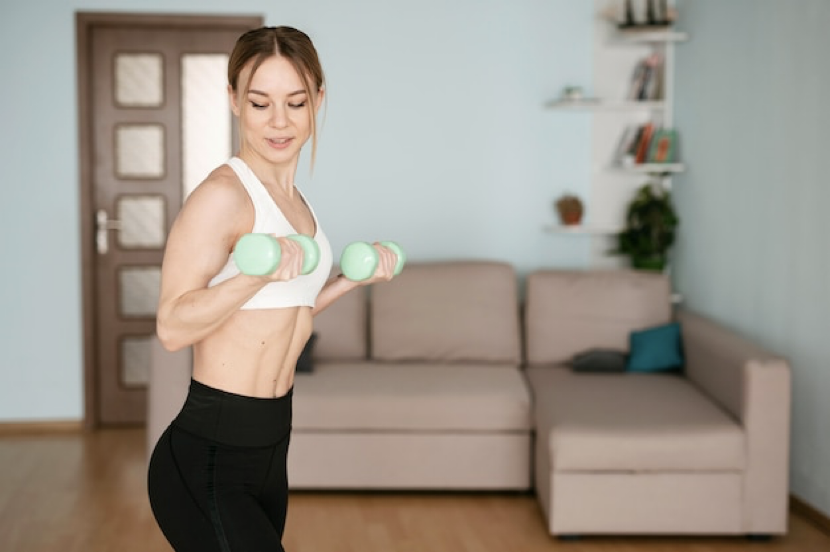
Cardiovascular disease (CVD) is a leading cause of morbidity and mortality worldwide, affecting millions of people, particularly as they age. While both men and women are at risk, recent research suggests that women may significantly benefit from exercise in reducing their risk of developing cardiovascular issues—potentially lowering their risk by twice the amount as men. Understanding the implications of this finding can empower women to prioritize physical activity as a vital component of their health regimen.The Importance of ExerciseExercise is widely recognized as a cornerstone of cardiovascular health. Regular physical activity strengthens the heart muscle, improves circulation, and helps maintain a healthy weight—factors that are crucial in preventing CVD. While the benefits of exercise are well-documented for both genders, emerging evidence indicates that women may experience a more pronounced protective effect against heart disease.Hormonal InfluencesOne potential reason for the differential impact of exercise on cardiovascular health between men and women lies in hormonal differences. Estrogen, which is more prevalent in women, has protective cardiovascular effects. It helps maintain healthy blood vessels and reduces cholesterol levels. However, as women age and estrogen levels decline, particularly during and after menopause, their risk for heart disease increases. Engaging in regular exercise can help mitigate some of these risks, potentially leading to more significant reductions in CVD risk compared to men.Research FindingsRecent studies have highlighted that women who engage in regular physical activity may cut their risk of developing heart disease by an impressive amount. For instance, a study published in the Journal of the American College of Cardiology found that women who exercised regularly were able to lower their cardiovascular risk significantly more than their male counterparts. The mechanisms behind this may include better weight management, improved blood pressure regulation, and enhanced lipid profiles among women who exercise consistently.Types of Beneficial ExerciseNot all forms of exercise are created equal when it comes to cardiovascular health. Both aerobic and strength-training activities play a crucial role, but aerobic exercises—such as walking, running, cycling, and swimming—are particularly effective in improving cardiovascular fitness.1. Aerobic Exercise: Engaging in at least 150 minutes of moderate-intensity aerobic exercise each week can lead to substantial cardiovascular benefits. This could include brisk walking, jogging, or group fitness classes.2. Strength Training: Incorporating strength-training exercises at least twice a week can also enhance cardiovascular health. Building muscle helps improve metabolism and supports better insulin sensitivity, contributing to overall heart health.3. Flexibility and Balance: Activities like yoga and Pilates, while not traditionally regarded as cardiovascular exercises, can improve overall physical function and reduce stress, which is also beneficial for heart health.Making Exercise a PriorityFor women looking to lower their cardiovascular risk, making exercise a priority is essential. Here are some practical tips to integrate physical activity into daily routines:1. Set Realistic Goals: Start with achievable goals, such as walking 10 minutes a day, and gradually increase duration and intensity.2. Find Enjoyable Activities: Whether it’s dancing, hiking, swimming, or joining a sports team, engaging in activities you love makes it easier to stick with an exercise routine.3. Incorporate Movement into Daily Life: Simple changes, like taking the stairs instead of the elevator or walking during lunch breaks, can significantly increase daily activity levels.4. Social Support: Exercising with friends or family can boost motivation and make workouts more enjoyable. Consider joining group classes or community sports leagues.5. Listen to Your Body: It’s essential to pay attention to your body’s signals. Start slow, especially if you’re new to exercise, and consult a healthcare provider if you have existing health concerns.