


Women May Benefit From Exercise in Reducing Risk of Cardiovascular Issues
Cardiovascular disease (CVD) is a leading cause of morbidity and mortality worldwide, affecting millions of people, particularly as they age. While both men and women are at risk, recent research suggests that women may significantly benefit from exercise in reducing their risk of developing cardiovascular issues—potentially lowering their risk by twice the amount as men. Understanding the implications of this finding can empower women to prioritize physical activity as a vital component of their health regimen.
The Importance of Exercise
Exercise is widely recognized as a cornerstone of cardiovascular health. Regular physical activity strengthens the heart muscle, improves circulation, and helps maintain a healthy weight—factors that are crucial in preventing CVD. While the benefits of exercise are well-documented for both genders, emerging evidence indicates that women may experience a more pronounced protective effect against heart disease.
Hormonal Influences
One potential reason for the differential impact of exercise on cardiovascular health between men and women lies in hormonal differences. Estrogen, which is more prevalent in women, has protective cardiovascular effects. It helps maintain healthy blood vessels and reduces cholesterol levels. However, as women age and estrogen levels decline, particularly during and after menopause, their risk for heart disease increases. Engaging in regular exercise can help mitigate some of these risks, potentially leading to more significant reductions in CVD risk compared to men.
Research Findings
Recent studies have highlighted that women who engage in regular physical activity may cut their risk of developing heart disease by an impressive amount. For instance, a study published in the Journal of the American College of Cardiology found that women who exercised regularly were able to lower their cardiovascular risk significantly more than their male counterparts. The mechanisms behind this may include better weight management, improved blood pressure regulation, and enhanced lipid profiles among women who exercise consistently.
Types of Beneficial Exercise
Not all forms of exercise are created equal when it comes to cardiovascular health. Both aerobic and strength-training activities play a crucial role, but aerobic exercises—such as walking, running, cycling, and swimming—are particularly effective in improving cardiovascular fitness.
1. Aerobic Exercise: Engaging in at least 150 minutes of moderate-intensity aerobic exercise each week can lead to substantial cardiovascular benefits. This could include brisk walking, jogging, or group fitness classes.
2. Strength Training: Incorporating strength-training exercises at least twice a week can also enhance cardiovascular health. Building muscle helps improve metabolism and supports better insulin sensitivity, contributing to overall heart health.
3. Flexibility and Balance: Activities like yoga and Pilates, while not traditionally regarded as cardiovascular exercises, can improve overall physical function and reduce stress, which is also beneficial for heart health.
Making Exercise a Priority
For women looking to lower their cardiovascular risk, making exercise a priority is essential. Here are some practical tips to integrate physical activity into daily routines:
1. Set Realistic Goals: Start with achievable goals, such as walking 10 minutes a day, and gradually increase duration and intensity.
2. Find Enjoyable Activities: Whether it’s dancing, hiking, swimming, or joining a sports team, engaging in activities you love makes it easier to stick with an exercise routine.
3. Incorporate Movement into Daily Life: Simple changes, like taking the stairs instead of the elevator or walking during lunch breaks, can significantly increase daily activity levels.
4. Social Support: Exercising with friends or family can boost motivation and make workouts more enjoyable. Consider joining group classes or community sports leagues.
5. Listen to Your Body: It’s essential to pay attention to your body’s signals. Start slow, especially if you’re new to exercise, and consult a healthcare provider if you have existing health concerns.
Conclusion
The evidence suggests that women can significantly reduce their risk of cardiovascular disease through regular exercise—potentially doubling the protective benefits compared to men. Embracing a physically active lifestyle not only enhances heart health but also improves overall well-being, including mental health and quality of life. By prioritizing physical activity, women can take crucial steps toward safeguarding their cardiovascular health and leading healthier, more active lives.

Mysterious “Ghost Ships” in the Baltic Sea
Many secrets are held within the vast and mysterious body of water that is the Baltic Sea, between Europe's northern coasts. Its greatest unknowns, however, are the "ghost ships", abandoned and coasting slowly across its waters with deteriorating hull planks beneath them and silent decks bathed by unwavering moonlight. These are the spooky relics of an era that's long past, these echoes from times forgotten bear witness to human folly and extinctions (both literal and otherwise) but also time itself—in matters & worlds.Overview of the Ghost ShipsWhen even the most battle hardened sailor first stakes eyes on a ghost ship it sends chills down their spine. A bit more beguiling are the derelict ships, typically freighters or fishing boats gone to seed, ghostlike and woebegone with broken windows that have crumbled into filigrees of crushed glass; paint peeling away in brittle shards beneath winds gusting along constricted openings between condemned warehouses crowded together harbor side as rigging sags where it tangles over ribs etched dark against rust-eaten skins. They floated along with the currents, engines muted as if steered by ghosts.The loss of life on the MV Estonia was near 900 Ghost ship, some of them are for sure well-known from the Baltic like Swe. The wreckage is decaying deep at the bottom of the sea, but its ghost lingers, seen as a haunting beacon or maritime tragedy. But the Estonia is only one among many. The other ghost ships, the ones we do not sing songs about, drift uncharted; ghosts lost to time.Reasons to the Ghost ShipsWhy these ships were abandoned is anyone's guess, and like the vessels themselves it could be any of ten-lost reasons. Others were wrecked in storms and never had their crew come to shore again. In other cases, they were taken by pirates or crashed due to mechanical breakdown. The rest were abandoned in dry docks where they slowly rotted, relics of the maritime industry that built and then quit on them.As time goes by, these ghost ships get older and in worst conditions. Their wooden decks rot and their metal frames rust. Their cracks become homes to sea creatures, their hulls overgrown with algae. Now and then their thinned bodies wash ashore in fossil parts, scavenged by the waves for strangers perusing or native fishermen.Effects from Ghost ShipsBesides the large number of these abandoned ships and dwindling sailing stock, they cause significant adverse environmental effects. Oil & other impurities can seep into the water which then decreases in value and is harmful to marine life. The ships themselves may also be hazards to navigation for other vessels. Then there is the aesthetic and emotional cost those floating tombs present; a constant symbol of human suffering.There are attempts to clear the Baltic Sea of these ghost ships. However, the work is overwhelming and requires enormous resources. Until then, these ghostly remains keep wandering around the sea with their stories buried beneath the ocean surface for someone to enlighten.ConclusionThe Baltic Sea ghost ships are a little more than empty hulls. They are human history chiseled in granite, victories and defeats etched on the stone of hundreds of thousands of lives lived. In all the ghosts that sail these waters of ancient sea we must remind us this; in what they are telling grows a fragility to human endeavor and how critical remembering is on our way forward.

Ho Chi Minh City: Fun of Motorcycles
In the east of the world, there is a country famous for its special culture, long history and rich natural landscapes which is called Vietnam. However, in the south of Vietnam, a city called Ho Chi Minh City leaves all the travelers profound impressions with its unique pace and vigor. Ho Chi Minh City, formerly known as Saigon, got its name from a Vietnam's revolutionary leader. It not only carries the profound history, but also contains a myriad of motorcycles all over the city corners, which is such a fun attracts travelers.Overview of the CityWhen stepping into Ho Chi Minh City, the only thing first comes into you eyes is the motorcycles all over the streets like rivers and tides. The motorcycles go across the narrow roads, sometimes crowd into a group, sometime separate into spots, consisting a vivid scenery line of the city. In Ho Chi Minh City, motorcycles are not only the media of transportation but also a lifestyle of the ordinary people and labors to make livings, even a cultural mark. They integrate into the daily lives of citizens, becoming an indispensable part in Ho Chi Minh.Why There Are Lots of MotorcyclesEarly in the morning, when the first sunlight go through the windows and wakes up the whole city, the workers on motorcycles are ready to start. The labors, students, merchants and so on, almost everyone possesses a motor. There are differences in motors, such as the shape, size, color, decoration and function, but the only common thing is that they are all fast and quick, which makes them go across the crowded streets freely and liberally without the annoyance of being blocked by the traffic jams. For the citizens in Ho Chi Minh, possessing a motorcycle is more than anything.What Can Travelers DoWhile for the visitors, experiencing a motorcycle in person is undoubtedly the best way to explore Ho Chi Minh City. Rent a motorcycle, put your helmet on, ride across the city streets and roads, you will discover that a lot o stories are hidden in these streets. From busy Van wu Street to the quiet Saigon post office, from the lively unified Palace to the artistic museum of war relics, you can feel every detail of the city in person on the motorcycle.In the meantime, there is one thing you need to think over that how to keep balanced when riding a motorcycle and how to make right decisions when facing complex road situation are important for the beginners. However, it is this kind of challenge that makes the motorcycle more exciting and interesting. You will get a sense of success after escaping a sudden vehicle and going across the narrow streets nimbly every time, which is incomparable by any transportation.ConclusionTo conclude, in Ho Chi Minh City, embracing the mess of motorcycles is embracing the soul of the city. The motorcycles in Ho Chi Minh is not only a way for commuting, but also a cultural experience, and even an attitude towards life. Here is an energetic and inclusive land that offers you excitement and freedom and profound thoughts on yourself, your life, your dream and your future. In this era full of challenges and opportunities, everyone is writing their own stories in their own way. The motorcycles in Ho Chi Minh City is the most vivid and distinct of these stories.
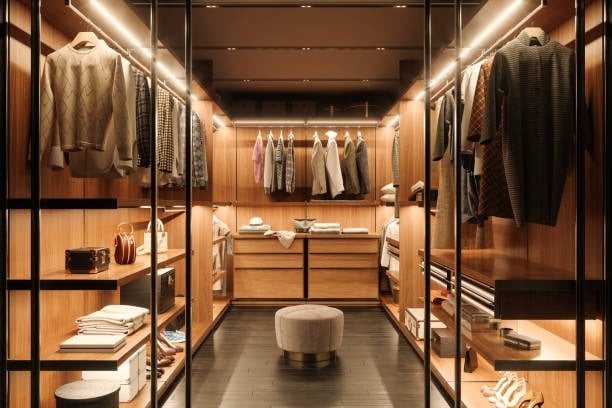
Enhancing Wardrobe Storage Space with Hanging Rods for Improved Quality of Life
Struggling to find a solution for your overflowing wardrobe?It's time to think outside the box and maximize your wardrobe storage space effectively. One practical and efficient method is to incorporate hanging rods into your closet organization.To make the most out of your wardrobe space, consider the following detailed suggestions and specific dimension recommendations for creating an efficient and organized closet:Assess your wardrobe: Before implementing any changes, take the time to assess your wardrobe and its contents. Determine the types of clothing you own, their respective sizes, and the frequency of use. This will help you plan the layout and dimensions of your hanging rods accordingly.Multi-level hanging: Utilize multi-level hanging rods to optimize vertical space. For shirts, blouses, and lighter garments, a hanging rod height of 38-42 inches (96-107 cm) from the floor is ideal, while longer hanging garments such as dresses and coats should have a higher rod at around 66-69 inches (168-175 cm) from the floor. This allows for efficient use of space and easy access to different types of clothing.

5 Ways Lead to Increase Happiness and Improve Mood Through Exercise
Exercise is often touted for its physical benefits, but its impact on mental well-being is equally significant. Numerous studies have shown that regular physical activity can lead to increased happiness and improved mood. Here are five key ways that exercise can elevate your happiness levels and enhance your overall quality of life.Release of EndorphinsOne of the primary ways exercise boosts happiness is through the release of endorphins, often referred to as "feel-good" hormones. These natural chemicals are produced by the body during physical activity and act as natural painkillers and mood elevators. When you engage in activities like running, cycling, or even brisk walking, your body releases endorphins, leading to what many call the "runner's high." This euphoric feeling can create a lasting sense of well-being, reducing feelings of stress and anxiety.Tips for Maximizing Endorphin Release:Choose Aerobic Activities: High-intensity exercises, such as running or dancing, are particularly effective at boosting endorphin levels.Consistency is Key: Regular exercise, even for short periods, can help maintain elevated endorphin levels over time.Reduced Stress and AnxietyExercise acts as a powerful stress reliever. When you engage in physical activity, your body undergoes various physiological changes that help combat stress. For instance, exercise increases heart rate and improves circulation, which can enhance the body’s ability to manage stress. Additionally, it encourages the production of neurotransmitters like serotonin, which help regulate mood and anxiety.Strategies to Reduce Stress Through Exercise:Incorporate Mindfulness Practices: Activities like yoga or tai chi combine physical movement with mindfulness, helping to reduce stress and promote relaxation.Set Realistic Goals: Avoid the stress of unrealistic expectations by setting achievable fitness goals that align with your lifestyle.Improved Sleep QualityRegular physical activity can significantly improve sleep quality, which is crucial for overall happiness. Exercise helps to regulate sleep patterns and can lead to deeper, more restorative sleep. Better sleep not only enhances mood but also improves cognitive function and emotional resilience.How to Use Exercise to Sleep Better:Time Your Workouts Wisely: Aim to finish vigorous workouts at least a few hours before bedtime to allow your body to wind down.Establish a Routine: Incorporating exercise into your daily routine can help set a consistent schedule, promoting better sleep.Social ConnectionsExercise can also foster social connections, which are vital for emotional well-being. Whether you join a gym, participate in group classes, or take up sports, exercising with others can provide a sense of community and belonging. Social interactions during physical activities can lead to friendships, support systems, and shared experiences, all of which contribute to increased happiness.Ways to Enhance Social Connections Through Exercise:Join a Class or Club: Look for local fitness classes, running clubs, or sports leagues to meet new people.Exercise with Friends or Family: Invite loved ones to join you for workouts, turning exercise into a fun, social activity.Boosted Self-Esteem and ConfidenceRegular exercise can lead to improved physical fitness, which often translates into enhanced self-esteem and body image. Achieving fitness goals, whether big or small, can provide a sense of accomplishment that boosts confidence. This newfound self-assurance can spill over into other areas of life, creating a positive feedback loop that enhances overall happiness.Tips for Building Confidence Through Exercise:Track Your Progress: Keep a journal or use fitness apps to monitor your achievements, helping you stay motivated and recognize your progress.Celebrate Milestones: Acknowledge and celebrate your accomplishments, no matter how small, to reinforce your self-confidence.
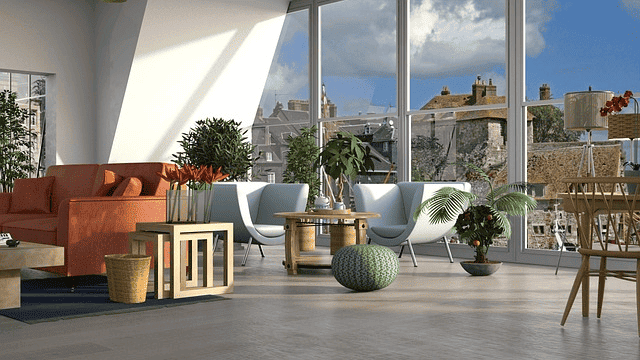
Furniture Trends of 2025: Design Meets Intelligence
Furniture is no longer simply an object of functionality or en aesthetics, it has become an intelligent, adaptive, and sustainable extension of our living space. The directions influencing the furniture design of this year indicate a combination of pioneering technology, environmental responsibility, and a continued personalized approach. When self-adjusting ergonomic chairs and modular pieces that change as families do, 2025’s furniture is built to merge with our ever-evolving lifestyles.1.Smart, AI-poweredHere, the most striking change is towards smart, AI-powered furniture. Consider a sofa that changes its firmness to match the shape of your body, or a dining table that is also a wireless charging station and an interactive display. Several companies, including Ikea and Herman Miller, have already released AI-infused pieces that memorize human taste over time, fine-tuning both comfort and energy efficiency. Beds these days have sleep-tracking sensors, ones that regulate temperature and firmness during the night, while desks gently remind users to stand or stretch after too much time seated. The line between furniture and tech is beginning to know no bounds as furniture is not just lived in, but responsive to human life.2.SustainabilitySustainability is still at the heart of design, but in 2025 it extends beyond use of recycled materials. Now, circular design is the norm; brands emphasize furniture that can be broken down for recycling, repair or upcycling. Biodegradable options such as mycelium (mushroom-based foam) and algae-based plastics for example replacing the synthetic and giving the same durability without the guilt of damaging the environment. Even high-end designers are getting on board with “zero-waste” production, in which offcuts find new life as entirely new products. Consumers are more and more attracted to furniture with a clear lifecycle, knowing where the materials came from, how they were made and how they can be responsibly disposed of.3.Modular and MultifunctionalOther trends appeal to urban dwellers and small-space living, such as modular and multifunctional furniture. As the cost of real estate surges, these designs are compact, but flexible. There are guest beds that double as couches, coffee tables that hinge up toward a working height and storage units that mount to the wall and adjust to your needs. Companies such as Resource Furniture and Ori (a robotics and design company) are leading the way in minimizing space while maximizing style. The premise is the simple one on which we all fantasize but seldom deliver, that furniture should be as agile as life at its most inconstant, whether that is while working from home on a whim or hosting a surprise house guest for the night.4.MinimalismThe aesthetic in 2025 runs to warm minimalism and biophilic design. Neutral earthy palettes — think soft terracottas, warm beiges and deep greens — prevail, resulting in tranquil, nature-inspired interiors. Furniture silhouettes are more flowing, with rounded corners and natural textures that play on the idea of comfort and calm. Indoor-outdoor living is also on the rise, and weather-resistant materials are keeping pieces as comfortable on a sunlit patio as in a cozy living room.5.CustomizedThe customized experience up a notch. And the rise of 3D printing and on-demand manufacturing means the customer today can design his or her own furniture, picking everything from a fabric pattern to the style of legs. Brands provide digital configurators that enable people to see their creations in augmented reality before buying. This change not only limits overproduction, but allows each piece to narrate a personal story.We can’t predict the future, but in 2025, furniture will no longer be static — it’s intelligent, and a living part of our daily routine. From AI integration to sustainable innovation to adaptive design, the industry is rewriting the rule book for what it is to furnish a home. The future of furniture isn’t only about filling up space; it’s about improving the way we live, one smart, sustainable and beautifully designed object at a time.