


Ceuta: The Spanish Territory in North Africa
A small sliver of land on the north coast of Africa, Ceuta is one few remaining remnants (along with another Spanish enclave there and some islands off Morocco) from centuries when Europe's reach extended into Africa. A castle in the desert, Ceuta steeps itself not just in its geographical splendor but also a cacophony of cultural influences which all together had been woven through centuries into an autonomous city.
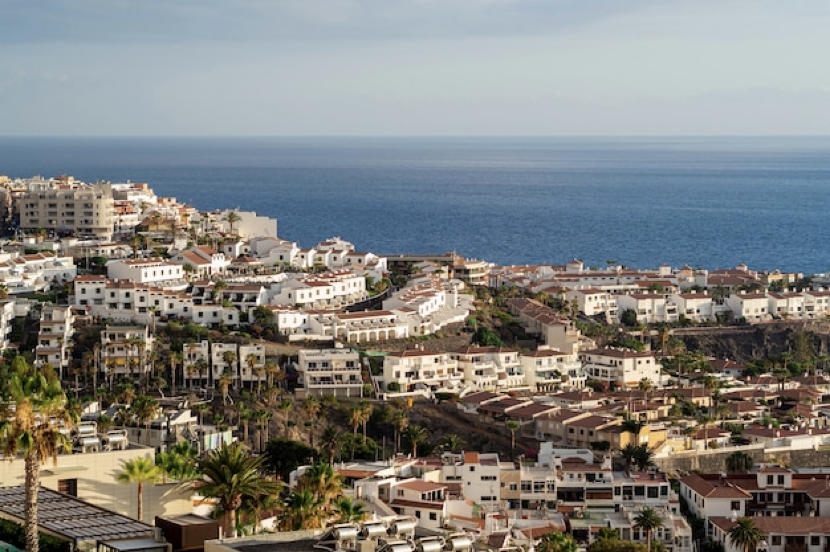
Location of Ceuta
Ceuta is on the Strait of Gibraltar, sharing a 6.4-mile border with Morocco to its south and east, while facing Spain across the sea to its north; it also lies near European transshipment routes for many sub-Saharan migrants that have climbed over or swum into Ceuta from May 2001 through August 2015. The enclave measures just 18.5 square kilometers, so it is one of the smallest territories in Spain. Ceuta, due to its location is rather small but that´s no less strategic which explains the many empires who wanted Ceuta.
History of Ceuta
Ceuta has a long and turbulent historical past. This city, which was founded by the Phoenicians and later became a Roman colony. Subsequently (and over the next 230 years), it was seized by vandals, who were then followed by the Byzantines before coming under control of Islamic Umayyad dynasts. It became an important center of trade and culture under the Moorish domination. The Portuguese gained official control over Ceuta in 1415, through the Reconquista, though it was taken by Spain from Portugal in 1580 and never again returned to its original owner.
Ceuta became a Spanish territory after the signing of Treaty of Fez with Morocco in 1906. This makes Spain, the Spanish Government as an essential part of Western Europe convicted country Ceuteser colony. The outcome has been a specialization: Ceuta is not only Europe's doorstep, but also sparks controversy regarding international relations between Spain and Morocco.
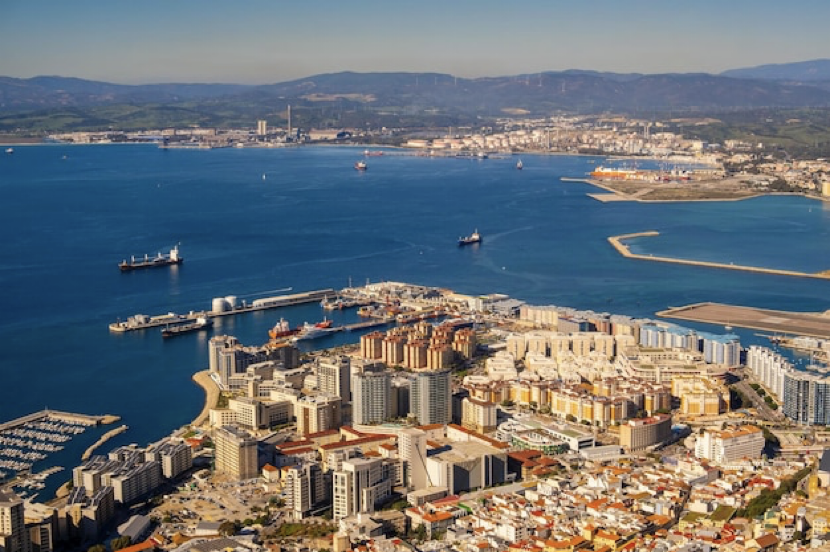
Culture of Ceuta
In terms of culture, its aesthetic is an amalgamation of Spanish, Moroccan and Andalusie. Official languages are Spanish and Tarifit, which belongs to the Berber group of dialects indigenous in Rif. Similarly, the architecture of Ceuta shows this mix with an old town (the, in the typical Moroccan style) and new areas having European influences.
Ceuta is an economic free port that no duties of any kind are performed, as well reflects business and trade from around the world. Given the unique position of Schengen, it is also an essential crossroads in Europe for imports and exports between both continents. A tourism hub, the city enjoys a popular seaside and offers historical locations while also serving as unique Spanish exclave in Africa.
But Ceuta, which is a Spanish territory on the north coast of Africa, has faced its share of problems. Its border with Morocco has long been a source of tension, and frequently the focus of disputes over migration and smuggling. In modern times, Ceuta has presented a special challenge but it is also prove of an implicit policy in which Spain remains one finger on Africa with Tanger as nowadays the gateway to Europe
Conclusion
To conclude, Ceuta is a unique example of the interplay between history, geography and culture in shaping an unusual territory. Eladio attests that hindsight is powerful: The fact that Ceuta remains a Spanish city in North Africa today upon reflecting shows the power of history, and, by default, it makes international politics so complex. Ceuta sits on a sprawling continent, where humanity and history are at large even within the rigid boundaries of territory — ever in flux as she made more so.

Container Homes: A Modern Housing Revolution
There are smart homes and then there are shipping containers that have been converted into homes, and this installation brings both of these concepts into one sexy green package. But as with any housing option, they present their own host of issues and challenges.Advantages1.Eco-friendlinessThese out-of-the-box abodes use retired shipping containers, sparing the need for conventional building materials such as bricks and wood which would otherwise be used to build homes, and thus having a positive effect on the environment. And because containers are modular, you can create some very fun and space-saving designs, all made to your specifications.2.Cost-effectivenessContainer homes tend to cost you less financially than traditional houses, and that's very much due to the cost of materials. The steel construction of shipping containers is strong and able to hold up to harsh weather and these structures require less maintenance over the years. What’s more, construction is often speedier due to the fact that the basic framework is there already, containers just need modifying and stacking on top of each other.3.Mobility and FlexibilityThese homes will appeal to anyone looking for a minimalist or nomadic lifestyle, but will also be suitable to become remodeled to be portable so the owner can move, but not have to leave their dwelling. This is especially attractive to Digital Nomads, Adventurers, and people needing temporary housing.Things to Consider Before Building a Container Home1.Local Codes and PermitsContainer homes are not code in every place. In some jurisdictions limitations on building or lot size, zoned uses, and changes to structure or insulation are also permitted. Before breaking ground, it’s also important to check with local authorities for any necessary permits.2.Insulation and Temperature RegulationSteel is also a good conductor, so in the summer your containers could easily overheat and in the winter they can feel like freezers. For comfort and energy efficiency, it is crucial that your garage is properly insulated. There are also options to use spray foam, panel insulation, or even eco-friendly materials like sheep’s wool.3.Structural ModificationsIt is necessary to cut the doors and windows when cut into the door and window or more than three products are combined with welding and strengthening to keep the good energy saving effect and the overall firmness of the product. Better not call these professionals. the life of the home may be in danger.4.Space LimitationsNormal freight containers are quite narrow, usually only 8 feet wide. Space can be well-utilized with creative designs, although the compact layout may feel too confining for some accustomed to larger homes. Multi-container setups or vertical scaling can be used to overcome this challenge.5.Rust and CorrosionBecause containers are typically for maritime use, if exposed to moisture for extended periods of time, they can develop rust. Even the latest protective coatings must be applied to ensure protection from deterioration.6.Short Supply of Grade ContainersThere are so many used containers that are not in good conditions. Some may have been exposed to chemicals or excessive use during shipment. Container condition and potential hazardous substances inspection is paramount and should be done prior to acquisition.The FutureAs sustainable living becomes more popular, container homes continue to be popular. Advanced modular design, energy-saving retrofitting, and smart home technology will make prefabs even more attractive. Authorities and urban planners may also mimic container architecture in affordable housing such as solving the world housing shortage.ConclusionContainer homes are a great alternative to traditional living spaces and have provided homes to thousands of people looking to own their own little slice of life. But, they take some careful planning to deal with issues like insulation and structural changes and regulations. Where others find these macabre, the option to live a self-sufficient and off-the-grid mountain dream is worth considering. These homes may become a very viable option for those concerned about the environment, and those who are budget-conscious, as technology and design continue to improve.

Tailoring Fitness and Nutrition: Why Women Need a Different Way
When it comes to health and wellness, the adage "one size fits all" simply doesn't apply. Men and women have different physiological makeups, hormonal balances, and health needs, which means that their approaches to exercise and nutrition should be distinct. Understanding these differences is crucial for optimizing health outcomes and achieving fitness goals.The differences between men and women extend beyond the obvious physical characteristics. Women tend to have higher body fat percentages, different muscle distributions, and unique nutritional needs due to their menstrual cycles, childbearing capabilities, and hormonal fluctuations. This article delves into why women need to exercise and eat differently than men and provides guidance on how to do so effectively.Energy Requirements and Macronutrient BalanceWomen generally have lower energy requirements than men due to differences in size and muscle mass. However, the quality of calories consumed is just as important, if not more so. Women should focus on a balanced diet that includes:Protein: Essential for muscle repair and maintenance, but also crucial for hormone production and bone health.Fiber: Supports digestion, heart health, and blood sugar control.Healthy Fats: Necessary for hormone production and can help regulate appetite.Hormonal ConsiderationsWomen's hormonal cycles can significantly impact their energy levels, mood, and body composition. Consuming a diet rich in complex carbohydrates, lean proteins, and healthy fats can help stabilize blood sugar levels and minimize mood swings associated with hormonal fluctuations.Bone HealthWomen are at a higher risk of developing osteoporosis due to lower bone density. Weight-bearing exercises such as walking, jogging, and resistance training can help strengthen bones. Additionally, a diet rich in calcium and vitamin D is essential for maintaining bone health.Cardiovascular HealthWhile both men and women can benefit from cardiovascular exercise, women may need to focus more on low-impact activities to protect against joint injuries. Swimming, cycling, and elliptical training are excellent options that provide heart-healthy benefits without excessive stress on the joints.Strength TrainingStrength training is essential for women to combat age-related muscle loss and improve overall metabolism. However, women may benefit from a higher focus on full-body, compound exercises that target multiple muscle groups at once, such as squats, lunges, and deadlifts.Flexibility and BalanceAs women age, maintaining flexibility and balance becomes increasingly important to prevent injuries and improve overall quality of life. Incorporating yoga, Pilates, or regular stretching into a fitness routine can significantly improve flexibility and core strength.Nutritional TimingWomen may need to pay closer attention to nutritional timing, especially if they are engaging in intense workouts or sports. Replenishing glycogen stores post-workout and consuming protein to aid muscle recovery is crucial.Prenatal and Postnatal CareFor women who are pregnant or nursing, nutritional needs change dramatically. It's vital to consume adequate calories, protein, and essential nutrients like folic acid, iron, and calcium to support both maternal and fetal health.
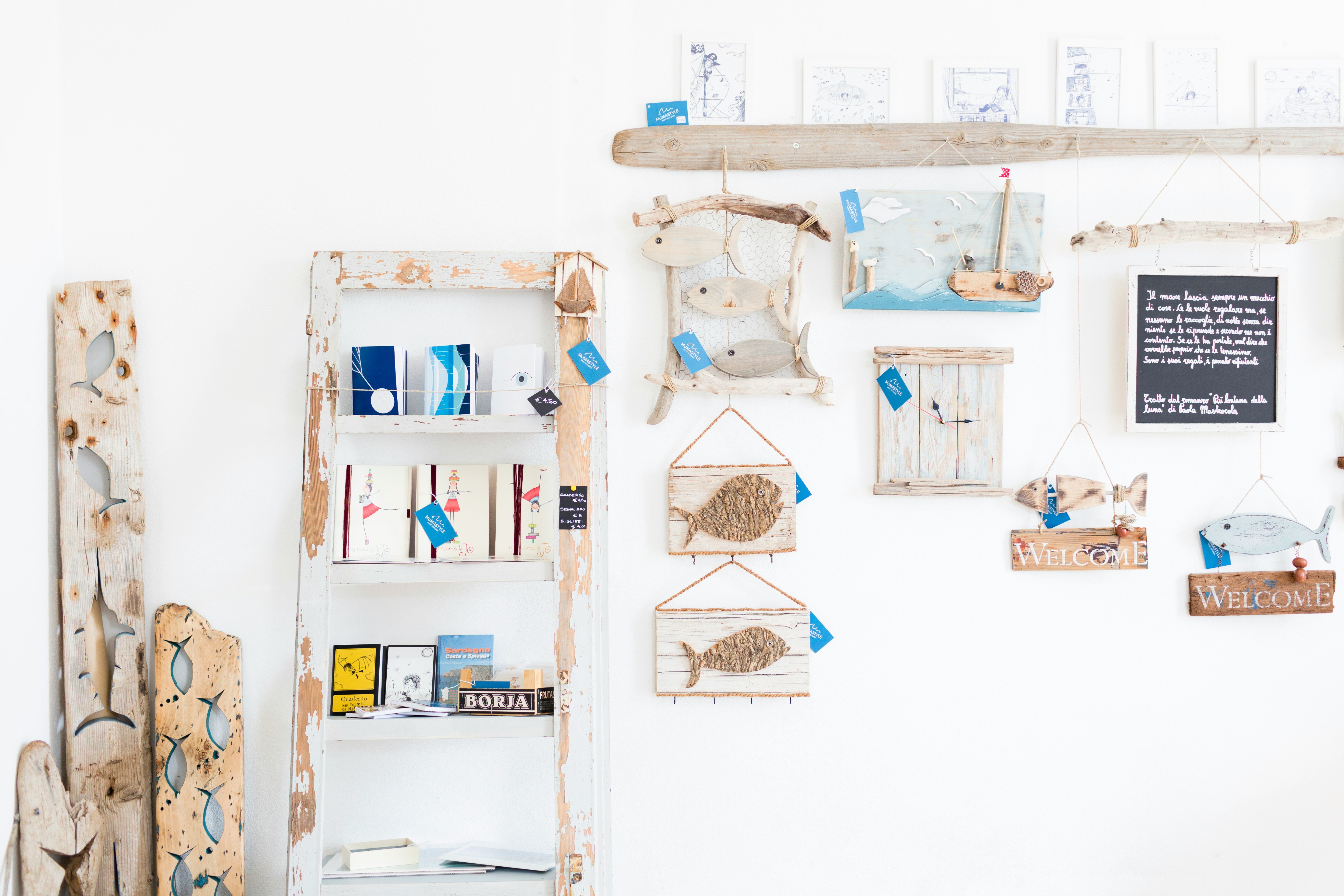
Practical Tips for Indoor Wall Decoration: A Guide for Clients
When it comes to interior design, one of the most impactful elements is wall decoration.Walls provide the canvas for your creativity and set the tone for the entire space. Whether you're looking to create a cozy atmosphere, make a bold statement, or simply add a touch of elegance, the way you decorate your walls can make a huge difference. To help you navigate the world of indoor wall decoration, here are some practical tips and suggestions to consider when selecting the perfect wall decor for your home.Choose the Right Color Scheme: The color of your walls can greatly influence the overall mood and ambiance of a room. Opt for colors that complement the existing furniture and decor in the space. Neutral tones like white, beige, and gray create a clean, versatile backdrop, while bold colors like navy blue, emerald green, or mustard yellow can make a statement and add depth to the room.Incorporate Texture and Dimension: Play with different textures and materials to add depth and interest to your walls. Consider using wallpaper with a unique pattern, textured paint, or adding wall panels for a modern touch. Mix and match different textures to create a visually appealing and dynamic space.Artwork and Wall Decor: Artwork is a great way to showcase your personality and style on your walls. Choose pieces that resonate with you and complement the overall design aesthetic of the room. Mix and match different sizes and types of artwork to create a gallery wall or focal point that serves as a conversation starter.

Elevate Your Workout Experience: How to Choose the Perfect Pair of Sports Earphones
Are you looking for a pair of earphones that can keep up with your active lifestyle? Look no further! Choosing the right sports earphones can make a significant difference in how you experience your workouts. Here are some innovative tips to help you select the perfect pair:Comfort is Key: Opt for sports earphones that offer a comfortable and secure fit. Look for earphones with customizable ear tips or ear hooks to ensure a snug fit that stays in place even during intense physical activities.Stay in the Zone: Consider sports earphones with excellent sound quality and noise isolation capabilities. This will help you stay focused and motivated during your workout by immersing you in your favorite music without any distractions.Make a Splash: If you engage in activities that involve sweat or water, choose sports earphones that are sweat-proof and water-resistant. This will ensure that your earphones remain in top condition despite the sweat and moisture.

Find Your Freedom in These European Islands
In the modern life which is pushing in a faster pace than ever, finding a place that canget away from almost everyone and enjoy ourselves is a luxurious desire. However, the Europe offers us the opportunity. There are myriads of beautiful and wonderful islands in Europe, which can be an ideal travel resort and reach your goal of staying away from the noise of metropolises. Here are several peaceful islands in Europe worth visiting.Skye, ScotlandThe Skye Island which situates in Scotland is notable for its splendid natural views. Mysterious castles, rugged mountains and the glamorous coast lines seduce a myriad of travelers who are keen on hiking, adventure and photographing all over the world. Although this treasure island is known by more and more visitors, Skye island is still keeping its unique and precious quietness, especially in the summer night. A number of romantic and fantastic pictures and photos are made here, if you love sunrise or sunset, the beaches in Skye island will not let you down.Brač, CroatiaCroatia is well known by a group of people mainly because of Croatian Rhapsody, another terrific treasure should not be ignored as well, the Brač island. The island is a perfect wonderland help you get rid of the atmosphere of cities, the beaches gain their fame for the special shapes and fascinate multitudinous people who love aquatic sports. Although there are towns in the island, numerous peaceful and quite corners can still be found for you to enjoy sunlight, sea wave and warm hearts. Further more, the island is also a historic resort, which is also a heaven suitable for those visitors who love both cultural and natural environments.Åland Islands, FinlandAs the minority of countries that can see polar lights easily and considered to be one of the nations whose citizens have the happiest live standard, Finland become a dreamland for a multitude of people. One more marvelous thing is that an island in Finland can be so incredible. Åland Islands are little islands between Finland and Sweden, the original residents there live mainly for farming and fishing with a slow paced live. If you travel to Åland Islands, you get the chance to ride bicycles, walk alone and enjoy the peaceful beaches, which make you feel what is called the genuine, true and authentic liberal lifestyle. With affluent historic relics such as ancient castles and churches, Åland Islands are the places that always make people be reluctant to say good bye.Corfu, GreeceLocated in Greece, Corfu island is a beautiful wonderland prestigious for its clear sea and fascinating mountains. Although the island serves for a number of travelers ever summer, there are still remote beaches and villages remain to discover with primitive charm. In Corfu island, you can unlock the joy of exploring lanes, paying a visit to ancient churches and canteens that possess Greek traditions and savoring quiet atmosphere. Anyway, the incredible scenery and the friendliness of local people are the reasons that you must come here.ConclusionThese are the islands in Europe that offer us a choice to escape from the busy lives. No matter you want to feel the quietness of the nature or learn the local culture, they are all nice options for your next itinerary.