


Tailoring Fitness and Nutrition: Why Women Need a Different Way
When it comes to health and wellness, the adage "one size fits all" simply doesn't apply. Men and women have different physiological makeups, hormonal balances, and health needs, which means that their approaches to exercise and nutrition should be distinct. Understanding these differences is crucial for optimizing health outcomes and achieving fitness goals.
The differences between men and women extend beyond the obvious physical characteristics. Women tend to have higher body fat percentages, different muscle distributions, and unique nutritional needs due to their menstrual cycles, childbearing capabilities, and hormonal fluctuations. This article delves into why women need to exercise and eat differently than men and provides guidance on how to do so effectively.

Energy Requirements and Macronutrient Balance
Women generally have lower energy requirements than men due to differences in size and muscle mass. However, the quality of calories consumed is just as important, if not more so. Women should focus on a balanced diet that includes:
Protein: Essential for muscle repair and maintenance, but also crucial for hormone production and bone health.
Fiber: Supports digestion, heart health, and blood sugar control.
Healthy Fats: Necessary for hormone production and can help regulate appetite.
Hormonal Considerations
Women's hormonal cycles can significantly impact their energy levels, mood, and body composition. Consuming a diet rich in complex carbohydrates, lean proteins, and healthy fats can help stabilize blood sugar levels and minimize mood swings associated with hormonal fluctuations.
Bone Health
Women are at a higher risk of developing osteoporosis due to lower bone density. Weight-bearing exercises such as walking, jogging, and resistance training can help strengthen bones. Additionally, a diet rich in calcium and vitamin D is essential for maintaining bone health.
Cardiovascular Health
While both men and women can benefit from cardiovascular exercise, women may need to focus more on low-impact activities to protect against joint injuries. Swimming, cycling, and elliptical training are excellent options that provide heart-healthy benefits without excessive stress on the joints.
Strength Training
Strength training is essential for women to combat age-related muscle loss and improve overall metabolism. However, women may benefit from a higher focus on full-body, compound exercises that target multiple muscle groups at once, such as squats, lunges, and deadlifts.

Flexibility and Balance
As women age, maintaining flexibility and balance becomes increasingly important to prevent injuries and improve overall quality of life. Incorporating yoga, Pilates, or regular stretching into a fitness routine can significantly improve flexibility and core strength.
Nutritional Timing
Women may need to pay closer attention to nutritional timing, especially if they are engaging in intense workouts or sports. Replenishing glycogen stores post-workout and consuming protein to aid muscle recovery is crucial.
Prenatal and Postnatal Care
For women who are pregnant or nursing, nutritional needs change dramatically. It's vital to consume adequate calories, protein, and essential nutrients like folic acid, iron, and calcium to support both maternal and fetal health.

Conclusion
The path to optimal health and fitness is not the same for everyone, and women's unique physiological and hormonal needs demand a tailored approach. By focusing on a balanced diet, engaging in activities that support bone health and cardiovascular fitness, and incorporating strength training and flexibility exercises, women can achieve their health goals more effectively. Understanding these differences and adjusting exercise and nutrition plans accordingly can lead to better performance, improved health outcomes, and a more satisfying fitness journey.

Tips for Providing Complete Home Furnishing Advice to Users
When it comes to furnishing a home, it's not just about filling the space with furniture and decor pieces; it's abouTo provide users with comprehensive advice on home furnishing, it's essential to consider various aspects that go beyond just aesthetics. Here are some innovative tips to help you guide users in transforming their houses into dream homes:Understand User Needs: Before offering advice on home furnishing, take the time to understand the user's lifestyle, preferences, budget, and space constraints. Tailoring recommendations to their specific requirements will ensure a more personalized and impactful furnishing plan.Embrace Versatility: Suggest furniture and decor pieces that are versatile and multifunctional. Opt for items that can serve multiple purposes or be easily reconfigured to adapt to changing needs. This approach not only maximizes space but also promotes sustainability and practicality.Mix and Match: Encourage users to combine different styles, textures, and colors to create a visually interesting and dynamic space. Mixing old and new elements, blending contrasting patterns, and experimenting with bold accents can add depth and character to their home decor.

Flying Business Class Is Not a Dream
Flying business class is something that is a dream for a lot of travelers, given the added comfort, better service, and overall pleasurable experience associated with it. But the cost can feel out of reach. But with some strategy and smart tips, you can fly business class for less than you might think.1.Book Early or Last MinuteIt’s possible — booking your flight many months in advance can often net a better deal on business class tickets. Most airlines make available only a handful of discounted seats at first. On the flip side, last-minute deals can be gold. Airlines will occasionally discount prices on the few remaining business class seats close to departure. If you have flexibility with your travel dates, your chances of finding a bargain will be that much higher.2.Travel by Using Your Frequent Flyer Miles and PointsJoin the airline loyalty programs and utilize co-branded credit cards to rack up points when you spend on daily items. Many airlines offer substantial sign-up bonuses that can add up to a business class ticket fairly quickly. Also, if you have flexible reward points like Chase Ultimate Rewards or American Express Membership Rewards, find out whether transferring points to an airline partner would yield better value than redeeming them that way.3.Discover Error Fares and Special PromotionsSometimes airlines mess up when pricing tickets, and you end up with a steeply discounted business class fare. Specialist sites such as Secret Flying and Airfarewatchdog are set up for doing this kind of work on error fares. Also, look for special promotions and sales. Airlines frequently have sales, particularly during slower travel periods where the discounts on business class tickets can be significant.4.Look for Alternate Airports and RoutesSometimes, taking off or landing at alternative airports has cheaper business class prices. If you’re heading to Europe, for instance, you might fly into a major hub like London or Frankfurt and then hop on a budget airline to your final destination. Likewise, indirect flights with layovers tend to be cheaper than non-stop routes. It can take longer, but the savings can be significant.5.Upgrade with Cash or MilesIf an outright business class ticket is just too expensive, look at buying an economy ticket and upgrading. You can offer to pay for an upgrade, or use miles to book a better seat on many airlines. Follow upgrade offers as your departure date draws closer. Airlines may reduce the cash or miles necessary to fill leftover business class seats.6.Travel in Off-Peak TimesBusiness class seat demand also varies throughout the year. The off-peak travel seasons, like late in winter or early in fall, generally come with a lower price tag. Avoiding major holidays and school vacation periods is also a good way to find cheaper fares. In addition, flights in the mid-week, compared to the weekends, are much cheaper.7.Book Through Travel Agencies and ConsolidatorsTravel agencies and ticket consolidators sometimes have access to discounted business class fares not available to the general public. These companies buy tickets in bulk and can save you a ton of money. Do your homework, though, and comparison shop — the myriad of agencies you can find online vary widely in terms of cost and quality.8.Look for Budget AirlinesCertain airlines are notorious for having lower business class fares. Airlines like Turkish Airlines, Qatar Airways, and Etihad tend to offer superb value, for example. Inspire yourself and new destination ideas through your favourite airlines. Newer airlines or airlines that expand their route offerings may also provide introductory savings to reach new customers.9.Be Flexible and PersistentHow do you get a cheap business class ticket? Monitor airline websites, create fare alerts and be prepared to book when you see a good price. If you’re flexible, to be patient and make it work, you’ll get rewarded down the line.So there we have it, with frequent flyer miles, keeping an eye out for promotions, and being flexible with your travel plans, you can score business class seats without the business class price tag.
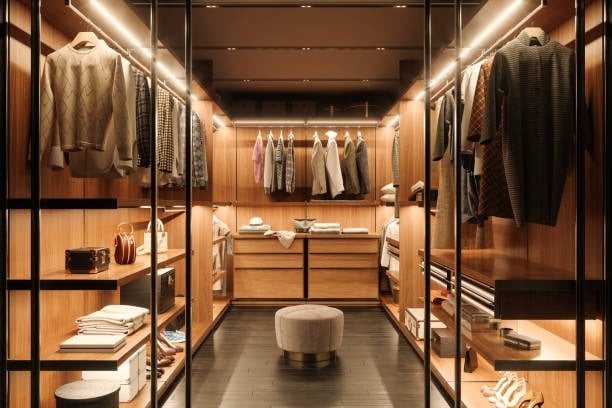
Enhancing Wardrobe Storage Space with Hanging Rods for Improved Quality of Life
Struggling to find a solution for your overflowing wardrobe?It's time to think outside the box and maximize your wardrobe storage space effectively. One practical and efficient method is to incorporate hanging rods into your closet organization.To make the most out of your wardrobe space, consider the following detailed suggestions and specific dimension recommendations for creating an efficient and organized closet:Assess your wardrobe: Before implementing any changes, take the time to assess your wardrobe and its contents. Determine the types of clothing you own, their respective sizes, and the frequency of use. This will help you plan the layout and dimensions of your hanging rods accordingly.Multi-level hanging: Utilize multi-level hanging rods to optimize vertical space. For shirts, blouses, and lighter garments, a hanging rod height of 38-42 inches (96-107 cm) from the floor is ideal, while longer hanging garments such as dresses and coats should have a higher rod at around 66-69 inches (168-175 cm) from the floor. This allows for efficient use of space and easy access to different types of clothing.

Senior Housing Choices: Finding CCRCs, Villages and Cohousing
The perfect home for seniors has never been more important as people the world over live longer than ever before. Older adults today want living options that provide not just comfort and safety, but also community, independence and the ability to access care when it's needed. Knowledge of these options can allow seniors and their families the opportunity to make informed decisions for the future.1.Continuing Care Retirement CommunitiesA CCRC is a facility with many levels of care that are housed within the same campus. Residents generally begin in independent living, with private apartments or cottages, social activities and amenities like fitness centers and dining halls. And, as their health care needs shift, they can move easily to assisted living or more intensive skilled nursing care without being forced to pack. This philosophy of “continuum of care” provides comfort in the knowledge that medical and personal assistance is there when needed. Entry fees and monthly fees are typically used to finance them, making CCRCs a substantial investment. But for those who value long-term security and ease of living, this choice brings stability and great care across the various phases of aging.2.VillageIn comparison, the Village movement is all about assisting the elderly in aging in place in their own homes and communities. Villages are nonprofit, member-driven organizations that provide older adults with access to services, volunteers and social activities. With an annual membership fee, members are entitled to resources such as transportation, home-related repairs and social events, promoting a close community while remaining independent. Unlike CCRCs, Villages themselves don't offer medical care, but they're known to partner with local health organizations who can offer assistance. This model is perfect for the seniors who are very attached to their homes and their neighborhoods but require more help and social engagement as they get older. The Village movement is ballooning, especially in urban and suburban areas, where it allows seniors to continue living in the same communities without upending their lives.3.CohousingAnother emerging alternative and trend is Cohousing, a customized living arrangement in which seniors can share common areas and still live independently. Cohousing is unique from typical retirement communities in that it's specifically designed to facilitate interaction, with shared kitchens, gardens, and common spaces. There's strong community involvement, and residents take part in decision-making and often meet for communal meals and activities. This model holds particular appeal for those who value sustainability, social connection and belonging. Although cohousing generally does not offer professional care services, some facilities offer a wellness program, or contract with home healthcare agencies. It can provide an ideal mix of independence and community for seniors who want an active, interdependent lifestyle but don't want the retirement home feel of an institutional setting.The best senior housing option depends on specific needs, whether it is guaranteed care focused on your parents or neighborhood support or a senior community with close integration or a shared living experience. For those who expect to one day require medical help, a CCRCs offer a comprehensive, “nothing left out” lifestyle pattern. Villages are places where you can age in place, with social and practical support; cohousing creates deep links among people who are like-minded. In an ever changing society, these models show that retirement living no longer has to equate with loneliness or loss of autonomy.In the end, it is a personal choice when one considers factors such as monetary considerations and the kind of life they would prefer to have. Through CCRCs, Villages, Cohousing and other options, older adults can also discover a living arrangement that is in line with the way they wish to livee, one that provides comfort, community, and the appropriate level of care as they begin their journey into the next chapter of their lives.

How to Skillfully Arrange Soft Furniture in a Limited Space
In modern life, especially in cities, space is often a precious resource.For many families, how to skillfully arrange soft furniture in a limited space is an important challenge. This article will discuss how to maximize the use of space through reasonable design and layout.First of all, the proper planning and layout of the room is crucial. Before placing soft furniture, it is necessary to clarify the function and needs of the room. For example, if the room is mainly used for rest and relaxation, it may need some comfortable sofas, chairs and beds; If the room is mainly used for work and study, it may need some practical desks, chairs and bookshelves.2.Choose the right sizeIn a limited space, choosing the right furniture size is key. Oversized furniture can take up too much space and make people feel depressed; And too small furniture will appear incongruous, affecting the overall beauty. Therefore, it is necessary to choose the right furniture size according to the size and shape of the room. At the same time, you can also choose some multi-functional, adjustable furniture, such as foldable, movable sofas and beds, as well as detachable, assemblable wardrobes and shelves.3.The use of space heightWhen placing soft furniture, you can use the height of the space to maximize the use of space. For example, the bed frame can be designed with a storage function, and the bed can be used to store clothes, books and other items; Or design the height of the sofa slightly higher than the general level, and set up lockers or drawers under the sofa to store items such as clutter or books.4. Keep the space transparentWhen placing soft furniture, it is necessary to maintain the permeability of the space and avoid the feeling of repression and cramped. Therefore, the placement and direction of the furniture need to be reasonably planned to avoid blocking the passage and Windows, and to maintain the smooth and open sense of the space. At the same time, you can also enhance the sense of space by choosing transparent or light-colored furniture.