


Senior Housing Choices: Finding CCRCs, Villages and Cohousing
The perfect home for seniors has never been more important as people the world over live longer than ever before. Older adults today want living options that provide not just comfort and safety, but also community, independence and the ability to access care when it's needed. Knowledge of these options can allow seniors and their families the opportunity to make informed decisions for the future.
1.Continuing Care Retirement Communities
A CCRC is a facility with many levels of care that are housed within the same campus. Residents generally begin in independent living, with private apartments or cottages, social activities and amenities like fitness centers and dining halls. And, as their health care needs shift, they can move easily to assisted living or more intensive skilled nursing care without being forced to pack. This philosophy of “continuum of care” provides comfort in the knowledge that medical and personal assistance is there when needed. Entry fees and monthly fees are typically used to finance them, making CCRCs a substantial investment. But for those who value long-term security and ease of living, this choice brings stability and great care across the various phases of aging.

2.Village
In comparison, the Village movement is all about assisting the elderly in aging in place in their own homes and communities. Villages are nonprofit, member-driven organizations that provide older adults with access to services, volunteers and social activities. With an annual membership fee, members are entitled to resources such as transportation, home-related repairs and social events, promoting a close community while remaining independent. Unlike CCRCs, Villages themselves don't offer medical care, but they're known to partner with local health organizations who can offer assistance. This model is perfect for the seniors who are very attached to their homes and their neighborhoods but require more help and social engagement as they get older. The Village movement is ballooning, especially in urban and suburban areas, where it allows seniors to continue living in the same communities without upending their lives.

3.Cohousing
Another emerging alternative and trend is Cohousing, a customized living arrangement in which seniors can share common areas and still live independently. Cohousing is unique from typical retirement communities in that it's specifically designed to facilitate interaction, with shared kitchens, gardens, and common spaces. There's strong community involvement, and residents take part in decision-making and often meet for communal meals and activities. This model holds particular appeal for those who value sustainability, social connection and belonging. Although cohousing generally does not offer professional care services, some facilities offer a wellness program, or contract with home healthcare agencies. It can provide an ideal mix of independence and community for seniors who want an active, interdependent lifestyle but don't want the retirement home feel of an institutional setting.

The best senior housing option depends on specific needs, whether it is guaranteed care focused on your parents or neighborhood support or a senior community with close integration or a shared living experience. For those who expect to one day require medical help, a CCRCs offer a comprehensive, “nothing left out” lifestyle pattern. Villages are places where you can age in place, with social and practical support; cohousing creates deep links among people who are like-minded. In an ever changing society, these models show that retirement living no longer has to equate with loneliness or loss of autonomy.
In the end, it is a personal choice when one considers factors such as monetary considerations and the kind of life they would prefer to have. Through CCRCs, Villages, Cohousing and other options, older adults can also discover a living arrangement that is in line with the way they wish to livee, one that provides comfort, community, and the appropriate level of care as they begin their journey into the next chapter of their lives.
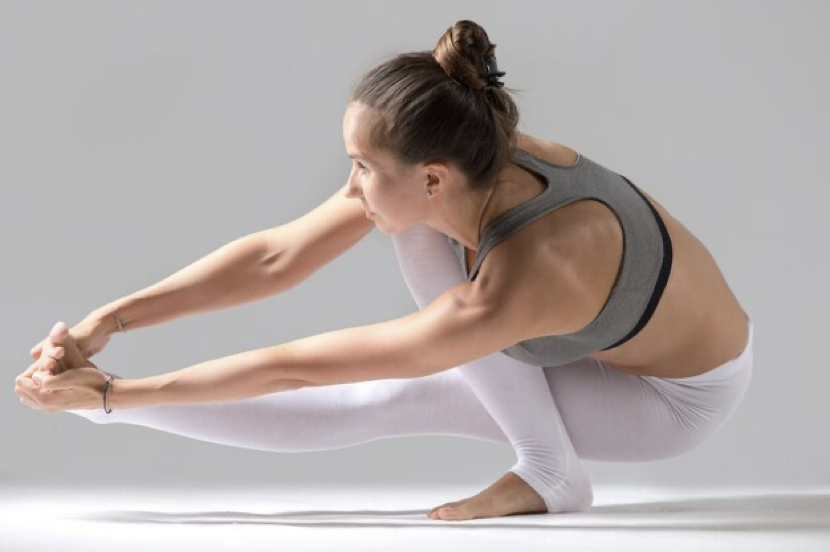
Embracing Flexibility: The Health Benefits and Pathways to Increased Flexibility
Flexibility is a fundamental component of physical fitness that often takes a back seat to cardiovascular endurance and strength training. However, the importance of flexibility should not be underestimated. Flexibility refers to the range of motion in a joint or group of joints and the ability of muscles and tendons to stretch effectively. Embracing flexibility not only enhances physical performance but also offers a myriad of health benefits that contribute to overall well-being. In this article, we delve into the significance of flexibility, its health advantages, and practical ways to improve and maintain flexibility in daily life.The Health Benefits of Flexibility1. Injury PreventionOne of the primary benefits of flexibility is its role in injury prevention. When muscles and tendons are flexible, they are better equipped to handle stress and strain during physical activities. Improved flexibility reduces the risk of muscle strains, ligament sprains, and other common injuries, especially during activities that require sudden or extreme movements.2. Improved PostureFlexibility plays a crucial role in maintaining proper posture. Tight muscles can pull the body out of alignment, leading to poor posture and a host of associated issues such as back pain, neck pain, and headaches. By enhancing flexibility in key muscle groups, individuals can improve their posture and reduce the likelihood of developing chronic postural problems.3. Enhanced Range of MotionIncreased flexibility translates to an expanded range of motion in joints, allowing for more fluid and efficient movement. This is particularly beneficial for athletes, dancers, and individuals engaged in physical activities that require a wide range of motion. A greater range of motion not only improves performance but also enhances overall mobility and agility.4. Stress ReliefFlexibility exercises, such as yoga and stretching, promote relaxation and stress relief. Stretching helps release tension in muscles, alleviate tightness, and promote circulation, leading to a sense of physical and mental relaxation. Incorporating flexibility exercises into a daily routine can contribute to stress reduction and improved mental well-being.5. Joint HealthMaintaining flexibility is essential for joint health and function. Flexible muscles and tendons help support the joints, reducing the risk of joint pain, stiffness, and degenerative conditions such as osteoarthritis. By preserving joint mobility through flexibility exercises, individuals can enhance joint health and longevity.How to Improve Flexibility1. Stretching ExercisesIncorporate regular stretching exercises into your fitness routine to improve flexibility. Dynamic stretches before exercise help warm up the muscles, while static stretches after exercise help lengthen and relax the muscles. Focus on stretching major muscle groups such as the hamstrings, quadriceps, calves, shoulders, and back.2. Yoga and PilatesParticipating in yoga or Pilates classes can significantly enhance flexibility, strength, and balance. These mind-body practices combine stretching exercises with strengthening movements to improve overall flexibility and body awareness. Attending regular classes led by experienced instructors can help individuals progress in their flexibility journey.3. Foam RollingFoam rolling is a self-myofascial release technique that helps release muscle tightness and improve flexibility. By using a foam roller to apply pressure to specific muscle groups, individuals can reduce muscle tension, increase blood flow, and enhance flexibility. Incorporate foam rolling into your post-workout routine to aid in muscle recovery and flexibility maintenance.4. Stay HydratedProper hydration is essential for maintaining muscle elasticity and joint lubrication, both of which are vital for flexibility. Drinking an adequate amount of water throughout the day helps keep muscles hydrated and supple, supporting flexibility and reducing the risk of muscle cramps and stiffness.5. Consistency is KeyImproving flexibility is a gradual process that requires consistency and dedication. Set aside time each day for stretching and flexibility exercises, and gradually increase the intensity and duration of your stretches as your flexibility improves. Be patient with yourself and celebrate small milestones along the way.
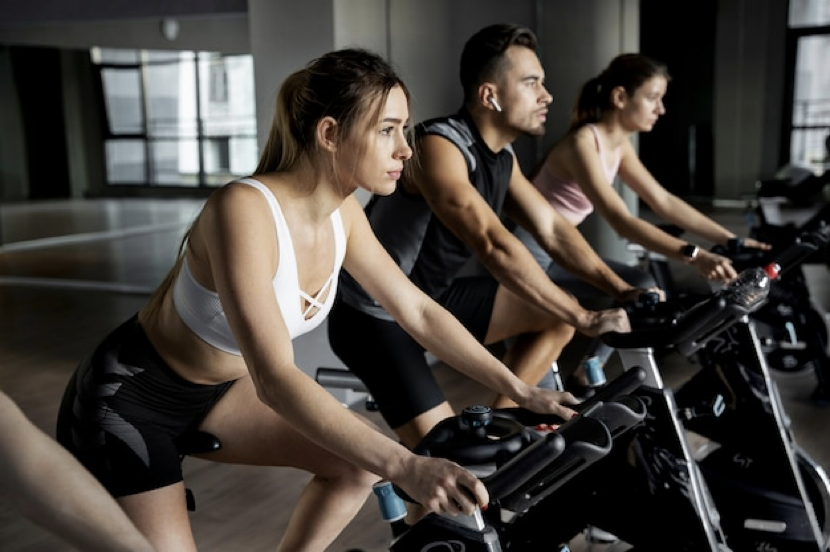
Tailoring Fitness and Nutrition: Why Women Need a Different Way
When it comes to health and wellness, the adage "one size fits all" simply doesn't apply. Men and women have different physiological makeups, hormonal balances, and health needs, which means that their approaches to exercise and nutrition should be distinct. Understanding these differences is crucial for optimizing health outcomes and achieving fitness goals.The differences between men and women extend beyond the obvious physical characteristics. Women tend to have higher body fat percentages, different muscle distributions, and unique nutritional needs due to their menstrual cycles, childbearing capabilities, and hormonal fluctuations. This article delves into why women need to exercise and eat differently than men and provides guidance on how to do so effectively.Energy Requirements and Macronutrient BalanceWomen generally have lower energy requirements than men due to differences in size and muscle mass. However, the quality of calories consumed is just as important, if not more so. Women should focus on a balanced diet that includes:Protein: Essential for muscle repair and maintenance, but also crucial for hormone production and bone health.Fiber: Supports digestion, heart health, and blood sugar control.Healthy Fats: Necessary for hormone production and can help regulate appetite.Hormonal ConsiderationsWomen's hormonal cycles can significantly impact their energy levels, mood, and body composition. Consuming a diet rich in complex carbohydrates, lean proteins, and healthy fats can help stabilize blood sugar levels and minimize mood swings associated with hormonal fluctuations.Bone HealthWomen are at a higher risk of developing osteoporosis due to lower bone density. Weight-bearing exercises such as walking, jogging, and resistance training can help strengthen bones. Additionally, a diet rich in calcium and vitamin D is essential for maintaining bone health.Cardiovascular HealthWhile both men and women can benefit from cardiovascular exercise, women may need to focus more on low-impact activities to protect against joint injuries. Swimming, cycling, and elliptical training are excellent options that provide heart-healthy benefits without excessive stress on the joints.Strength TrainingStrength training is essential for women to combat age-related muscle loss and improve overall metabolism. However, women may benefit from a higher focus on full-body, compound exercises that target multiple muscle groups at once, such as squats, lunges, and deadlifts.Flexibility and BalanceAs women age, maintaining flexibility and balance becomes increasingly important to prevent injuries and improve overall quality of life. Incorporating yoga, Pilates, or regular stretching into a fitness routine can significantly improve flexibility and core strength.Nutritional TimingWomen may need to pay closer attention to nutritional timing, especially if they are engaging in intense workouts or sports. Replenishing glycogen stores post-workout and consuming protein to aid muscle recovery is crucial.Prenatal and Postnatal CareFor women who are pregnant or nursing, nutritional needs change dramatically. It's vital to consume adequate calories, protein, and essential nutrients like folic acid, iron, and calcium to support both maternal and fetal health.
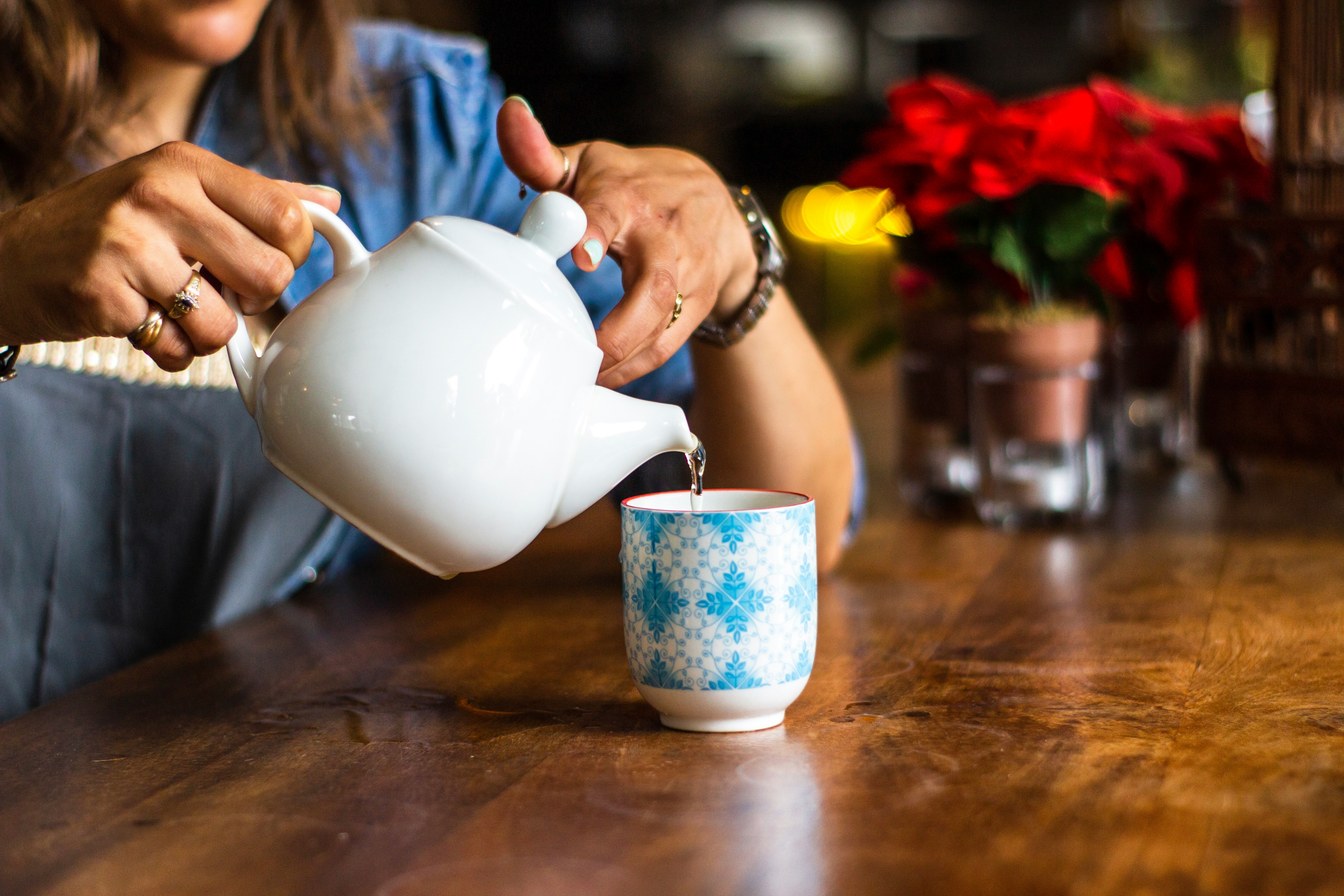
How Different Tea Cups Affect the Taste of Tea and Their Practical Uses in Daily Life
In this article, we will explore the influence of different tea cups on the taste of tea and discuss the practical uses of cups made from various materials in daily life.Influence of Different Tea Cups on Tea Taste:The material and shape of the tea cup can affect the aroma, temperature, and flavor of the tea. For example, porcelain or ceramic cups are preferred for delicate teas like green or white tea as they retain heat well and allow the aroma to develop. On the other hand, glass cups are suitable for enjoying the visual aspects of blooming teas, while clay cups are believed to enhance the flavor of certain types of oolong teas due to their porous nature and ability to absorb the tea's essence. Additionally, the shape and thickness of the cup's rim can also impact how the tea lands on the palate, affecting the overall taste perception.Practical Uses of Cups Made from Different Materials in Daily Life:Porcelain/Ceramic Cups: Besides being ideal for tea drinking, porcelain or ceramic cups are also versatile for serving coffee, hot chocolate, or even as stylish pen holders or small planters for succulents on desks and shelves.Glass Cups: Glass cups are not only perfect for appreciating the color and visual appeal of teas but can also be repurposed as elegant candle holders or flower vases, adding sophistication to any room.

Is It Illegal to Post a "For Sale" Sign in a Car?
First, we need to understand the background to this regulation. With the increasingly strict urban traffic management and the standardization of vehicle management, some places begin to pay attention to the cleanliness and unity of vehicle appearance. In this context, placing private signs or advertisements on Windows or car bodies is considered a disturbance to public order and is therefore included in the category of violations.So, how exactly is this rule enforced? According to the relevant regulations, any unauthorized postingor painting of advertisements or signs on vehicles will be considered illegal. This means that neither individuals nor businesses can post "for sale" signs in prominent locations such as car windows and car bodies. The implementation of this regulation covers private cars, taxis, trucks and other types of vehicles.The response to this regulation varies among different groups of people. Some owners and used car dealers say they sell their vehicles quickly by posting "for sale" signs, which is a proven practice. Now this regulation has left them feeling confused about how to legally promote their vehicles. While other citizens expressed support for the regulation, they believe that the cleanliness and unity of the appearance of vehicles is an important part of the image of the city and should be maintained.

A Comprehensive Guide to Snowboarding Gear for Beginners
Snowboarding is an exhilarating sport that combines the thrill of speed, the beauty of snow-covered landscapes, and the joy of gliding.For beginners looking to embark on this exciting journey, having the right gear is crucial for their success and enjoyment on the snow. In this guide, we will explore the essential equipment and tools that snowboarding beginners need.Snowboard and BindingsThe most essential piece of gear for a snowboarder is, of course, the snowboard itself. For beginners, it is recommended to choose a shorter, more flexible snowboard as they are easier to control. Look for boards designed specifically for beginners, focusing on stability and forgiveness. Ensure that the bindings can be properly secured to your snowboard boots, providing the necessary support and safety while snowboarding.Snowboard BootsSnowboard boots are a crucial component of your gear, directly impacting your comfort and control on the slopes. Choose boots that fit snugly but not too tight, providing the necessary support and responsiveness for your snowboarding. Consider renting or investing in high-quality snowboard boots that match your skill level and foot shape.Snowboard GogglesProper eye protection is essential while snowboarding to shield against the glare of the snow and wind. Invest in snowboard goggles with UV protection, anti-fog features, and a wide field of view to enhance your vision and protect your eyes from snow, wind, and sunlight.HelmetSafety should always be a top priority in any winter sport, and snowboarding is no exception. A properly fitted, high-quality helmet is crucial for protecting your head from injury in the event of a fall or collision. Look for a helmet with adjustable ventilation to control temperature and consider modern designs with integrated technology for increased safety and comfort.