


Embracing Flexibility: The Health Benefits and Pathways to Increased Flexibility
Flexibility is a fundamental component of physical fitness that often takes a back seat to cardiovascular endurance and strength training. However, the importance of flexibility should not be underestimated. Flexibility refers to the range of motion in a joint or group of joints and the ability of muscles and tendons to stretch effectively. Embracing flexibility not only enhances physical performance but also offers a myriad of health benefits that contribute to overall well-being. In this article, we delve into the significance of flexibility, its health advantages, and practical ways to improve and maintain flexibility in daily life.
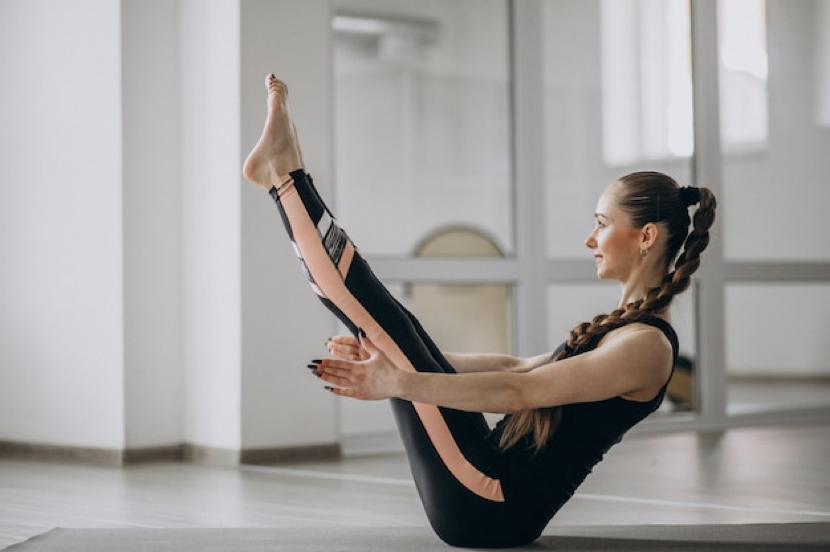
The Health Benefits of Flexibility
1. Injury Prevention
One of the primary benefits of flexibility is its role in injury prevention. When muscles and tendons are flexible, they are better equipped to handle stress and strain during physical activities. Improved flexibility reduces the risk of muscle strains, ligament sprains, and other common injuries, especially during activities that require sudden or extreme movements.
2. Improved Posture
Flexibility plays a crucial role in maintaining proper posture. Tight muscles can pull the body out of alignment, leading to poor posture and a host of associated issues such as back pain, neck pain, and headaches. By enhancing flexibility in key muscle groups, individuals can improve their posture and reduce the likelihood of developing chronic postural problems.
3. Enhanced Range of Motion
Increased flexibility translates to an expanded range of motion in joints, allowing for more fluid and efficient movement. This is particularly beneficial for athletes, dancers, and individuals engaged in physical activities that require a wide range of motion. A greater range of motion not only improves performance but also enhances overall mobility and agility.
4. Stress Relief
Flexibility exercises, such as yoga and stretching, promote relaxation and stress relief. Stretching helps release tension in muscles, alleviate tightness, and promote circulation, leading to a sense of physical and mental relaxation. Incorporating flexibility exercises into a daily routine can contribute to stress reduction and improved mental well-being.
5. Joint Health
Maintaining flexibility is essential for joint health and function. Flexible muscles and tendons help support the joints, reducing the risk of joint pain, stiffness, and degenerative conditions such as osteoarthritis. By preserving joint mobility through flexibility exercises, individuals can enhance joint health and longevity.
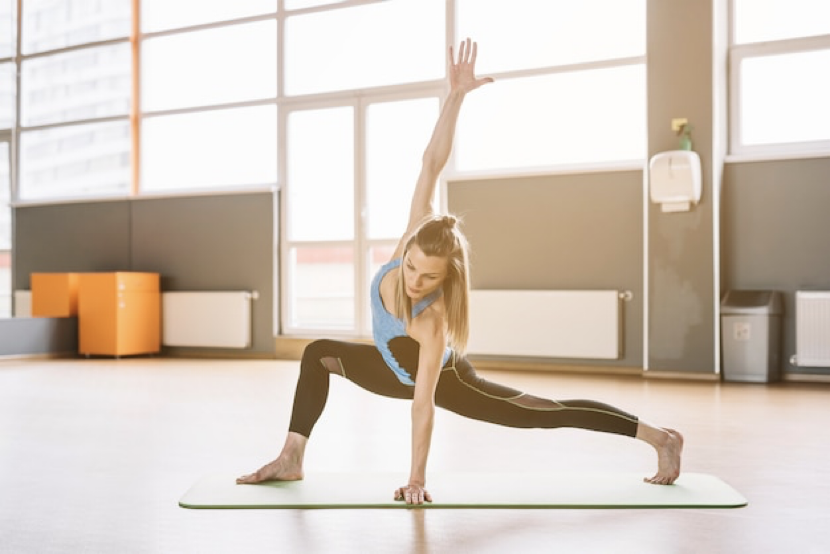
How to Improve Flexibility
1. Stretching Exercises
Incorporate regular stretching exercises into your fitness routine to improve flexibility. Dynamic stretches before exercise help warm up the muscles, while static stretches after exercise help lengthen and relax the muscles. Focus on stretching major muscle groups such as the hamstrings, quadriceps, calves, shoulders, and back.
2. Yoga and Pilates
Participating in yoga or Pilates classes can significantly enhance flexibility, strength, and balance. These mind-body practices combine stretching exercises with strengthening movements to improve overall flexibility and body awareness. Attending regular classes led by experienced instructors can help individuals progress in their flexibility journey.
3. Foam Rolling
Foam rolling is a self-myofascial release technique that helps release muscle tightness and improve flexibility. By using a foam roller to apply pressure to specific muscle groups, individuals can reduce muscle tension, increase blood flow, and enhance flexibility. Incorporate foam rolling into your post-workout routine to aid in muscle recovery and flexibility maintenance.
4. Stay Hydrated
Proper hydration is essential for maintaining muscle elasticity and joint lubrication, both of which are vital for flexibility. Drinking an adequate amount of water throughout the day helps keep muscles hydrated and supple, supporting flexibility and reducing the risk of muscle cramps and stiffness.
5. Consistency is Key
Improving flexibility is a gradual process that requires consistency and dedication. Set aside time each day for stretching and flexibility exercises, and gradually increase the intensity and duration of your stretches as your flexibility improves. Be patient with yourself and celebrate small milestones along the way.

Conclusion
In conclusion, flexibility is a cornerstone of physical health and well-being, offering a host of benefits that extend beyond mere physical performance. By prioritizing flexibility through regular stretching, yoga, Pilates, and other flexibility-enhancing practices, individuals can improve their posture, prevent injuries, enhance range of motion, alleviate stress, and promote joint health. Embrace flexibility as an integral component of your fitness routine and enjoy the numerous advantages it brings to your overall health and quality of life.

Cairo’s Evolving Under the Egyptian Mysteries
Cairo, the capital of Egypt, is a metropolis full of energy and vigor and combines the ancient relics perfectly with modern lifestyles. As the center of Egypt in politics, culture and economy, Cairo is not only a city with a large population, but also a destination of interest attracts millions of visitors to travel every year all around the world. Here are some key places of interest in Cairo.The Great Pyramid of Giza and the SphhinxAs one of the seven miracles in the world, the pyramids are the exhibitions of the constructing specialty and immorality of ancient Egyptians. The pyramids, which locate in the suburbs of Cairo, have a long history more than four thousand years among which the largest one is called Khufu Pyramid. And we also know the every bottom of a pyramid lies the Sphhinx which symbolizes the power and wisdom of Pharaoh. Exploring pyramid is just like a travel across time, how incredible the products are! If you plan to visit at night, one more nice activity you can enjoy is the son et lumiere, which brings mysterious atmosphere to these ancient miracles.Egyptian MuseumSituated in the center of Cairo, the Egyptian Museum is a treasure house of cultural relics, telling the Egyptian history comprehensively from BC dynasties to Greek Roman era. More then 120,000 relics are reserved here, including mummies, sarcophagus, pottery, jewelry and Tutankamun's treasure. The title of most attractive one must go to Tutankhamon's Golden Mask and the Royal Mummy Room. The Egyptian Museum make it easier for you to get to know the depth, profoundness, faith, arts and daily lives of Egyptian civilization. Never miss royal mummy room where you can see the greatest Egyptian mummy of Pharaoh face to face.Khan Harley FairAs a major open-air market in Cairo Islamic District, Khan Harley is more than a market, it is also a fair and a historic and cultural landmark. Establish in 14th century, the fair is a maze consisted by narrow alleys whose main products are all kinds of traditional Egyptian crafts, spices, perfumes, jewelry, and souvenirs. It is also famous for cafe and drink bar, including the prestigious EI Fishawi’s Cafe which has a long history more than two hundred years. Visiting Khan Harley Fair offers you a totally different experience, you can feel the vigorous business, crafts, and community life.Saladin CastleBuilt on the top of Mount Moqatam, Saladin Castle is a meaningful fortress with history and military. It was built eight hundred years ago, aiming to protect Cairo from being attacking by the Crusades. It has a different meaning in Egyptian history, including being the residency of royal families and military. The castle complex includes the Muhammad Ali Mosque whose style is mainly Ausman. Through the castle’s windows, the whole look of Cairo runs into your eyes, especially in Sunset times, you can witness the golden light of Cairo and listen to the voice of prayers tanglingConclusionThese historic relics not only show the culture of Cairo, but also witness the evolving of development of this metropolis. Weather you are a scholar interested in history or a visitor chases cultural experience, Cairo is a destination that can not be missed.

All You Need to Know for Choosing the Right Pillow
First, we need to be clear about the importance of pillows. Pillows are not just simple tools used to support our heads, but also a key factor affecting the quality of our sleep. A suitable pillow can fit the curve of our neck, reduce the pressure on the cervical spine, and help us maintain the correct posture during sleep, thereby reducing the various health problems caused by improper sleeping posture.However, in real life, many families tend to focus only on surface factors such as appearance, material or price when choosing pillows, ignoring their true functionality and comfort. As a result of this blind selection, the pillow often does not match the curve of our neck, thus putting unnecessary pressure on the cervical spine during sleep. In the long run, this stress will not only affect the quality of our sleep, but also may lead to cervical pain, headaches and other health problems.So why do so many families choose the wrong pillow? There are several main reasons for this:One is the lack of relevant knowledge. Many people's understanding of the pillow is limited to its appearance and material, and the understanding of its functionality and comfort is little. This makes them often unable to make correct judgments according to their needs and actual situations when choosing pillows.The second is the pursuit of trends and fashion. In today's society, fashion and trends influence people everywhere. When choosing a pillow, some families are often attracted by its appearance and popular elements, while ignoring its actual functionality and comfort.Third, is the price factor. For some families, price is an important factor to consider when choosing a pillow. However, a low price does not necessarily mean high-costperformance. Some inexpensive pillows may have defects in material, process and functionality, and long-term use may cause adverse health effects.

Flying Business Class Is Not a Dream
Flying business class is something that is a dream for a lot of travelers, given the added comfort, better service, and overall pleasurable experience associated with it. But the cost can feel out of reach. But with some strategy and smart tips, you can fly business class for less than you might think.1.Book Early or Last MinuteIt’s possible — booking your flight many months in advance can often net a better deal on business class tickets. Most airlines make available only a handful of discounted seats at first. On the flip side, last-minute deals can be gold. Airlines will occasionally discount prices on the few remaining business class seats close to departure. If you have flexibility with your travel dates, your chances of finding a bargain will be that much higher.2.Travel by Using Your Frequent Flyer Miles and PointsJoin the airline loyalty programs and utilize co-branded credit cards to rack up points when you spend on daily items. Many airlines offer substantial sign-up bonuses that can add up to a business class ticket fairly quickly. Also, if you have flexible reward points like Chase Ultimate Rewards or American Express Membership Rewards, find out whether transferring points to an airline partner would yield better value than redeeming them that way.3.Discover Error Fares and Special PromotionsSometimes airlines mess up when pricing tickets, and you end up with a steeply discounted business class fare. Specialist sites such as Secret Flying and Airfarewatchdog are set up for doing this kind of work on error fares. Also, look for special promotions and sales. Airlines frequently have sales, particularly during slower travel periods where the discounts on business class tickets can be significant.4.Look for Alternate Airports and RoutesSometimes, taking off or landing at alternative airports has cheaper business class prices. If you’re heading to Europe, for instance, you might fly into a major hub like London or Frankfurt and then hop on a budget airline to your final destination. Likewise, indirect flights with layovers tend to be cheaper than non-stop routes. It can take longer, but the savings can be significant.5.Upgrade with Cash or MilesIf an outright business class ticket is just too expensive, look at buying an economy ticket and upgrading. You can offer to pay for an upgrade, or use miles to book a better seat on many airlines. Follow upgrade offers as your departure date draws closer. Airlines may reduce the cash or miles necessary to fill leftover business class seats.6.Travel in Off-Peak TimesBusiness class seat demand also varies throughout the year. The off-peak travel seasons, like late in winter or early in fall, generally come with a lower price tag. Avoiding major holidays and school vacation periods is also a good way to find cheaper fares. In addition, flights in the mid-week, compared to the weekends, are much cheaper.7.Book Through Travel Agencies and ConsolidatorsTravel agencies and ticket consolidators sometimes have access to discounted business class fares not available to the general public. These companies buy tickets in bulk and can save you a ton of money. Do your homework, though, and comparison shop — the myriad of agencies you can find online vary widely in terms of cost and quality.8.Look for Budget AirlinesCertain airlines are notorious for having lower business class fares. Airlines like Turkish Airlines, Qatar Airways, and Etihad tend to offer superb value, for example. Inspire yourself and new destination ideas through your favourite airlines. Newer airlines or airlines that expand their route offerings may also provide introductory savings to reach new customers.9.Be Flexible and PersistentHow do you get a cheap business class ticket? Monitor airline websites, create fare alerts and be prepared to book when you see a good price. If you’re flexible, to be patient and make it work, you’ll get rewarded down the line.So there we have it, with frequent flyer miles, keeping an eye out for promotions, and being flexible with your travel plans, you can score business class seats without the business class price tag.
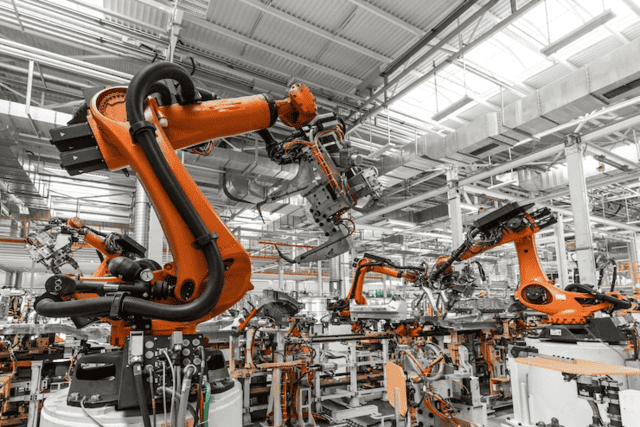
The Rise of Assembly Robots
Precision, speed, and flexibility for manufacturing leave assembly robots to the machines to perform the high-precision, repetitive movements required for simple tasks with pinpoint accuracy and blistering speed. Today, these kind of robotic systems are the staple workhorses of industry providing huge benefits over man power and are part of.Advantages of Assembly Robots1.Extraordinary PrecisionRobotic assemblers don't tire like human workers, nor do they make mistakes. The result is each piece is built to precise dimensions. This decreases defects and enhances product dependability which is crucial for applications like aerospace and medical device production. Also, robots can work 24/7, which is able to considerably increase productivity with lower cycle times.2.Cost-efficiencyWhile robots are expensive to buy and implement, the cost can be justified in terms of labor savings, waste savings and increased throughput. Furthermore, robots improve workplace safety by performing safety sensitive operations, thus reducing the number of accidents.Current ApplicationsThe assembly robot is a common feature in many different industries. Welding, bolting and attaching parts in the car industry, this job has to be done with perfect precision as millions on millions car are built within no time. Robotic machines are used by electronics manufacturers to position minuscule components on circuit boards with a precision of a micron, an assignment that is nearly impossible for human hands. In a food and beverage 3 industry, robotic arms are used to package and sort food and beverages safely while maintaining cleanliness and meeting stringent standards.There is big potential for assembly robots beyond factory production, like custom-furniture assembly and even 3D-printed construction. Collaborative robots, which are engineered to work alongside humans, are becoming more popular in shops where flexibility and usability are important.Selecting the Most Suitable Assembly RobotFirst, manufacturers need to consider the necessary payload and range of motion, smaller robots work well for delicate tasks such as electronics assembly, whereas larger robots are typically used for heavy-duty tasks. Both are also important and the faster robot is good for high-product production while a slower, more accurate robot is better for detailed work.Programming flexibility is another factor. Other robots follow pre-written commands, and some also rely on AI and machine learning to adjust to real-time variability. They should also check out possible integration with available machines and software. Finally, the budget and anticipated return-of-investment are also deciding factors.The Future of Assembly RobotsThe future for automation in assembly robotics is well on track for revolutionary trends. With the emergence of AI and IoT, the robotics will become smarter as they will be able to perform preventive maintenance and self-optimization. Improved gripper tech and tactile sensors will mean robots are dealing with delicate or asymmetrical objects better.One of the other exciting trends is the emergence of mobile assembly robotics that can move around the factory floor without human intervention, dynamically reconfiguring their jobs based on changing production requirements. Moreover, as robotics continue to decrease in cost, small and medium sized businesses will begin to implement automation, putting advanced manufacturing technologies in the hands of more and more people.Eventually, fully autonomous smart factories might be the standard and robots talk to each other, self-optimize production processes and are employed to the least degree possible. As sustainability becomes a key priority, energy-efficient robots running on renewable sources of energy will continue lowering the ecological impact of production.ConclusionAssembly robots are changing the face of modern manufacturing through the relentless pursuit of precision, throughput, and safety. They are used in various fields, from the automotive industry to computer electronics, and can do more and more since technical progress is made. Companies have to consider several important factors in order to find the robot that suits their application best. In the long term, AI-enabled adaptive robotics will open even more doors to a new industrial era both smarter and more automated. Those machines are not only going to grow production, they're going to completely recast the very definition of what work even means in the manufacturing sector.

How Do We Cope Chronic Insomnia
This article will delve into the causes of chronic insomnia, its effects, and what we can do about it.1.The causes of chronic insomniaChronic sleeping disorder generally alludes to over one month, no less than three evenings seven days experience issues nodding off, light rest, simple to awaken or get up early rest issues. Its causes are complicated and shifted, including however not restricted to:Mental elements: like uneasiness, wretchedness, over the top tension and other mental issues, frequently lead to individuals in the night bunch of considerations, hard to rest.Ecological variables, for example, clamor, light, temperature and other natural elements can influence the nature of rest.Way of life: sporadic work and rest, over the top energy prior to hitting the sack, ill-advised diet, and so on, can prompt a sleeping disorder.Infection factors: A few persistent sicknesses, like torment, breathing hardships, coronary illness, and so forth, can set off a sleeping disorder.2.The impact of chronic insomniaChronic sleeping disorder influences people in numerous ways:Medical issues: Ongoing sleep deprivation can prompt a debilitated resistant framework and an expanded gamble of sicknesses, for example, hypertension, diabetes, and coronary illness.Mental trouble: a sleeping disorder patients are frequently joined by tension, despondency and other mental issues, further influencing the personal satisfaction.Diminished efficiency: Absence of rest can prompt unfortunate focus and memory, which can influence work efficiency.Family pressure: a sleeping disorder might prompt individual emotional episodes and influence family congruity.