


Mysterious “Ghost Ships” in the Baltic Sea
Many secrets are held within the vast and mysterious body of water that is the Baltic Sea, between Europe's northern coasts. Its greatest unknowns, however, are the "ghost ships", abandoned and coasting slowly across its waters with deteriorating hull planks beneath them and silent decks bathed by unwavering moonlight. These are the spooky relics of an era that's long past, these echoes from times forgotten bear witness to human folly and extinctions (both literal and otherwise) but also time itself—in matters & worlds.

Overview of the Ghost Ships
When even the most battle hardened sailor first stakes eyes on a ghost ship it sends chills down their spine. A bit more beguiling are the derelict ships, typically freighters or fishing boats gone to seed, ghostlike and woebegone with broken windows that have crumbled into filigrees of crushed glass; paint peeling away in brittle shards beneath winds gusting along constricted openings between condemned warehouses crowded together harbor side as rigging sags where it tangles over ribs etched dark against rust-eaten skins. They floated along with the currents, engines muted as if steered by ghosts.
The loss of life on the MV Estonia was near 900 Ghost ship, some of them are for sure well-known from the Baltic like Swe. The wreckage is decaying deep at the bottom of the sea, but its ghost lingers, seen as a haunting beacon or maritime tragedy. But the Estonia is only one among many. The other ghost ships, the ones we do not sing songs about, drift uncharted; ghosts lost to time.

Reasons to the Ghost Ships
Why these ships were abandoned is anyone's guess, and like the vessels themselves it could be any of ten-lost reasons. Others were wrecked in storms and never had their crew come to shore again. In other cases, they were taken by pirates or crashed due to mechanical breakdown. The rest were abandoned in dry docks where they slowly rotted, relics of the maritime industry that built and then quit on them.
As time goes by, these ghost ships get older and in worst conditions. Their wooden decks rot and their metal frames rust. Their cracks become homes to sea creatures, their hulls overgrown with algae. Now and then their thinned bodies wash ashore in fossil parts, scavenged by the waves for strangers perusing or native fishermen.
Effects from Ghost Ships
Besides the large number of these abandoned ships and dwindling sailing stock, they cause significant adverse environmental effects. Oil & other impurities can seep into the water which then decreases in value and is harmful to marine life. The ships themselves may also be hazards to navigation for other vessels. Then there is the aesthetic and emotional cost those floating tombs present; a constant symbol of human suffering.
There are attempts to clear the Baltic Sea of these ghost ships. However, the work is overwhelming and requires enormous resources. Until then, these ghostly remains keep wandering around the sea with their stories buried beneath the ocean surface for someone to enlighten.
Conclusion
The Baltic Sea ghost ships are a little more than empty hulls. They are human history chiseled in granite, victories and defeats etched on the stone of hundreds of thousands of lives lived. In all the ghosts that sail these waters of ancient sea we must remind us this; in what they are telling grows a fragility to human endeavor and how critical remembering is on our way forward.
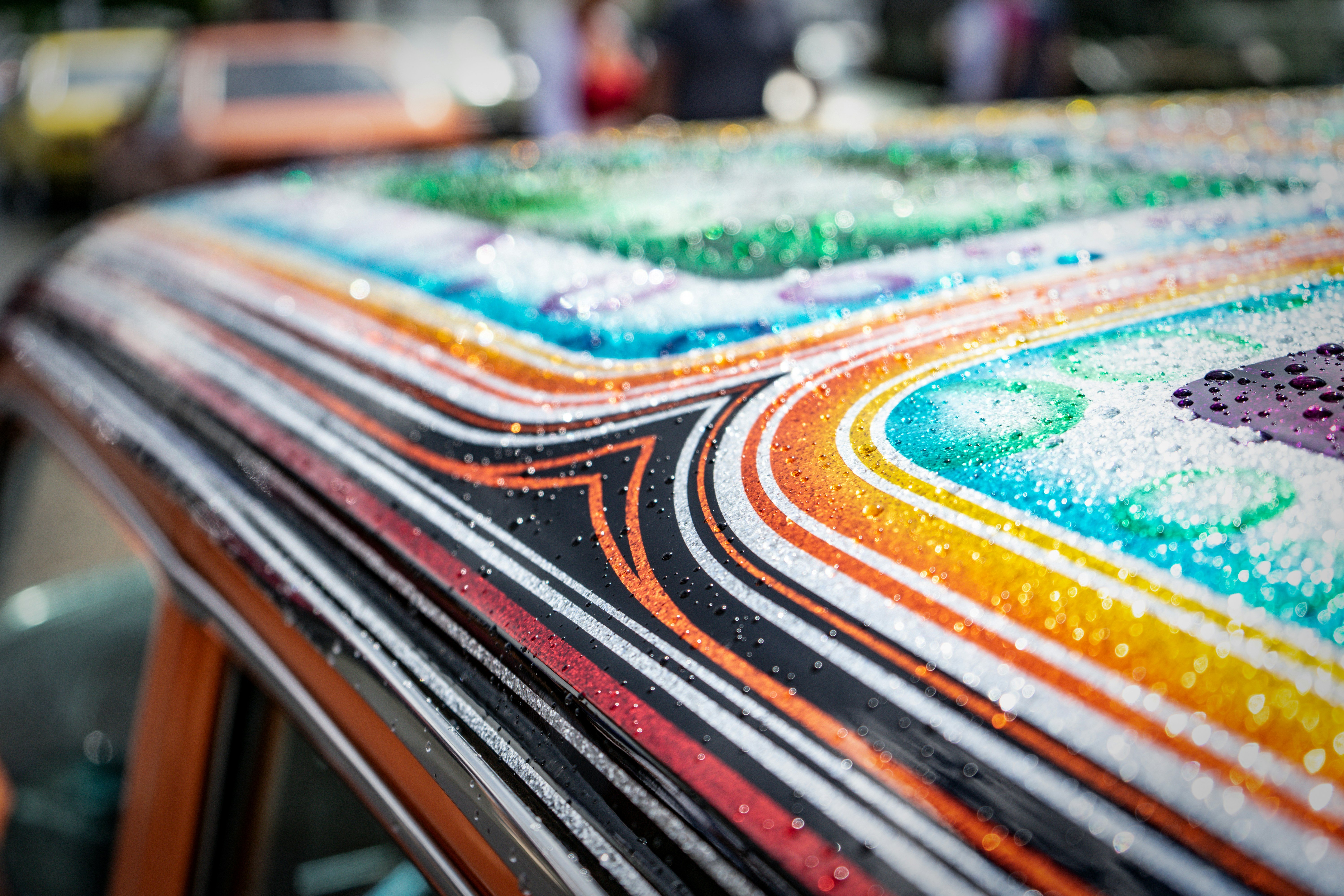
Skills for Car Paint Upkeep
Car paint is an important part of the appearance of the vehicle, not only beautiful, but also can play a role in protecting the body.Therefore, the correct maintenance of the car paint is very important. The following will describe in detail how to maintain the car paint methods and skills.1. Avoid wiping with hard objectsWhen stains or dirt appear on the surface of the car paint, do not use hard objects to wipe, such as ordinary rags or paper towels. Doing so can scratch the paint, causing fine scratches and damage. The correct approach is to use a soft sponge or professional car cleaning cloth to gently wipe the stain and avoid overexertion.2. Wax regularlyWaxing is one of the important steps to protect car paint. The wax can form a protective film to prevent dirt and UV light from eroding the paint. It is recommended to wax the vehicle every 3-6 months, and the specific frequency can be adjusted according to the use of the vehicle and the environment. Before waxing, ensure that the surface of the vehicle is clean and choose the appropriate car wax product.3. Avoid prolonged exposure to sunlightProlonged exposure to sunlight can cause car paint to fade and age. Therefore, try to choose a place with shade when parking, or use a shade baffle to block. If it is impossible to avoid parking outdoors for a long time, you can consider using a vehicle cover to cover the entire body to play a certain protective role.4. Repair scratches and stone hits in timeIn daily use, car paint will inevitably appear some scratches and stone impact. If these damages are not repaired in time, they will accelerate the aging and corrosion of the car paint. Therefore, timely repair of scratches and stone impact is an important part of the maintenance of car paint. For small scratches, you can use the car paint repair pen to repair; For a large area of damage, it is recommended to seek professional car repair services.
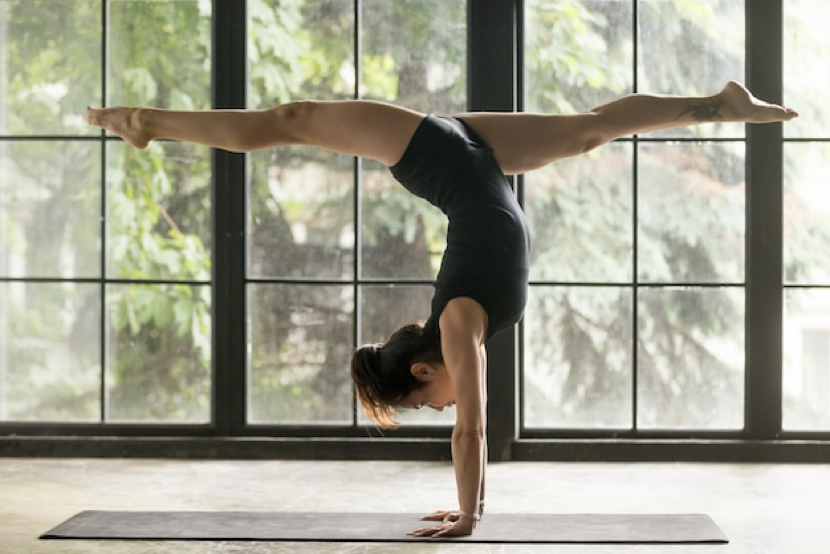
Easy Yoga Routine Helps Reduce Your Fatigue
Fatigue is a common issue that many of us face on a daily basis, whether it's due to work, stress, or simply the demands of everyday life. While getting enough sleep and maintaining a healthy diet are essential for combating fatigue, there are also other effective methods that can help, such as incorporating yoga into your daily routine. Yoga is a form of exercise that combines physical postures, breathing techniques, and meditation to promote relaxation, increase flexibility, and reduce stress. Here's an easy yoga routine that you can do at home to help reduce fatigue and rejuvenate your body and mind.Start with a Warm-UpBefore beginning your yoga routine, it's important to warm up your muscles to prevent injury. Start by standing tall with your feet hip-width apart and take a few deep breaths, focusing on filling your lungs completely with air. Then, move into a gentle sun salutation sequence, which consists of a series of poses that flow smoothly from one to the next. This sequence helps to warm up your entire body and prepare you for the more challenging poses that follow.Mountain Pose (Tadasana)Begin your yoga routine with Mountain Pose, a foundational pose that promotes good posture and helps to ground and center you. Stand tall with your feet hip-width apart, toes pointing forward, and knees slightly bent. Engage your core muscles and lift your chest, feeling tall and strong. Take a few deep breaths, focusing on your breath and allowing yourself to relax into the pose.Warrior II (Virabhadrasana II)From Mountain Pose, step your right foot forward about 3-4 feet, turning your right foot out 90 degrees and your left foot in slightly. Bend your right knee, keeping your knee aligned with your ankle, and raise your arms out to the sides, parallel to the floor and shoulder-height. Look over your right hand, keeping your gaze steady. Hold for several breaths, then repeat on the other side. Warrior II helps to strengthen your legs and open your hips and chest, promoting a sense of strength and stability.Tree Pose (Vrksasana)Stand tall with your feet hip-width apart and shift your weight onto your left foot. Slowly lift your right foot and place the sole of your right foot against the inside of your left leg, either on your calf or thigh. Raise your arms above your head, palms facing each other, and focus on keeping your balance. Hold for several breaths, then repeat on the other side. Tree Pose helps to improve balance, focus, and concentration, as well as promoting calmness and relaxation.Child's Pose (Balasana)Kneel on the floor with your knees hip-width apart and your toes touching. Sit back onto your heels, then lower your torso forward, resting your forehead on the floor or a block. Extend your arms forward, palms facing down, and relax your shoulders and neck. Hold for several breaths, allowing yourself to fully relax and release any tension in your body. Child's Pose is a deeply restorative pose that helps to calm the mind and soothe tired muscles.Corpse Pose (Savasana)Lie down on your back with your legs straight and your arms at your sides, palms facing up. Close your eyes and take several deep breaths, focusing on your breath and allowing yourself to fully relax. Stay in Corpse Pose for several minutes, allowing your body and mind to unwind and rejuvenate. Corpse Pose is the perfect way to end your yoga routine, as it promotes relaxation and helps to reduce stress and fatigue.

Ho Chi Minh City: Fun of Motorcycles
In the east of the world, there is a country famous for its special culture, long history and rich natural landscapes which is called Vietnam. However, in the south of Vietnam, a city called Ho Chi Minh City leaves all the travelers profound impressions with its unique pace and vigor. Ho Chi Minh City, formerly known as Saigon, got its name from a Vietnam's revolutionary leader. It not only carries the profound history, but also contains a myriad of motorcycles all over the city corners, which is such a fun attracts travelers.Overview of the CityWhen stepping into Ho Chi Minh City, the only thing first comes into you eyes is the motorcycles all over the streets like rivers and tides. The motorcycles go across the narrow roads, sometimes crowd into a group, sometime separate into spots, consisting a vivid scenery line of the city. In Ho Chi Minh City, motorcycles are not only the media of transportation but also a lifestyle of the ordinary people and labors to make livings, even a cultural mark. They integrate into the daily lives of citizens, becoming an indispensable part in Ho Chi Minh.Why There Are Lots of MotorcyclesEarly in the morning, when the first sunlight go through the windows and wakes up the whole city, the workers on motorcycles are ready to start. The labors, students, merchants and so on, almost everyone possesses a motor. There are differences in motors, such as the shape, size, color, decoration and function, but the only common thing is that they are all fast and quick, which makes them go across the crowded streets freely and liberally without the annoyance of being blocked by the traffic jams. For the citizens in Ho Chi Minh, possessing a motorcycle is more than anything.What Can Travelers DoWhile for the visitors, experiencing a motorcycle in person is undoubtedly the best way to explore Ho Chi Minh City. Rent a motorcycle, put your helmet on, ride across the city streets and roads, you will discover that a lot o stories are hidden in these streets. From busy Van wu Street to the quiet Saigon post office, from the lively unified Palace to the artistic museum of war relics, you can feel every detail of the city in person on the motorcycle.In the meantime, there is one thing you need to think over that how to keep balanced when riding a motorcycle and how to make right decisions when facing complex road situation are important for the beginners. However, it is this kind of challenge that makes the motorcycle more exciting and interesting. You will get a sense of success after escaping a sudden vehicle and going across the narrow streets nimbly every time, which is incomparable by any transportation.ConclusionTo conclude, in Ho Chi Minh City, embracing the mess of motorcycles is embracing the soul of the city. The motorcycles in Ho Chi Minh is not only a way for commuting, but also a cultural experience, and even an attitude towards life. Here is an energetic and inclusive land that offers you excitement and freedom and profound thoughts on yourself, your life, your dream and your future. In this era full of challenges and opportunities, everyone is writing their own stories in their own way. The motorcycles in Ho Chi Minh City is the most vivid and distinct of these stories.
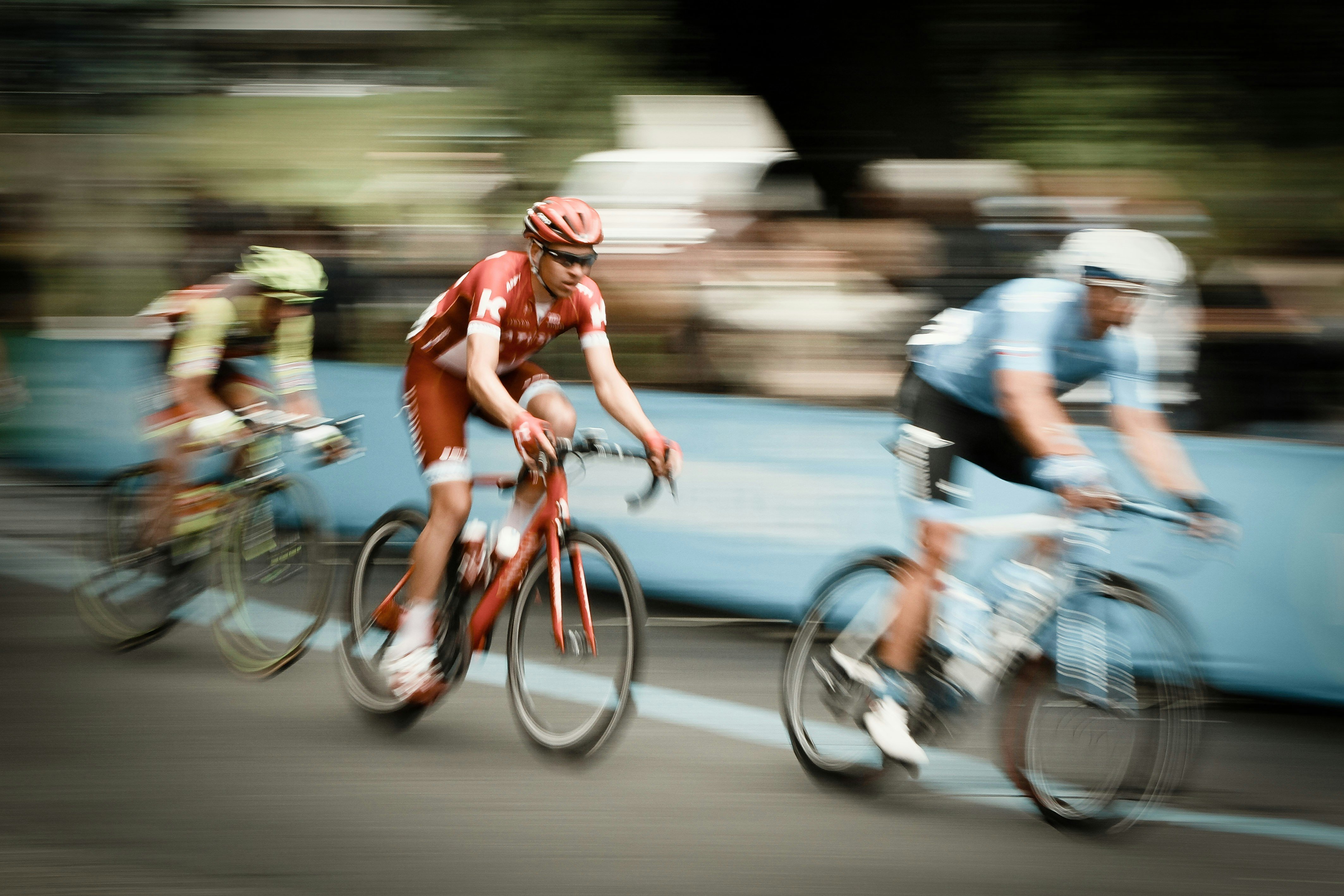
The Physical Benefits of Several Types of Exercise
In the fast-paced modern life, people are becoming more and more aware of the importance of physical health.This article will explore in detail the specific benefits of several different types of exercise to help readers better understand and choose the right type of exercise for them.1.Aerobic exercise: improve heart and lung functionAerobic exercise, such as running, swimming, cycling, etc., is an important means to improve heart and lung function. This type of exercise can increase the heart rate, improve the speed of blood circulation, and deliver sufficient oxygen and nutrients to all parts of the body. Long-term adherence to aerobic exercise can effectively reduce the risk of cardiovascular disease, enhance myocardial strength, and improve lung capacity. In addition, aerobic exercise can also promote fat burning, helping to lose weight and shape.2.Strength training: build muscle lines, improve the basal metabolic rateStrength Training can practice the muscle gatherings of the body and make a solid muscle line. Through strength training, we can further develop muscle strength and perseverance and increment bone thickness and strength, along these lines forestalling bone sicknesses like osteoporosis. Furthermore, muscle is the principal place where the body consumes energy, expanding bulk can build the basal metabolic rate, so we can likewise consume more energy when we are very still, which assists with shedding pounds and keep up with the figure.3.Flexibility training: Relieve muscle tension and prevent sports injuriesFlexibility training, like yoga, Pilates, extending, and so forth, can upgrade the adaptability of the body and the adaptability of the joints. This sort of activity can assist us with easing muscle pressure and forestall muscle solidness and torment brought about by standing firm on a similar foothold for quite a while. Simultaneously, adaptability preparing additionally works on joint scope of movement and diminishes the gamble of sports wounds. Long haul adherence to adaptability preparing can make us more agreeable in sports and further develop sports execution.
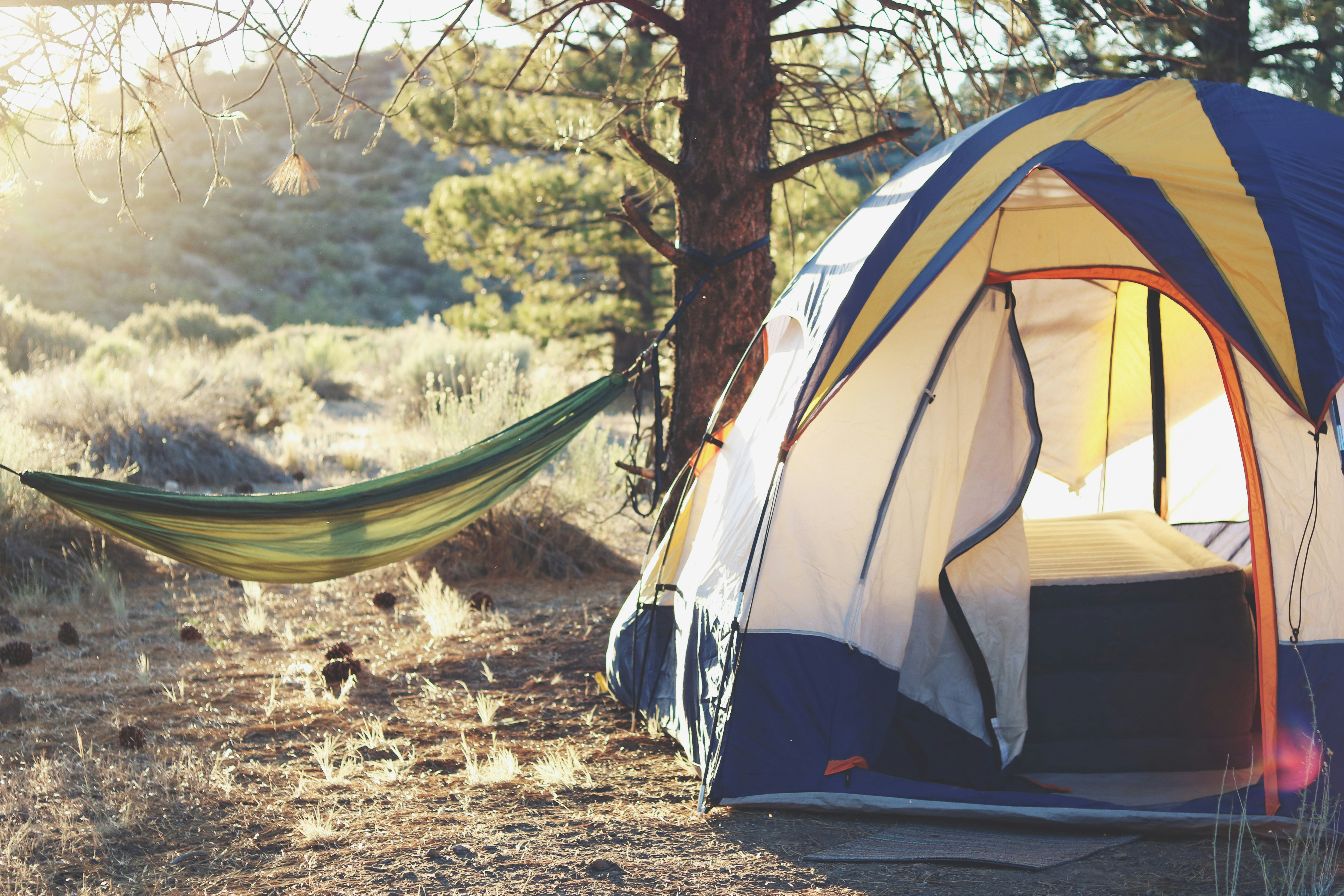
A Guide to Choosing the Right Camping Gear
Camping is an exhilarating outdoor activity that allows individuals to reconnect with nature and escape the hustle and bustle of eve.However, selecting the right camping gear is crucial to ensuring a comfortable and enjoyable experience in the great outdoors. In this guide, we will explore the essential factors to consider when choosing camping gear, providing valuable insights to help readers make informed decisions and gear up for their next adventure.Functionality and Versatility: The Backbone of Camping GearWhen selecting camping gear, it is essential to prioritize functionality and versatility. Look for multi-purpose equipment that can serve various needs, such as a multi-tool with a knife, screwdriver, and can opener, or a versatile tent that can adapt to different weather conditions. Versatile gear not only saves space and weight but also enhances the overall camping experience by catering to diverse situations.Durability and Quality: Invest in Long-lasting GearInvesting in durable and high-quality camping gear is critical for a successful outdoor experience. Look for gear made from robust materials, reinforced seams, and sturdy construction to withstand the rigors of outdoor use. Quality gear not only ensures longevity but also provides peace of mind in challenging environments, allowing campers to focus on their adventures without worrying about gear malfunctions.Comfort and Ergonomics: Prioritize Personal Well-beingComfort plays a crucial role in determining the overall camping experience. When choosing camping gear, prioritize items that prioritize personal well-being, such as a comfortable sleeping pad, ergonomic backpack, or supportive hiking boots. Additionally, consider factors like adjustable straps, breathable fabrics, and padded support to enhance comfort during extended outdoor excursions.Portability and Weight: Pack Light, Pack RightEfficiently packing and transporting camping gear is essential for maximizing mobility and convenience. Opt for lightweight and compact gear that minimizes bulk and weight without compromising functionality. Additionally, consider collapsible or foldable options, such as portable cookware and compact chairs, to optimize space and ease of transport.