


Enigma of Loch Ness
In the case of Loch Ness, which is Scotland's second-largest loch by surface area has become one with a legend that dates them back to some medieval narratives about reports believed in fact being true regarding experiences people had while party hunting and looking for food. Though the validity of this legend has never be confirmed, Loch Ness and its mystery continues to capture the imaginations of people all over—as well as their willingness cross it off on their bucket list.

Overview of Loch Ness Monster
There is even much doubt about whether there actually are such things as the Loch Ness Monster, or 'Nessie', however the legend has endured for centuries. Tales of a monster in the loch date from about 560, when St. Columba is supposed to have seen one in the Loch Ness. But the contemporary obsession with this monster actually goes back to 1933 when a spate of sightings in Loch Ness captured international interest.
The loch alone is a site of breath-taking natural grandeur. Measuring about 23 miles long, the loch reaches a depth of 788 feet, making it one of the largest fresh water bodies in Great Britain. The dark cold waters and haunting sea loch, highlands hills and castles definitely give that whole sector an air of mystique.

Mysteries in Loch Ness
This search for the monster has since become something of a tourist attraction and, whilst numerous expeditions have been undertaken to investigate these claims over the years; no concrete proof that Nessie is real ever seems to surface. Theories abound, from giant eels to misidentified seiches caused by natural phenomena or hoaxes. Still, the fascination persists and with 1155 official sightings to date, the legend of Loch Ness lives on.
More than just the monster, Loch Ness is a virtual paradise for nature lovers. Nessie is one of the most well-known mythical creatures and has become an international phenomenon credit: The loch forms a part of (and quite distinct from) that broader Caledonian Canal system which connects bodies of water across Scotland, it is in designated areas including protected waters forming key parts for completion on the Loch Ness 360° trail, an epic "new" activity trail offering those who dare to walk, cycle or run it up to nearly 80 miles worth.
More Enigmas
It is also home to a number of hidden treats that are waiting for visitors. From the ancient Inverfarigaig Pier where you can enjoy great views of Loch Ness, to Suidhe Viewpoint is one of those trekking peaks which offers intact natural surroundings. Paddle the Great Glen, canoeing is an outdoor activity available to all, young and old alike, keen sportsperson or first-timer but undoubtedly one that leaves its impression like no other.
Apart from the loch itself there are waterfalls, forest and hidden lochs throughout its environs. One such hidden gem is Plodda Falls, the tallest waterfall in the area located on north side of loch. Farigaig Forest, filled with wildflowers & butterflies, also garden for red squirrels -boasts a viewing point from where to look at dramatic rocky outcrops and hidden small lochs.
Conclusion
For now, while the legend of Nessie might be what brings most people here in the first place, it is the untouched beauty and patchwork history which makes Loch Ness so special. Believe in the monster or not, a trip to Loch Ness is both enthralling and unforgettable.
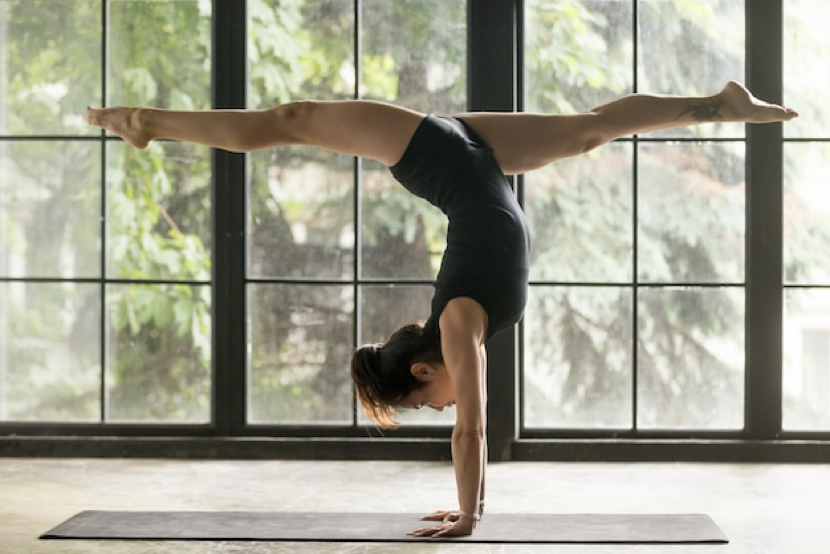
Easy Yoga Routine Helps Reduce Your Fatigue
Fatigue is a common issue that many of us face on a daily basis, whether it's due to work, stress, or simply the demands of everyday life. While getting enough sleep and maintaining a healthy diet are essential for combating fatigue, there are also other effective methods that can help, such as incorporating yoga into your daily routine. Yoga is a form of exercise that combines physical postures, breathing techniques, and meditation to promote relaxation, increase flexibility, and reduce stress. Here's an easy yoga routine that you can do at home to help reduce fatigue and rejuvenate your body and mind.Start with a Warm-UpBefore beginning your yoga routine, it's important to warm up your muscles to prevent injury. Start by standing tall with your feet hip-width apart and take a few deep breaths, focusing on filling your lungs completely with air. Then, move into a gentle sun salutation sequence, which consists of a series of poses that flow smoothly from one to the next. This sequence helps to warm up your entire body and prepare you for the more challenging poses that follow.Mountain Pose (Tadasana)Begin your yoga routine with Mountain Pose, a foundational pose that promotes good posture and helps to ground and center you. Stand tall with your feet hip-width apart, toes pointing forward, and knees slightly bent. Engage your core muscles and lift your chest, feeling tall and strong. Take a few deep breaths, focusing on your breath and allowing yourself to relax into the pose.Warrior II (Virabhadrasana II)From Mountain Pose, step your right foot forward about 3-4 feet, turning your right foot out 90 degrees and your left foot in slightly. Bend your right knee, keeping your knee aligned with your ankle, and raise your arms out to the sides, parallel to the floor and shoulder-height. Look over your right hand, keeping your gaze steady. Hold for several breaths, then repeat on the other side. Warrior II helps to strengthen your legs and open your hips and chest, promoting a sense of strength and stability.Tree Pose (Vrksasana)Stand tall with your feet hip-width apart and shift your weight onto your left foot. Slowly lift your right foot and place the sole of your right foot against the inside of your left leg, either on your calf or thigh. Raise your arms above your head, palms facing each other, and focus on keeping your balance. Hold for several breaths, then repeat on the other side. Tree Pose helps to improve balance, focus, and concentration, as well as promoting calmness and relaxation.Child's Pose (Balasana)Kneel on the floor with your knees hip-width apart and your toes touching. Sit back onto your heels, then lower your torso forward, resting your forehead on the floor or a block. Extend your arms forward, palms facing down, and relax your shoulders and neck. Hold for several breaths, allowing yourself to fully relax and release any tension in your body. Child's Pose is a deeply restorative pose that helps to calm the mind and soothe tired muscles.Corpse Pose (Savasana)Lie down on your back with your legs straight and your arms at your sides, palms facing up. Close your eyes and take several deep breaths, focusing on your breath and allowing yourself to fully relax. Stay in Corpse Pose for several minutes, allowing your body and mind to unwind and rejuvenate. Corpse Pose is the perfect way to end your yoga routine, as it promotes relaxation and helps to reduce stress and fatigue.

Muğla: A Neglected Pearl in the Mediterranean
Muğla, a place which nestles in southwest Turkey, is not popular as those famous resorts around the Mediterranean sea, such as Izmir, Antalya, and Fetesier. However, a myriad of glamours and unique style in this land are waiting for the travelers who are willing to come and explore.Incomparable LocationThe geographical location is a stunning point, which situates the intersection of Aegean sea and Mediterranean sea and a million miles coast line belongs to it. The natural landscape here is colorful but majestic: from blue sea to lofty mountains, from golden beach to green olive park, everything the light touches is the kingdom of Muğla, a masterpiece from the grand natural. There are various beautiful scenes in Muğla, but one that amazes me the most is the coast line. The sea is so clear that I can almost see the bottom of it; The sand is so soft that just feel like touching silk, and the hidden bay is so romantic that I want to rendezvous a lover there, all these magnificent views make Muğla a perfect paradise for travel.Brilliant HistoryHowever, the above introduction is just an iceberg of it, the historic and cultural power will also astonish your eyes. Although the city is not that large, it’s still full of energies and enthusiasms. The archaic wall, narrow street and the traditional Turkey constructions remind me of the period hundreds years ago. The nearby villages are worth traveling, too, like Kayaköy near Fetesier, a forlorn Greek county which has been an open-air museum telling the vicissitudes of history.Spectacular CultureAnother highlight is its ample cultural relics. This is a place used to be the intersection ofAncient Greece, Rome, and the Byzantine Empire, which is full of historic relics. For example, the renown Miletus which used to be the heart of union of Ionian but remains ruins today, however, you can still feel its past glory when you see in person. Besides, a plenty of well-protected ancient theaters, temples and bathing beaches are witnessing the long history of this place.Amazing Natural SceneryThe natural views are also glorious. Lots of national parks and natural reserves like Dalyan Delta National Park make here lively and active. An abundance of rare birds and animals regard here as their habitats, if you are a bird-lover, you must come here. What’s more, here is also a heaven for those who loves hiking and adventure, for example, Büyük Menderes Delta has a grand view, it is a pity if you can not see in your lifetime.

Effective Ways to Relieve Joint Pain
Joint pain, which affects millions of people worldwide, is commonly linked with arthritis, injury, overuse and other causes. While persistent or severe pain should always be evaluated by a health care provider, there are many helpful steps you can take to prevent effectively and relieve pain around you joints.1.Regular Exercise and Physical ActivityRegular physical activity is one of the best weapons against joint pain. Though that may seem counterintuitive — who wants to move painful joints? — movement is what builds strength in the muscles surrounding the joints, giving stability and reducing the strain. Low-impact exercise to producing flexibility and stimulating circulation, like swimming, cycling and walking, is particularly effective, in that it doesn’t put strain on the joints. Yoga and stretching routines might also help improve range of motion and reduce stiffness. For people who have chronic joint pain, seeing a physical therapist is strongly recommended so that an individualized exercise plan can be developed. That regular, moderate abstraction of activity will make a difference in keeping joint serious pain from dog titling over time.2.Maintain a Healthy WeightCarrying excess weight also puts significant stress on the weight-bearing joints in the body, including the knees, hips and ankles. At even modest levels, weight loss can substantially relieve joint pain and slow the progression of diseases like osteoarthritis. A healthful, antiinflammatory-rich diet bolstered by leafy greens, berries, nuts and fatty fish can assist with weight management and help suppress inflammation. Limiting processed foods, sugars, and alcohol is just as crucial. You can be free from joint pain and improve overall health and reduce the risk of other chronic conditions by maintaining a healthy weight.3.Heat and Cold TherapyThis therapy with heat and cold joints, as well as helpful, simple, affordable and efficient. Using a warm compress, heating pad, or warm bath can help relax muscles, increase blood flow and ease stiffness, which research has shown is best for chronic pain or morning stiffness. Cold therapy, like an ice pack or cold gel wrap, is numb the area, reduce swelling and can relieve acute pain or inflammation from overuse or injury. For others, alternating between heat and cold works particularly well. When applying heat or cold directly, always apply a barrier, such as a towel, to protect your skin.4.Mind-Body TechniquesChronic joint pain can be a serious drain on one’s mental health, and stress, in turn, can make physical pain worse. Mind-body techniques such as meditation, deep breathing exercises, and tai chi can benefit stress reduction, emotional well-being, and even pain control. These practices promote relaxation, mindfulness and a greater sense of mind-body control — all things that can empower those suffering from chronic pain. Tai chi also integrates gentle motion with mindfulness, which can help increase joint flexibility and minimize pain.5.Good Posture and Use of JointsBad posture and repetitive use may intensify joint pains with the time. Even awareness of your posture — sitting, standing or walking — can help share your weight more evenly, relieving stress on your joints. Ergonomic tweaks, like supportive chairs or cushioned mats, can also help a lot. Assistive devices (e.g, braces, splints, or canes) can also help people with arthritis or other ongoing chronic conditions by providing extra support and alleviating pressure on affected joints.In conclusion, joint pain can be a very difficult condition to cope with, as much mentally as it is physically— so you should not let the symptoms run your life. Manage and relieve your pain with you regular exercise, maintain a healthy weight, use heat and cold therapy, try mind-body techniques and protect your joints. Again, please keep in mind you must check in with a healthcare professional to tweak these approaches to fit your particular situation. But with the proper technique, you can effect preventative measures toward a more active, pain-free you.

Coffee Could Have More Health Benefits
Coffee, the beloved morning beverage of millions around the world, has long been associated with its ability to perk us up and get us through the day. However, recent research suggests that coffee may have far more benefits than simply providing a quick energy boost. From improving cognitive function to reducing the risk of certain diseases, coffee is emerging as a powerful health ally.Enhances Cognitive FunctionOne of the most significant findings regarding coffee's health benefits is its potential to enhance cognitive function. A study conducted by researchers at the University of Barcelona found that drinking coffee with sugar can significantly improve attention span and working memory. The researchers tested 40 volunteers who consumed different combinations of coffee, sugar, and water, and found that those who drank coffee with sugar performed better on cognitive tasks than those who consumed the other combinations. This suggests that coffee, when combined with sugar, may be an effective way to prepare the brain for a busy day ahead.Reduces Risk of Certain DiseasesBeyond its cognitive benefits, coffee has also been linked to a reduced risk of certain diseases. For example, studies have shown that drinking three cups of coffee a day can significantly reduce the risk of Alzheimer's disease. This is likely due to the fact that coffee contains antioxidants, which help to protect the brain from damage caused by oxidative stress. Additionally, coffee has been shown to reduce the risk of Parkinson's disease, a neurodegenerative disorder that affects movement and coordination.Positive Impact on Cardiovascular HealthCoffee's health benefits don't stop there. Research has also suggested that coffee may have a positive impact on cardiovascular health. While previous studies have linked coffee consumption to an increased risk of heart disease, more recent research has found that the quality of the coffee and the way it is brewed are key factors in determining its effect on health. For example, a study by a Harvard research group found no link between coffee and heart problems, suggesting that moderate coffee consumption may be safe for most people.Improves Mood and Emotional Well-beingFurthermore, coffee has been shown to have a positive effect on mood and emotional well-being. Caffeine, the active ingredient in coffee, is a stimulant that can help to improve alertness and reduce feelings of fatigue. This can be particularly beneficial for those who are feeling stressed or overwhelmed, as a cup of coffee can help to clear the mind and improve focus. Additionally, the social aspect of drinking coffee with friends or colleagues can also have a positive impact on relationships and emotional well-being.NotesIt's important to note, however, that coffee should be consumed in moderation. While moderate coffee consumption appears to be safe for most people, excessive consumption can lead to side effects such as insomnia, anxiety, and stomach problems. Additionally, it's important to consider the quality of the coffee and the way it is brewed, as these factors can impact its health benefits.

Furniture Trends of 2025: Design Meets Intelligence
Furniture is no longer simply an object of functionality or en aesthetics, it has become an intelligent, adaptive, and sustainable extension of our living space. The directions influencing the furniture design of this year indicate a combination of pioneering technology, environmental responsibility, and a continued personalized approach. When self-adjusting ergonomic chairs and modular pieces that change as families do, 2025’s furniture is built to merge with our ever-evolving lifestyles.1.Smart, AI-poweredHere, the most striking change is towards smart, AI-powered furniture. Consider a sofa that changes its firmness to match the shape of your body, or a dining table that is also a wireless charging station and an interactive display. Several companies, including Ikea and Herman Miller, have already released AI-infused pieces that memorize human taste over time, fine-tuning both comfort and energy efficiency. Beds these days have sleep-tracking sensors, ones that regulate temperature and firmness during the night, while desks gently remind users to stand or stretch after too much time seated. The line between furniture and tech is beginning to know no bounds as furniture is not just lived in, but responsive to human life.2.SustainabilitySustainability is still at the heart of design, but in 2025 it extends beyond use of recycled materials. Now, circular design is the norm; brands emphasize furniture that can be broken down for recycling, repair or upcycling. Biodegradable options such as mycelium (mushroom-based foam) and algae-based plastics for example replacing the synthetic and giving the same durability without the guilt of damaging the environment. Even high-end designers are getting on board with “zero-waste” production, in which offcuts find new life as entirely new products. Consumers are more and more attracted to furniture with a clear lifecycle, knowing where the materials came from, how they were made and how they can be responsibly disposed of.3.Modular and MultifunctionalOther trends appeal to urban dwellers and small-space living, such as modular and multifunctional furniture. As the cost of real estate surges, these designs are compact, but flexible. There are guest beds that double as couches, coffee tables that hinge up toward a working height and storage units that mount to the wall and adjust to your needs. Companies such as Resource Furniture and Ori (a robotics and design company) are leading the way in minimizing space while maximizing style. The premise is the simple one on which we all fantasize but seldom deliver, that furniture should be as agile as life at its most inconstant, whether that is while working from home on a whim or hosting a surprise house guest for the night.4.MinimalismThe aesthetic in 2025 runs to warm minimalism and biophilic design. Neutral earthy palettes — think soft terracottas, warm beiges and deep greens — prevail, resulting in tranquil, nature-inspired interiors. Furniture silhouettes are more flowing, with rounded corners and natural textures that play on the idea of comfort and calm. Indoor-outdoor living is also on the rise, and weather-resistant materials are keeping pieces as comfortable on a sunlit patio as in a cozy living room.5.CustomizedThe customized experience up a notch. And the rise of 3D printing and on-demand manufacturing means the customer today can design his or her own furniture, picking everything from a fabric pattern to the style of legs. Brands provide digital configurators that enable people to see their creations in augmented reality before buying. This change not only limits overproduction, but allows each piece to narrate a personal story.We can’t predict the future, but in 2025, furniture will no longer be static — it’s intelligent, and a living part of our daily routine. From AI integration to sustainable innovation to adaptive design, the industry is rewriting the rule book for what it is to furnish a home. The future of furniture isn’t only about filling up space; it’s about improving the way we live, one smart, sustainable and beautifully designed object at a time.