


Effective Ways to Relieve Joint Pain
Joint pain, which affects millions of people worldwide, is commonly linked with arthritis, injury, overuse and other causes. While persistent or severe pain should always be evaluated by a health care provider, there are many helpful steps you can take to prevent effectively and relieve pain around you joints.

1.Regular Exercise and Physical Activity
Regular physical activity is one of the best weapons against joint pain. Though that may seem counterintuitive — who wants to move painful joints? — movement is what builds strength in the muscles surrounding the joints, giving stability and reducing the strain. Low-impact exercise to producing flexibility and stimulating circulation, like swimming, cycling and walking, is particularly effective, in that it doesn’t put strain on the joints. Yoga and stretching routines might also help improve range of motion and reduce stiffness. For people who have chronic joint pain, seeing a physical therapist is strongly recommended so that an individualized exercise plan can be developed. That regular, moderate abstraction of activity will make a difference in keeping joint serious pain from dog titling over time.
2.Maintain a Healthy Weight
Carrying excess weight also puts significant stress on the weight-bearing joints in the body, including the knees, hips and ankles. At even modest levels, weight loss can substantially relieve joint pain and slow the progression of diseases like osteoarthritis. A healthful, antiinflammatory-rich diet bolstered by leafy greens, berries, nuts and fatty fish can assist with weight management and help suppress inflammation. Limiting processed foods, sugars, and alcohol is just as crucial. You can be free from joint pain and improve overall health and reduce the risk of other chronic conditions by maintaining a healthy weight.

3.Heat and Cold Therapy
This therapy with heat and cold joints, as well as helpful, simple, affordable and efficient. Using a warm compress, heating pad, or warm bath can help relax muscles, increase blood flow and ease stiffness, which research has shown is best for chronic pain or morning stiffness. Cold therapy, like an ice pack or cold gel wrap, is numb the area, reduce swelling and can relieve acute pain or inflammation from overuse or injury. For others, alternating between heat and cold works particularly well. When applying heat or cold directly, always apply a barrier, such as a towel, to protect your skin.
4.Mind-Body Techniques
Chronic joint pain can be a serious drain on one’s mental health, and stress, in turn, can make physical pain worse. Mind-body techniques such as meditation, deep breathing exercises, and tai chi can benefit stress reduction, emotional well-being, and even pain control. These practices promote relaxation, mindfulness and a greater sense of mind-body control — all things that can empower those suffering from chronic pain. Tai chi also integrates gentle motion with mindfulness, which can help increase joint flexibility and minimize pain.

5.Good Posture and Use of Joints
Bad posture and repetitive use may intensify joint pains with the time. Even awareness of your posture — sitting, standing or walking — can help share your weight more evenly, relieving stress on your joints. Ergonomic tweaks, like supportive chairs or cushioned mats, can also help a lot. Assistive devices (e.g, braces, splints, or canes) can also help people with arthritis or other ongoing chronic conditions by providing extra support and alleviating pressure on affected joints.
In conclusion, joint pain can be a very difficult condition to cope with, as much mentally as it is physically— so you should not let the symptoms run your life. Manage and relieve your pain with you regular exercise, maintain a healthy weight, use heat and cold therapy, try mind-body techniques and protect your joints. Again, please keep in mind you must check in with a healthcare professional to tweak these approaches to fit your particular situation. But with the proper technique, you can effect preventative measures toward a more active, pain-free you.

Furniture Trends of 2025: Design Meets Intelligence
Furniture is no longer simply an object of functionality or en aesthetics, it has become an intelligent, adaptive, and sustainable extension of our living space. The directions influencing the furniture design of this year indicate a combination of pioneering technology, environmental responsibility, and a continued personalized approach. When self-adjusting ergonomic chairs and modular pieces that change as families do, 2025’s furniture is built to merge with our ever-evolving lifestyles.1.Smart, AI-poweredHere, the most striking change is towards smart, AI-powered furniture. Consider a sofa that changes its firmness to match the shape of your body, or a dining table that is also a wireless charging station and an interactive display. Several companies, including Ikea and Herman Miller, have already released AI-infused pieces that memorize human taste over time, fine-tuning both comfort and energy efficiency. Beds these days have sleep-tracking sensors, ones that regulate temperature and firmness during the night, while desks gently remind users to stand or stretch after too much time seated. The line between furniture and tech is beginning to know no bounds as furniture is not just lived in, but responsive to human life.2.SustainabilitySustainability is still at the heart of design, but in 2025 it extends beyond use of recycled materials. Now, circular design is the norm; brands emphasize furniture that can be broken down for recycling, repair or upcycling. Biodegradable options such as mycelium (mushroom-based foam) and algae-based plastics for example replacing the synthetic and giving the same durability without the guilt of damaging the environment. Even high-end designers are getting on board with “zero-waste” production, in which offcuts find new life as entirely new products. Consumers are more and more attracted to furniture with a clear lifecycle, knowing where the materials came from, how they were made and how they can be responsibly disposed of.3.Modular and MultifunctionalOther trends appeal to urban dwellers and small-space living, such as modular and multifunctional furniture. As the cost of real estate surges, these designs are compact, but flexible. There are guest beds that double as couches, coffee tables that hinge up toward a working height and storage units that mount to the wall and adjust to your needs. Companies such as Resource Furniture and Ori (a robotics and design company) are leading the way in minimizing space while maximizing style. The premise is the simple one on which we all fantasize but seldom deliver, that furniture should be as agile as life at its most inconstant, whether that is while working from home on a whim or hosting a surprise house guest for the night.4.MinimalismThe aesthetic in 2025 runs to warm minimalism and biophilic design. Neutral earthy palettes — think soft terracottas, warm beiges and deep greens — prevail, resulting in tranquil, nature-inspired interiors. Furniture silhouettes are more flowing, with rounded corners and natural textures that play on the idea of comfort and calm. Indoor-outdoor living is also on the rise, and weather-resistant materials are keeping pieces as comfortable on a sunlit patio as in a cozy living room.5.CustomizedThe customized experience up a notch. And the rise of 3D printing and on-demand manufacturing means the customer today can design his or her own furniture, picking everything from a fabric pattern to the style of legs. Brands provide digital configurators that enable people to see their creations in augmented reality before buying. This change not only limits overproduction, but allows each piece to narrate a personal story.We can’t predict the future, but in 2025, furniture will no longer be static — it’s intelligent, and a living part of our daily routine. From AI integration to sustainable innovation to adaptive design, the industry is rewriting the rule book for what it is to furnish a home. The future of furniture isn’t only about filling up space; it’s about improving the way we live, one smart, sustainable and beautifully designed object at a time.

Chronic Insomnia: Exploring Solutions for a Restful Sleep
Characterized as a constant trouble nodding off or staying unconscious, chronic insomnia can significantly affect one's personal satisfaction, influencing actual well being, mental prosperity, and generally speaking efficiency.In this article, we will dig into the details of chronic insomnia.Understanding Chronic InsomniaChronic insomnia is a complex condition with various underlying causes:1. Mental Elements: Stress, tension, wretchedness, and other mental issues can upset rest designs and add to persistent sleep deprivation. Dashing contemplations, stress, and a failure to unwind can make it challenging to nod off or keep up with rest over the course of the evening.2. Way of life Elements: Unfortunate rest cleanliness, sporadic rest plans, unreasonable caffeine or liquor utilization, and absence of active work can all add to persistent sleep deprivation. Unfortunate things to do and an imbalanced way of life can disturb the body's regular rest wake cycle.3. Ailments: Persistent agony, respiratory problems, hormonal irregular characteristics, and neurological circumstances like a propensity to fidget can fundamentally influence rest quality and add to ongoing sleep deprivation.The Consequences of Chronic InsomniaChronic insomnia can have wide-ranging consequences for an individual's physical and mental well-being:1. Daytime Weariness and Disabled Mental Capability: Lacking rest prompts daytime weakness, diminished readiness, and hindered mental capability. Focus, memory, critical thinking skills, and generally speaking efficiency might be unfavorably impacted.2. Mind-set Problems: Ongoing sleep deprivation is firmly connected to the improvement of temperament issues like gloom and nervousness. Lack of sleep upsets the guideline of synapses in the cerebrum, adding to close to home precariousness and worsening existing psychological wellness conditions.3. Expanded Hazard of Ongoing Ailments: Delayed lack of sleep is related with an expanded gamble of creating persistent ailments, including cardiovascular illness, corpulence, diabetes, and compromised insusceptible capability.4. Impeded Personal satisfaction: The steady battle to get satisfactory rest can prompt a diminished personal satisfaction. People with ongoing sleep deprivation might encounter decreased pleasure in everyday exercises, stressed connections, and a lessened feeling of by and large prosperity.
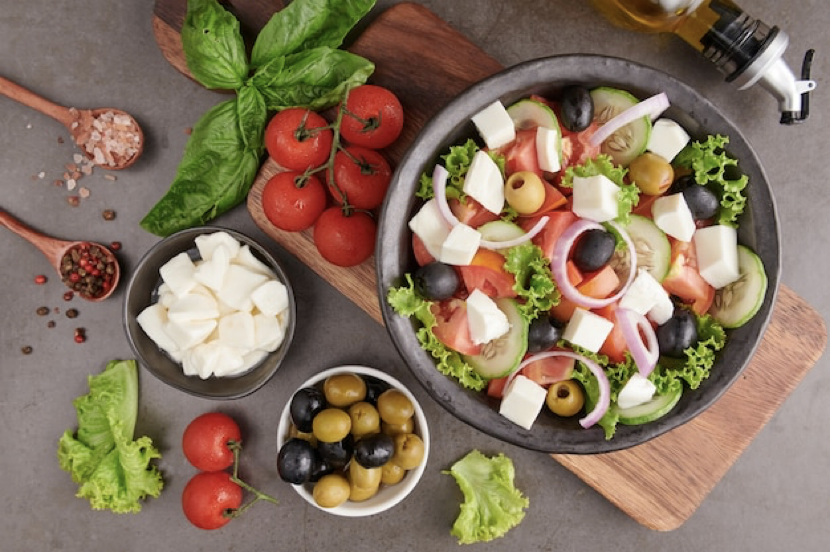
Mediterranean Diet Could Safeguard Kids’ Heart Health
Mediterranean diet is famous for its adequacy in nutrition and health benefits, not only can it promote the heart health of adults, but also benefits the kids’ heart growth. Therefore, let’s dive into this article to figure out how parents can individualize a healthy Mediterranean diet for their kids.The glamour of Mediterranean dietThe Mediterranean diet originates from the countries locate around the Mediterranean Sea, whose basis is lots of plat food, including fresh vegetables and fruits, whole grains, legumes, nuts and seeds. In the meantime, it also contains a plenty of fish, poultry and olive oil and limits the red meat and fine processed food. This diet pattern not only offers plentiful vitamins, minerals and fibers, but also reduces the risk of blood fat, blood pressure and heart disease.Benefits of Mediterranean diet to kidsPromoting heart health: The unsaturated fatty acid can help lower the level of low density lipoprotein cholesterol, escalate the level of high density lipoprotein cholesterol in order to protect kids heart.Controlling weight: High fiber plant food can increase your sense of full, reduce extra eating, as a result, control your weight and prevent obesity.Increasing immunity: Ample vitamins and minerals can increase kids’ immunity, decrease the possibility of being infected. 4.Escalating the nurture of brains: The famous omega-3 fatty acids in fish is extremely significant to brains’ growth. Eating Mediterranean diet can promote children’s capability to study and memorize.Ways to individualize Mediterranean Diet 1.More vegetables: Make sure your children eat enough vegetables and fruits of different colors, because those food can offer all sorts of vitamins, mineral and antioxidant substances. 2.Whole grain: Whole grain food such as whole wheat bread, brown rice, oats and son on, which are filled with dietary fiber and can help intestinal peristalsis and prevent constipation. 3.Beans often: Beans are the resources of superior protein and dietary fiber, which can displace meat.Moderate nuts and seeds: There are plentiful unsaturated fatty acids and vitamin E in nuts and seeds, but one thing should not be ignored is that the moderation is key, don’t be greedy.Choose healthy oil: Olive oil is the main origin of the fat of Mediterranean diet which is full of unsaturated fatty acid and do good to health.Fish twice a week: There is no need to talk too much about the advantages of fish, omega-3 fatty acids, and more other nutrition are all beneficial for brains and hearts.Limit red meat and processed food: There are high level saturated fat and sodium in these food, which requires us to eat less.Cultivate good eating habits: Start to cultivate your children to eat a balanced diet when they are little, such as when to eat, how to eat, and what to eat. These are all bedrocks for their further health when growing up.
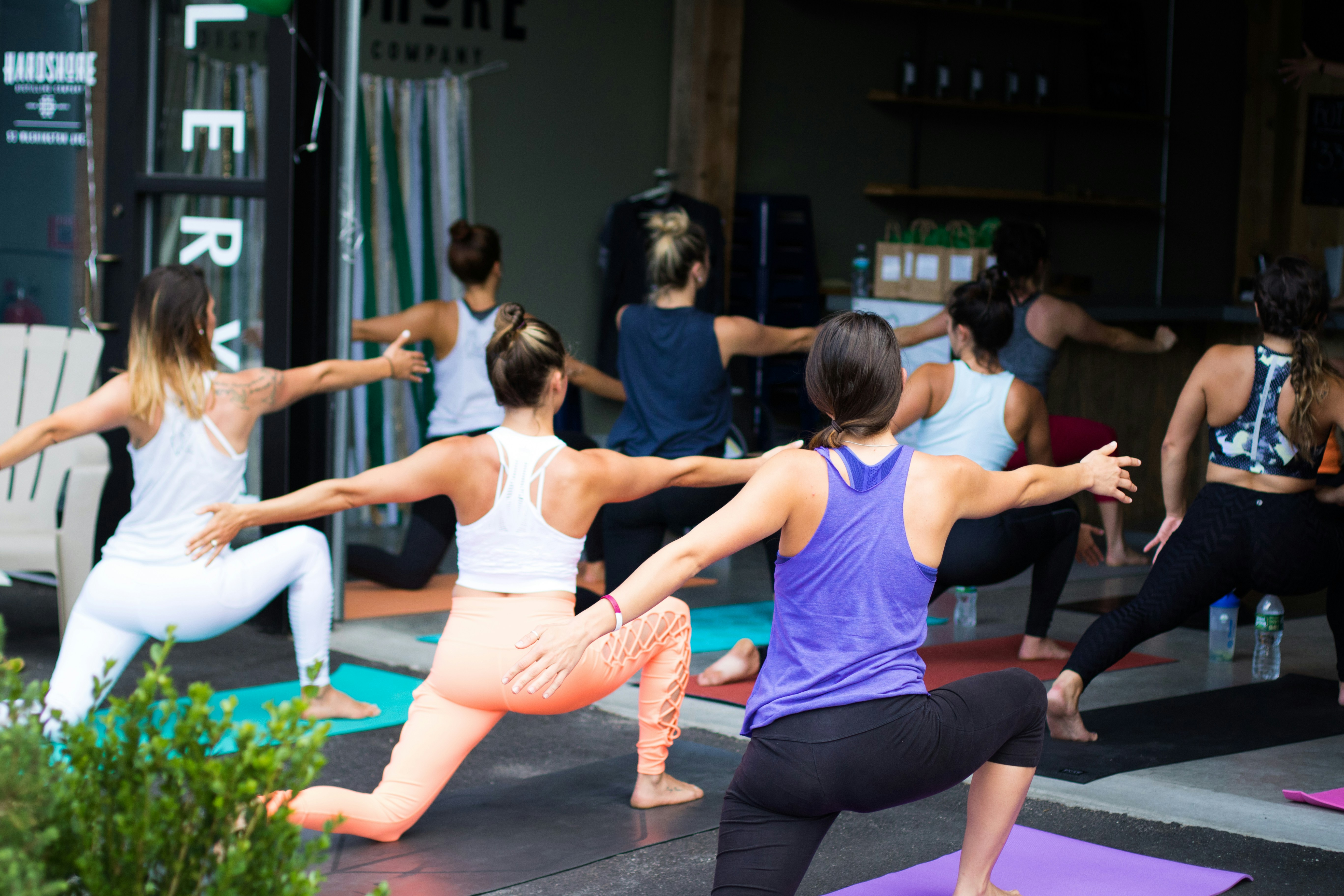
Instructions to Buying Yoga Clothes
While rehearsing yoga, a bunch of agreeable and fit yoga garments is fundamental. This article will furnish you with a definite manual for purchasing yoga garments, so you can make it simpler to purchase yoga garments.1.Material selectionThe material of yoga clothing has a crucial and significant impact on its air permeability, comfort and durability. Generally speaking, the main materials of yoga clothing are pure cotton, polyester, modal and so on. Pure cotton yoga clothes have good humidity inhalation, but are easy to wrinkle; Polyester yoga clothing has good wear resistance, but poor air permeability; Modal material yoga clothing is both hygroscopic and breathable, comfortable to wear, suitable for yoga this high-intensity, high-humidity exercise.2.Fit degree and elasticityWhen choosing yoga clothing, fit and elasticity are also very important and essential factors. The right fit allows you to be more cozyand easeful in the movement, and enough elasticity allows you to stretch without bondage. Therefore, it is recommended to choose yoga clothes with high fit and good elasticity, so that you can not only better show your movements, but also improve and enhance your practice effect.3.Length and leg designThe length and leg design of yoga clothing also have a great impact on its overall effect. In general, the length of yoga clothes should be just above the navel, so that you can better show the proportion of your figure. Pant leg design should be selected according to the individual leg type, straight or loose design can make you more comfortable in the movement, and tight design can better show your muscle line.
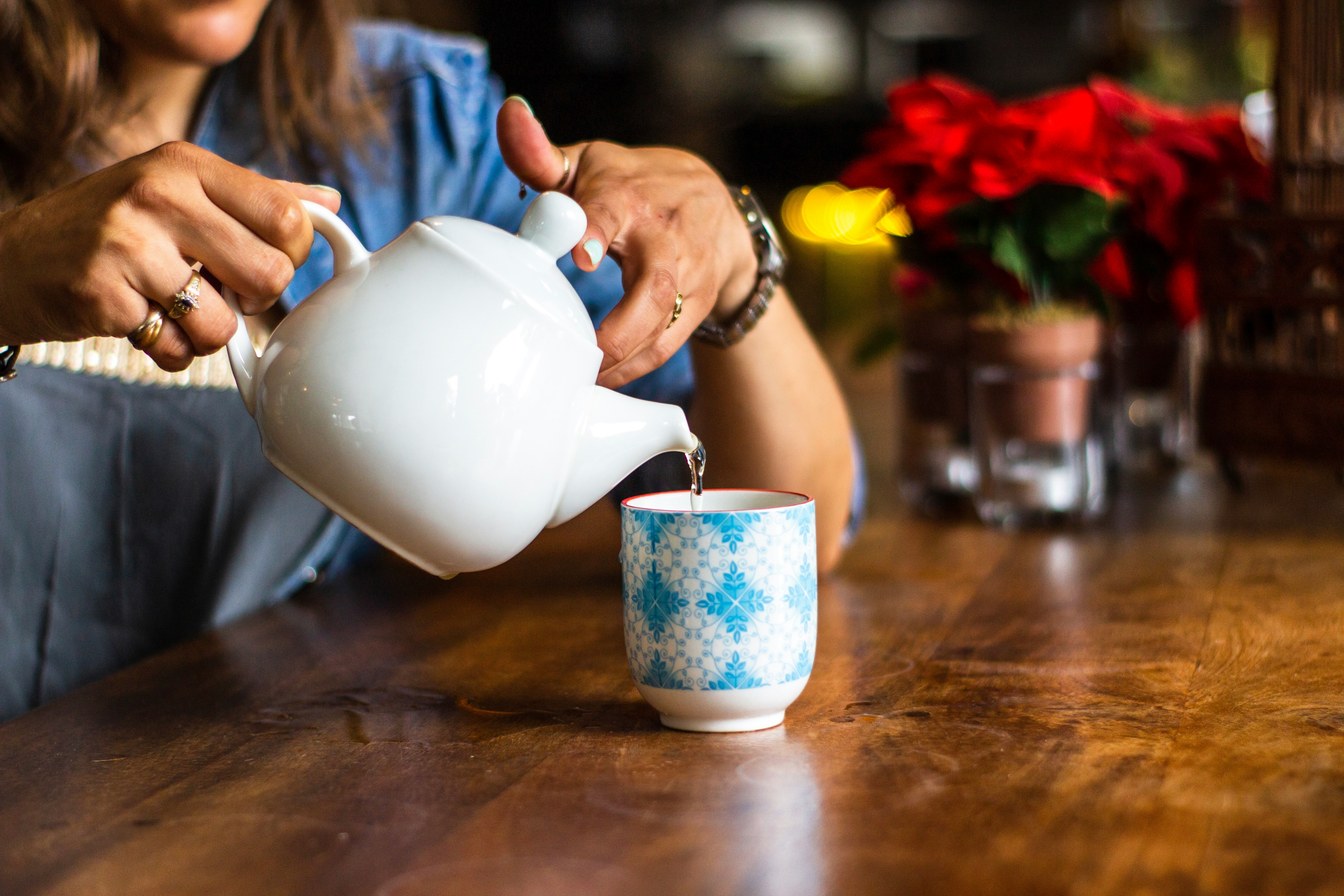
How Different Tea Cups Affect the Taste of Tea and Their Practical Uses in Daily Life
In this article, we will explore the influence of different tea cups on the taste of tea and discuss the practical uses of cups made from various materials in daily life.Influence of Different Tea Cups on Tea Taste:The material and shape of the tea cup can affect the aroma, temperature, and flavor of the tea. For example, porcelain or ceramic cups are preferred for delicate teas like green or white tea as they retain heat well and allow the aroma to develop. On the other hand, glass cups are suitable for enjoying the visual aspects of blooming teas, while clay cups are believed to enhance the flavor of certain types of oolong teas due to their porous nature and ability to absorb the tea's essence. Additionally, the shape and thickness of the cup's rim can also impact how the tea lands on the palate, affecting the overall taste perception.Practical Uses of Cups Made from Different Materials in Daily Life:Porcelain/Ceramic Cups: Besides being ideal for tea drinking, porcelain or ceramic cups are also versatile for serving coffee, hot chocolate, or even as stylish pen holders or small planters for succulents on desks and shelves.Glass Cups: Glass cups are not only perfect for appreciating the color and visual appeal of teas but can also be repurposed as elegant candle holders or flower vases, adding sophistication to any room.