


Best Indian Trails For Hiking Enthusiasts
Home to some of the most amazing and spectacular trails for hiking, India is a country which provides an array of trekking that suits beginners as well as amateurs. The topography of the country, ranging from the snow capped Himalayas to forests filled Western Ghats in west India offers a plethora of challenges that is both monstrous and rewarding for any keen hiker. For Hiking, here are some of the best hiking trails in India.
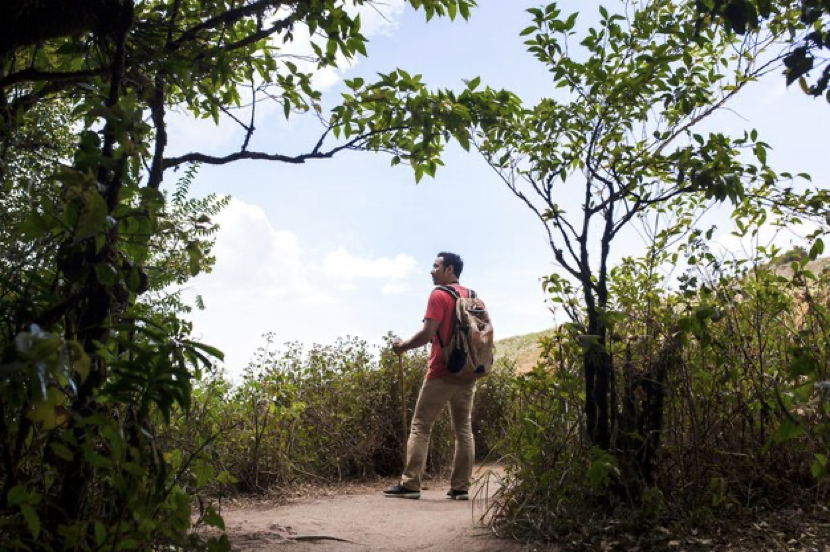
Kedarkantha Trek (Uttarakhand)
Great for newcomers, intermediate trekkers as well the trail passes through cedar, and oak forests with some pine trees on top making a modest gradient that is easy on the knees. The purpose of this trek is to climb till the peak of Kedarkantha, a high elevation which stands at 12,500 feet from where you get an all rounded view, panoramic sightseeing point for the entire Himalayan range. This trek is best done in winter and early spring as the timing offers clean sky with views of snow capped mountains.
Valley of Flowers Trek, Uttarakhand
This trek is every plant men´s dream especially post monsoon when the valley comes alive with a riot of colors and variety alpine flowers. Easy walking, you walk over the glades, herded amplitudes and remoteness of waterfalls with Western Himalayas in dietary background; The trek is short and can be done in a day or two which makes it an ideal option for people who want to take pleasure of the Himalayas without adventuring much.
Sandakphu Trek, West Bengal
If you are someone who wants a longer adventure, we recommend the Sandakphu Trek. This is the highest trek in West Bengal and panoramic view of four out five top most peaks, including Mount Everest ensures your success here. Through rhododendron forests, alpine meadows and even small villages where you can still experience the local culture. The trek is advanced due to its challenging distance and altitude, however, the enchanting view from being at the highest point in all over West Bengal with the supreme colossus of mountains beneath separation will compensate for every arduous steps.
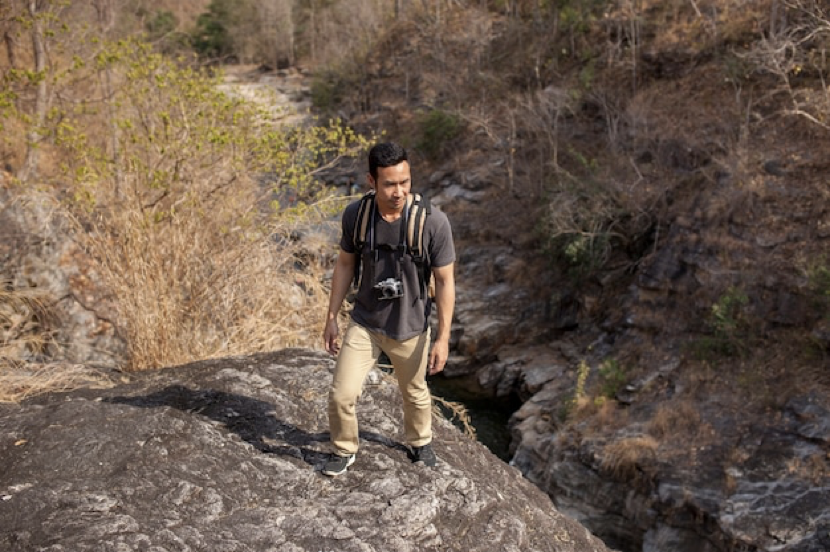
Hampta Pass Trek, Himachal Pradesh
This delightful moderate trek is a hiker's enduring and appealing trekking post for its attractive terrains with ample diversity of flora & fauna. This trail goes from the verdant Kullu Valley to dry, desolate Lahaul crossing Hampta Pass (14000ft). This trek offers striking vistas of the Pir Panjal and Dhauladhar mountain ranges, and is well suited for summer months when weather gets pleasant enough to enjoy them with vibrant wildflowers in full bloom.
Conclusion
In short, spanning from the Himalayan slopes to Valley of flowers in bloom, there is a list much longer that will surprise you with some territories: Every trek is exceptional and defines in its own terms be it a view from Kedarkantha, Valley of Flowers blushing with flowers at every step, cultural peek into Sandakphu or the landscapes of Hampta Pass etc. These are great treks, tough and rewarding for hikers who want to push themselves through the incredible vistas of Indian mountains.
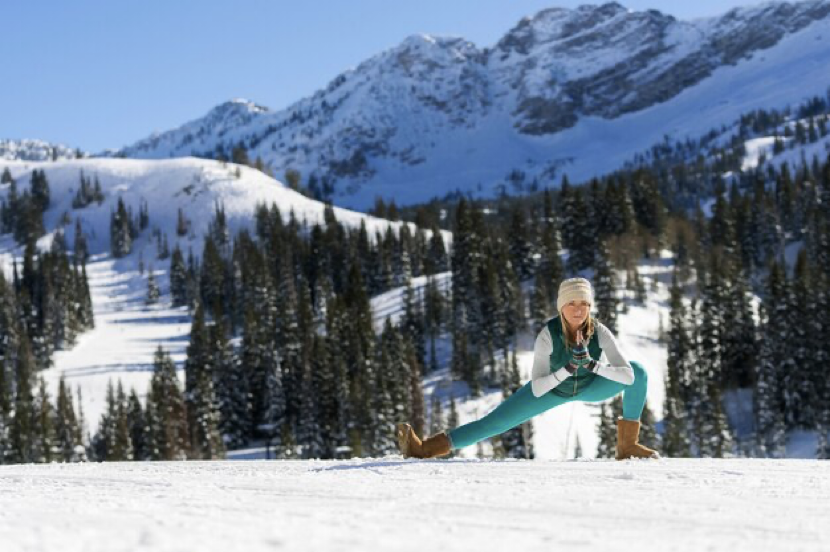
Impact of Snow Shortage on Gulmarg's Ski Resort Village
Bounded by the scenic vistas of the Himalayan Ranges, Gulmarg in Kashmir is a name that instantly brings to mind images of beautiful landscaped gardens and imposing snow-clad mountains. But what has been almost unfathomable in recent years is that the popular ski village, at 2,600 meters, one of the highest cities and the scene for many a slalom World Cup -— started running out of snow. Imported as a tourist who has seen Gulmarg at both its picture-perfect and struggling, I cannot escape to write about the varied consequences of this snow shortage on the village and people there.Situation in Gulmarg’s Ski Resort VillageWhen we reached Gulmarg, the first thing I realized was that everyone around me had been let down. Instead of the gleaming white canvases that drew skiers and boarders from across this country, parts appeared painted in brown earth under thin layers of manmade snow. There was talk everywhere, among locals and travelers alike of the matter; a tale being spun out across every conversation.One of the more immediate consequences was how quickly tourists stopped coming. The allure of newly opened, snowy slopes lures many visitors and that is a big portion missing without skiing. As a result, potential travelers were left let down and decided to head elsewhere on vacation in search of that perfect snowy ski slope. The place felt less like the busy winter village it is supposed to be with fewer skiers in lodges, restaurants and shops reporting a decline in sales.Impacts on BusinessThis decrease would fall particularly hard on local businesses which are most dependent for their livelihoods from the winter tourist season. Hotels and resorts were left with stagnant rooms that usually are full to capacity in peak winter months. With a slack in footfall, restaurant owners who churn out traditional Kashmiri food for tourists were negatively impacted. Its economic ripple effect was stark, affecting everyone from ski rental shops to souvenir stands. Hundreds of small businesses, fighting to stay alive, had no choice but to lay off employees or reduce services-adding more economic woes for the community.More ImpactsAnd not to be ruled out is the psychological trauma among villagers, Skiing has been Gulmarg's hallmark for generations. The lack of snow has not only put their livelihoods at risk, but it has also taken away a sense of pride and continues to pull them apart. The elders described a feeling of nostalgia and mourning as they remembered skiing the slopes in their youth. Fewer chances arose for younger generations, looking to follow in their footsteps as ski instructors or tour guides when the industry was shrinking.A crisis that has seen a remarkable response in terms of local administration and community adapting to find an answer. They have tried to step up snow making and cover the hills with man-made white stuff it has forged from machines instead of God. This comes at a considerable financial and energy cost, but is the only way to keep some kind of skiing season going. On top of that, the village has added to its off-season tourism potential by organizing summer tours including hiking and paragliding along with other cultural visits.ConclusionIn sum, the snow drought has ravaged Gulmarg's ski resort village and hit hard on their economy, culture & eventually the lives of its people. But it has also unleashed a time of reflection and reinvention, propelling fresh ideas for survival and expansion.

Wig Basics
This article will introduce the basic knowledge of wigs, including the types of wigs, materials, selection and care.The type of wig1. Full Wig: A full wig is a wig product that covers the entire head, similar to a hat, and can completely change the hairstyle and hair color. Full wigs are usually made of synthetic or human hair and come with an adjustable cap to accommodate different head sizes.2. Hair Piece: A hair piece is a small piece of wig, usually used to increase the volume of hair or cover certain areas of baldness. Hair pieces can be fixed to natural hair to make the hairstyle more full and natural.3. Hair Extensions: A wig is a long, thin piece of hair that is usually used to extend the length of natural hair. They can be attached to natural hair by means of clips, adhesives, or braiding.4. Hair Toppers: Hair toppers are a type of wig product similar to hair pieces, but larger and thicker, usually used to cover bald or sparse areas on the top of the head.Choose the right wig1. Color and style: Choosing the right wig color and style is very important to ensure that it matches natural hair and meets personal preferences. You can choose a color that is similar to your natural hair, or try new hair colors to add variety.2. Head circumference and size: The wig needs to match the head circumference size to ensure comfort and stability. You can choose the right wig size based on your head circumference, or choose a wig with an adjustable cap.3. Material and quality: Choose the right wig material according to your personal needs and budget. Synthetic wigs are suitable for short-term use and low cost needs, while human hair wigs are suitable for long-term use and higher quality requirements.

The Art of Caring for Solid Wood Furniture
Proper care and maintenance are crucial to preserve its beauty and ensure its longevity. In this article, we will explore the art of caring for solid wood furniture, offering unique tips and insights to help readers keep their cherished pieces in pristine condition.Understanding the Nature of WoodBefore delving into specific care techniques, it's essential to understand the nature of wood itself. Wood is a natural material that responds to its environment. It can expand and contract with changes in temperature and humidity, and it can be susceptible to scratches, stains, and fading if not properly cared for. With this understanding, we can approach the care of solid wood furniture with the respect it deserves.Dust Regularly with CareOne of the simplest yet most important care practices for solid wood furniture is regular dusting. Use a soft, lint-free cloth or a microfiber duster to gently remove dust from the surface. Dust can accumulate and scratch the wood over time, so consistent cleaning is crucial.Protect from Sunlight and HeatDirect sunlight can cause wood to fade and lose its luster over time. To preserve the natural color and beauty of solid wood furniture, it's important to shield it from direct sunlight. Utilize curtains or blinds to minimize exposure, and consider rearranging furniture to reduce prolonged sun exposure.Use Coasters and Protective PadsTo prevent water rings, scratches, and heat damage, always use coasters or protective pads when placing glasses, hot items, or other objects on solid wood surfaces. This simple practice can go a long way in preserving the integrity of the wood.Immediate CleanupAccidents happen, and spills are inevitable. It's essential to clean up any spills or stains immediately to prevent them from seeping into the wood and causing damage. Use a dry or slightly damp cloth to blot and clean up any spills promptly.

Women at Work: Gains in Leadership Roles, But Catching Up to Men Could Take Decades
In recent years, there has been a noticeable shift in the corporate landscape as more women ascend to leadership roles. However, despite these gains, a new report suggests that true gender parity in leadership positions may still be decades away. This article explores the progress women have made in the workplace, the challenges they continue to face, and the implications of these findings for future generations.The Progress MadeThe past decade has seen significant strides for women in the workplace. According to data from the World Economic Forum's "Global Gender Gap Report 2023," women now hold 31.4% of senior management positions globally, up from 24% in 2015. This increase is a testament to the growing recognition of the value women bring to leadership roles, as well as the efforts of organizations to promote gender diversity. In the United States, the percentage of women in senior management roles has risen to 42%, according to a report by Catalyst. Additionally, women now make up nearly 30% of board members at Fortune 500 companies, a significant improvement from the 16% recorded in 2010. These numbers indicate that companies are increasingly prioritizing gender diversity in their leadership teams.The Challenges RemainingDespite these encouraging trends, the road to gender parity in leadership roles remains long and fraught with challenges. One of the most significant obstacles is the persistent gender pay gap. According to the Institute for Women's Policy Research, women in the United States earn 82 cents for every dollar earned by men, a disparity that widens for women of color. This pay gap not only affects women's financial security but also their ability to advance in their careers.Another challenge is the "glass ceiling" phenomenon, where women hit an invisible barrier that prevents them from reaching the highest levels of leadership. This is often due to systemic biases and stereotypes that favor men in leadership roles. For example, women are frequently perceived as less competent or less committed to their careers than men, which can hinder their advancement.Moreover, the COVID-19 pandemic has disproportionately affected women in the workforce. Many women, particularly those in leadership roles, have had to juggle increased caregiving responsibilities while continuing to work, leading to burnout and career setbacks. This "she-cession" has exacerbated existing inequalities and set back progress in gender parity.The Timeframe for Catching UpThe new report, which combines data from various sources, estimates that it could take up to 132 years to achieve gender parity in leadership roles. This staggering figure highlights the magnitude of the challenges women face and underscores the need for sustained efforts to address these issues.The report identifies several key factors that contribute to this slow progress. First, the pipeline of women entering leadership roles is still not sufficient to match the number of men. While more women are entering the workforce, they are not always progressing to the highest levels of leadership. Second, the retention of women in leadership roles is a significant issue. Many women leave their jobs due to lack of support, work-life balance challenges, and the inability to advance.Implications for the FutureThe findings of this report have profound implications for the future of work and gender equality. If current trends continue, it could take generations for women to achieve true parity in leadership roles. This not only affects women but also has broader economic and social consequences.Gender diversity in leadership has been shown to improve organizational performance, innovation, and decision-making. Companies that fail to promote gender diversity may miss out on these benefits and risk falling behind their more inclusive competitors. Additionally, the lack of gender parity in leadership perpetuates systemic inequalities that affect all aspects of society, from education to healthcare to politics.Moving ForwardTo accelerate progress towards gender parity in leadership, several actions are necessary. First, companies must prioritize gender diversity in their hiring and promotion practices. This includes setting clear targets for the representation of women in leadership roles and holding leaders accountable for achieving these targets.Second, organizations need to create supportive environments that enable women to thrive in leadership roles. This includes providing flexible work arrangements, mentorship programs, and leadership development opportunities. Companies should also address the root causes of gender bias and discrimination through training and awareness initiatives.

Senior Housing Choices: Finding CCRCs, Villages and Cohousing
The perfect home for seniors has never been more important as people the world over live longer than ever before. Older adults today want living options that provide not just comfort and safety, but also community, independence and the ability to access care when it's needed. Knowledge of these options can allow seniors and their families the opportunity to make informed decisions for the future.1.Continuing Care Retirement CommunitiesA CCRC is a facility with many levels of care that are housed within the same campus. Residents generally begin in independent living, with private apartments or cottages, social activities and amenities like fitness centers and dining halls. And, as their health care needs shift, they can move easily to assisted living or more intensive skilled nursing care without being forced to pack. This philosophy of “continuum of care” provides comfort in the knowledge that medical and personal assistance is there when needed. Entry fees and monthly fees are typically used to finance them, making CCRCs a substantial investment. But for those who value long-term security and ease of living, this choice brings stability and great care across the various phases of aging.2.VillageIn comparison, the Village movement is all about assisting the elderly in aging in place in their own homes and communities. Villages are nonprofit, member-driven organizations that provide older adults with access to services, volunteers and social activities. With an annual membership fee, members are entitled to resources such as transportation, home-related repairs and social events, promoting a close community while remaining independent. Unlike CCRCs, Villages themselves don't offer medical care, but they're known to partner with local health organizations who can offer assistance. This model is perfect for the seniors who are very attached to their homes and their neighborhoods but require more help and social engagement as they get older. The Village movement is ballooning, especially in urban and suburban areas, where it allows seniors to continue living in the same communities without upending their lives.3.CohousingAnother emerging alternative and trend is Cohousing, a customized living arrangement in which seniors can share common areas and still live independently. Cohousing is unique from typical retirement communities in that it's specifically designed to facilitate interaction, with shared kitchens, gardens, and common spaces. There's strong community involvement, and residents take part in decision-making and often meet for communal meals and activities. This model holds particular appeal for those who value sustainability, social connection and belonging. Although cohousing generally does not offer professional care services, some facilities offer a wellness program, or contract with home healthcare agencies. It can provide an ideal mix of independence and community for seniors who want an active, interdependent lifestyle but don't want the retirement home feel of an institutional setting.The best senior housing option depends on specific needs, whether it is guaranteed care focused on your parents or neighborhood support or a senior community with close integration or a shared living experience. For those who expect to one day require medical help, a CCRCs offer a comprehensive, “nothing left out” lifestyle pattern. Villages are places where you can age in place, with social and practical support; cohousing creates deep links among people who are like-minded. In an ever changing society, these models show that retirement living no longer has to equate with loneliness or loss of autonomy.In the end, it is a personal choice when one considers factors such as monetary considerations and the kind of life they would prefer to have. Through CCRCs, Villages, Cohousing and other options, older adults can also discover a living arrangement that is in line with the way they wish to livee, one that provides comfort, community, and the appropriate level of care as they begin their journey into the next chapter of their lives.