


Ways to Help an Anxious Child with Bedtime
Bedtime can be a challenging time for many children, especially those who experience anxiety. The transition from the day's activities to a quiet, dark room can trigger fear and worry, making it difficult for them to settle down. As a parent or caregiver, understanding how to support an anxious child during bedtime is crucial for their emotional well-being and overall development. Here are some effective strategies to help ease your child's bedtime anxiety.

Create a Calming Bedtime Routine
Establishing a consistent, calming bedtime routine is one of the most effective ways to help an anxious child. Routines provide a sense of security and predictability, which can significantly reduce anxiety.
1. Set a Regular Schedule: Aim for the same bedtime each night, allowing your child to wind down at a consistent hour. This helps regulate their internal clock and makes falling asleep easier.
2. Incorporate Relaxation Activities: Include calming activities such as reading a story, listening to soft music, or practicing deep breathing exercises. These activities can help signal to your child that it’s time to relax.
3. Limit Screen Time: Reduce exposure to screens at least an hour before bed. The blue light emitted by devices can interfere with the production of melatonin, the hormone responsible for sleep. Instead, opt for low-light activities.

Address Fears and Concerns
Anxiety often stems from fears that children may not fully understand or articulate. Taking the time to talk to your child about their worries can help alleviate their anxiety.
1. Open Communication: Encourage your child to express their feelings. Create a safe space where they feel comfortable sharing their fears. Approach these conversations with empathy and without judgment.
2. Validate Their Feelings: Let your child know that it’s okay to feel scared or anxious. Validating their feelings helps them feel understood and less isolated in their experiences.
3. Problem-Solve Together: If your child expresses specific fears, work together to find solutions. For example, if they are afraid of the dark, consider using a nightlight or leaving the door slightly open.

Use Comfort Objects
Many children find comfort in having a special object nearby during bedtime. This can provide a sense of security and help ease anxiety.
1. Stuffed Animals or Blankets: Encourage your child to choose a favorite stuffed animal or blanket to sleep with. These items can serve as emotional support and help them feel more secure.
2. Create a “Worry Box”: If your child has worries that keep them awake, create a worry box where they can write down their thoughts before bed. This physical act of putting their worries away can be therapeutic.

Encourage Independence
Fostering a sense of independence can help reduce anxiety around bedtime. Empowering your child to take control of their bedtime routine can increase their confidence.
1. Involve Them in Decisions: Let your child choose their pajamas, bedtime story, or even the order of their routine. This involvement fosters a sense of ownership and control.
2. Gradual Separation: If your child struggles with separation anxiety, try gradually reducing the time you spend in the room. Start by sitting with them until they fall asleep, then slowly move further away each night.
3. Positive Reinforcement: Celebrate small successes. If your child stays in bed for a certain period or falls asleep without calling for you, offer praise or a small reward to reinforce their progress.

Be Patient and Consistent
Finally, patience and consistency are key when helping an anxious child with bedtime. Anxiety may not resolve overnight, and it’s important to remain supportive throughout the process.
1. Stay Calm and Reassuring: Your demeanor can influence how your child feels. Stay calm, reassuring, and consistent in your approach, even if they resist initially.
2. Reassess and Adjust: If certain strategies aren’t working, be open to reassessing your approach. Every child is different, and what works for one may not work for another.
3. Seek Professional Help if Needed: If your child’s anxiety is severe or persists despite your efforts, consider consulting a child psychologist or counselor. Professional support can provide additional strategies tailored to your child's needs.

To conclude, by implementing these strategies, you can help your anxious child navigate bedtime with greater ease and confidence, fostering a more restful environment for both of you.

Chair Yoga: Why It’s a Beneficial Routine for the Desk-bound
In today’s fast-paced world, where many of us spend hours hunched over desks, the search for effective ways to stay active and relieve stress has never been more crucial. Enter chair yoga—a practice that is not just for older adults but a beneficial routine for people of all ages, particularly those who find themselves desk-bound for extended periods. This article explores the numerous advantages of chair yoga and why it’s an accessible and effective solution for everyone.What Is Chair Yoga?Chair yoga is a modified form of yoga that allows individuals to perform poses while seated in a chair or using a chair for support. This makes it an excellent option for those with limited mobility, chronic pain, or anyone who may feel intimidated by traditional yoga classes. The beauty of chair yoga lies in its adaptability; poses can be tailored to suit individual needs and levels of experience.Benefits for the Desk-Bound1. Alleviating Physical DiscomfortMany desk-bound workers experience discomfort due to prolonged sitting, leading to issues such as back pain, neck strain, and poor posture. Chair yoga offers gentle stretches that can help alleviate tension in these areas. Simple movements can relieve tightness in the hips, shoulders, and lower back, leading to improved comfort and physical well-being.2. Encouraging Movement Throughout the DayIncorporating chair yoga into your workday encourages regular movement, countering the adverse effects of sitting for long periods. Even short sessions of chair yoga—just five to ten minutes—can invigorate the body and mind. These breaks can lead to increased energy levels, better concentration, and enhanced productivity, making it easier to tackle tasks with renewed focus.3. Reducing Stress and AnxietyThe practice of yoga, including chair yoga, emphasizes mindful breathing and relaxation techniques. For those who are desk-bound, stress can accumulate throughout the day, negatively impacting mental health. Chair yoga promotes relaxation and mindfulness, helping to reduce stress and anxiety levels. Simple breathing exercises and meditative practices can help clear the mind, allowing for greater emotional balance and resilience.

Choosing the Right Footwear: A Guide to Fall-Prevention Shoes for Seniors
Key Features of Senior-Friendly ShoesWhen buying shoes for elderly, consider non-skid rubber soles with deep tread patterns that provide the best grip on a variety of surfaces. Seek out low, wide heels (no more than an inch) that offer stabilizing support without hampering your equilibrium. Shoes must have good heel counters and proper arch supports to keep the feet in their natural position. Get the ones that adjust like Velcro or elastic laces so you can expand with foot swelling, but while still feeling secure on your feet. Lightweight construction minimizes fatigue when you wear all a day long just like padded collar prevents ankle discomfort.Shoes for Specific Health ConditionsSpecific foot health considerations should be used when selecting an appropriate athletic or walking shoe for older adults.1.Accessibility/ Balance: The elderly people often have balance difficulties; thus the shoes with wide soles and low heels can help them to improve their stability. Orthotic shoes with deep grip soles and enhanced ankle support are also a good choice for those who wish to prevent falls.2.Arthritis: For an elderly with arthritis, the more shock-absorbing and cushioning materials in the shoes, the better. Rocker-bottom shoes are designed to decrease joint pressure by encouraging a natural walking gait.3.Diabetes: Footwear that is designed to keep you safe from foot ulcers for older people with diabetes. Shoes with deeper depth, seamless insoles and soft cushioned materials may be beneficial to reduce friction on the foot and bony prominence.Footwear Types to AvoidSome shoes pose an enormous risk of falling and are not welcome additions to any senior's closet. High heel and platform shoes push the body weight forward, destabilizing the wearer.Backless slippers and loose flip-flops don't provide support to the heel, and they can slip off far too easily when on stairs. Worn-out athletic shoes with flat, polished soles for example lose all traction; at the other extreme, sneakers designed for very cushioned heels have specifically thickened sole zones that prevent feeling the ground.Footwear that doesn't fit well, whether too tight or too loose, can lead to pain, numbness or blisters that change the way a child walks.Recommended Shoes for the Elderly1.Propet Stability X: The Propet Stability X offers stability with cushioning and easy to adjust hook-and-loop closure systems. The adjustable strap makes this the perfect fit. They happen to be Medicare-approved shoes, so they are also an excellent value for seniors with certain health conditions.2.Skechers GOwalk 5: The Skechers GOwalk 5 slip-on is not only light, but comfortable, and it's an easy sneaker to put on for those seniors who have problems tying shoelaces. Thoughtful design with breathable material, cushioned foot bed and rubber outsole makes it the perfect everyday casual option.3.New Balance 928v3 walking shoes: The New Balance 928v3 is one of the most popular sneakers for those on their feet all day, or anyone who need additional arch support, cushioning and stability. With the anti-roll feature it controls the movement of rear foot for those who have trouble balancing.Essential Shoe Maintenance TipsShoe maintenance increases lifespan and protects safety properties. Check soles to monitor wear patterns monthly; uneven wearing is a sign of needing replacement. Scrub rubber soles regularly with a mild soap, as dirt is the number one killer of grip. Do keep shoes dry and don't leave them near direct heat sources, which break down materials. Treat leather shoes with conditioner every three months to avoid cracking. Arguably most importantly is to replace walking shoes every 6-12 months depending on how often you use them, no matter if they look okay.Rediscovering the joy of walking safely. The elderly can now enjoy a safe and sure way to walk indoors and outdoors. With the right footwear, and taking care of it, seniors can walk confidently and with less risk of falling.

Enigma of Loch Ness
In the case of Loch Ness, which is Scotland's second-largest loch by surface area has become one with a legend that dates them back to some medieval narratives about reports believed in fact being true regarding experiences people had while party hunting and looking for food. Though the validity of this legend has never be confirmed, Loch Ness and its mystery continues to capture the imaginations of people all over—as well as their willingness cross it off on their bucket list.Overview of Loch Ness MonsterThere is even much doubt about whether there actually are such things as the Loch Ness Monster, or 'Nessie', however the legend has endured for centuries. Tales of a monster in the loch date from about 560, when St. Columba is supposed to have seen one in the Loch Ness. But the contemporary obsession with this monster actually goes back to 1933 when a spate of sightings in Loch Ness captured international interest.The loch alone is a site of breath-taking natural grandeur. Measuring about 23 miles long, the loch reaches a depth of 788 feet, making it one of the largest fresh water bodies in Great Britain. The dark cold waters and haunting sea loch, highlands hills and castles definitely give that whole sector an air of mystique.Mysteries in Loch NessThis search for the monster has since become something of a tourist attraction and, whilst numerous expeditions have been undertaken to investigate these claims over the years; no concrete proof that Nessie is real ever seems to surface. Theories abound, from giant eels to misidentified seiches caused by natural phenomena or hoaxes. Still, the fascination persists and with 1155 official sightings to date, the legend of Loch Ness lives on.More than just the monster, Loch Ness is a virtual paradise for nature lovers. Nessie is one of the most well-known mythical creatures and has become an international phenomenon credit: The loch forms a part of (and quite distinct from) that broader Caledonian Canal system which connects bodies of water across Scotland, it is in designated areas including protected waters forming key parts for completion on the Loch Ness 360° trail, an epic "new" activity trail offering those who dare to walk, cycle or run it up to nearly 80 miles worth.More EnigmasIt is also home to a number of hidden treats that are waiting for visitors. From the ancient Inverfarigaig Pier where you can enjoy great views of Loch Ness, to Suidhe Viewpoint is one of those trekking peaks which offers intact natural surroundings. Paddle the Great Glen, canoeing is an outdoor activity available to all, young and old alike, keen sportsperson or first-timer but undoubtedly one that leaves its impression like no other.Apart from the loch itself there are waterfalls, forest and hidden lochs throughout its environs. One such hidden gem is Plodda Falls, the tallest waterfall in the area located on north side of loch. Farigaig Forest, filled with wildflowers & butterflies, also garden for red squirrels -boasts a viewing point from where to look at dramatic rocky outcrops and hidden small lochs.ConclusionFor now, while the legend of Nessie might be what brings most people here in the first place, it is the untouched beauty and patchwork history which makes Loch Ness so special. Believe in the monster or not, a trip to Loch Ness is both enthralling and unforgettable.

Ways to Help an Anxious Child with Bedtime
Bedtime can be a challenging time for many children, especially those who experience anxiety. The transition from the day's activities to a quiet, dark room can trigger fear and worry, making it difficult for them to settle down. As a parent or caregiver, understanding how to support an anxious child during bedtime is crucial for their emotional well-being and overall development. Here are some effective strategies to help ease your child's bedtime anxiety.Create a Calming Bedtime RoutineEstablishing a consistent, calming bedtime routine is one of the most effective ways to help an anxious child. Routines provide a sense of security and predictability, which can significantly reduce anxiety.1. Set a Regular Schedule: Aim for the same bedtime each night, allowing your child to wind down at a consistent hour. This helps regulate their internal clock and makes falling asleep easier.2. Incorporate Relaxation Activities: Include calming activities such as reading a story, listening to soft music, or practicing deep breathing exercises. These activities can help signal to your child that it’s time to relax.3. Limit Screen Time: Reduce exposure to screens at least an hour before bed. The blue light emitted by devices can interfere with the production of melatonin, the hormone responsible for sleep. Instead, opt for low-light activities.Address Fears and ConcernsAnxiety often stems from fears that children may not fully understand or articulate. Taking the time to talk to your child about their worries can help alleviate their anxiety.1. Open Communication: Encourage your child to express their feelings. Create a safe space where they feel comfortable sharing their fears. Approach these conversations with empathy and without judgment.2. Validate Their Feelings: Let your child know that it’s okay to feel scared or anxious. Validating their feelings helps them feel understood and less isolated in their experiences.3. Problem-Solve Together: If your child expresses specific fears, work together to find solutions. For example, if they are afraid of the dark, consider using a nightlight or leaving the door slightly open.Use Comfort ObjectsMany children find comfort in having a special object nearby during bedtime. This can provide a sense of security and help ease anxiety.1. Stuffed Animals or Blankets: Encourage your child to choose a favorite stuffed animal or blanket to sleep with. These items can serve as emotional support and help them feel more secure.2. Create a “Worry Box”: If your child has worries that keep them awake, create a worry box where they can write down their thoughts before bed. This physical act of putting their worries away can be therapeutic.Encourage IndependenceFostering a sense of independence can help reduce anxiety around bedtime. Empowering your child to take control of their bedtime routine can increase their confidence.1. Involve Them in Decisions: Let your child choose their pajamas, bedtime story, or even the order of their routine. This involvement fosters a sense of ownership and control.2. Gradual Separation: If your child struggles with separation anxiety, try gradually reducing the time you spend in the room. Start by sitting with them until they fall asleep, then slowly move further away each night.3. Positive Reinforcement: Celebrate small successes. If your child stays in bed for a certain period or falls asleep without calling for you, offer praise or a small reward to reinforce their progress.Be Patient and ConsistentFinally, patience and consistency are key when helping an anxious child with bedtime. Anxiety may not resolve overnight, and it’s important to remain supportive throughout the process.1. Stay Calm and Reassuring: Your demeanor can influence how your child feels. Stay calm, reassuring, and consistent in your approach, even if they resist initially.2. Reassess and Adjust: If certain strategies aren’t working, be open to reassessing your approach. Every child is different, and what works for one may not work for another.3. Seek Professional Help if Needed: If your child’s anxiety is severe or persists despite your efforts, consider consulting a child psychologist or counselor. Professional support can provide additional strategies tailored to your child's needs.
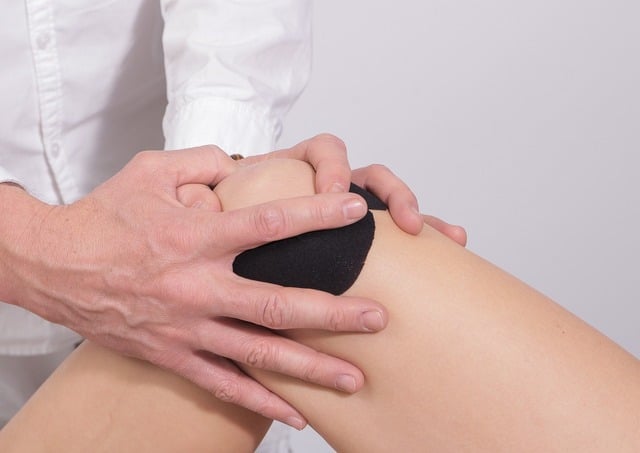
Natural Treatments for Knee Osteoarthritis
Degenerative joint disorders, such as knee osteoarthritis, are a frequent joint disease around the world and millions of people suffer from pain, stiffness, and disability in their joint. Although conservative treatments (i.e. painkillers, physiotherapy, or surgery) are frequently suggested, commonly patients turn to alternative methods to deal with the symptoms with less side effects. These techniques presents a comprehensive approach to treating knee osteoarthritis, aimed at providing relief of both the physical and psychological.1.AcupunctureOne of the most common alternative treatments for knee osteoarthritis is a traditional Chinese practice called acupuncture which small needles are inserted and manipulated at various points in the body. Studies show that acupuncture can trigger the release of endorphins, as well as increase blood flow to the affected joint. And it can be noticed that, with consistent treatments, a lot of clients will have less pain, more mobility. Individuals respond to acupuncture differently, it can be costly, and if you haven’t found any relief after four visits, chances are it’s not going to be helpful, but it is safe when provided by a licensed acupuncturist, and that may be particularly appealing for those who don’t want to take a medication.2.Glucosamine and Chondroitin SupplementsThese are the two most common oral supplements sold for joint pains. They’re said to promote healthy joints by decreasing inflammation and preserving cartilage. Long-term use might ease pain and improve mobility, according to some studies, although the outcomes will depend on severity of osteoarthritis. These supplements are not a panacea, but are considered as part of an overall anti-pain programme especially for those who prefer a more natural way of pain relief as opposed to taking prescription medication.3.MassageAnother alternative therapy is massage which can offer relief by easing muscle tension and increasing circulation in the area of the knee. Talented therapists perform deep tissue or myofascial-release massage, pinpointing tight muscles and connective tissue that might be causing joint discomfort. Routine sessions may help reduce stiffness and increase flexibility, providing a non-invasive method of relieving symptoms. Some patients use massage in combination with other treatments such as application of heat for extra comfort.4.Heat and Cold TherapyAlthough quite basic, heat and cold are still considered tried and true methods for alleviating osteoarthritis pain. Using heat by using warm compresses or heating pads help to relax stiff muscles, boost blood circulation, but if you use cold packs, it might numb the pain and reduce the swelling. Many people use both, switching them based on their symptoms applying heat in the morning to loosen the joint up followed by cold after activity to reduce inflammation. This low cost approach may be integrated into daily practice for maintenance of symptoms.5.Chiropractic AdjustmentIf we think of chiropractic adjustment more in the context of back pain, this study tells us that it can also provide relief to those suffering from knee osteoarthritis. Joint mobilization (chiropractic treatment) has the potential to restore normal alignment and lessen stress on surrounding tissues. They can help correcting these imbalances in your musculoskeletal system and return to proper movement patterns and reduce the stress on your knees. Although not an independent treatment, chiropractic can be a useful addition to a multidisciplinary pain management program.Although these treatment options may not fully substitute conventional medical treatments, they offer a good selection for people who may wish to seek an adjunct way for relieving knee osteoarthritis. Whether it’s acupuncture’s pain-dulling effects or the structural benefits from chiropractic manipulations, people have a variety of options to find comfort. Incorporating one or more of these interventions — with professional guidance — could make a huge difference to your quality of life, giving those with knee osteoarthritis back the freedom to move. Of course, speaking with your doctor anytime you're trying a new treatment will ensure it is safe and tailored to your joint health.