


Mysterious “Ghost Ships” in the Baltic Sea
Many secrets are held within the vast and mysterious body of water that is the Baltic Sea, between Europe's northern coasts. Its greatest unknowns, however, are the "ghost ships", abandoned and coasting slowly across its waters with deteriorating hull planks beneath them and silent decks bathed by unwavering moonlight. These are the spooky relics of an era that's long past, these echoes from times forgotten bear witness to human folly and extinctions (both literal and otherwise) but also time itself—in matters & worlds.

Overview of the Ghost Ships
When even the most battle hardened sailor first stakes eyes on a ghost ship it sends chills down their spine. A bit more beguiling are the derelict ships, typically freighters or fishing boats gone to seed, ghostlike and woebegone with broken windows that have crumbled into filigrees of crushed glass; paint peeling away in brittle shards beneath winds gusting along constricted openings between condemned warehouses crowded together harbor side as rigging sags where it tangles over ribs etched dark against rust-eaten skins. They floated along with the currents, engines muted as if steered by ghosts.
The loss of life on the MV Estonia was near 900 Ghost ship, some of them are for sure well-known from the Baltic like Swe. The wreckage is decaying deep at the bottom of the sea, but its ghost lingers, seen as a haunting beacon or maritime tragedy. But the Estonia is only one among many. The other ghost ships, the ones we do not sing songs about, drift uncharted; ghosts lost to time.

Reasons to the Ghost Ships
Why these ships were abandoned is anyone's guess, and like the vessels themselves it could be any of ten-lost reasons. Others were wrecked in storms and never had their crew come to shore again. In other cases, they were taken by pirates or crashed due to mechanical breakdown. The rest were abandoned in dry docks where they slowly rotted, relics of the maritime industry that built and then quit on them.
As time goes by, these ghost ships get older and in worst conditions. Their wooden decks rot and their metal frames rust. Their cracks become homes to sea creatures, their hulls overgrown with algae. Now and then their thinned bodies wash ashore in fossil parts, scavenged by the waves for strangers perusing or native fishermen.
Effects from Ghost Ships
Besides the large number of these abandoned ships and dwindling sailing stock, they cause significant adverse environmental effects. Oil & other impurities can seep into the water which then decreases in value and is harmful to marine life. The ships themselves may also be hazards to navigation for other vessels. Then there is the aesthetic and emotional cost those floating tombs present; a constant symbol of human suffering.
There are attempts to clear the Baltic Sea of these ghost ships. However, the work is overwhelming and requires enormous resources. Until then, these ghostly remains keep wandering around the sea with their stories buried beneath the ocean surface for someone to enlighten.
Conclusion
The Baltic Sea ghost ships are a little more than empty hulls. They are human history chiseled in granite, victories and defeats etched on the stone of hundreds of thousands of lives lived. In all the ghosts that sail these waters of ancient sea we must remind us this; in what they are telling grows a fragility to human endeavor and how critical remembering is on our way forward.

Flying Business Class Is Not a Dream
Flying business class is something that is a dream for a lot of travelers, given the added comfort, better service, and overall pleasurable experience associated with it. But the cost can feel out of reach. But with some strategy and smart tips, you can fly business class for less than you might think.1.Book Early or Last MinuteIt’s possible — booking your flight many months in advance can often net a better deal on business class tickets. Most airlines make available only a handful of discounted seats at first. On the flip side, last-minute deals can be gold. Airlines will occasionally discount prices on the few remaining business class seats close to departure. If you have flexibility with your travel dates, your chances of finding a bargain will be that much higher.2.Travel by Using Your Frequent Flyer Miles and PointsJoin the airline loyalty programs and utilize co-branded credit cards to rack up points when you spend on daily items. Many airlines offer substantial sign-up bonuses that can add up to a business class ticket fairly quickly. Also, if you have flexible reward points like Chase Ultimate Rewards or American Express Membership Rewards, find out whether transferring points to an airline partner would yield better value than redeeming them that way.3.Discover Error Fares and Special PromotionsSometimes airlines mess up when pricing tickets, and you end up with a steeply discounted business class fare. Specialist sites such as Secret Flying and Airfarewatchdog are set up for doing this kind of work on error fares. Also, look for special promotions and sales. Airlines frequently have sales, particularly during slower travel periods where the discounts on business class tickets can be significant.4.Look for Alternate Airports and RoutesSometimes, taking off or landing at alternative airports has cheaper business class prices. If you’re heading to Europe, for instance, you might fly into a major hub like London or Frankfurt and then hop on a budget airline to your final destination. Likewise, indirect flights with layovers tend to be cheaper than non-stop routes. It can take longer, but the savings can be significant.5.Upgrade with Cash or MilesIf an outright business class ticket is just too expensive, look at buying an economy ticket and upgrading. You can offer to pay for an upgrade, or use miles to book a better seat on many airlines. Follow upgrade offers as your departure date draws closer. Airlines may reduce the cash or miles necessary to fill leftover business class seats.6.Travel in Off-Peak TimesBusiness class seat demand also varies throughout the year. The off-peak travel seasons, like late in winter or early in fall, generally come with a lower price tag. Avoiding major holidays and school vacation periods is also a good way to find cheaper fares. In addition, flights in the mid-week, compared to the weekends, are much cheaper.7.Book Through Travel Agencies and ConsolidatorsTravel agencies and ticket consolidators sometimes have access to discounted business class fares not available to the general public. These companies buy tickets in bulk and can save you a ton of money. Do your homework, though, and comparison shop — the myriad of agencies you can find online vary widely in terms of cost and quality.8.Look for Budget AirlinesCertain airlines are notorious for having lower business class fares. Airlines like Turkish Airlines, Qatar Airways, and Etihad tend to offer superb value, for example. Inspire yourself and new destination ideas through your favourite airlines. Newer airlines or airlines that expand their route offerings may also provide introductory savings to reach new customers.9.Be Flexible and PersistentHow do you get a cheap business class ticket? Monitor airline websites, create fare alerts and be prepared to book when you see a good price. If you’re flexible, to be patient and make it work, you’ll get rewarded down the line.So there we have it, with frequent flyer miles, keeping an eye out for promotions, and being flexible with your travel plans, you can score business class seats without the business class price tag.
Five Must-Have Gym Apparatuses for Beginners at Home
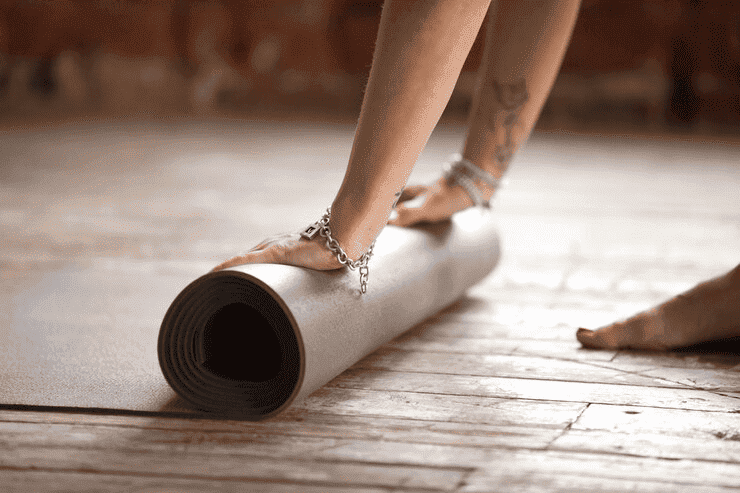
Embarking on a fitness journey from home can be invigorating and daunting, particularly for newbies. This might be one of the most overwhelming options regarding how to exercise. But a basic yet efficient home gym doesn't have to be expensive or take up a lot of room. Here's five must-have bits of kit that every newcomer should consider bringing to the table in order to maximize a home workout set-up.1.Yoga MatsOne of the most basic but essential items for your home gym is a yoga mat. Whether you are performing body weight exercises, stretching, yoga or Pilates, a high quality mat cushions your joints and helps prevent slippage between you and the floor. It creates a workout spot and keeps floor exercises such as planks, pushups and core work comfortable. Many novices tend to disregard the value of a mat until they have to do sit-ups on a hard floor, rest assured that sitting on one while at rest feels a whole lot better. Look for a non-slip, medium-thickness mat that strikes a balance between support and portability.2.Resistance BandsResistance bands are some of the most underrated but effective tools for beginners. These budget-friendly, lightweight bands come in different resistance levels, so you can work your way up in intensity as you get stronger. They're great for strength training, mobility work and even stretching. Resistance bands are compact and fit in a drawer as opposed to your standard clunky metal weights, so are also perfect for those with a tight amount of space to work out in. You can do squats, glute bridges, arm curls and even assisted pull-ups with them. Resistance bands are so versatile that they are an essential addition to the muscle building programme of anyone wishing to keep in shape without investing in bulky equipment.3.Adjustable DumbbellsAdjustable dumbbells are also an important piece of equipment. Although body weight exercises are excellent and are considered strength training exercises, using some light to moderate resistance can help speed up your strength gains. Adjustable dumbbells save space, and you don't have to waste time changing your weight plates. Beginners can begin with lower weights and progress to exercises such as bicep curls, shoulder presses and lunges, increasing the weight as their strength does. You only have to worry if you buy or prefer to work off weights that have big end that allow you to grow a big neck and that's with your table or floor, so dumbbells are also great for improving balance and coordination, which makes them a smart choice in a home that shouldn't run out of value anytime soon.4.Jump RopesA jump rope is an essential part of any home gym. Commonly perceived as a child's pastime, jumping rope is in fact a kickass full-body cardio exercise that burns calories, enhances coordination, and increases endurance. It's a great replacement for going for a run, especially if you don't have much outdoor space to move in. Newcomers can begin with basic hops and add advanced techniques, double-unders or crisscrosses, as they improve. You just need a lightweight and adjustable jump rope to rev up your heart in a matter of minutes.5.Stability BallsAt last, a stability ball (or Swiss ball) is an excellent device for core stability, balance training, and flexibility. Try sitting on a stability ball at work instead of a chair to work your core while at rest, or perform ball crunches, hamstring curls or back extensions to mix-it up during your workouts. Stability balls are available in various sizes, and by choosing one according to your height, you will be able to adopt correct technique and experience optimal results. They are also ideal for stretching post-workout to increase mobility.It doesn't have to be complicated or break your bank to start a home gym. Here, the five things first-time exercisers should invest in for a total beginner's workout space that covers all the bases of strength, cardio, and flexibility training, a yoga mat, a set of resistance bands, adjustable dumbbells, a jump rope, and a stability ball. These tools grow with you, too, providing endless opportunity for challenge as you get fit.

Choosing the Right Footwear: A Guide to Fall-Prevention Shoes for Seniors
Key Features of Senior-Friendly ShoesWhen buying shoes for elderly, consider non-skid rubber soles with deep tread patterns that provide the best grip on a variety of surfaces. Seek out low, wide heels (no more than an inch) that offer stabilizing support without hampering your equilibrium. Shoes must have good heel counters and proper arch supports to keep the feet in their natural position. Get the ones that adjust like Velcro or elastic laces so you can expand with foot swelling, but while still feeling secure on your feet. Lightweight construction minimizes fatigue when you wear all a day long just like padded collar prevents ankle discomfort.Shoes for Specific Health ConditionsSpecific foot health considerations should be used when selecting an appropriate athletic or walking shoe for older adults.1.Accessibility/ Balance: The elderly people often have balance difficulties; thus the shoes with wide soles and low heels can help them to improve their stability. Orthotic shoes with deep grip soles and enhanced ankle support are also a good choice for those who wish to prevent falls.2.Arthritis: For an elderly with arthritis, the more shock-absorbing and cushioning materials in the shoes, the better. Rocker-bottom shoes are designed to decrease joint pressure by encouraging a natural walking gait.3.Diabetes: Footwear that is designed to keep you safe from foot ulcers for older people with diabetes. Shoes with deeper depth, seamless insoles and soft cushioned materials may be beneficial to reduce friction on the foot and bony prominence.Footwear Types to AvoidSome shoes pose an enormous risk of falling and are not welcome additions to any senior's closet. High heel and platform shoes push the body weight forward, destabilizing the wearer.Backless slippers and loose flip-flops don't provide support to the heel, and they can slip off far too easily when on stairs. Worn-out athletic shoes with flat, polished soles for example lose all traction; at the other extreme, sneakers designed for very cushioned heels have specifically thickened sole zones that prevent feeling the ground.Footwear that doesn't fit well, whether too tight or too loose, can lead to pain, numbness or blisters that change the way a child walks.Recommended Shoes for the Elderly1.Propet Stability X: The Propet Stability X offers stability with cushioning and easy to adjust hook-and-loop closure systems. The adjustable strap makes this the perfect fit. They happen to be Medicare-approved shoes, so they are also an excellent value for seniors with certain health conditions.2.Skechers GOwalk 5: The Skechers GOwalk 5 slip-on is not only light, but comfortable, and it's an easy sneaker to put on for those seniors who have problems tying shoelaces. Thoughtful design with breathable material, cushioned foot bed and rubber outsole makes it the perfect everyday casual option.3.New Balance 928v3 walking shoes: The New Balance 928v3 is one of the most popular sneakers for those on their feet all day, or anyone who need additional arch support, cushioning and stability. With the anti-roll feature it controls the movement of rear foot for those who have trouble balancing.Essential Shoe Maintenance TipsShoe maintenance increases lifespan and protects safety properties. Check soles to monitor wear patterns monthly; uneven wearing is a sign of needing replacement. Scrub rubber soles regularly with a mild soap, as dirt is the number one killer of grip. Do keep shoes dry and don't leave them near direct heat sources, which break down materials. Treat leather shoes with conditioner every three months to avoid cracking. Arguably most importantly is to replace walking shoes every 6-12 months depending on how often you use them, no matter if they look okay.Rediscovering the joy of walking safely. The elderly can now enjoy a safe and sure way to walk indoors and outdoors. With the right footwear, and taking care of it, seniors can walk confidently and with less risk of falling.

Fluoride in Water: Preventing Cavities or Posing Health Risks?
Fluoride, a mineral found naturally in water, soil, and various foods, has been a topic of debate for decades, particularly regarding its use in public water supplies. While many studies indicate that fluoride effectively reduces dental cavities, concerns about potential health risks have also emerged.The Benefits of FluorideFluoride possesses the capability to enhance the teeth enamel, which means there is no chance for decayed teeth to grow. After taking or applying fluoride, it will melt into your teeth, cross every crack of your teeth and finally become a part of your teeth. This process can prevent the corrosion from dental plaque bacteria and sugar in the mouth. Quite a few researches show that dental caries incidence is much lower in those who drink fluorinated water.US Center of Disease Control and Prevention reported that the study that fluoride in water can prevent cavities is one of the most successful public health achievement in the 20th century. And it also mentioned in its official website that fluoride can reduce the lifelong caries incidence among no matter children or adults almost 25%. Thereby, making full use of the fluoride in water is quite useful for the people who have limited chances to access medical and dental protection. In this case, this makes fluoride an important public health advance in the prevention of tooth decay.The Health Risks of FluorideAlthough fluoride is proved to be actually conducive to your teeth, its adjunction in public water arouses residents’ worries on its potential health risks. One of the most important problem is dental fluorosis which is a allochromatic symptom caused by touching excessive fluoride in childhood. Although fluoride teeth just affect your appearance and do no harm, severe fluoride teeth will make us painful and bitter.Except for dental fluorosis, more studies show the fluoride do have some potential relations with other health problems. High concentrations of fluorine brings adverse impacts to bone health and even make the opportunities of fracture rise. Besides, there are also some worries on thyroid function, for extra fluoride interferes synthesis of the thyroid hormone which plays a crucial role in the metabolism.Balancing Benefits and RisksHowever, these undisputed benefits of fluoride for cavity prevention must still be carefully weighed against legitimate risks when debating fluoride levels in drinking water. The yardstick of around 0.7 parts per million (ppm) has been speared for us by public health authorities such as the Centres for Disease Control and the American Dental Association, who said that this is a safe and effective treatment for the teeth.The emergence of fears about the dangers of fluoride has led to communities examining their positions on the chemical's presence. A few locations in the United States right now are debating whether or not to continue adding fluoride to their water supplies, echoing wider concerns in the public. More often than not, this move is because they are increasingly seeking a more natural water supply and have worries about mass medication of the population without individual consent.

An Overall Summary of Machine Learning's Roles
Whether it's tailored content on streaming sites or self-driving cars that can melt into, say, Tehran traffic, machine learning's implications are vast and, in some cases, still not fully understood. To understand the impact fully, one must look more closely at the role machine learning is playing in our world, at its benefits, challenges, and what it may hold in future.Machine learning is, essentially, a sub-type of artificial intelligence that teaches computer systems to learn from data, recognize patterns and make decisions, all with little human intervention. However, unlike typical programs that you hand to the PC to follow, ML models learn by being given lots and lots of data. This adaptability and versatility is what makes machine learning so useful in applications where there's a large amount of data, but manual analysis would be neither feasible nor comprehensively reproducible.Consumer tech is one of the most obvious use-cases for machine learning. Companies such as Netflix, Amazon, and Spotify use ML algorithms to understand user behaviour and to provide recommended content. These solutions not only improve the user experience, but they also increase engagement and money. Likewise, virtual assistants like Siri, Alexa, and Google Assistant use a form of machine learning called natural language processing (NLP) to understand and answer human questions. The ease of use of such technologies is a testament to ML's impact on making tasks easier and more accessible.Outside of the consumer space, machine learning is transforming the world of healthcare, finance and manufacturing. ML algorithms are also employed in healthcare to diagnose diseases, forecast patient sickness, and even help discover new drugs. For example, image recognition models are able to closely and effectively analyze medical scans, helping radiologists diagnose conditions such as cancer more rapidly. In finance, machine learning ensures the industry can keep its fraud detection systems, algorithmic trading and credit scoring running optimally while diminish risks and streamline business operations. On the manufacturing front, predictive maintenance with ML prevents downtime by predicting ahead of time when equipment failure might strike.Despite its benefits, machine learning is not free of challenges. One of the main concerns is ethical consideration of discrimination in algorithms. Because ML models are trained on historical data, they can pick up biases and unfairly biased outcomes can then occur in hiring, lending, law enforcement and other areas. This problem can only be tackled by ensuring fairness in the training data, and by creating fair-aware algorithms. Moreover, the “black box” problem for some ML models, especially deep learning algorithms, has the potential to compromise transparency. When decisions are rendered by complex algorithms that the designers themselves cannot fully understand, the issue of accountability looms large.Another issue is the carbon and computational cost of training huge ML models. State-of-the-art algorithms like those that power generative AI take an unfathomable amount of data and machine power to run, meaning a huge amount of energy consumption. As interest continues to grow in more complex models, sustainable options will be essential to reduce the environmental impact of machine learning.In the future, breakthroughs in domains such as reinforcement learning and quantum computing could produce entirely new capabilities that allow machines to solve problems they currently can't. Additionally, when ML becomes combined with other disruptive technologies, including the Internet of Things (IoT), blockchain will result in new and disruptive solutions across domains. As an example, smart cities might leverage ML for optimizing traffic flow, reducing energy consumption, and enhancing public safety.In summary, machine learning is the bedrock of contemporary technological advancement with its impact being felt in all fields of life. Its potential is undeniable, but there are ethical, transparency and sustainability issues to be worked out in order to develop it in a responsible way. As we grapple with the power and prospects of ML, it is becoming increasingly apparent that the future of ML is the future of society and that society's relationship to ML will only become more inextricable. The story of machine learning is by no means finished, and the next chapters are likely to be as fantastic as any of the others.