


A House in Delhi, Reveals Indian History
In a corner of the Indian Delhi, a normal house hides, however, the house has been witnessing Indian history for hundreds of years. It is not only a building, but also a history observer, an inheritor of culture, an epitome of a era.
Location of the house
The house locates in the core area of Delhi’s old town, surrounded by ancient walls and narrow streets. Its exterior is not so attractive, the gray stonewall, wooden doors and windows and dappled walls seem to be talking about the vicissitudes of time. However, when you step into this house, you will feel just like going back to the time of hundreds of years ago. The interior decoration reveals the traditional Indian style. The high suspending exquisite chandelier in the ceiling, the ancient artworks and sculptures on the wall, the hand knitting blanket under your feet and every corner of this house is a display of the history and story.

Uncanny history
The house can be dated back to Mughal Dynasty when all the royal members live here. From the reign of Akbar the Great to the expansion of Aurangzeb, from the glory of empire to its decline, the house records every history moment silently. You can see the royal life at that time by the wall paintings, you can learn the ritual through the sculpture patterns and you can know the art style from the decoration on the furniture. As time went by, the house went through a collection of repair and refinement, but these did not change its key appearance. In 19th century, India was colonized by British men, which resulted this house to be the residency of British officials. Although the style changed a little, the historic and cultural marks still shows its a house of India. In the meantime, you can see the combined elements between India and Great Britain. After the independence of India in 20th century, the house became a part of cultural relic and was protected and repaired. At present, it is not more a history relic, but a cultural center which attracts travelers and learners all over the globe. Because this house provide them with the history of India and the diversity and richness of different culture. Furthermore, the house is not just a witness of the history but also an inheritor of culture. It carries the hundred years’ changes of India and records every print of era.
Cultural relic
You can enjoy the colorful and diverse Indian culture here, no matter ritual, festival, daily life or art creation. The glamour of travelling lies in that you can not only see the beautiful scenery, but also find the history and culture of a city. A great deal of items can represent and show the history of a city, the construction or a house is just one part, when stepping into this house, you may see the shadow that who stepped into this house before and the atmosphere who leaved.

Conclusion
To conclude, the house, which locates in the Delhi’s old town, is not just a construction, but also a witness of history, an inheritor of culture and an epitome of era. Undoubtedly, it’s a window to unlock the Indian culture and history and also a bridge connects past and present.

Strategies to Effectively Manage and Win the Battle with Kids Over Phone Use
In today's digital age, navigating children's phone use has become a significant challenge for parents. With the allure of games, social media, and endless entertainment at their fingertips, kids often find it hard to disconnect. This can lead to conflicts and concerns about screen time, mental health, and social skills. However, parents can effectively manage and win this battle by implementing thoughtful strategies that promote balance and understanding. Here's how to approach the issue of phone use with your kids.Establish Clear GuidelinesThe first step in managing phone use is to set clear, reasonable guidelines. Sit down with your children and discuss the importance of limits. Create a family phone-use contract that outlines allowed times for phone use, such as during homework or family meals. This collaborative approach gives kids a sense of ownership and encourages them to adhere to the agreed-upon rules. Ensure that the guidelines are age-appropriate and flexible enough to adapt as they grow.Lead by ExampleChildren often mimic their parents' behavior, so it's crucial to model healthy phone use yourself. If you expect your kids to limit screen time, show them how you manage your own device habits. Set aside time during family activities where everyone puts their phones away—this not only strengthens family bonds but also reinforces the idea that meaningful connections occur without screens. Your actions will speak louder than words, encouraging them to follow suit.Promote Alternative ActivitiesCombat the allure of screens by promoting engaging alternatives. Encourage your kids to participate in outdoor activities, sports, arts and crafts, or reading. Find hobbies that interest them and provide opportunities for social interaction. When children have fulfilling activities to occupy their time, they are less likely to rely on their phones for entertainment. Make it a family affair by joining them in these activities, which can enhance your relationship and create lasting memories.Educate About Digital LiteracyTeaching children about digital literacy can empower them to make informed choices regarding their phone use. Discuss the potential risks associated with excessive screen time, such as its impact on mental health, sleep, and social skills. Use real-life examples to illustrate the importance of moderation. By understanding the implications of their digital interactions, children are more likely to take responsibility for their habits.Use Technology to Your AdvantageIronically, technology can be a valuable ally in managing phone use. Utilize apps and built-in features on devices that track and limit screen time. Many smartphones offer parental controls that allow you to set limits on app usage or establish “downtime” periods when devices are inaccessible. This can serve as a helpful tool in reinforcing the guidelines you've set, making it easier for your kids to comply with established rules.Foster Open CommunicationCreating a culture of open communication is essential. Encourage your children to share their thoughts and feelings about phone use. Ask questions about what they enjoy doing on their devices and why they feel the need to use them so often. By understanding their perspective, you can address their motivations and concerns more effectively. This dialogue can lead to compromises and solutions that work for both parties.

Turmeric May Cure Your Indigestion
Indigestion, a common gastrointestinal disease, affects millions of people all around the world whose features are abdomdistension, heartburn, nausea and abdominal pain. Although there are lots of nonprescription drugs to deal with these problems, many patients still turn to natural therapy in order to find a safer and more efficient surrenal. So here comes turmeric, one of the most attention-paid therapy among us recent years. It is a normal bright yellow spices widely used in India. More and more studies show that turmeric, especially its active compound curcumin, can curtail and lower the symptoms of indigestion of patients.The Science Behind Turmeric and IndigestionTurmeric was extracted from the roots of zedoary plants and has been used to cure all kinds of diseases in traditional therapy for centuries, particularly in ayurveda and traditional Chiniese medicine. The active compound which is named curcumin is famous for its powerful function and efficiency in anti-inflammatory, antioxidant and antibacterial agents. These characteristics make turmeric become an ideal and optimal drug for treating diseases about indigestion.One of the core mechanics that turmeric has something good in curtailing indigestion is its anti-inflammatory function. Chronic inflammations of the gastrointestinal tract are the common potential factors which include a series of digestion diseases, not only indigestion. Curcumin has an effect in inhibiting the production of pro-inflammatory molecules (like cytokines and prostaglandins), which are involved in the inflammatory response. By decreasing inflammation, turmeric can help relieve the uncomfortable feelings brought by indigestion.Practical Tips for Using Turmeric for Indigestion1. Choose high-quality supplements: When choosing turmeric or curcumin supplements, you ought to look for the products containing a standardized extract with a high curcumin content. Combine the turmeric with one compound which is named piperine in black pepper, you can enhance the bioavailability of turmeric, then the purpose of escalating the turmeric intake inside your body is achieved.2. Add turmeric into your diet: A most easy but direct way which can maximum exert the beneficial features in turmeric is to add it into your diet or add it into curry soup or smoothies. Besides, you can also grind turmeric into powders and take in them with meals usually. In this way, you can possess a healthy body.3. Consult a doctor: Before you start to eat turmeric supplements to cure indigestion or other purposes, please do remember to talk to your doctor and listen to his or her suggestions, especially if you have some health problems or are in the period of taking prescribed drugs. What’s more, they can provide you with individualized information to help you find the best solution to deal with relevant health issues.4. Consistency: According to scientific testimonies, turmeric and its major compounds are helpful for indigestion relief.
What Is the Best Material for Framing Restored Old Photos
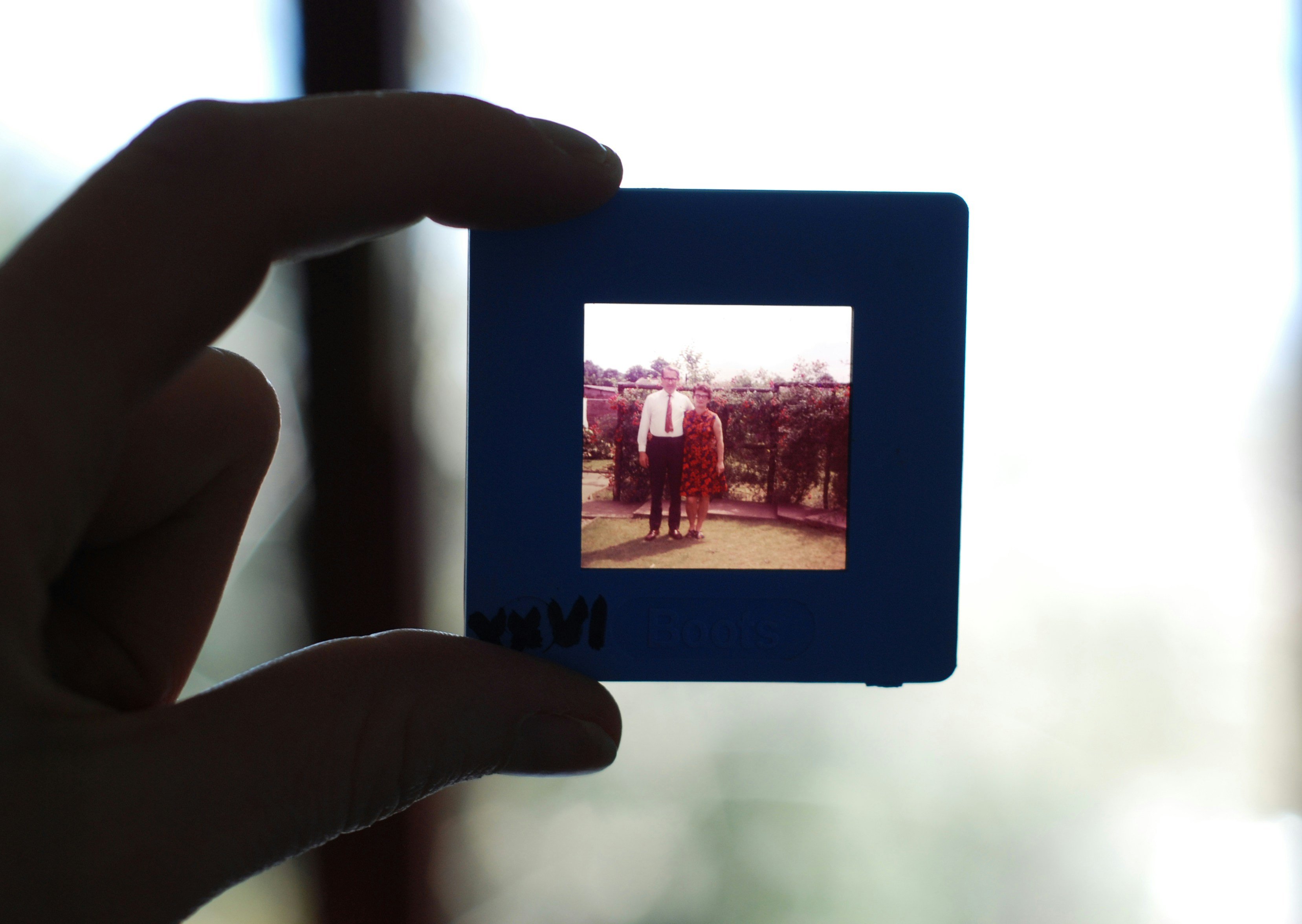
A glass frame is a common photo mounting material that consists of a glass panel and a wooden or metal frame.1. Glass FrameThe transparency of the glass frame makes the photo clearly visible and can effectively block dust and moisture. In addition, the glass frame provides some protection from sunlight, air pollution and pollutants. Glass frames are a good choice for restored old photos. It canfully show the restoration effect of the photo and provide a certain protection. However, it should be noted that the glass frame may have a certain weight and fragility, so it needs to be handled carefully when hanging or handling to avoid accidental damage to the photo.2. Acrylic PanelAcrylic panel is a light and strong photo mounting material made of clear acrylic material. Compared to other materials, acrylic has lower weight and better resistance, so it is safer and easier to handle. The acrylic panel also can clearly show the details of the photo. Acrylic panels are an excellent choice for restored old photos. Not only does it provide protection from dust, moisture, and UV rays, it also enhances and improves the color and detail of your photos. In addition, the acrylic panel also has anti-reflection characteristics, which can reduce and lower the light reflection and make viewing more comfortable and clear.

How Different Tea Cups Affect the Taste of Tea and Their Practical Uses in Daily Life
In this article, we will explore the influence of different tea cups on the taste of tea and discuss the practical uses of cups made from various materials in daily life.Influence of Different Tea Cups on Tea Taste:The material and shape of the tea cup can affect the aroma, temperature, and flavor of the tea. For example, porcelain or ceramic cups are preferred for delicate teas like green or white tea as they retain heat well and allow the aroma to develop. On the other hand, glass cups are suitable for enjoying the visual aspects of blooming teas, while clay cups are believed to enhance the flavor of certain types of oolong teas due to their porous nature and ability to absorb the tea's essence. Additionally, the shape and thickness of the cup's rim can also impact how the tea lands on the palate, affecting the overall taste perception.Practical Uses of Cups Made from Different Materials in Daily Life:Porcelain/Ceramic Cups: Besides being ideal for tea drinking, porcelain or ceramic cups are also versatile for serving coffee, hot chocolate, or even as stylish pen holders or small planters for succulents on desks and shelves.Glass Cups: Glass cups are not only perfect for appreciating the color and visual appeal of teas but can also be repurposed as elegant candle holders or flower vases, adding sophistication to any room.

Studies Indicate Nearly Two-thirds of Baby Food Tested Fail to Meet Basic Health Standards
In recent years, there has been growing concern over the nutritional quality of baby foods available in supermarkets. A significant number of studies have revealed that nearly two-thirds of these products are unhealthy, raising serious questions about the health and well-being of infants and toddlers. This article delves into the reasons behind this alarming statistic and examines the ingredients that make these baby foods unhealthy.The Problem with Supermarket Baby FoodsThe primary issue with supermarket baby foods is their nutritional composition. Many of these products are high in sugar, salt, and unhealthy fats, while being low in essential nutrients such as vitamins, minerals, and fiber. This imbalance can have detrimental effects on a child's developing body and brain, potentially leading to long-term health issues.High Sugar ContentOne of the most concerning aspects of supermarket baby foods is their high sugar content. Many products contain added sugars, which are not only unnecessary for infants but can also contribute to obesity, dental decay, and other health problems. According to a study by the World Health Organization (WHO), infants should consume no more than 5% of their daily calories from free sugars, yet many baby foods exceed this limit. The sugar content in these products often comes from sources such as fruit concentrates, syrups, and even hidden sugars in flavored yogurts and cereals. While natural sugars from fruits are generally acceptable, the added sugars in these products can lead to a preference for sweet foods later in life, making it harder for children to develop healthy eating habits.Excessive SaltAnother major issue with supermarket baby foods is their high salt content. Infants have a much lower tolerance for salt than adults, and excessive salt intake can lead to high blood pressure, kidney damage, and other health problems. The American Academy of Pediatrics (AAP) recommends that infants consume no more than 1 gram of salt per day, but many baby foods contain significantly more. Salt is often added to baby foods to enhance flavor, but this practice can have serious consequences. In addition to the health risks associated with high salt intake, it can also mask the natural flavors of the ingredients, making it harder for children to develop a taste for healthy, whole foods.Unhealthy FatsMany supermarket baby foods also contain unhealthy fats, such as trans fats and saturated fats. These fats can increase the risk of heart disease, obesity, and other health problems. While some fat is essential for a child's growth and development, the type of fat is crucial. Healthy fats, such as those found in avocados, nuts, and olive oil, are important for brain development and overall health. Unfortunately, many baby foods contain unhealthy fats from sources such as palm oil, hydrogenated oils, and animal fats. These fats can contribute to inflammation, insulin resistance, and other metabolic issues, making it essential to choose baby foods that are low in unhealthy fats and high in healthy fats.Lack of Essential NutrientsIn addition to the high sugar, salt, and unhealthy fat content, many supermarket baby foods are also lacking in essential nutrients. These products often contain low levels of vitamins, minerals, and fiber, which are crucial for a child's growth and development. For example, many baby cereals are fortified with iron, but they may be low in other essential nutrients such as calcium, vitamin D, and omega-3 fatty acids. The lack of essential nutrients in these products can lead to deficiencies that may affect a child's physical and cognitive development. It is important for parents to choose baby foods that are rich in a variety of nutrients to ensure that their child is getting the necessary building blocks for a healthy life.