


Drinking Black Tea Lowers Risk of Death
Recently, more and more studies have found that eating and drinking habits play profound effects in humans’ health and longevity, among which the black tea, as a common drink, draws great public attention because of its potential benefits. One latest research shows drinking two or more cups of black teas a day may have a positive benefits on longevity, which offers a new angle about the habit of drinking tea for us.
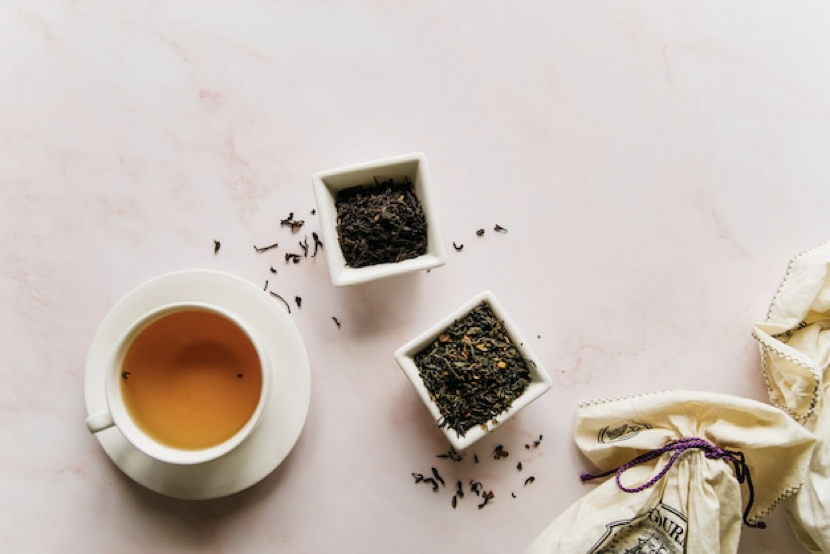
Health Ingredients of Black Tea
The black tea is full of multiple bioactive ingredients, especially polyphenolic compounds. These ingredients not only equip black tea with unique flavour, but also makes it antioxidative, anti-inflammatory, and cardiovascular-protected. Research shows that polyphenolic substances can reduce the amount of radicals in human bodies in order to lower the risk of chronic disease. Besides, the fluoride and theanine in the black tea is considered to be helpful and beneficial for improving heart health and immunity.
Introduction of Study Results
One long time research focuses on thousands of adults finds that those who drink two or more black tea a day have the less chance to get cardiovascular disease and certain cancers. By analyzing the participants’ drinking habits, life styles and health conditions, the study group found those who drink black tea ever day have less rate to die, reduced about 20%. This result aroused much public debate, a lot of people start to take black tea seriously and put it in an important position on daily diet.

Drinking Habit of Black Tea
Drinking black tea is a living habit for may people, no matter one cup in the morning or after lunch, the flavour and warmth of black tea always make them enjoyable. However, the study did not tell us not to drink much, which is pretty important because the moderation is the key. Generally speaking, drinking one to three cups of black tea a day is both safe and beneficial, excessive drink might lead to several side effects, such as caffeine overdose, indigestion and so on.

Other Factors Affect Longevity
Although the study shows that black tea has potentially positive effect on longevity, we have to notice that the longevity also relates to a variety of factors, including heredity, circumstances, diet and life styles. Healthy modes of life are all the significant factors to expand your life, such as balanced diet, moderate exercise, nice sleep and psychological health management. Therefore, the black tea is helpful for enhancing health level, though, it can not be the only one routine for longevity.
Conclusion
In conclusion, study reveals drinking one or more black tea is good for increasing life span, especially in improving cardiovascular health and the risk of certain diseases, however, the healthy life styles and eating habits can not be ignored as well. The black tea can be a part of our daily lives, bringing us benefits, but most importantly, only having overall health perception can we reach the goal of genuine health and longevity. Hope this study can draw more people’s attention on black tea, and let’s enjoy both the black tea and our luminous lives!

Elevate Your Workout Experience: How to Choose the Perfect Pair of Sports Earphones
Are you looking for a pair of earphones that can keep up with your active lifestyle? Look no further! Choosing the right sports earphones can make a significant difference in how you experience your workouts. Here are some innovative tips to help you select the perfect pair:Comfort is Key: Opt for sports earphones that offer a comfortable and secure fit. Look for earphones with customizable ear tips or ear hooks to ensure a snug fit that stays in place even during intense physical activities.Stay in the Zone: Consider sports earphones with excellent sound quality and noise isolation capabilities. This will help you stay focused and motivated during your workout by immersing you in your favorite music without any distractions.Make a Splash: If you engage in activities that involve sweat or water, choose sports earphones that are sweat-proof and water-resistant. This will ensure that your earphones remain in top condition despite the sweat and moisture.

Ceuta: The Spanish Territory in North Africa
A small sliver of land on the north coast of Africa, Ceuta is one few remaining remnants (along with another Spanish enclave there and some islands off Morocco) from centuries when Europe's reach extended into Africa. A castle in the desert, Ceuta steeps itself not just in its geographical splendor but also a cacophony of cultural influences which all together had been woven through centuries into an autonomous city.Location of CeutaCeuta is on the Strait of Gibraltar, sharing a 6.4-mile border with Morocco to its south and east, while facing Spain across the sea to its north; it also lies near European transshipment routes for many sub-Saharan migrants that have climbed over or swum into Ceuta from May 2001 through August 2015. The enclave measures just 18.5 square kilometers, so it is one of the smallest territories in Spain. Ceuta, due to its location is rather small but that´s no less strategic which explains the many empires who wanted Ceuta.History of CeutaCeuta has a long and turbulent historical past. This city, which was founded by the Phoenicians and later became a Roman colony. Subsequently (and over the next 230 years), it was seized by vandals, who were then followed by the Byzantines before coming under control of Islamic Umayyad dynasts. It became an important center of trade and culture under the Moorish domination. The Portuguese gained official control over Ceuta in 1415, through the Reconquista, though it was taken by Spain from Portugal in 1580 and never again returned to its original owner.Ceuta became a Spanish territory after the signing of Treaty of Fez with Morocco in 1906. This makes Spain, the Spanish Government as an essential part of Western Europe convicted country Ceuteser colony. The outcome has been a specialization: Ceuta is not only Europe's doorstep, but also sparks controversy regarding international relations between Spain and Morocco.Culture of CeutaIn terms of culture, its aesthetic is an amalgamation of Spanish, Moroccan and Andalusie. Official languages are Spanish and Tarifit, which belongs to the Berber group of dialects indigenous in Rif. Similarly, the architecture of Ceuta shows this mix with an old town (the, in the typical Moroccan style) and new areas having European influences.Ceuta is an economic free port that no duties of any kind are performed, as well reflects business and trade from around the world. Given the unique position of Schengen, it is also an essential crossroads in Europe for imports and exports between both continents. A tourism hub, the city enjoys a popular seaside and offers historical locations while also serving as unique Spanish exclave in Africa.But Ceuta, which is a Spanish territory on the north coast of Africa, has faced its share of problems. Its border with Morocco has long been a source of tension, and frequently the focus of disputes over migration and smuggling. In modern times, Ceuta has presented a special challenge but it is also prove of an implicit policy in which Spain remains one finger on Africa with Tanger as nowadays the gateway to EuropeConclusionTo conclude, Ceuta is a unique example of the interplay between history, geography and culture in shaping an unusual territory. Eladio attests that hindsight is powerful: The fact that Ceuta remains a Spanish city in North Africa today upon reflecting shows the power of history, and, by default, it makes international politics so complex. Ceuta sits on a sprawling continent, where humanity and history are at large even within the rigid boundaries of territory — ever in flux as she made more so.

How Do We Cope Chronic Insomnia
This article will delve into the causes of chronic insomnia, its effects, and what we can do about it.1.The causes of chronic insomniaChronic sleeping disorder generally alludes to over one month, no less than three evenings seven days experience issues nodding off, light rest, simple to awaken or get up early rest issues. Its causes are complicated and shifted, including however not restricted to:Mental elements: like uneasiness, wretchedness, over the top tension and other mental issues, frequently lead to individuals in the night bunch of considerations, hard to rest.Ecological variables, for example, clamor, light, temperature and other natural elements can influence the nature of rest.Way of life: sporadic work and rest, over the top energy prior to hitting the sack, ill-advised diet, and so on, can prompt a sleeping disorder.Infection factors: A few persistent sicknesses, like torment, breathing hardships, coronary illness, and so forth, can set off a sleeping disorder.2.The impact of chronic insomniaChronic sleeping disorder influences people in numerous ways:Medical issues: Ongoing sleep deprivation can prompt a debilitated resistant framework and an expanded gamble of sicknesses, for example, hypertension, diabetes, and coronary illness.Mental trouble: a sleeping disorder patients are frequently joined by tension, despondency and other mental issues, further influencing the personal satisfaction.Diminished efficiency: Absence of rest can prompt unfortunate focus and memory, which can influence work efficiency.Family pressure: a sleeping disorder might prompt individual emotional episodes and influence family congruity.

7 Key Nutrients Everyone Needs to Ensure Daily Intake
In a world where food is abundant, surprisingly, many people still struggle to consume adequate amounts of essential nutrients. According to recent studies, billions of individuals worldwide are deficient in at least seven critical nutrients, which can lead to serious health issues. Understanding these nutrients and how to incorporate them into your diet can significantly enhance your well-being. Here’s a look at these essential nutrients and practical tips for ensuring you get enough of them.IronIron is crucial for producing hemoglobin, which carries oxygen in the blood. Deficiencies can lead to anemia, fatigue, and weakened immune function.Sources:1.Animal Sources: Red meat, poultry, and fish contain heme iron, which is easily absorbed.2.Plant Sources: Lentils, beans, tofu, spinach, and fortified cereals provide non-heme iron. Pair these with vitamin C-rich foods (like citrus fruits) to enhance absorption.Vitamin DVitamin D is essential for bone health, immune function, and mood regulation. A deficiency can result in weakened bones and increased risk of chronic diseases.Sources:1.Sunlight: Spending 10-30 minutes in the sun several times a week can help your body produce enough vitamin D.2.Dietary Sources: Fatty fish (like salmon and mackerel), fortified dairy products, and egg yolks are excellent sources. If you live in a region with limited sunlight, consider a vitamin D supplement.CalciumCalcium is vital for strong bones and teeth, muscle function, and nerve signaling. Insufficient calcium intake can lead to osteoporosis and other health issues.Sources:1.Dairy Products: Milk, yogurt, and cheese are rich in calcium.2.Plant Sources: Leafy greens (such as kale and bok choy), almonds, and fortified plant-based milks are good alternatives for those who are lactose intolerant.PotassiumPotassium helps regulate fluid balance, muscle contractions, and nerve signals. Low potassium levels can lead to high blood pressure and increased risk of stroke.Sources:1.Fruits and Vegetables: Bananas, oranges, potatoes, spinach, and avocados are excellent sources of potassium.2.Legumes: Beans and lentils also contribute to your potassium intake.MagnesiumMagnesium is involved in over 300 biochemical reactions in the body, including energy production, protein synthesis, and muscle function. A deficiency can lead to muscle cramps, fatigue, and anxiety.Sources:1.Nuts and Seeds: Almonds, cashews, and pumpkin seeds are rich in magnesium.2.Whole Grains: Brown rice, quinoa, and whole wheat products provide significant amounts of this mineral.

A Guide to Choosing the Perfect Used Car for Seniors
Understanding Specific NeedsThe first stage is an extensive evaluation to determine the driver's individual requirements and body considerations. Crucial questions for the customer to answer: What will you use the car for—primarily errands around town, or longer trips? Are easy in/out important to them for mobility reasons? Think in terms of larger door openings, seats at a convenient height (but not too low) and easier-to-use controls. Visibility is also key; seek out cars with good all-around sight lines and large, clear mirrors. A midsize sedan, a small SUV or crossover, or a minivan will usually provide the right mix of accessibility, visibility and ease-of-management for many seniors.Setting a Realistic BudgetWhen budget setting, look past the sticker price. Take into account the cost of ownership, including insurance rates, fuel economy and any repair or maintenance expenses. In general, cars with reputations for reliability might have a higher up-front price but produce lower long-term costs. Budget for a pre-purchase inspection by a trusted mechanic and for any minor, immediate adjustments or repairs (new tires, updated prescription lens side mirrors).Focusing on Simplicity and ComfortComfort is everything when it comes to an "adrenaline-inducing ride. Listen closely in the initial sit-test: Do the seats feel supportive and easily adjusted? If you sit in the driver's seat, are all the important controls easy to use, reach and operate? Prefer physical knobs and buttons as opposed to intricate touch-screen menus for climate and audio control. Contemporary safety technology such as a backup camera, blind-spot monitoring and automatic emergency braking are meaningful support systems that can foster confidence and security.Choice of Shopping: Private Sales, Dealers and Certified Programs1.Private Sales: Every so often, you can get an absolute steal of a deal through a private sale but it comes with additional risk. In order to prevent unforeseen problems, an outside mechanic should inspect any car sold by a private party prior to purchase. Negotiation is more common in private sales, but caution is recommended.2.Dealers: New car dealerships typically offer a good selection of used cars. Dealers, particularly when it comes to their fleet of pre-owned vehicles tend to set the bar pretty high. In many cases these cars have been through rigorous inspections and are a great option.3.Certified Programs: CPO vehicles have been checked and refurbished by the manufacturer for mechanical issues, or covered under manufacturer-provided warranties and high-quality financing. They tend to be less risky than standard used cars and can make a lot of sense when reliability is high on your priority list.The Essential Test DriveThe test drive is everything. Slip it in there at a time when you can hit the road in different conditions, both on city streets and highways. Inspect how well the car rides — is it smooth and steady? Check the acceleration and braking to make sure it feels responsive, but not jerky. Look for convenience to parking and the ease of getting in and out. The most critical is to make sure the driver is confident and comfortable driving., every switch should fall to hand and feel right in an instinctual way.Approach them with the aid of carefully observing these steps: evaluating what you need; budgeting sensibly; insisting on comfort; checking the history and taking an extended test drive, because then you'll know what's really going on with a used car when it's your turn as a purchaser. The proper used car will provide the peace of mind, comfort and reliability to facilitate years of independence and freedom.