


5 Ways Lead to Increase Happiness and Improve Mood Through Exercise
Exercise is often touted for its physical benefits, but its impact on mental well-being is equally significant. Numerous studies have shown that regular physical activity can lead to increased happiness and improved mood. Here are five key ways that exercise can elevate your happiness levels and enhance your overall quality of life.
Release of Endorphins
One of the primary ways exercise boosts happiness is through the release of endorphins, often referred to as "feel-good" hormones. These natural chemicals are produced by the body during physical activity and act as natural painkillers and mood elevators. When you engage in activities like running, cycling, or even brisk walking, your body releases endorphins, leading to what many call the "runner's high." This euphoric feeling can create a lasting sense of well-being, reducing feelings of stress and anxiety.
Tips for Maximizing Endorphin Release:
Choose Aerobic Activities: High-intensity exercises, such as running or dancing, are particularly effective at boosting endorphin levels.
Consistency is Key: Regular exercise, even for short periods, can help maintain elevated endorphin levels over time.
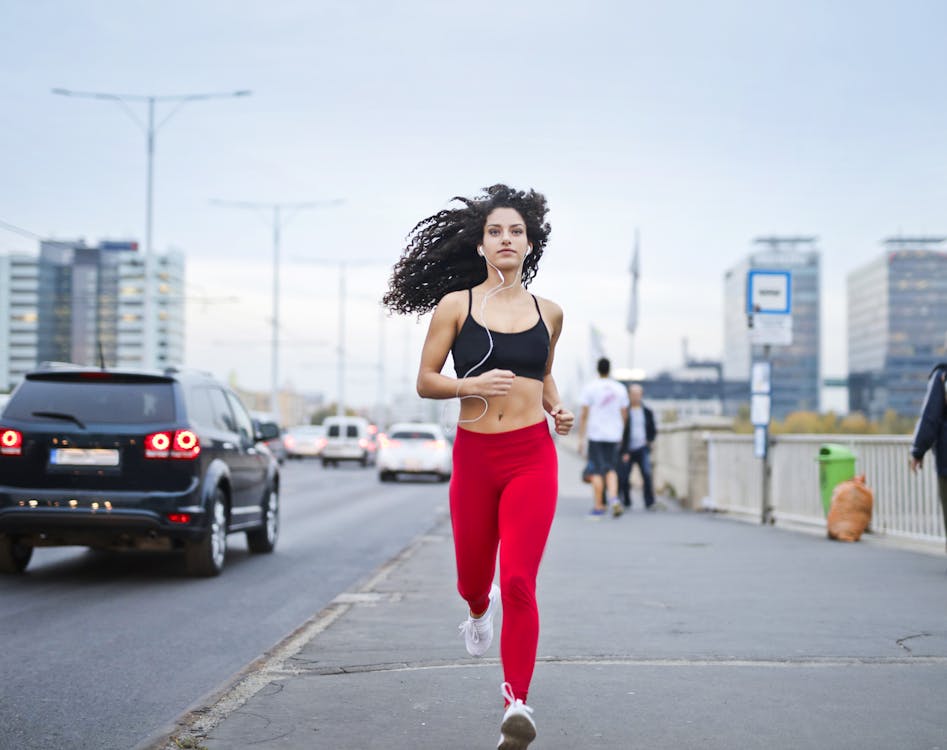
Reduced Stress and Anxiety
Exercise acts as a powerful stress reliever. When you engage in physical activity, your body undergoes various physiological changes that help combat stress. For instance, exercise increases heart rate and improves circulation, which can enhance the body’s ability to manage stress. Additionally, it encourages the production of neurotransmitters like serotonin, which help regulate mood and anxiety.
Strategies to Reduce Stress Through Exercise:
Incorporate Mindfulness Practices: Activities like yoga or tai chi combine physical movement with mindfulness, helping to reduce stress and promote relaxation.
Set Realistic Goals: Avoid the stress of unrealistic expectations by setting achievable fitness goals that align with your lifestyle.
Improved Sleep Quality
Regular physical activity can significantly improve sleep quality, which is crucial for overall happiness. Exercise helps to regulate sleep patterns and can lead to deeper, more restorative sleep. Better sleep not only enhances mood but also improves cognitive function and emotional resilience.
How to Use Exercise to Sleep Better:
Time Your Workouts Wisely: Aim to finish vigorous workouts at least a few hours before bedtime to allow your body to wind down.
Establish a Routine: Incorporating exercise into your daily routine can help set a consistent schedule, promoting better sleep.

Social Connections
Exercise can also foster social connections, which are vital for emotional well-being. Whether you join a gym, participate in group classes, or take up sports, exercising with others can provide a sense of community and belonging. Social interactions during physical activities can lead to friendships, support systems, and shared experiences, all of which contribute to increased happiness.
Ways to Enhance Social Connections Through Exercise:
Join a Class or Club: Look for local fitness classes, running clubs, or sports leagues to meet new people.
Exercise with Friends or Family: Invite loved ones to join you for workouts, turning exercise into a fun, social activity.
Boosted Self-Esteem and Confidence
Regular exercise can lead to improved physical fitness, which often translates into enhanced self-esteem and body image. Achieving fitness goals, whether big or small, can provide a sense of accomplishment that boosts confidence. This newfound self-assurance can spill over into other areas of life, creating a positive feedback loop that enhances overall happiness.
Tips for Building Confidence Through Exercise:
Track Your Progress: Keep a journal or use fitness apps to monitor your achievements, helping you stay motivated and recognize your progress.
Celebrate Milestones: Acknowledge and celebrate your accomplishments, no matter how small, to reinforce your self-confidence.
Conclusion
Incorporating exercise into your routine can be a powerful tool for increasing happiness. From the release of endorphins to improved sleep quality and social connections, the benefits of physical activity extend far beyond physical health. By embracing exercise as a means to enhance your mental well-being, you can cultivate a happier, more fulfilling life. Whether you prefer solitary workouts or group activities, finding an exercise routine that resonates with you can pave the way for lasting happiness and emotional resilience. So lace up your sneakers and get moving—your happiness depends on it!

Impact of Snow Shortage on Gulmarg's Ski Resort Village
Bounded by the scenic vistas of the Himalayan Ranges, Gulmarg in Kashmir is a name that instantly brings to mind images of beautiful landscaped gardens and imposing snow-clad mountains. But what has been almost unfathomable in recent years is that the popular ski village, at 2,600 meters, one of the highest cities and the scene for many a slalom World Cup -— started running out of snow. Imported as a tourist who has seen Gulmarg at both its picture-perfect and struggling, I cannot escape to write about the varied consequences of this snow shortage on the village and people there.Situation in Gulmarg’s Ski Resort VillageWhen we reached Gulmarg, the first thing I realized was that everyone around me had been let down. Instead of the gleaming white canvases that drew skiers and boarders from across this country, parts appeared painted in brown earth under thin layers of manmade snow. There was talk everywhere, among locals and travelers alike of the matter; a tale being spun out across every conversation.One of the more immediate consequences was how quickly tourists stopped coming. The allure of newly opened, snowy slopes lures many visitors and that is a big portion missing without skiing. As a result, potential travelers were left let down and decided to head elsewhere on vacation in search of that perfect snowy ski slope. The place felt less like the busy winter village it is supposed to be with fewer skiers in lodges, restaurants and shops reporting a decline in sales.Impacts on BusinessThis decrease would fall particularly hard on local businesses which are most dependent for their livelihoods from the winter tourist season. Hotels and resorts were left with stagnant rooms that usually are full to capacity in peak winter months. With a slack in footfall, restaurant owners who churn out traditional Kashmiri food for tourists were negatively impacted. Its economic ripple effect was stark, affecting everyone from ski rental shops to souvenir stands. Hundreds of small businesses, fighting to stay alive, had no choice but to lay off employees or reduce services-adding more economic woes for the community.More ImpactsAnd not to be ruled out is the psychological trauma among villagers, Skiing has been Gulmarg's hallmark for generations. The lack of snow has not only put their livelihoods at risk, but it has also taken away a sense of pride and continues to pull them apart. The elders described a feeling of nostalgia and mourning as they remembered skiing the slopes in their youth. Fewer chances arose for younger generations, looking to follow in their footsteps as ski instructors or tour guides when the industry was shrinking.A crisis that has seen a remarkable response in terms of local administration and community adapting to find an answer. They have tried to step up snow making and cover the hills with man-made white stuff it has forged from machines instead of God. This comes at a considerable financial and energy cost, but is the only way to keep some kind of skiing season going. On top of that, the village has added to its off-season tourism potential by organizing summer tours including hiking and paragliding along with other cultural visits.ConclusionIn sum, the snow drought has ravaged Gulmarg's ski resort village and hit hard on their economy, culture & eventually the lives of its people. But it has also unleashed a time of reflection and reinvention, propelling fresh ideas for survival and expansion.

Choosing the Right Footwear: A Guide to Fall-Prevention Shoes for Seniors
Key Features of Senior-Friendly ShoesWhen buying shoes for elderly, consider non-skid rubber soles with deep tread patterns that provide the best grip on a variety of surfaces. Seek out low, wide heels (no more than an inch) that offer stabilizing support without hampering your equilibrium. Shoes must have good heel counters and proper arch supports to keep the feet in their natural position. Get the ones that adjust like Velcro or elastic laces so you can expand with foot swelling, but while still feeling secure on your feet. Lightweight construction minimizes fatigue when you wear all a day long just like padded collar prevents ankle discomfort.Shoes for Specific Health ConditionsSpecific foot health considerations should be used when selecting an appropriate athletic or walking shoe for older adults.1.Accessibility/ Balance: The elderly people often have balance difficulties; thus the shoes with wide soles and low heels can help them to improve their stability. Orthotic shoes with deep grip soles and enhanced ankle support are also a good choice for those who wish to prevent falls.2.Arthritis: For an elderly with arthritis, the more shock-absorbing and cushioning materials in the shoes, the better. Rocker-bottom shoes are designed to decrease joint pressure by encouraging a natural walking gait.3.Diabetes: Footwear that is designed to keep you safe from foot ulcers for older people with diabetes. Shoes with deeper depth, seamless insoles and soft cushioned materials may be beneficial to reduce friction on the foot and bony prominence.Footwear Types to AvoidSome shoes pose an enormous risk of falling and are not welcome additions to any senior's closet. High heel and platform shoes push the body weight forward, destabilizing the wearer.Backless slippers and loose flip-flops don't provide support to the heel, and they can slip off far too easily when on stairs. Worn-out athletic shoes with flat, polished soles for example lose all traction; at the other extreme, sneakers designed for very cushioned heels have specifically thickened sole zones that prevent feeling the ground.Footwear that doesn't fit well, whether too tight or too loose, can lead to pain, numbness or blisters that change the way a child walks.Recommended Shoes for the Elderly1.Propet Stability X: The Propet Stability X offers stability with cushioning and easy to adjust hook-and-loop closure systems. The adjustable strap makes this the perfect fit. They happen to be Medicare-approved shoes, so they are also an excellent value for seniors with certain health conditions.2.Skechers GOwalk 5: The Skechers GOwalk 5 slip-on is not only light, but comfortable, and it's an easy sneaker to put on for those seniors who have problems tying shoelaces. Thoughtful design with breathable material, cushioned foot bed and rubber outsole makes it the perfect everyday casual option.3.New Balance 928v3 walking shoes: The New Balance 928v3 is one of the most popular sneakers for those on their feet all day, or anyone who need additional arch support, cushioning and stability. With the anti-roll feature it controls the movement of rear foot for those who have trouble balancing.Essential Shoe Maintenance TipsShoe maintenance increases lifespan and protects safety properties. Check soles to monitor wear patterns monthly; uneven wearing is a sign of needing replacement. Scrub rubber soles regularly with a mild soap, as dirt is the number one killer of grip. Do keep shoes dry and don't leave them near direct heat sources, which break down materials. Treat leather shoes with conditioner every three months to avoid cracking. Arguably most importantly is to replace walking shoes every 6-12 months depending on how often you use them, no matter if they look okay.Rediscovering the joy of walking safely. The elderly can now enjoy a safe and sure way to walk indoors and outdoors. With the right footwear, and taking care of it, seniors can walk confidently and with less risk of falling.

Enhancing Wardrobe Storage Space with Hanging Rods for Improved Quality of Life
Struggling to find a solution for your overflowing wardrobe?It's time to think outside the box and maximize your wardrobe storage space effectively. One practical and efficient method is to incorporate hanging rods into your closet organization.To make the most out of your wardrobe space, consider the following detailed suggestions and specific dimension recommendations for creating an efficient and organized closet:Assess your wardrobe: Before implementing any changes, take the time to assess your wardrobe and its contents. Determine the types of clothing you own, their respective sizes, and the frequency of use. This will help you plan the layout and dimensions of your hanging rods accordingly.Multi-level hanging: Utilize multi-level hanging rods to optimize vertical space. For shirts, blouses, and lighter garments, a hanging rod height of 38-42 inches (96-107 cm) from the floor is ideal, while longer hanging garments such as dresses and coats should have a higher rod at around 66-69 inches (168-175 cm) from the floor. This allows for efficient use of space and easy access to different types of clothing.

Coffee Could Have More Health Benefits
Coffee, the beloved morning beverage of millions around the world, has long been associated with its ability to perk us up and get us through the day. However, recent research suggests that coffee may have far more benefits than simply providing a quick energy boost. From improving cognitive function to reducing the risk of certain diseases, coffee is emerging as a powerful health ally.Enhances Cognitive FunctionOne of the most significant findings regarding coffee's health benefits is its potential to enhance cognitive function. A study conducted by researchers at the University of Barcelona found that drinking coffee with sugar can significantly improve attention span and working memory. The researchers tested 40 volunteers who consumed different combinations of coffee, sugar, and water, and found that those who drank coffee with sugar performed better on cognitive tasks than those who consumed the other combinations. This suggests that coffee, when combined with sugar, may be an effective way to prepare the brain for a busy day ahead.Reduces Risk of Certain DiseasesBeyond its cognitive benefits, coffee has also been linked to a reduced risk of certain diseases. For example, studies have shown that drinking three cups of coffee a day can significantly reduce the risk of Alzheimer's disease. This is likely due to the fact that coffee contains antioxidants, which help to protect the brain from damage caused by oxidative stress. Additionally, coffee has been shown to reduce the risk of Parkinson's disease, a neurodegenerative disorder that affects movement and coordination.Positive Impact on Cardiovascular HealthCoffee's health benefits don't stop there. Research has also suggested that coffee may have a positive impact on cardiovascular health. While previous studies have linked coffee consumption to an increased risk of heart disease, more recent research has found that the quality of the coffee and the way it is brewed are key factors in determining its effect on health. For example, a study by a Harvard research group found no link between coffee and heart problems, suggesting that moderate coffee consumption may be safe for most people.Improves Mood and Emotional Well-beingFurthermore, coffee has been shown to have a positive effect on mood and emotional well-being. Caffeine, the active ingredient in coffee, is a stimulant that can help to improve alertness and reduce feelings of fatigue. This can be particularly beneficial for those who are feeling stressed or overwhelmed, as a cup of coffee can help to clear the mind and improve focus. Additionally, the social aspect of drinking coffee with friends or colleagues can also have a positive impact on relationships and emotional well-being.NotesIt's important to note, however, that coffee should be consumed in moderation. While moderate coffee consumption appears to be safe for most people, excessive consumption can lead to side effects such as insomnia, anxiety, and stomach problems. Additionally, it's important to consider the quality of the coffee and the way it is brewed, as these factors can impact its health benefits.
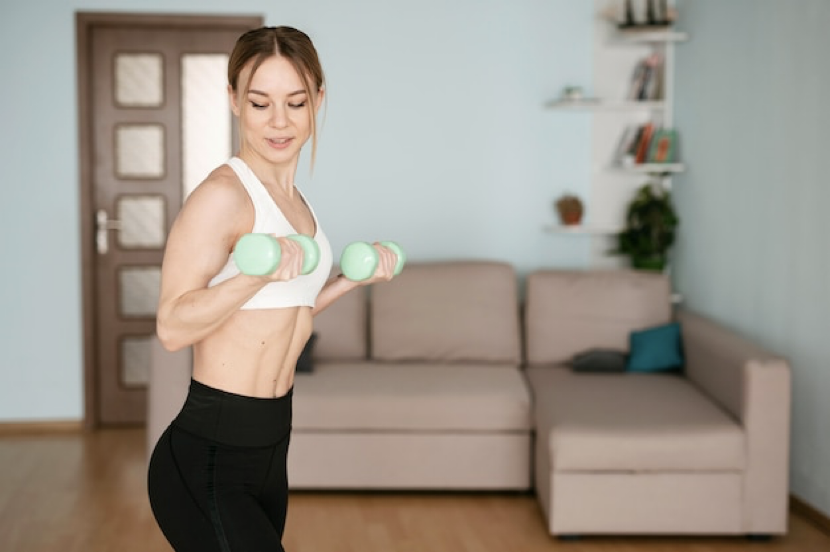
Women May Benefit From Exercise in Reducing Risk of Cardiovascular Issues
Cardiovascular disease (CVD) is a leading cause of morbidity and mortality worldwide, affecting millions of people, particularly as they age. While both men and women are at risk, recent research suggests that women may significantly benefit from exercise in reducing their risk of developing cardiovascular issues—potentially lowering their risk by twice the amount as men. Understanding the implications of this finding can empower women to prioritize physical activity as a vital component of their health regimen.The Importance of ExerciseExercise is widely recognized as a cornerstone of cardiovascular health. Regular physical activity strengthens the heart muscle, improves circulation, and helps maintain a healthy weight—factors that are crucial in preventing CVD. While the benefits of exercise are well-documented for both genders, emerging evidence indicates that women may experience a more pronounced protective effect against heart disease.Hormonal InfluencesOne potential reason for the differential impact of exercise on cardiovascular health between men and women lies in hormonal differences. Estrogen, which is more prevalent in women, has protective cardiovascular effects. It helps maintain healthy blood vessels and reduces cholesterol levels. However, as women age and estrogen levels decline, particularly during and after menopause, their risk for heart disease increases. Engaging in regular exercise can help mitigate some of these risks, potentially leading to more significant reductions in CVD risk compared to men.Research FindingsRecent studies have highlighted that women who engage in regular physical activity may cut their risk of developing heart disease by an impressive amount. For instance, a study published in the Journal of the American College of Cardiology found that women who exercised regularly were able to lower their cardiovascular risk significantly more than their male counterparts. The mechanisms behind this may include better weight management, improved blood pressure regulation, and enhanced lipid profiles among women who exercise consistently.Types of Beneficial ExerciseNot all forms of exercise are created equal when it comes to cardiovascular health. Both aerobic and strength-training activities play a crucial role, but aerobic exercises—such as walking, running, cycling, and swimming—are particularly effective in improving cardiovascular fitness.1. Aerobic Exercise: Engaging in at least 150 minutes of moderate-intensity aerobic exercise each week can lead to substantial cardiovascular benefits. This could include brisk walking, jogging, or group fitness classes.2. Strength Training: Incorporating strength-training exercises at least twice a week can also enhance cardiovascular health. Building muscle helps improve metabolism and supports better insulin sensitivity, contributing to overall heart health.3. Flexibility and Balance: Activities like yoga and Pilates, while not traditionally regarded as cardiovascular exercises, can improve overall physical function and reduce stress, which is also beneficial for heart health.Making Exercise a PriorityFor women looking to lower their cardiovascular risk, making exercise a priority is essential. Here are some practical tips to integrate physical activity into daily routines:1. Set Realistic Goals: Start with achievable goals, such as walking 10 minutes a day, and gradually increase duration and intensity.2. Find Enjoyable Activities: Whether it’s dancing, hiking, swimming, or joining a sports team, engaging in activities you love makes it easier to stick with an exercise routine.3. Incorporate Movement into Daily Life: Simple changes, like taking the stairs instead of the elevator or walking during lunch breaks, can significantly increase daily activity levels.4. Social Support: Exercising with friends or family can boost motivation and make workouts more enjoyable. Consider joining group classes or community sports leagues.5. Listen to Your Body: It’s essential to pay attention to your body’s signals. Start slow, especially if you’re new to exercise, and consult a healthcare provider if you have existing health concerns.