


Skills for Car Paint Upkeep
Car paint is an important part of the appearance of the vehicle, not only beautiful, but also can play a role in protecting the body.
Therefore, the correct maintenance of the car paint is very important. The following will describe in detail how to maintain the car paint methods and skills.
1. Avoid wiping with hard objects
When stains or dirt appear on the surface of the car paint, do not use hard objects to wipe, such as ordinary rags or paper towels. Doing so can scratch the paint, causing fine scratches and damage. The correct approach is to use a soft sponge or professional car cleaning cloth to gently wipe the stain and avoid overexertion.
2. Wax regularly
Waxing is one of the important steps to protect car paint. The wax can form a protective film to prevent dirt and UV light from eroding the paint. It is recommended to wax the vehicle every 3-6 months, and the specific frequency can be adjusted according to the use of the vehicle and the environment. Before waxing, ensure that the surface of the vehicle is clean and choose the appropriate car wax product.

3. Avoid prolonged exposure to sunlight
Prolonged exposure to sunlight can cause car paint to fade and age. Therefore, try to choose a place with shade when parking, or use a shade baffle to block. If it is impossible to avoid parking outdoors for a long time, you can consider using a vehicle cover to cover the entire body to play a certain protective role.
4. Repair scratches and stone hits in time
In daily use, car paint will inevitably appear some scratches and stone impact. If these damages are not repaired in time, they will accelerate the aging and corrosion of the car paint. Therefore, timely repair of scratches and stone impact is an important part of the maintenance of car paint. For small scratches, you can use the car paint repair pen to repair; For a large area of damage, it is recommended to seek professional car repair services.
5. Polish regularly
After a period of use, car paint may appear subtle oxidation and loss of luster. Regular polishing can restore the brightness and gloss of the car paint. Polishing can remove small scratches and stains on the surface, making the car paint look smoother and more fresh. It is recommended to polish the car paint every 6-12 months, either by using a car polish and polisher, or by seeking a professional car polishing service.
6. Keep the paint dry at all times
Wet conditions will accelerate the corrosion and aging of car paint. Therefore, as far as possible to keep the car paint dry is an important part of the maintenance of car paint. In rainy days or after car washing, it is necessary to dry the water traces on the surface of the body in time to avoid water droplets drying on the car paint and leaving water stains.

7. Check the paint condition regularly
Regular inspection of the condition of the car paint can find problems in time and take appropriate maintenance measures. Pay attention to observe whether the paint appears fading, oxidation, foaming or peeling phenomenon. If you find an anomaly, you can seek professional car repair and painting services to fix it.
To sum up, the maintenance of car paint requires regular cleaning, waxing, avoiding scratches and collisions, and paying attention to avoiding sun exposure and the use of acid and alkaline cleaners. In addition, timely repair of damage, regular polishing and keep the car paint dry is also very important. Through the correct maintenance methods and skills, you can maintain the gloss and life of the car paint, so that the vehicle always maintains a bright appearance.

Chronic Insomnia: Exploring Solutions for a Restful Sleep
Characterized as a constant trouble nodding off or staying unconscious, chronic insomnia can significantly affect one's personal satisfaction, influencing actual well being, mental prosperity, and generally speaking efficiency.In this article, we will dig into the details of chronic insomnia.Understanding Chronic InsomniaChronic insomnia is a complex condition with various underlying causes:1. Mental Elements: Stress, tension, wretchedness, and other mental issues can upset rest designs and add to persistent sleep deprivation. Dashing contemplations, stress, and a failure to unwind can make it challenging to nod off or keep up with rest over the course of the evening.2. Way of life Elements: Unfortunate rest cleanliness, sporadic rest plans, unreasonable caffeine or liquor utilization, and absence of active work can all add to persistent sleep deprivation. Unfortunate things to do and an imbalanced way of life can disturb the body's regular rest wake cycle.3. Ailments: Persistent agony, respiratory problems, hormonal irregular characteristics, and neurological circumstances like a propensity to fidget can fundamentally influence rest quality and add to ongoing sleep deprivation.The Consequences of Chronic InsomniaChronic insomnia can have wide-ranging consequences for an individual's physical and mental well-being:1. Daytime Weariness and Disabled Mental Capability: Lacking rest prompts daytime weakness, diminished readiness, and hindered mental capability. Focus, memory, critical thinking skills, and generally speaking efficiency might be unfavorably impacted.2. Mind-set Problems: Ongoing sleep deprivation is firmly connected to the improvement of temperament issues like gloom and nervousness. Lack of sleep upsets the guideline of synapses in the cerebrum, adding to close to home precariousness and worsening existing psychological wellness conditions.3. Expanded Hazard of Ongoing Ailments: Delayed lack of sleep is related with an expanded gamble of creating persistent ailments, including cardiovascular illness, corpulence, diabetes, and compromised insusceptible capability.4. Impeded Personal satisfaction: The steady battle to get satisfactory rest can prompt a diminished personal satisfaction. People with ongoing sleep deprivation might encounter decreased pleasure in everyday exercises, stressed connections, and a lessened feeling of by and large prosperity.

Some Best Image Hosting Sites of the Era
Image hosting platforms are indispensable for photographers, web designers, developers, and businesses who want to possess a better storing and sharing experience. This post takes a look at some great choices.1.Telegraph-Image: A Solution That Is Both Free and ScalableIt's one of the coolest image hosting solutions in 2025 and you can use it for free instead of using Flickr or Imgur, it's called Telegraph-Image. Powered by Cloudflare Pages and Telegram, has no limit on image uploads instead of a server. Anyone can use it with just three steps requirement which keeps it extremely user-friendly for non-technical members of the family.Key FeaturesNo storage limits, upload anything less than 16GB.Hosting at no cost within the free tier limits of Cloudflare.Support for custom domains in addition to the default.Image moderation at API level to automatically remove inappropriate content.2.Traditional Image Hosting GiantsIf old is gold, some have opted for Imgur. Imgur is well-known for its no-nonsense interface that's so easy to navigate you'll become a master with it after only a short period of practice; it allows for both drag-and-drop and direct links, while also presenting users with a community-driven style of sharing. It supports SSL security and password protected file transfers, and it's a reliable choice for both casual and professional users.Flickr, an old-timer on the market, has its 1TB storage available for free and preserves your images in the highest quality. It's particularly loved by photographers because of its robust community features, geotagging and automatic image recognition. But the free tier of Flickr has some restrictions, and users might want to upgrade to get certain advanced features.3.Cloud-Based AlternativesGoogle Photos (Google Drive) is also one of the top cloud storage sites for photos. Seamless integration with Google accounts, automatic backups, and organization tools guided by AI come standard. It has storage limitations on high-res uploads, which could encourage users to purchase extended use.Microsoft OneDrive as well as iCloud on the other hand does incorporate the possibility to host images which are synchronized between devices. For some people already firmly implanted in their Windows or Apple ecosystems, these services make the perfect choice, as they offer not just a safe place to keep your stuff, but a few extra productivity tools for free.4.Privacy-Focused Image HostingIf security is the highest importance, then consider Mega and Tresorit. Mega also uses end-to-end encryption so that only the people the file owner gives access to can read the files. Swiss vendor Tresorit prides itself on security and simplicity, making it a solid sync-and-share option for companies with exceptionally strict compliance requirements, particularly those with sensitive visual or video content.5.Niche and Specialized PlatformsPostImage: Quick social sharing for Facebook and Twitter. It is dedicated to you if you are the fan of social media sharing, optimizing for Facebook and Twitter.MS: A long-standing service, MS has been a popular choice among developers and V2EX users because of its reliability, and API support.The best image hosting site suits your specific needs, be that free storage space for all your photos (Telegraph-Image), a platform for sharing with the world (Flickr), or a service that focuses on the privacy of your images (BackBlaze's free photo storage offering). There are a plenty of free choices, but power users may need premium plans for better features. Users can choose the best image hosting websites in 2025 by comparing storage limits, security, and API availability.
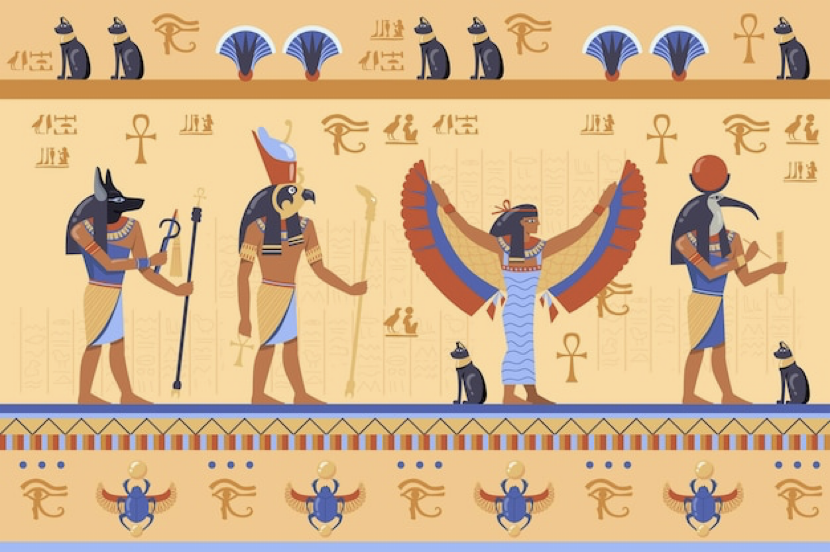
Cairo’s Evolving Under the Egyptian Mysteries
Cairo, the capital of Egypt, is a metropolis full of energy and vigor and combines the ancient relics perfectly with modern lifestyles. As the center of Egypt in politics, culture and economy, Cairo is not only a city with a large population, but also a destination of interest attracts millions of visitors to travel every year all around the world. Here are some key places of interest in Cairo.The Great Pyramid of Giza and the SphhinxAs one of the seven miracles in the world, the pyramids are the exhibitions of the constructing specialty and immorality of ancient Egyptians. The pyramids, which locate in the suburbs of Cairo, have a long history more than four thousand years among which the largest one is called Khufu Pyramid. And we also know the every bottom of a pyramid lies the Sphhinx which symbolizes the power and wisdom of Pharaoh. Exploring pyramid is just like a travel across time, how incredible the products are! If you plan to visit at night, one more nice activity you can enjoy is the son et lumiere, which brings mysterious atmosphere to these ancient miracles.Egyptian MuseumSituated in the center of Cairo, the Egyptian Museum is a treasure house of cultural relics, telling the Egyptian history comprehensively from BC dynasties to Greek Roman era. More then 120,000 relics are reserved here, including mummies, sarcophagus, pottery, jewelry and Tutankamun's treasure. The title of most attractive one must go to Tutankhamon's Golden Mask and the Royal Mummy Room. The Egyptian Museum make it easier for you to get to know the depth, profoundness, faith, arts and daily lives of Egyptian civilization. Never miss royal mummy room where you can see the greatest Egyptian mummy of Pharaoh face to face.Khan Harley FairAs a major open-air market in Cairo Islamic District, Khan Harley is more than a market, it is also a fair and a historic and cultural landmark. Establish in 14th century, the fair is a maze consisted by narrow alleys whose main products are all kinds of traditional Egyptian crafts, spices, perfumes, jewelry, and souvenirs. It is also famous for cafe and drink bar, including the prestigious EI Fishawi’s Cafe which has a long history more than two hundred years. Visiting Khan Harley Fair offers you a totally different experience, you can feel the vigorous business, crafts, and community life.Saladin CastleBuilt on the top of Mount Moqatam, Saladin Castle is a meaningful fortress with history and military. It was built eight hundred years ago, aiming to protect Cairo from being attacking by the Crusades. It has a different meaning in Egyptian history, including being the residency of royal families and military. The castle complex includes the Muhammad Ali Mosque whose style is mainly Ausman. Through the castle’s windows, the whole look of Cairo runs into your eyes, especially in Sunset times, you can witness the golden light of Cairo and listen to the voice of prayers tanglingConclusionThese historic relics not only show the culture of Cairo, but also witness the evolving of development of this metropolis. Weather you are a scholar interested in history or a visitor chases cultural experience, Cairo is a destination that can not be missed.

Embracing Flexibility: The Health Benefits and Pathways to Increased Flexibility
Flexibility is a fundamental component of physical fitness that often takes a back seat to cardiovascular endurance and strength training. However, the importance of flexibility should not be underestimated. Flexibility refers to the range of motion in a joint or group of joints and the ability of muscles and tendons to stretch effectively. Embracing flexibility not only enhances physical performance but also offers a myriad of health benefits that contribute to overall well-being. In this article, we delve into the significance of flexibility, its health advantages, and practical ways to improve and maintain flexibility in daily life.The Health Benefits of Flexibility1. Injury PreventionOne of the primary benefits of flexibility is its role in injury prevention. When muscles and tendons are flexible, they are better equipped to handle stress and strain during physical activities. Improved flexibility reduces the risk of muscle strains, ligament sprains, and other common injuries, especially during activities that require sudden or extreme movements.2. Improved PostureFlexibility plays a crucial role in maintaining proper posture. Tight muscles can pull the body out of alignment, leading to poor posture and a host of associated issues such as back pain, neck pain, and headaches. By enhancing flexibility in key muscle groups, individuals can improve their posture and reduce the likelihood of developing chronic postural problems.3. Enhanced Range of MotionIncreased flexibility translates to an expanded range of motion in joints, allowing for more fluid and efficient movement. This is particularly beneficial for athletes, dancers, and individuals engaged in physical activities that require a wide range of motion. A greater range of motion not only improves performance but also enhances overall mobility and agility.4. Stress ReliefFlexibility exercises, such as yoga and stretching, promote relaxation and stress relief. Stretching helps release tension in muscles, alleviate tightness, and promote circulation, leading to a sense of physical and mental relaxation. Incorporating flexibility exercises into a daily routine can contribute to stress reduction and improved mental well-being.5. Joint HealthMaintaining flexibility is essential for joint health and function. Flexible muscles and tendons help support the joints, reducing the risk of joint pain, stiffness, and degenerative conditions such as osteoarthritis. By preserving joint mobility through flexibility exercises, individuals can enhance joint health and longevity.How to Improve Flexibility1. Stretching ExercisesIncorporate regular stretching exercises into your fitness routine to improve flexibility. Dynamic stretches before exercise help warm up the muscles, while static stretches after exercise help lengthen and relax the muscles. Focus on stretching major muscle groups such as the hamstrings, quadriceps, calves, shoulders, and back.2. Yoga and PilatesParticipating in yoga or Pilates classes can significantly enhance flexibility, strength, and balance. These mind-body practices combine stretching exercises with strengthening movements to improve overall flexibility and body awareness. Attending regular classes led by experienced instructors can help individuals progress in their flexibility journey.3. Foam RollingFoam rolling is a self-myofascial release technique that helps release muscle tightness and improve flexibility. By using a foam roller to apply pressure to specific muscle groups, individuals can reduce muscle tension, increase blood flow, and enhance flexibility. Incorporate foam rolling into your post-workout routine to aid in muscle recovery and flexibility maintenance.4. Stay HydratedProper hydration is essential for maintaining muscle elasticity and joint lubrication, both of which are vital for flexibility. Drinking an adequate amount of water throughout the day helps keep muscles hydrated and supple, supporting flexibility and reducing the risk of muscle cramps and stiffness.5. Consistency is KeyImproving flexibility is a gradual process that requires consistency and dedication. Set aside time each day for stretching and flexibility exercises, and gradually increase the intensity and duration of your stretches as your flexibility improves. Be patient with yourself and celebrate small milestones along the way.

Women at Work: Gains in Leadership Roles, But Catching Up to Men Could Take Decades
In recent years, there has been a noticeable shift in the corporate landscape as more women ascend to leadership roles. However, despite these gains, a new report suggests that true gender parity in leadership positions may still be decades away. This article explores the progress women have made in the workplace, the challenges they continue to face, and the implications of these findings for future generations.The Progress MadeThe past decade has seen significant strides for women in the workplace. According to data from the World Economic Forum's "Global Gender Gap Report 2023," women now hold 31.4% of senior management positions globally, up from 24% in 2015. This increase is a testament to the growing recognition of the value women bring to leadership roles, as well as the efforts of organizations to promote gender diversity. In the United States, the percentage of women in senior management roles has risen to 42%, according to a report by Catalyst. Additionally, women now make up nearly 30% of board members at Fortune 500 companies, a significant improvement from the 16% recorded in 2010. These numbers indicate that companies are increasingly prioritizing gender diversity in their leadership teams.The Challenges RemainingDespite these encouraging trends, the road to gender parity in leadership roles remains long and fraught with challenges. One of the most significant obstacles is the persistent gender pay gap. According to the Institute for Women's Policy Research, women in the United States earn 82 cents for every dollar earned by men, a disparity that widens for women of color. This pay gap not only affects women's financial security but also their ability to advance in their careers.Another challenge is the "glass ceiling" phenomenon, where women hit an invisible barrier that prevents them from reaching the highest levels of leadership. This is often due to systemic biases and stereotypes that favor men in leadership roles. For example, women are frequently perceived as less competent or less committed to their careers than men, which can hinder their advancement.Moreover, the COVID-19 pandemic has disproportionately affected women in the workforce. Many women, particularly those in leadership roles, have had to juggle increased caregiving responsibilities while continuing to work, leading to burnout and career setbacks. This "she-cession" has exacerbated existing inequalities and set back progress in gender parity.The Timeframe for Catching UpThe new report, which combines data from various sources, estimates that it could take up to 132 years to achieve gender parity in leadership roles. This staggering figure highlights the magnitude of the challenges women face and underscores the need for sustained efforts to address these issues.The report identifies several key factors that contribute to this slow progress. First, the pipeline of women entering leadership roles is still not sufficient to match the number of men. While more women are entering the workforce, they are not always progressing to the highest levels of leadership. Second, the retention of women in leadership roles is a significant issue. Many women leave their jobs due to lack of support, work-life balance challenges, and the inability to advance.Implications for the FutureThe findings of this report have profound implications for the future of work and gender equality. If current trends continue, it could take generations for women to achieve true parity in leadership roles. This not only affects women but also has broader economic and social consequences.Gender diversity in leadership has been shown to improve organizational performance, innovation, and decision-making. Companies that fail to promote gender diversity may miss out on these benefits and risk falling behind their more inclusive competitors. Additionally, the lack of gender parity in leadership perpetuates systemic inequalities that affect all aspects of society, from education to healthcare to politics.Moving ForwardTo accelerate progress towards gender parity in leadership, several actions are necessary. First, companies must prioritize gender diversity in their hiring and promotion practices. This includes setting clear targets for the representation of women in leadership roles and holding leaders accountable for achieving these targets.Second, organizations need to create supportive environments that enable women to thrive in leadership roles. This includes providing flexible work arrangements, mentorship programs, and leadership development opportunities. Companies should also address the root causes of gender bias and discrimination through training and awareness initiatives.