


The Amazing Legacies Rome Left to Us
The Roman Empire, through its territory which stretched across 5 continents and back filled up a full third of the ancient world. Not simply in the epic stories that linger through history, but also within its marvels we can touch and still mystify us. Out of incredible architectural marvels to cleverly engineered feats, Roman projects would be a demonstration of undaunted power as well creativeness with the side regarding human nature. Several mechanisms of the innovation from Roman era are explored in this article, being only some things we cannot stop wondering about today.
The Roman Colosseum: Symbol of a Spectacle
Rome has a number of most famous kingdom which including Colosseum is one of the three symbols. The Colosseum, which could hold between 50-80,000 spectators during its heyday and is believed to have been opened by Emperor Vespasian in AD 80. The architectural genius of the Colosseum is in its per regulation that allows for great accessibility, ventilation and access to an event unlike any other. The Colosseum was used to host a large variety of public spectacles, such as gladiatorial contests, animal hunts, executions and re-enactments of famous battles. It has remained to this day in such a dilapidated state as seen below but it still is an awe-struck reminder of the might force that was life under Roman reign.

The Engineering of the Roman Roads
The network of roads which spread across the Roman Empire is also among its most enduring legacies. So they provided for commerce, communication and more importantly the travel of Roman legions across huge stretches. One of the most well-known Roman roads is Via Appia, or the Appian Way built in 312 BC, which extended from Rome to Brindisi on Italys southern coast. Roman roads were constructed with careful planning and engineering, using advanced surveying tools to ensure that the routes would be as straight or smooth-sharp-turn congratulations baller-sick drifts, as possible, all while laying down these surfaces over a rock-solid core. They were straight, flat and crowned to allow for the quick passage of horses or wagons. Some of these roads are still in use, which is evident from the resilience and capability of Roman engineering.
The Pantheon: Architectural Ecstasy
The Pantheon, one of the most famous marvels of Roman architecture in Rome's historic center. The Pantheon, built by Emperor Hadrian between AD 118 and 128, is a temple to the gods that marries structural innovation and refinement with elements of both Greek and Roman architecture. The most impressive aspect of the design is its large, dome-like roof with protruding concrete vaults and pentagonal coffering. Inside the Pantheon is a round room with an open hole at the top that lets in natural light called ‘oculus. The plan of the pantheon is a symbol that reflects Roman architectural genius by maintaining an ideal link between form and content. The Pantheon today is a church, but it was built initially to make other structures look bad and to serve as a monument, the ultimate example of Roman architecture in Rome.

Engineering Marvel: The Roman Aqueducts
The Roman aqueducts are another monumental work in engineering and public works. The aqueducts were engineered to move water from its original source into the cities and towns of Rome. The Pont du Gard in southern France is the most famous ancient aqueduct, built by the Romans during 1st century AD to supply water from Uzès into Nîmes. Pont du Gard consists of three tiers of arches and piers, constructed from local limestone. The Pont du Gard required astonishing engineering for construction because it was constructed in ancient times without modern tools or knowledge. Today the Pont du Gard continues to serve as an emblem of Roman innovation, now welcoming thousands upon thousands of visitors.
Conclusion
The legacy of the Roman Empire on human civilization is immense and lasting. The Romans left us with magnificent architectural achievements like the Colosseum and Pantheon, as well ingenuous engineering gifts still in use today. Even today, these creations never cease to astound us and remind of the incredible talent of Roman civilization. As we marvel at these feats, they compel us to take it further in the realm of invention and imagination; upholding the spirit of Roman ingenuity.

MIND Diet is a Promising Approach to Mitigate Cognitive Decline
As the global population ages, concerns about cognitive decline and dementia are becoming increasingly pressing. Recent research has spotlighted the MIND diet—a hybrid of the Mediterranean and DASH diets—as a promising approach to mitigate cognitive decline. This article mainly introduces a study has found that adherence to the MIND diet is particularly beneficial for women and Black individuals, highlighting both the diet’s potential and the need for tailored health recommendations.Understanding the MIND DietThe MIND diet, which stands for Mediterranean-DASH Intervention for Neurodegenerative Delay, is designed to enhance brain health. It emphasizes the consumption of whole foods while minimizing processed foods. Key components include:1.Leafy Greens: Spinach, kale, and other greens are rich in nutrients that support brain health.2.Berries: Blueberries and strawberries are particularly noted for their antioxidant properties.3.Nuts: A healthy source of fats and proteins, nuts contribute to cognitive function.4.Whole Grains: Foods like oatmeal and brown rice provide essential fiber and nutrients.5.Fish: Fatty fish rich in omega-3 fatty acids are known for their protective effects on the brain.The MIND diet also advises limiting red meats, sweets, and fried foods, which are linked to cognitive decline.Key Findings of the StudyThe recent study, published in a leading journal, analyzed data from a diverse cohort, focusing on dietary patterns and cognitive health. Researchers found that adherence to the MIND diet was associated with a slower rate of cognitive decline, particularly among women and Black people.WomenThe study revealed that women who followed the MIND diet showed significantly better cognitive performance as they aged. This finding is particularly relevant given that women typically have a higher risk of developing Alzheimer's disease and other forms of dementia. Researchers suggest that the protective effects of the MIND diet may stem from its emphasis on nutrient-rich foods that combat inflammation and oxidative stress—key factors in cognitive decline.

Embracing Flexibility: The Health Benefits and Pathways to Increased Flexibility
Flexibility is a fundamental component of physical fitness that often takes a back seat to cardiovascular endurance and strength training. However, the importance of flexibility should not be underestimated. Flexibility refers to the range of motion in a joint or group of joints and the ability of muscles and tendons to stretch effectively. Embracing flexibility not only enhances physical performance but also offers a myriad of health benefits that contribute to overall well-being. In this article, we delve into the significance of flexibility, its health advantages, and practical ways to improve and maintain flexibility in daily life.The Health Benefits of Flexibility1. Injury PreventionOne of the primary benefits of flexibility is its role in injury prevention. When muscles and tendons are flexible, they are better equipped to handle stress and strain during physical activities. Improved flexibility reduces the risk of muscle strains, ligament sprains, and other common injuries, especially during activities that require sudden or extreme movements.2. Improved PostureFlexibility plays a crucial role in maintaining proper posture. Tight muscles can pull the body out of alignment, leading to poor posture and a host of associated issues such as back pain, neck pain, and headaches. By enhancing flexibility in key muscle groups, individuals can improve their posture and reduce the likelihood of developing chronic postural problems.3. Enhanced Range of MotionIncreased flexibility translates to an expanded range of motion in joints, allowing for more fluid and efficient movement. This is particularly beneficial for athletes, dancers, and individuals engaged in physical activities that require a wide range of motion. A greater range of motion not only improves performance but also enhances overall mobility and agility.4. Stress ReliefFlexibility exercises, such as yoga and stretching, promote relaxation and stress relief. Stretching helps release tension in muscles, alleviate tightness, and promote circulation, leading to a sense of physical and mental relaxation. Incorporating flexibility exercises into a daily routine can contribute to stress reduction and improved mental well-being.5. Joint HealthMaintaining flexibility is essential for joint health and function. Flexible muscles and tendons help support the joints, reducing the risk of joint pain, stiffness, and degenerative conditions such as osteoarthritis. By preserving joint mobility through flexibility exercises, individuals can enhance joint health and longevity.How to Improve Flexibility1. Stretching ExercisesIncorporate regular stretching exercises into your fitness routine to improve flexibility. Dynamic stretches before exercise help warm up the muscles, while static stretches after exercise help lengthen and relax the muscles. Focus on stretching major muscle groups such as the hamstrings, quadriceps, calves, shoulders, and back.2. Yoga and PilatesParticipating in yoga or Pilates classes can significantly enhance flexibility, strength, and balance. These mind-body practices combine stretching exercises with strengthening movements to improve overall flexibility and body awareness. Attending regular classes led by experienced instructors can help individuals progress in their flexibility journey.3. Foam RollingFoam rolling is a self-myofascial release technique that helps release muscle tightness and improve flexibility. By using a foam roller to apply pressure to specific muscle groups, individuals can reduce muscle tension, increase blood flow, and enhance flexibility. Incorporate foam rolling into your post-workout routine to aid in muscle recovery and flexibility maintenance.4. Stay HydratedProper hydration is essential for maintaining muscle elasticity and joint lubrication, both of which are vital for flexibility. Drinking an adequate amount of water throughout the day helps keep muscles hydrated and supple, supporting flexibility and reducing the risk of muscle cramps and stiffness.5. Consistency is KeyImproving flexibility is a gradual process that requires consistency and dedication. Set aside time each day for stretching and flexibility exercises, and gradually increase the intensity and duration of your stretches as your flexibility improves. Be patient with yourself and celebrate small milestones along the way.

Mediterranean Diet Could Safeguard Kids’ Heart Health
Mediterranean diet is famous for its adequacy in nutrition and health benefits, not only can it promote the heart health of adults, but also benefits the kids’ heart growth. Therefore, let’s dive into this article to figure out how parents can individualize a healthy Mediterranean diet for their kids.The glamour of Mediterranean dietThe Mediterranean diet originates from the countries locate around the Mediterranean Sea, whose basis is lots of plat food, including fresh vegetables and fruits, whole grains, legumes, nuts and seeds. In the meantime, it also contains a plenty of fish, poultry and olive oil and limits the red meat and fine processed food. This diet pattern not only offers plentiful vitamins, minerals and fibers, but also reduces the risk of blood fat, blood pressure and heart disease.Benefits of Mediterranean diet to kidsPromoting heart health: The unsaturated fatty acid can help lower the level of low density lipoprotein cholesterol, escalate the level of high density lipoprotein cholesterol in order to protect kids heart.Controlling weight: High fiber plant food can increase your sense of full, reduce extra eating, as a result, control your weight and prevent obesity.Increasing immunity: Ample vitamins and minerals can increase kids’ immunity, decrease the possibility of being infected. 4.Escalating the nurture of brains: The famous omega-3 fatty acids in fish is extremely significant to brains’ growth. Eating Mediterranean diet can promote children’s capability to study and memorize.Ways to individualize Mediterranean Diet 1.More vegetables: Make sure your children eat enough vegetables and fruits of different colors, because those food can offer all sorts of vitamins, mineral and antioxidant substances. 2.Whole grain: Whole grain food such as whole wheat bread, brown rice, oats and son on, which are filled with dietary fiber and can help intestinal peristalsis and prevent constipation. 3.Beans often: Beans are the resources of superior protein and dietary fiber, which can displace meat.Moderate nuts and seeds: There are plentiful unsaturated fatty acids and vitamin E in nuts and seeds, but one thing should not be ignored is that the moderation is key, don’t be greedy.Choose healthy oil: Olive oil is the main origin of the fat of Mediterranean diet which is full of unsaturated fatty acid and do good to health.Fish twice a week: There is no need to talk too much about the advantages of fish, omega-3 fatty acids, and more other nutrition are all beneficial for brains and hearts.Limit red meat and processed food: There are high level saturated fat and sodium in these food, which requires us to eat less.Cultivate good eating habits: Start to cultivate your children to eat a balanced diet when they are little, such as when to eat, how to eat, and what to eat. These are all bedrocks for their further health when growing up.
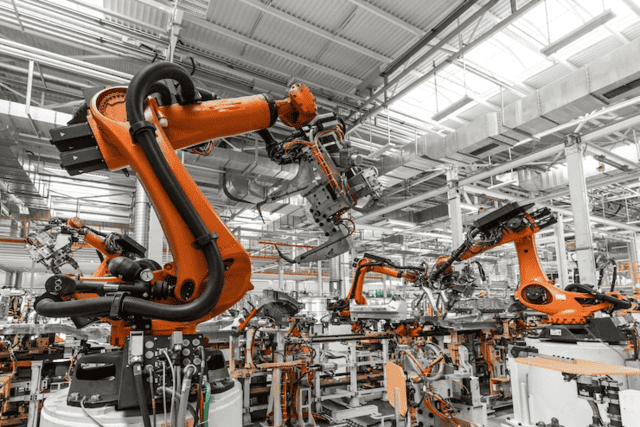
The Rise of Assembly Robots
Precision, speed, and flexibility for manufacturing leave assembly robots to the machines to perform the high-precision, repetitive movements required for simple tasks with pinpoint accuracy and blistering speed. Today, these kind of robotic systems are the staple workhorses of industry providing huge benefits over man power and are part of.Advantages of Assembly Robots1.Extraordinary PrecisionRobotic assemblers don't tire like human workers, nor do they make mistakes. The result is each piece is built to precise dimensions. This decreases defects and enhances product dependability which is crucial for applications like aerospace and medical device production. Also, robots can work 24/7, which is able to considerably increase productivity with lower cycle times.2.Cost-efficiencyWhile robots are expensive to buy and implement, the cost can be justified in terms of labor savings, waste savings and increased throughput. Furthermore, robots improve workplace safety by performing safety sensitive operations, thus reducing the number of accidents.Current ApplicationsThe assembly robot is a common feature in many different industries. Welding, bolting and attaching parts in the car industry, this job has to be done with perfect precision as millions on millions car are built within no time. Robotic machines are used by electronics manufacturers to position minuscule components on circuit boards with a precision of a micron, an assignment that is nearly impossible for human hands. In a food and beverage 3 industry, robotic arms are used to package and sort food and beverages safely while maintaining cleanliness and meeting stringent standards.There is big potential for assembly robots beyond factory production, like custom-furniture assembly and even 3D-printed construction. Collaborative robots, which are engineered to work alongside humans, are becoming more popular in shops where flexibility and usability are important.Selecting the Most Suitable Assembly RobotFirst, manufacturers need to consider the necessary payload and range of motion, smaller robots work well for delicate tasks such as electronics assembly, whereas larger robots are typically used for heavy-duty tasks. Both are also important and the faster robot is good for high-product production while a slower, more accurate robot is better for detailed work.Programming flexibility is another factor. Other robots follow pre-written commands, and some also rely on AI and machine learning to adjust to real-time variability. They should also check out possible integration with available machines and software. Finally, the budget and anticipated return-of-investment are also deciding factors.The Future of Assembly RobotsThe future for automation in assembly robotics is well on track for revolutionary trends. With the emergence of AI and IoT, the robotics will become smarter as they will be able to perform preventive maintenance and self-optimization. Improved gripper tech and tactile sensors will mean robots are dealing with delicate or asymmetrical objects better.One of the other exciting trends is the emergence of mobile assembly robotics that can move around the factory floor without human intervention, dynamically reconfiguring their jobs based on changing production requirements. Moreover, as robotics continue to decrease in cost, small and medium sized businesses will begin to implement automation, putting advanced manufacturing technologies in the hands of more and more people.Eventually, fully autonomous smart factories might be the standard and robots talk to each other, self-optimize production processes and are employed to the least degree possible. As sustainability becomes a key priority, energy-efficient robots running on renewable sources of energy will continue lowering the ecological impact of production.ConclusionAssembly robots are changing the face of modern manufacturing through the relentless pursuit of precision, throughput, and safety. They are used in various fields, from the automotive industry to computer electronics, and can do more and more since technical progress is made. Companies have to consider several important factors in order to find the robot that suits their application best. In the long term, AI-enabled adaptive robotics will open even more doors to a new industrial era both smarter and more automated. Those machines are not only going to grow production, they're going to completely recast the very definition of what work even means in the manufacturing sector.

Cancun: From A Fishing Village to A Party Destination
Located on the white-sand beaches of Mexico's Yucatán Peninsula, hailed as one of our planet's most breathtaking party spots, Cancun is a transformation from small fishing village to worldwide tourist hub. It used to be a sleepy, unknown spot in the Mexican corner of nothingness but Cancun is now one helluva bait, enticing millions every year with its sun-soaked beaches, pulsating nightlife and enough things to do.Former HistoryCancún's evolution adventure first started in the 1960s with a courageous move the Mexican government made. The government started what would become the "Cancun Project" in 1969, to take advantage of its natural beauty and potential unexploited sites, construction officially begun on 1970. What was designed to be a lavish plan, for the most part showed projections of an ideal modern city home that featured luxury hotels and resorts some with golf courses include in their portfolio along side international airports, well integrated residential areas associated all living within natural environs on many forward looking slides.Cancun has finally arrived on the world tourism map after decades of often creative master planning and more than relentless development. Nowadays the city offers pristine sandy beaches, luxurious hotels and resorts aplenty, a buzzing nightlife scene, and virtually every form of entertainment imaginable. Thousands of tourists from around the world come to Cancun every year, lured by its myriad beaches and all-night fun.Historic LandscapesAs well as their beautiful natural landscape and established tourist economy, Cancun offers a rich history which provides culture for its visitors. Guests are invited to explore the ancient Mayan ruins close by and venture into a mysterious world filled with magnificence. For instance, a short drive away from Cancun is the Mayan archaeological site of Chichén Itzá which shows off beautiful architecture and sculptures that speak to the greatness of this civilization.Diverse and electric, Cancun is as much about its nightlife as it is. Besides the usual bars and clubs, it is also home to more quirky nights out like Lucha Libre, Mexican wrestling. With this mesmerizing display of color as wrestlers wear beautiful masks and fight, tourists will walk away with an idea of what the culture is about from the other end.Natural LandscapesThere are also pristine natural environments, just like these surrounding Cancun. The city has some of the best beaches with powdery white sand and clear waters just down the coast, you will find dense tropical rainforest full of life alongside brilliant coral reefs and underwater cave systems perfect for discovery. These magical gifts of nature provide plenty to explore and see as well as enrich the local ecosystem, and biodiversity.Why It’s a SuccessCancun is not only that successful by mere happenstance. It came together by mountaintop threads of the Mexican vision and investment, woven with work that we have come to see in Tenango culture as so integral. The government has established aggressive tourism guidelines and master plans which have provided a solid platform for Cancun's evolution. At the same time, locals have played a significant part in the tourism industry and guests receive thorough care and vivid impressions.ConclusionIn short, the transformation of Cancun from a small fishing village to an international tourism mecca is indicative of both governmental protection and local ZIP. Initially, Cancun really only ever existed as an idea but it is a city rich with culture that has now become known throughout the world. Cancun will definitely face new obstacles and chances as the global tourism industry keeps on changing.