


Furniture Trends of 2025: Design Meets Intelligence
Furniture is no longer simply an object of functionality or en aesthetics, it has become an intelligent, adaptive, and sustainable extension of our living space. The directions influencing the furniture design of this year indicate a combination of pioneering technology, environmental responsibility, and a continued personalized approach. When self-adjusting ergonomic chairs and modular pieces that change as families do, 2025’s furniture is built to merge with our ever-evolving lifestyles.
1.Smart, AI-powered
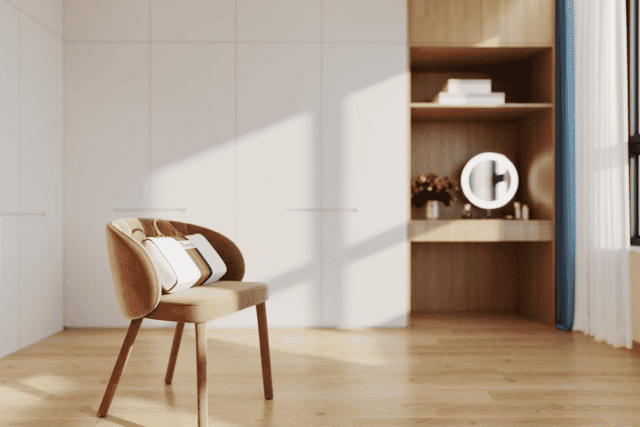
Here, the most striking change is towards smart, AI-powered furniture. Consider a sofa that changes its firmness to match the shape of your body, or a dining table that is also a wireless charging station and an interactive display. Several companies, including Ikea and Herman Miller, have already released AI-infused pieces that memorize human taste over time, fine-tuning both comfort and energy efficiency. Beds these days have sleep-tracking sensors, ones that regulate temperature and firmness during the night, while desks gently remind users to stand or stretch after too much time seated. The line between furniture and tech is beginning to know no bounds as furniture is not just lived in, but responsive to human life.
2.Sustainability
Sustainability is still at the heart of design, but in 2025 it extends beyond use of recycled materials. Now, circular design is the norm; brands emphasize furniture that can be broken down for recycling, repair or upcycling. Biodegradable options such as mycelium (mushroom-based foam) and algae-based plastics for example replacing the synthetic and giving the same durability without the guilt of damaging the environment. Even high-end designers are getting on board with “zero-waste” production, in which offcuts find new life as entirely new products. Consumers are more and more attracted to furniture with a clear lifecycle, knowing where the materials came from, how they were made and how they can be responsibly disposed of.
3.Modular and Multifunctional
Other trends appeal to urban dwellers and small-space living, such as modular and multifunctional furniture. As the cost of real estate surges, these designs are compact, but flexible. There are guest beds that double as couches, coffee tables that hinge up toward a working height and storage units that mount to the wall and adjust to your needs. Companies such as Resource Furniture and Ori (a robotics and design company) are leading the way in minimizing space while maximizing style. The premise is the simple one on which we all fantasize but seldom deliver, that furniture should be as agile as life at its most inconstant, whether that is while working from home on a whim or hosting a surprise house guest for the night.

4.Minimalism
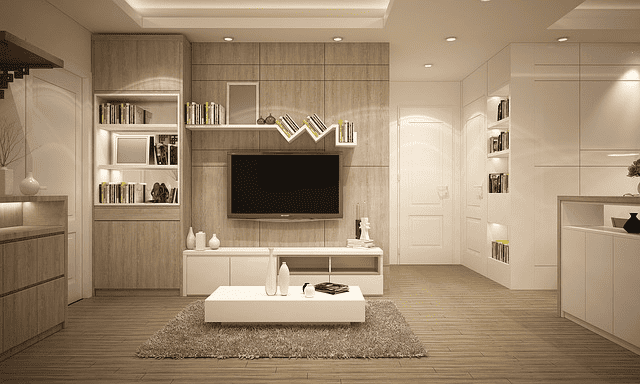
The aesthetic in 2025 runs to warm minimalism and biophilic design. Neutral earthy palettes — think soft terracottas, warm beiges and deep greens — prevail, resulting in tranquil, nature-inspired interiors. Furniture silhouettes are more flowing, with rounded corners and natural textures that play on the idea of comfort and calm. Indoor-outdoor living is also on the rise, and weather-resistant materials are keeping pieces as comfortable on a sunlit patio as in a cozy living room.
5.Customized
The customized experience up a notch. And the rise of 3D printing and on-demand manufacturing means the customer today can design his or her own furniture, picking everything from a fabric pattern to the style of legs. Brands provide digital configurators that enable people to see their creations in augmented reality before buying. This change not only limits overproduction, but allows each piece to narrate a personal story.
We can’t predict the future, but in 2025, furniture will no longer be static — it’s intelligent, and a living part of our daily routine. From AI integration to sustainable innovation to adaptive design, the industry is rewriting the rule book for what it is to furnish a home. The future of furniture isn’t only about filling up space; it’s about improving the way we live, one smart, sustainable and beautifully designed object at a time.

Ceuta: The Spanish Territory in North Africa
A small sliver of land on the north coast of Africa, Ceuta is one few remaining remnants (along with another Spanish enclave there and some islands off Morocco) from centuries when Europe's reach extended into Africa. A castle in the desert, Ceuta steeps itself not just in its geographical splendor but also a cacophony of cultural influences which all together had been woven through centuries into an autonomous city.Location of CeutaCeuta is on the Strait of Gibraltar, sharing a 6.4-mile border with Morocco to its south and east, while facing Spain across the sea to its north; it also lies near European transshipment routes for many sub-Saharan migrants that have climbed over or swum into Ceuta from May 2001 through August 2015. The enclave measures just 18.5 square kilometers, so it is one of the smallest territories in Spain. Ceuta, due to its location is rather small but that´s no less strategic which explains the many empires who wanted Ceuta.History of CeutaCeuta has a long and turbulent historical past. This city, which was founded by the Phoenicians and later became a Roman colony. Subsequently (and over the next 230 years), it was seized by vandals, who were then followed by the Byzantines before coming under control of Islamic Umayyad dynasts. It became an important center of trade and culture under the Moorish domination. The Portuguese gained official control over Ceuta in 1415, through the Reconquista, though it was taken by Spain from Portugal in 1580 and never again returned to its original owner.Ceuta became a Spanish territory after the signing of Treaty of Fez with Morocco in 1906. This makes Spain, the Spanish Government as an essential part of Western Europe convicted country Ceuteser colony. The outcome has been a specialization: Ceuta is not only Europe's doorstep, but also sparks controversy regarding international relations between Spain and Morocco.Culture of CeutaIn terms of culture, its aesthetic is an amalgamation of Spanish, Moroccan and Andalusie. Official languages are Spanish and Tarifit, which belongs to the Berber group of dialects indigenous in Rif. Similarly, the architecture of Ceuta shows this mix with an old town (the, in the typical Moroccan style) and new areas having European influences.Ceuta is an economic free port that no duties of any kind are performed, as well reflects business and trade from around the world. Given the unique position of Schengen, it is also an essential crossroads in Europe for imports and exports between both continents. A tourism hub, the city enjoys a popular seaside and offers historical locations while also serving as unique Spanish exclave in Africa.But Ceuta, which is a Spanish territory on the north coast of Africa, has faced its share of problems. Its border with Morocco has long been a source of tension, and frequently the focus of disputes over migration and smuggling. In modern times, Ceuta has presented a special challenge but it is also prove of an implicit policy in which Spain remains one finger on Africa with Tanger as nowadays the gateway to EuropeConclusionTo conclude, Ceuta is a unique example of the interplay between history, geography and culture in shaping an unusual territory. Eladio attests that hindsight is powerful: The fact that Ceuta remains a Spanish city in North Africa today upon reflecting shows the power of history, and, by default, it makes international politics so complex. Ceuta sits on a sprawling continent, where humanity and history are at large even within the rigid boundaries of territory — ever in flux as she made more so.

Smartwatches Make Our Life More Convenient
With the rapid development of science and technology, smart watches have become an indispensable part of our lives.As a wearable smart device with multiple functions in one, smart watches not only have the time display function of traditional watches, but also integrate more scientific and technological elements to make our lives more convenient.First of all, smart watches have rich health management functions. In modern society, people pay more and more attention to health, and smart watches provide great convenience in this regard. Through various built-in sensors, the smartwatch can monitor the user's heart rate, blood pressure, step count, sleep quality and other data in real time. Users can check their health status at any time, adjust their living habits in time, and effectively prevent and alleviate various health problems. In addition, the smart watch also provides a movement mode, which can record the user's movement track, calories consumed and other data to help users develop a more scientific exercise plan.Secondly, smartwatches additionally acquire incredible comfort correspondence and amusement. By interfacing with the telephone through Bluetooth, the smartwatch can get approaching calls, messages and other data, permitting clients to get calls and view messages straightforwardly on the watch without checking their telephone much of the time. The smart watch also has useful features like the ability to control music and take pictures with a remote, making it easier for users to enjoy entertainment activities like music and photography.In addition, smart watches also have some other practical functions, such as payment function, navigation function and so on. By binding a bank card or payment tool such as Alipay, users can pay directly with the smartwatch while shopping, without carrying cash or bank cards. At the same time, the navigation function of the smart watch can help users quickly find the destination, reducing the trouble of getting lost on the road.

A Guide to Choosing the Perfect Used Car for Seniors
Understanding Specific NeedsThe first stage is an extensive evaluation to determine the driver's individual requirements and body considerations. Crucial questions for the customer to answer: What will you use the car for—primarily errands around town, or longer trips? Are easy in/out important to them for mobility reasons? Think in terms of larger door openings, seats at a convenient height (but not too low) and easier-to-use controls. Visibility is also key; seek out cars with good all-around sight lines and large, clear mirrors. A midsize sedan, a small SUV or crossover, or a minivan will usually provide the right mix of accessibility, visibility and ease-of-management for many seniors.Setting a Realistic BudgetWhen budget setting, look past the sticker price. Take into account the cost of ownership, including insurance rates, fuel economy and any repair or maintenance expenses. In general, cars with reputations for reliability might have a higher up-front price but produce lower long-term costs. Budget for a pre-purchase inspection by a trusted mechanic and for any minor, immediate adjustments or repairs (new tires, updated prescription lens side mirrors).Focusing on Simplicity and ComfortComfort is everything when it comes to an "adrenaline-inducing ride. Listen closely in the initial sit-test: Do the seats feel supportive and easily adjusted? If you sit in the driver's seat, are all the important controls easy to use, reach and operate? Prefer physical knobs and buttons as opposed to intricate touch-screen menus for climate and audio control. Contemporary safety technology such as a backup camera, blind-spot monitoring and automatic emergency braking are meaningful support systems that can foster confidence and security.Choice of Shopping: Private Sales, Dealers and Certified Programs1.Private Sales: Every so often, you can get an absolute steal of a deal through a private sale but it comes with additional risk. In order to prevent unforeseen problems, an outside mechanic should inspect any car sold by a private party prior to purchase. Negotiation is more common in private sales, but caution is recommended.2.Dealers: New car dealerships typically offer a good selection of used cars. Dealers, particularly when it comes to their fleet of pre-owned vehicles tend to set the bar pretty high. In many cases these cars have been through rigorous inspections and are a great option.3.Certified Programs: CPO vehicles have been checked and refurbished by the manufacturer for mechanical issues, or covered under manufacturer-provided warranties and high-quality financing. They tend to be less risky than standard used cars and can make a lot of sense when reliability is high on your priority list.The Essential Test DriveThe test drive is everything. Slip it in there at a time when you can hit the road in different conditions, both on city streets and highways. Inspect how well the car rides — is it smooth and steady? Check the acceleration and braking to make sure it feels responsive, but not jerky. Look for convenience to parking and the ease of getting in and out. The most critical is to make sure the driver is confident and comfortable driving., every switch should fall to hand and feel right in an instinctual way.Approach them with the aid of carefully observing these steps: evaluating what you need; budgeting sensibly; insisting on comfort; checking the history and taking an extended test drive, because then you'll know what's really going on with a used car when it's your turn as a purchaser. The proper used car will provide the peace of mind, comfort and reliability to facilitate years of independence and freedom.

Figure Out Ways to Get Last-Minute Cruise Deals
After the turmoil and shutdowns in the cruise industry during the pandemic, cruising is resuming with a triumphant return. And cruise intent is higher now than it was pre-pandemic, according to the latest report. Some 85% of travelers who have taken a cruise, will cruise again, that figure is 6% higher than pre-pandemic. The report also reveals that passenger volume during 2025 is expected to exceed 35 million people, an unimaginable figure, and 106 percent of 2019 levels. Consumers have also reported that the cruise industry is witnessing higher numbers of solo travelers and those with mobility challenges, and an increase in Gen X and millennials booking cruise vacations. With increased demand for cruise travel, one of the world's hottest sectors of tourism, how can you find a last-minute cruise deal for 2025? Continue reading to learn how to stick the landing when booking your dream cruise vacation for less.Be Open to Your Departure Dates and PlacesHaving an open mind is critical when you are searching for last-minute cruise departures. Cruise lines frequently discount heavily to fill unsold cabins in the weeks leading up to the sail date. If you can be flexible with your travel dates or can take a trip on short notice, you'll find that you can score a great deal more often. Also, be flexible with your destination. Popular routes, like the Caribbean or the Mediterranean, may have greater availability, but lesser-known itineraries can also yield unique experiences at a fraction of the cost. In fact, the window for scoring last-minute cruise deals is within 90 days of a sailing. That three-month point is when final deposits are due on a cruise, and historically the last that you could cancel your cruise without being financially penalized.Book Through OTAs or Travel Deal SitesOnline travel agencies (OTAs) such as Expedia, CruiseDirect and VacationsToGo specialize in aggregating cruise deals from different providers. These booking platforms usually feature sections for last-minute deals, allowing you to review prices and itineraries easily. Also, deal sites like CruiseCritic and LastMinuteCruises cater exclusively to cruise discounts, offering curated lists of the best deals available. So keep an eye on these sites as they add new offers frequently.Book During Wave SeasonVolume is, of course, how cruise lines keep you coming back: Wave season (which spans January through March) is the best time of year for cruise deals. Cruise lines tend to have some of the best prices and perks (free upgrades, drink packages, reduced deposits) during this time. Even if you're preparing for a last-minute getaway, booking during wave season can help get you a better deal.Check for Group or Membership DiscountsSome cruise lines provide discounts for specific groups, including seniors, military members or if you belong to organizations like AAA or AARP. Cruising also has its own loyalty programs, which can offer access to exclusive deals and perks. Since anyone from one of these groups can potentially qualify for a discount, ask about any available discounts when booking your cruise.Keep an Eye on Price Drops After You BookIf you have already booked a cruise and suspect that prices will drop, monitor the fare. Some cruise lines will give price protection or onboard credit if the price of your cabin drops after you have booked. That's not a guarantee, but it's something to keep an eye on, especially if you've booked as far in advance as possible.Don't Underestimate the Benefits of Traveling Off-PeakCruising out of season can save you a lot of money. For instance, Caribbean cruises tend to be less expensive on hurricane season (late summer to early fall), whereas European cruises might be cheaper on shoulder seasons (spring and fall). If you travel to popular destinations during off-peak seasons, you benefit from lower prices and limited crowding.To conclude, the best last-minute cruise rates come from the ability to be flexible, have performed your research and are prepared to take action very quickly. With the help of online resources, collaborating with cruise experts, and keeping an eye on deals, you can score amazing penny-saving offers for your upcoming cruise mission.
Natural Treatments for Knee Osteoarthritis
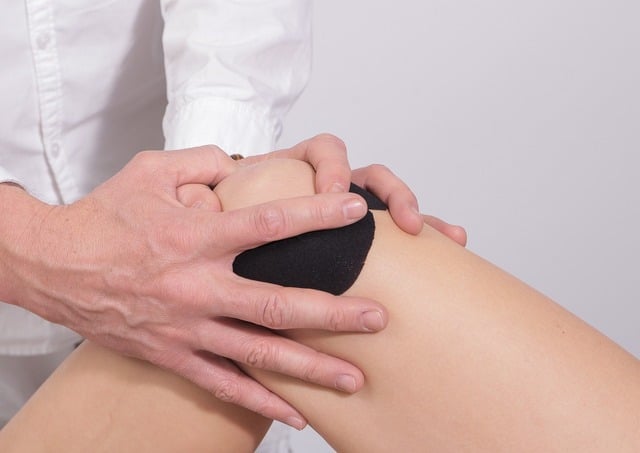
Degenerative joint disorders, such as knee osteoarthritis, are a frequent joint disease around the world and millions of people suffer from pain, stiffness, and disability in their joint. Although conservative treatments (i.e. painkillers, physiotherapy, or surgery) are frequently suggested, commonly patients turn to alternative methods to deal with the symptoms with less side effects. These techniques presents a comprehensive approach to treating knee osteoarthritis, aimed at providing relief of both the physical and psychological.1.AcupunctureOne of the most common alternative treatments for knee osteoarthritis is a traditional Chinese practice called acupuncture which small needles are inserted and manipulated at various points in the body. Studies show that acupuncture can trigger the release of endorphins, as well as increase blood flow to the affected joint. And it can be noticed that, with consistent treatments, a lot of clients will have less pain, more mobility. Individuals respond to acupuncture differently, it can be costly, and if you haven’t found any relief after four visits, chances are it’s not going to be helpful, but it is safe when provided by a licensed acupuncturist, and that may be particularly appealing for those who don’t want to take a medication.2.Glucosamine and Chondroitin SupplementsThese are the two most common oral supplements sold for joint pains. They’re said to promote healthy joints by decreasing inflammation and preserving cartilage. Long-term use might ease pain and improve mobility, according to some studies, although the outcomes will depend on severity of osteoarthritis. These supplements are not a panacea, but are considered as part of an overall anti-pain programme especially for those who prefer a more natural way of pain relief as opposed to taking prescription medication.3.MassageAnother alternative therapy is massage which can offer relief by easing muscle tension and increasing circulation in the area of the knee. Talented therapists perform deep tissue or myofascial-release massage, pinpointing tight muscles and connective tissue that might be causing joint discomfort. Routine sessions may help reduce stiffness and increase flexibility, providing a non-invasive method of relieving symptoms. Some patients use massage in combination with other treatments such as application of heat for extra comfort.4.Heat and Cold TherapyAlthough quite basic, heat and cold are still considered tried and true methods for alleviating osteoarthritis pain. Using heat by using warm compresses or heating pads help to relax stiff muscles, boost blood circulation, but if you use cold packs, it might numb the pain and reduce the swelling. Many people use both, switching them based on their symptoms applying heat in the morning to loosen the joint up followed by cold after activity to reduce inflammation. This low cost approach may be integrated into daily practice for maintenance of symptoms.5.Chiropractic AdjustmentIf we think of chiropractic adjustment more in the context of back pain, this study tells us that it can also provide relief to those suffering from knee osteoarthritis. Joint mobilization (chiropractic treatment) has the potential to restore normal alignment and lessen stress on surrounding tissues. They can help correcting these imbalances in your musculoskeletal system and return to proper movement patterns and reduce the stress on your knees. Although not an independent treatment, chiropractic can be a useful addition to a multidisciplinary pain management program.Although these treatment options may not fully substitute conventional medical treatments, they offer a good selection for people who may wish to seek an adjunct way for relieving knee osteoarthritis. Whether it’s acupuncture’s pain-dulling effects or the structural benefits from chiropractic manipulations, people have a variety of options to find comfort. Incorporating one or more of these interventions — with professional guidance — could make a huge difference to your quality of life, giving those with knee osteoarthritis back the freedom to move. Of course, speaking with your doctor anytime you're trying a new treatment will ensure it is safe and tailored to your joint health.