


Top 10 SUVs as Affordable and Practical Choices in 2025
As the automotive landscape evolves, SUVs continue to be a favorite for people looking for a mix of practicality, comfort and attitude. By 2025, affordable SUV options will be flooding the market without any sacrifice to quality or features for budget-minded shoppers. Here's the top 10 cheapest SUVs you can get in 2025, from compact crossovers to family haulers.
1.Volvo EX30
The EX30 is set to rattle a few cages as one of 2025's most affordable electric SUVs. Marrying Scandinavian design with high-tech, the EX30 boasts a minimalist interior, impressive range, and Volvo’s famed safety tech. The small size of the car as well comes very handy when it comes to driving through narrow streets of a busy city.

2.Citroen C5 Aircross
It remains a solid player in the budget SUV space. With an emphasis on comfort and space, the C5 Aircross is perfect for families. For 2025, it gets new tech and a hybrid option to make it even more enticing to those budget-minded drivers who appreciate a bit of flair.

3.Dacia Jogger
Dacia is known for simple, inexpensive vehicles, and the Jogger is no different. As one of the cheapest seven-seater SUVs available, this practical option offers great value for larger families. When you want economical value instead of flamboyant extravagance, its simple plan and agile engines make it one of the go too for a good value choice.

4.Citroen e-C3
Citroen has rolled out an all-electric SUV on a budget that comes in the form of the e-C3. C3 has been developed in line with the modern approach towards urban mobility, here it comes with a compact form factor, quite a good range but a lot of comfort in the interior. Its low running costs and organic nature make it a favourite for urbanites switching to electric on a budget.

5.Skoda Karoq
The Skoda Karoq has been a perennial favorite in the compact SUV class and the 2025 model is no exception. With a roomy interior, useful features and a variety of frugal engines, the Karoq is a solid value buy. It is ruggedly designed and performs reliably, making it an admirable option for city or countryside driving.

6.SEAT Tarraco
You should know the SEAT Tarraco, a large SUV that offers tons of space and practicality for a modest price. And because it seats up to seven people, it’s an ideal family car. To help keep up in the crowded SUV market, the model 2025 comes with new infotainment systems and hybrid options.

7.MG HS
MG has secured its spot on the map with affordable vehicles that are packed full of features, and HS is testament to that claim. The compact boom SUV feature a stylish design, a well-equipped interior and a range of efficient engines. That said, with its excellent value in 2025, the HS remains a strong challenger for budget-conscious buyers.

8.Volkswagen T-Cross
Volkswagen T-Cross is a compact SUV with a list of features that belies its size Retail handling the urban driving well, its compact form making it a small drive 9 and its more premium feel furthered by a quality interior and safety features. Expect to see updated tech and hybrid options on the new release of the 2025 model.

9.Toyota Yaris Cross
Pushed forward by surging demand for hybrid models, Toyota's Yaris Cross is a compact SUV that retains the dependability of the Yaris hatchback while meeting the utility needs of an SUV. With a hybrid powertrain, it gets good fuel economy and is sensible for green-minded consumers. Updated styling and tech for 2025 will keep it among the best in class.

10.Renault Captur
Now a little more than a year into its lifecycle, it has still proven an incredibly successful compact SUV that has solidified itself as a stylish yet practical choice for many buyers. Refreshed design, tech upgrades and hybrids make the 2025 model even more attractive. Its interior is customizable and its engines are efficient, making it a good choice for young drivers and small families.

From compact city cars to family vehicles you need, the top 10 cheapest SUVs are as above. These models demonstrate you don’t need to shell out the big bucks to get the versatility, comfort and style that SUVs provide.

Senior Housing Choices: Finding CCRCs, Villages and Cohousing
The perfect home for seniors has never been more important as people the world over live longer than ever before. Older adults today want living options that provide not just comfort and safety, but also community, independence and the ability to access care when it's needed. Knowledge of these options can allow seniors and their families the opportunity to make informed decisions for the future.1.Continuing Care Retirement CommunitiesA CCRC is a facility with many levels of care that are housed within the same campus. Residents generally begin in independent living, with private apartments or cottages, social activities and amenities like fitness centers and dining halls. And, as their health care needs shift, they can move easily to assisted living or more intensive skilled nursing care without being forced to pack. This philosophy of “continuum of care” provides comfort in the knowledge that medical and personal assistance is there when needed. Entry fees and monthly fees are typically used to finance them, making CCRCs a substantial investment. But for those who value long-term security and ease of living, this choice brings stability and great care across the various phases of aging.2.VillageIn comparison, the Village movement is all about assisting the elderly in aging in place in their own homes and communities. Villages are nonprofit, member-driven organizations that provide older adults with access to services, volunteers and social activities. With an annual membership fee, members are entitled to resources such as transportation, home-related repairs and social events, promoting a close community while remaining independent. Unlike CCRCs, Villages themselves don't offer medical care, but they're known to partner with local health organizations who can offer assistance. This model is perfect for the seniors who are very attached to their homes and their neighborhoods but require more help and social engagement as they get older. The Village movement is ballooning, especially in urban and suburban areas, where it allows seniors to continue living in the same communities without upending their lives.3.CohousingAnother emerging alternative and trend is Cohousing, a customized living arrangement in which seniors can share common areas and still live independently. Cohousing is unique from typical retirement communities in that it's specifically designed to facilitate interaction, with shared kitchens, gardens, and common spaces. There's strong community involvement, and residents take part in decision-making and often meet for communal meals and activities. This model holds particular appeal for those who value sustainability, social connection and belonging. Although cohousing generally does not offer professional care services, some facilities offer a wellness program, or contract with home healthcare agencies. It can provide an ideal mix of independence and community for seniors who want an active, interdependent lifestyle but don't want the retirement home feel of an institutional setting.The best senior housing option depends on specific needs, whether it is guaranteed care focused on your parents or neighborhood support or a senior community with close integration or a shared living experience. For those who expect to one day require medical help, a CCRCs offer a comprehensive, “nothing left out” lifestyle pattern. Villages are places where you can age in place, with social and practical support; cohousing creates deep links among people who are like-minded. In an ever changing society, these models show that retirement living no longer has to equate with loneliness or loss of autonomy.In the end, it is a personal choice when one considers factors such as monetary considerations and the kind of life they would prefer to have. Through CCRCs, Villages, Cohousing and other options, older adults can also discover a living arrangement that is in line with the way they wish to livee, one that provides comfort, community, and the appropriate level of care as they begin their journey into the next chapter of their lives.

Studies Indicate Nearly Two-thirds of Baby Food Tested Fail to Meet Basic Health Standards
In recent years, there has been growing concern over the nutritional quality of baby foods available in supermarkets. A significant number of studies have revealed that nearly two-thirds of these products are unhealthy, raising serious questions about the health and well-being of infants and toddlers. This article delves into the reasons behind this alarming statistic and examines the ingredients that make these baby foods unhealthy.The Problem with Supermarket Baby FoodsThe primary issue with supermarket baby foods is their nutritional composition. Many of these products are high in sugar, salt, and unhealthy fats, while being low in essential nutrients such as vitamins, minerals, and fiber. This imbalance can have detrimental effects on a child's developing body and brain, potentially leading to long-term health issues.High Sugar ContentOne of the most concerning aspects of supermarket baby foods is their high sugar content. Many products contain added sugars, which are not only unnecessary for infants but can also contribute to obesity, dental decay, and other health problems. According to a study by the World Health Organization (WHO), infants should consume no more than 5% of their daily calories from free sugars, yet many baby foods exceed this limit. The sugar content in these products often comes from sources such as fruit concentrates, syrups, and even hidden sugars in flavored yogurts and cereals. While natural sugars from fruits are generally acceptable, the added sugars in these products can lead to a preference for sweet foods later in life, making it harder for children to develop healthy eating habits.Excessive SaltAnother major issue with supermarket baby foods is their high salt content. Infants have a much lower tolerance for salt than adults, and excessive salt intake can lead to high blood pressure, kidney damage, and other health problems. The American Academy of Pediatrics (AAP) recommends that infants consume no more than 1 gram of salt per day, but many baby foods contain significantly more. Salt is often added to baby foods to enhance flavor, but this practice can have serious consequences. In addition to the health risks associated with high salt intake, it can also mask the natural flavors of the ingredients, making it harder for children to develop a taste for healthy, whole foods.Unhealthy FatsMany supermarket baby foods also contain unhealthy fats, such as trans fats and saturated fats. These fats can increase the risk of heart disease, obesity, and other health problems. While some fat is essential for a child's growth and development, the type of fat is crucial. Healthy fats, such as those found in avocados, nuts, and olive oil, are important for brain development and overall health. Unfortunately, many baby foods contain unhealthy fats from sources such as palm oil, hydrogenated oils, and animal fats. These fats can contribute to inflammation, insulin resistance, and other metabolic issues, making it essential to choose baby foods that are low in unhealthy fats and high in healthy fats.Lack of Essential NutrientsIn addition to the high sugar, salt, and unhealthy fat content, many supermarket baby foods are also lacking in essential nutrients. These products often contain low levels of vitamins, minerals, and fiber, which are crucial for a child's growth and development. For example, many baby cereals are fortified with iron, but they may be low in other essential nutrients such as calcium, vitamin D, and omega-3 fatty acids. The lack of essential nutrients in these products can lead to deficiencies that may affect a child's physical and cognitive development. It is important for parents to choose baby foods that are rich in a variety of nutrients to ensure that their child is getting the necessary building blocks for a healthy life.

Aspects to Focus on When Buying a Home Security Camera
Home security cameras are a valuable part of maintain safety and piece of mind. Whether you want to keep your home safe while you’re away, or you need to be able to see what’s happening at your front door, there are tons of options for home security cameras. With all of the options that are out there, and here are some things to consider to ensure you have a camera that works for you how you want it to.1.ResolutionThe resolution of the camera is another important consideration. More resolution typically means clearer images, and that can be critical when trying to identify faces or license plates. Many new cameras record in HD 1080p and even 4K resolution. But, of course, higher resolution also translates into larger file sizes, which can eat up more space and more bandwidth. If you plan on recording footage non-stop, you'll want enough space, whether that's cloud storage or a local solution such as microSD cards or network-attached storage (NAS).2.Size of the ViewThe size of the view is also a consideration. A broader perspective enables thus reducing blind spots and more coverage area for the camera. Cameras with field of view from 130 degrees to 180 degrees are typical, but welter-weight panoramic cameras with 360-degree coverage are available. If you are watching over a large space, like a garden or sitting room, then you may want a wider angle. But for more confined spaces, you may want to narrow the beam to prevent wasted coverage.3.ConnectivityAnother consideration is connectivity. The vast majority of home security cameras today have some type of Wi-Fi connection, but what kind of network device you're connecting to is going to make a difference. A poor signal may result in lagging or dropped connections if your camera is too far from the router. Some cameras have Ethernet ports for improved connectivity, or dual-band Wi-Fi for better signal. Wireless (battery operated) cameras are versatile where you can place them, only to have the hassle of replacing, or recharging batteries.4.StorageThere are various storage options for cameras and the kind you choose will depend on how much storage you wish to keep. The convenience of cloud storage is that it can offer remote access and automated backups, but it frequently involves subscription fees. Local storage, such as SD cards or an external hard drive, removes ongoing charges, but could be stolen or damaged if the camera is interfered with. Some also have hybrid solutions, where you can keep footage locally and in the cloud for extra backup.5.PrivacyPrivacy is a becoming a worry with home security cameras. And, because these devices are internet-connected, they may be hackable if not protected. Opt for a camera with robust encryption, two-factor authentication and regular firmware updates, and you may safeguard your data. Also think about whether the camera offers physical privacy mechanisms like a lens shutter or the ability to disable recording entirely when you're home.6.Smart FunctionsSmart functions fills it with more value. Most have motion detection, but some advanced cameras have facial recognition and sound detection, too. This helps prevent false alarms caused by swaying branches, swinging parking gates or passing cars. The camera also supports two-way audio so you can address delivery people or even would-be intruders through the camera, which is a nice touch. Integration with smart home platforms like Amazon Alexa or Google Assistant can offer easy control and automation too.In conclusion, picking the first home security camera does not only mean paying a visit to a shop and picking the first model you see. By considering your requirements on placement, resolution, storage, connection, privacy, and smart features, you choose a camera which is suitable to both security and convenience for your home. By researching and comparing your options you will invest in your security and peace of mind for many years to come.
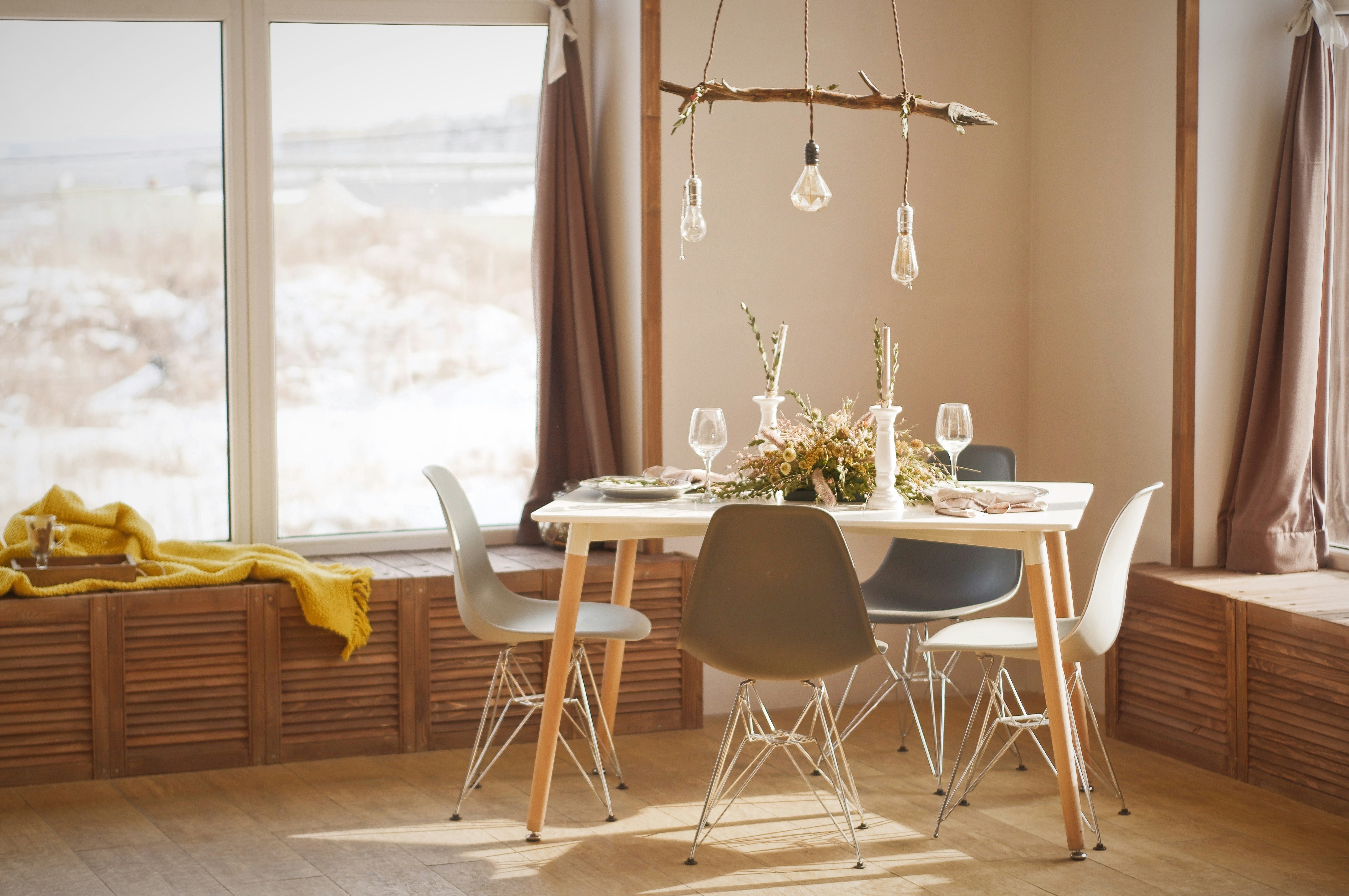
Tips for Providing Complete Home Furnishing Advice to Users
When it comes to furnishing a home, it's not just about filling the space with furniture and decor pieces; it's abouTo provide users with comprehensive advice on home furnishing, it's essential to consider various aspects that go beyond just aesthetics. Here are some innovative tips to help you guide users in transforming their houses into dream homes:Understand User Needs: Before offering advice on home furnishing, take the time to understand the user's lifestyle, preferences, budget, and space constraints. Tailoring recommendations to their specific requirements will ensure a more personalized and impactful furnishing plan.Embrace Versatility: Suggest furniture and decor pieces that are versatile and multifunctional. Opt for items that can serve multiple purposes or be easily reconfigured to adapt to changing needs. This approach not only maximizes space but also promotes sustainability and practicality.Mix and Match: Encourage users to combine different styles, textures, and colors to create a visually interesting and dynamic space. Mixing old and new elements, blending contrasting patterns, and experimenting with bold accents can add depth and character to their home decor.

Fish Oil Supplements: Potential Risk of Stroke
For quite a long time, fish oil supplements are popular among peoples because its rich omega-three fatty acids and considered to be beneficial for heart health, brain function and overall health. However, one paper published recently shows that fish oil supplements may increase the risk of stroke and heart issues.Overview of the StudyThe study guided by the researchers from Harvard University and Brigham and Women's Hospital, analyzed over 25,000 participants who have not gotten angiocardiopathy before the study began. The researchers followed their health conditions almost 12 years and recorded the fish oil supplements data they used. To our surprise, study found compared to the people not eat fish oil supplements, they showed extra 18% risks of getting stroke, and extra 8% risks of heart issues. These results are clear comparison with its benefits we think before.Why Fish Oil Supplements Cause This ProblemSo, why fish oil supplements have this uncontemplated side effects? The researchers proposed several possible explanations.Uncertain qualities of fish oil supplements: There are a variety of fish oil supplements in the market with different kinds of qualities. Some products of inferior quality may be filled with pollutants, such as heavy metals and polychlorinated biphenyl, which will be harmful to our health.Dose and type of omega-3 fatty acids: Not all omega-3 fatty acids are the same.Omega-3 fatty acids have two main ingredients, EPA and DHA, they have different effects in health. Besides, extra omega-3 fatty acids may result in hemodilution and increase the risk of hemorrhagic stroke.Individual difference: Everybody shows different reactions to omega-3 fatty acids. Some may be more sensitive to omega-3 fatty acids and more likely to have untoward effects.Suggestions We Should KnowThe study results reminds us that we should be cautious and careful before eating fish oil supplements, here are some suggestions:Consult a doctor: Before taking any supplements, please consult your doctor, especially when you have some potential health problems.Choose those with superior qualities: Purchase third party certified fish oil supplements to ensure their quality and purity.Care for the dose: Strictly follow the dose recommended on the tag, don’t take extra dose, moderation is the key.Consider other sources: If you worry about the risk of fish oil supplements, you can switch your methods, a lot of food is full of omega-3 fatty acids, such as Fat-rich fish, flaxseed, and chia seeds.