


The Rise of Assembly Robots
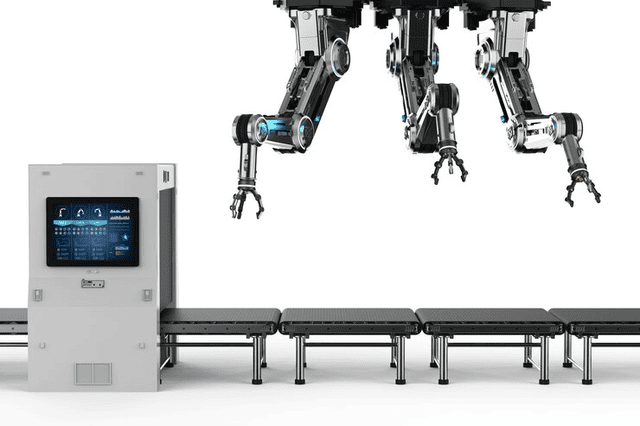
Precision, speed, and flexibility for manufacturing leave assembly robots to the machines to perform the high-precision, repetitive movements required for simple tasks with pinpoint accuracy and blistering speed. Today, these kind of robotic systems are the staple workhorses of industry providing huge benefits over man power and are part of.

Advantages of Assembly Robots
1.Extraordinary Precision
Robotic assemblers don't tire like human workers, nor do they make mistakes. The result is each piece is built to precise dimensions. This decreases defects and enhances product dependability which is crucial for applications like aerospace and medical device production. Also, robots can work 24/7, which is able to considerably increase productivity with lower cycle times.
2.Cost-efficiency
While robots are expensive to buy and implement, the cost can be justified in terms of labor savings, waste savings and increased throughput. Furthermore, robots improve workplace safety by performing safety sensitive operations, thus reducing the number of accidents.
Current Applications
The assembly robot is a common feature in many different industries. Welding, bolting and attaching parts in the car industry, this job has to be done with perfect precision as millions on millions car are built within no time. Robotic machines are used by electronics manufacturers to position minuscule components on circuit boards with a precision of a micron, an assignment that is nearly impossible for human hands. In a food and beverage 3 industry, robotic arms are used to package and sort food and beverages safely while maintaining cleanliness and meeting stringent standards.
There is big potential for assembly robots beyond factory production, like custom-furniture assembly and even 3D-printed construction. Collaborative robots, which are engineered to work alongside humans, are becoming more popular in shops where flexibility and usability are important.

Selecting the Most Suitable Assembly Robot
First, manufacturers need to consider the necessary payload and range of motion, smaller robots work well for delicate tasks such as electronics assembly, whereas larger robots are typically used for heavy-duty tasks. Both are also important and the faster robot is good for high-product production while a slower, more accurate robot is better for detailed work.
Programming flexibility is another factor. Other robots follow pre-written commands, and some also rely on AI and machine learning to adjust to real-time variability. They should also check out possible integration with available machines and software. Finally, the budget and anticipated return-of-investment are also deciding factors.
The Future of Assembly Robots
The future for automation in assembly robotics is well on track for revolutionary trends. With the emergence of AI and IoT, the robotics will become smarter as they will be able to perform preventive maintenance and self-optimization. Improved gripper tech and tactile sensors will mean robots are dealing with delicate or asymmetrical objects better.
One of the other exciting trends is the emergence of mobile assembly robotics that can move around the factory floor without human intervention, dynamically reconfiguring their jobs based on changing production requirements. Moreover, as robotics continue to decrease in cost, small and medium sized businesses will begin to implement automation, putting advanced manufacturing technologies in the hands of more and more people.
Eventually, fully autonomous smart factories might be the standard and robots talk to each other, self-optimize production processes and are employed to the least degree possible. As sustainability becomes a key priority, energy-efficient robots running on renewable sources of energy will continue lowering the ecological impact of production.
Conclusion
Assembly robots are changing the face of modern manufacturing through the relentless pursuit of precision, throughput, and safety. They are used in various fields, from the automotive industry to computer electronics, and can do more and more since technical progress is made. Companies have to consider several important factors in order to find the robot that suits their application best. In the long term, AI-enabled adaptive robotics will open even more doors to a new industrial era both smarter and more automated. Those machines are not only going to grow production, they're going to completely recast the very definition of what work even means in the manufacturing sector.

Getting a Personal Loan: Tips and Steps
A personal loan can serve as an effective financial tool for a wide range of purposes. But getting a personal loan means being well-prepared and knowing how to go about it. Here's a walkthrough of how to get a personal loan.1.Assess Your Current Financial StandingWhether you should decide to take out a personal loan or not, first consider your financial standing. Determine how much you'll need and, if you can afford the monthly payments, examine your credit score, one of the most influential pieces of information the lender will weigh when reviewing your loan application and setting the interest rate you'll pay. Generally speaking, the better credit scores allow you to receive better terms for the loan.2.Research LendersPersonal loans are offered by several lenders, from banks and credit unions to online lenders. They each have varying terms, interest rates and eligibility requirements. Compare lenders to find the best mortgage for you. Visit ratings and reviews to see how well they are reputed and how they treat their customers.3.Things to Check for EligibilityEligibility factors, such as a minimum credit score, income level, employment history and so on, vary by lender. You must meet these requirements to qualify to apply. Part of approving a lender and depending on them is maintaining a debt-to-income ratio (DTI), which calculates your monthly debt payments as a percentage of your monthly income.4.Documentation RequiredYou have to provide and offer various documents while applying for a personal loan like proof of identity (license or passport), proof of income (pay stubs or tax returns), and proof of residence (bills or lease agreement). Getting all these documentations ready can shorten the process when you are applying.5.Submit Your ApplicationAfter you select a lender and compile all your supporting documentation, you can apply for a loan. Frequently, this can even be done online, making the process simple and fast. You should be ready to answer detailed questions about your financial situation, employment and the reason for the loan.6.Review Loan OffersAfter you submit your application, you may get several loan offers. Take time to compare each offer, including the interest rate, loan term, monthly payment amount, and any fees (such as origination fees or prepayment penalties). Try a loan calculator to determine the overall cost of the loan over the length of the loan term.7.Accept the Loan and Get the MoneyAfter you determine which loan offer is best for you, you will have to formally accept it. Once the lender is satisfied with the outcome and result of underwriting, it will issue a loan agreement for the consumer to sign. Once a consumer has accepted the terms, they ought to read through the agreement thoroughly before signing. Once the agreement has been signed, the funds are usually paid out to your bank account within a few days.8.Repay the LoanBe sure to pay your monthly payments on time to ensure you do not incur late fees and negatively impact your credit score. Automating payments may help you never forget a due date. Paying it ahead if it's possible, so you can save on paying interests, and decline the year of the loan and then save very much.In summary, a personal loan can generally be gotten and obtained in the above mentioned steps, from evaluating your financial status to paying the loan back. Make sure to borrow responsibly and only with an amount you can make repayments for comfortably to stay on track with your finances.

Evening Exercise Breaks Unlock Restful Sleep
In the quest for better sleep, many people turn to relaxation techniques, sleep aids, or even stringent bedtime routines. However, a growing body of research suggests that one of the most effective strategies for promoting restful sleep lies in an unexpected source: evening exercise breaks. While conventional wisdom often advises against exercising too close to bedtime, recent findings indicate that moderate physical activity in the evening can actually enhance sleep quality. Here’s a closer look at how evening exercise breaks can unlock restful sleep and practical tips for incorporating them into your routine.The Science Behind Evening ExerciseTraditionally, it was believed that vigorous exercise before bed could lead to increased alertness, making it harder to fall asleep. However, studies are now showing that moderate exercise in the evening can have several sleep-enhancing benefits.1. Enhanced Sleep QualityResearch indicates that individuals who engage in regular evening exercise report improved sleep quality. Moderate physical activity can help regulate the body’s internal clock, promoting deeper stages of sleep and reducing the time it takes to fall asleep. Exercise increases the body’s core temperature, and as it gradually drops post-exercise, it signals to the body that it’s time to rest.2. Stress and Anxiety ReductionEvening exercise serves as an effective stress reliever. Physical activity releases endorphins, the body’s natural mood lifters, which can help alleviate anxiety and stress accumulated throughout the day. By engaging in exercise, individuals can create a buffer against the daily stresses that might otherwise interfere with their ability to fall asleep.3. Improved Sleep DurationModerate evening exercise can help extend the duration of sleep. Studies have shown that people who exercise regularly sleep longer than those who do not. The combination of reduced stress, enhanced mood, and physical fatigue from exercise can contribute to longer, more restful sleep.Types of Evening ExercisesNot all exercises are created equal when it comes to promoting restful sleep. Here are some effective options that can be easily incorporated into your evening routine:1. Walking or JoggingA brisk walk or light jog in the evening can be a great way to unwind. This low-impact activity allows you to enjoy the fresh air while promoting relaxation. Aim for 20 to 30 minutes of walking to reap the benefits without overstimulating your body.2. Yoga and StretchingYoga is particularly effective for promoting relaxation and stress relief. Gentle yoga poses and deep breathing exercises can help calm the mind and prepare the body for sleep. Consider a short evening yoga routine focused on restorative poses that emphasize relaxation.

The Art of Caring for Solid Wood Furniture
Proper care and maintenance are crucial to preserve its beauty and ensure its longevity. In this article, we will explore the art of caring for solid wood furniture, offering unique tips and insights to help readers keep their cherished pieces in pristine condition.Understanding the Nature of WoodBefore delving into specific care techniques, it's essential to understand the nature of wood itself. Wood is a natural material that responds to its environment. It can expand and contract with changes in temperature and humidity, and it can be susceptible to scratches, stains, and fading if not properly cared for. With this understanding, we can approach the care of solid wood furniture with the respect it deserves.Dust Regularly with CareOne of the simplest yet most important care practices for solid wood furniture is regular dusting. Use a soft, lint-free cloth or a microfiber duster to gently remove dust from the surface. Dust can accumulate and scratch the wood over time, so consistent cleaning is crucial.Protect from Sunlight and HeatDirect sunlight can cause wood to fade and lose its luster over time. To preserve the natural color and beauty of solid wood furniture, it's important to shield it from direct sunlight. Utilize curtains or blinds to minimize exposure, and consider rearranging furniture to reduce prolonged sun exposure.Use Coasters and Protective PadsTo prevent water rings, scratches, and heat damage, always use coasters or protective pads when placing glasses, hot items, or other objects on solid wood surfaces. This simple practice can go a long way in preserving the integrity of the wood.Immediate CleanupAccidents happen, and spills are inevitable. It's essential to clean up any spills or stains immediately to prevent them from seeping into the wood and causing damage. Use a dry or slightly damp cloth to blot and clean up any spills promptly.

Navigating College Life: Some Mental Health Tips for Students
As the leaves turn golden and summer draws to a close, a new chapter begins for many young adults across the country. College is a time of excitement, growth, and self-discovery, but it can also be a period of stress and uncertainty. For parents with children heading off to college, ensuring their mental well-being is paramount. Here are five essential tips to help students manage their mental health during this transformative time.Establish a RoutineThe transition from high school to college often comes with a newfound sense of freedom. While this freedom is exhilarating, it can also lead to irregular sleep patterns, poor diet, and skipped classes if not managed properly. Establishing a routine that includes regular sleep, healthy meals, and dedicated study times can provide a foundation for emotional stability and academic success.Encourage Open CommunicationMaintaining open lines of communication is crucial for students' mental health. Parents should encourage their children to share their feelings, concerns, and experiences without judgment. This can help students process their emotions and feel supported. Regular check-ins, whether through phone calls, video chats, or text messages, can provide a lifeline for students navigating new challenges.Promote Self-CareSelf-care is essential for mental health, yet it's often overlooked in the hustle of college life. Encourage your student to engage in activities they enjoy and that help them relax. This can include exercise, meditation, hobbies, or simply taking time to unwind with a favorite book or movie. Remind them that it's okay to take breaks and prioritize their well-being.Seek Professional Help When NeededCollege campuses often offer counseling services that provide mental health support to students. If your child is struggling with stress, anxiety, or depression, encourage them to seek help from these professionals. Early intervention can be key to managing mental health issues and can provide students with coping strategies for the challenges they face.Foster a Support NetworkEncourage your student to build a support network at college. This can include friends, roommates, mentors, and professors. A strong support network can provide emotional support, practical advice, and a sense of belonging. Joining clubs, participating in campus activities, or studying in groups can help students connect with others who share their interests.

Unlock the Secrets of Tesla Dog Mode: A New Experience for People and Pets
With the rapid development of science and technology, the automobile industry has also ushered in unprecedented changes. Among them, Tesla's Dog Mode is a feature that has attracted attention, which provides a more comfortable and safe travel experience for pet owners.1.Background and significance of the Tesla Dog modelIn modern society, pets have become an indispensable member of many families. However, during the driving process, how to ensure the safety and comfort of pets is a problem that cannot be ignored. The emergence of the Tesla dog model is to solve this problem. With smart controls, Tesla Dog Mode is able to provide a safe and comfortable environment for pets while parked, ensuring they are well cared for even inside the vehicle.2.The functional characteristics of Tesla dog modeThe Tesla Dog Mode has a variety of functional features designed to meet the needs of different pet owners. First of all, the mode can automatically adjust the temperature in the car, ensuring that the pet does not feel too hot or too cold in the car. Second, Tesla Dog Mode can also display real-time temperature information in the car, allowing owners to keep abreast of the environmental conditions of their pets. In addition, Tesla also allows pets to enjoy comfortable facilities such as music and air conditioning in the car through the intelligent control system, further enhancing the travel experience of pets.3. Operation and use of Tesla Dog modeThe operation of Tesla Dog Mode is very simple and convenient. When owners need to leave the vehicle, they can simply choose to turn on dog mode through Tesla's center screen or mobile app. When this mode is turned on, the vehicle automatically adjusts the interior environment to ensure the comfort and safety of the pet. At the same time, the Tesla dog mode will also display the words "pet in the car, air conditioning is turned on" on the window, as well as real-time temperature information in the car to remind passers-by to pay attention to the pet's condition.